A New Chapter for the Horizontal Falls
The iconic Horizontal Falls, known as Garaan-ngaddim in the Dambimangari language meaning “floating over,” is a site of immense cultural significance for the Indigenous Dambimangari people. Located in the pristine Kimberley region, this natural wonder has long been a focal point for both tourism and cultural heritage. However, a significant shift is on the horizon as Indigenous stakeholders take the lead in redefining how visitors interact with this sacred place.
At a recent ceremony held in Derby, representatives from the WA government, tour operators, and the Dambimangari community announced new arrangements that will extend access to the falls until the end of the 2028 season. This decision marks an important step towards a more culturally respectful and sustainable approach to tourism in the area.
Safety and Cultural Sensitivity
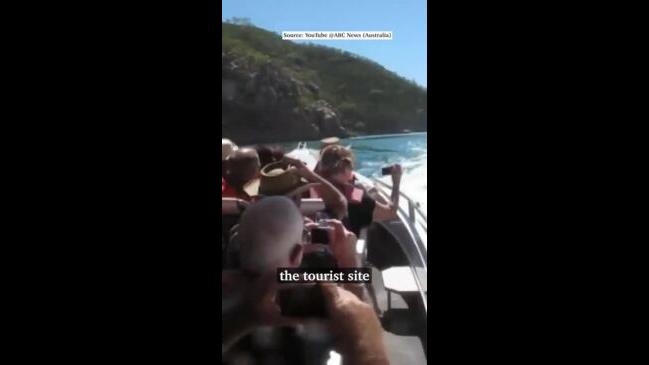
The Horizontal Falls are formed when seawater rushes through two narrow gorges, approximately 300 metres apart, creating a unique and thrilling experience for boat passengers. However, safety concerns have prompted changes in how these tours are conducted. In May 2022, a tourist boat carrying 27 passengers crashed into a rock wall while passing through a 7.5-metre gap, resulting in several injuries. This incident highlighted the need for stricter regulations and greater awareness of the risks involved.
In response, the WA government announced in 2024 that the gap rides would be phased out by 2028. The new arrangements, developed by the Garaan-ngaddim Horizontal Falls working group, include a two-year extension of access through the main gap, limited to selected licence holders. A second, narrower gap will remain permanently closed to ensure visitor safety and protect the cultural integrity of the site.
Embracing Cultural Storytelling
Rowena Mouda, Indigenous chair of the working group, emphasized the importance of sharing the deeper cultural stories behind the falls. “Visitors should leave with the thrills but also respect the living culture and presence of creation spirits,” she said. She added that the Dambimangari people see the falls as more than just a tourist attraction—they are a gateway to their ancestral past, where their great-grandparents once lived before colonisation.
Mouda noted that while the falls have become a popular thrill-seeking destination, there is a growing desire among visitors to understand the cultural significance of the site. “We say there’s a bigger story,” she said. “I think visitors are hungry for more information.”
Leah Umbagai, vice-chair of the Dambimangari Aboriginal Corporation, echoed this sentiment, stating that traditional owners want visitors to feel welcome and safe while experiencing the land “the right way.” She explained that the tidal movements of the falls are seen as the living presence of Woongudd, the spiritual snake woman who shaped the coastline.
Government Support and Infrastructure Development
To support the transition to more culturally immersive experiences, the WA government will announce $5 million in funding on Monday to invest in on-site infrastructure. This investment will help develop new tourism experiences led by the Dambimangari people. The Department of Biodiversity, Conservation and Attractions will lead a feasibility study to inform the design and operating model of these new initiatives.
Environment Minister Matthew Swinbourn praised the collaborative approach, stating that the Cook government is proud to support the shift towards a model that respects Dambimangari culture. “This is a positive outcome that supports their tourism aspirations, strengthens engagement with industry and recognises the need for continuity as new cultural experiences and commercial partnerships are developed,” he said.
Training and Community Involvement
Active participation by the Dambimangari people is already shaping how visitors experience the falls. A pilot program supported by Tourism WA, DBCA, and tour operator Journey Beyond has trained Dambimangari guides to work with tourists. Robyn Mungulu, a Dambimangari guide, shared her experience of working on country. “We are teaching and sharing our culture with young ones and visitors, and we are learning new things all the time from the Journey Beyond tour guides,” she said.
Mouda highlighted the importance of training tour guides alongside the existing Dambimangari ranger program. “They both speak to the importance of the living beings in this sacred area,” she said. She also encouraged visitors to consider tide times when planning their visits. “The flows are always there, but some periods are safer to go through than others,” she said. “Our preference would be that they go there in a gentler flow and look around and see it’s much more than just a water flow.”
A Sacred Land
The Dambimangari people emphasize that the land may appear untouched, but it has always been touched by their presence. “It’s at the heart of our heritage,” Mouda said. As the transition continues, the focus remains on ensuring that the falls are experienced with respect, understanding, and a deep appreciation for the cultural significance of the site.