
IKEA has made a major change to its returns policy, significantly reducing the time customers have to return opened items. Previously, customers could return opened or assembled products within one year, but this has now been cut down to just 60 days. This shift comes as the company faces increasing logistics costs and concerns about customers exploiting what was once considered a generous policy.
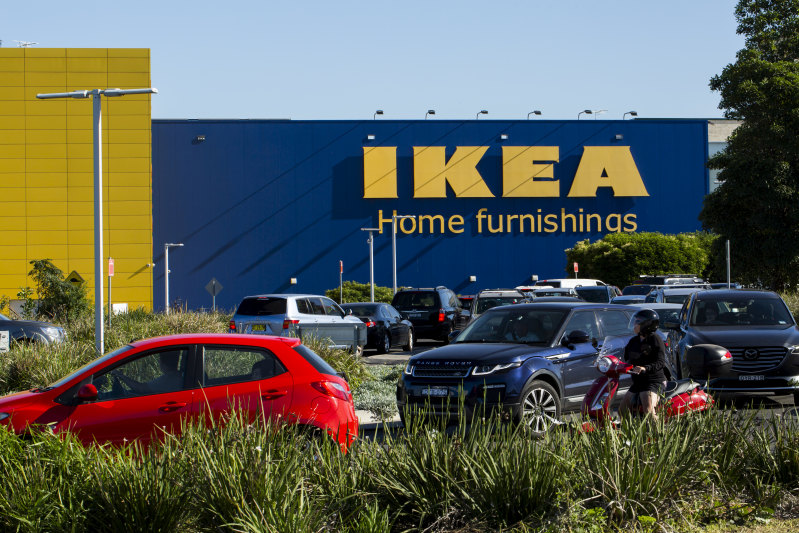
Starting from April 9, any returns for items that were opened or assembled will only be eligible for store credit, not a refund to the original payment method. An IKEA spokesperson explained that these changes are intended to “ensure [the returns policy] remains flexible” and provide “peace of mind” to all customers while maintaining sustainability for the business.
“Sixty days allows a fair time period for customers to ‘test and try’ their product in their home,” the spokesperson said. “These changes help us minimize misuse of the returns policy and allow us to continue offering high-quality, affordable home furnishings to Australians.”
Unopened, unused, and resealable products can still be returned within 365 days. However, the reduction in the returns window for assembled items marks the end of a strategy that helped build consumer trust in IKEA’s flat-pack furniture model. The policy became a key part of the brand’s identity in Australia.
In 2006, the comedy group The Chaser famously tested the policy by returning increasingly bizarrely built pieces of IKEA furniture. Most of them were accepted, highlighting how lenient the policy had been.
The Impact of Generous Returns Policies
Across the retail industry, generous returns policies have led to practices such as “bracketing” or “wardrobing,” where customers buy multiple versions of the same product and return the ones they don’t want. During the pandemic, many global retailers began reintroducing return fees to manage the rising costs of processing returns.
The returns process, often referred to as “reverse logistics,” has become more expensive for retailers. They must arrange for goods to be transported back to the retailer or manufacturer, then assess them for returns, repair, recycling, or disposal.
According to data from deliveries software company Shippit, the number of retailers offering free returns dropped from 49% to 14% between 2018 and 2025. “Easy returns have always been a powerful drawcard for consumers, but the unit economics was never sustainable for retailers,” Shippit stated in its latest report on deliveries.
The 365-day returns policy allowed customers to use furniture for nearly a year before returning it to IKEA for a refund or a newer model. “We’ve always looked at the IKEA policy as being quite a generous one,” said Shippit founder Rob Hango-Zada. “The cash-strapped consumer is certainly looking for outs when they make a decision. When you provide that facility, you’ll find consumers taking advantage of it.”
Rising Costs and Retailer Strategies
Higher inflation, pressure on petrol prices, and Australia’s geographic spread have increased operating costs, making it harder for retailers to bear the cost of returns. As the fuel crisis continues, logistics experts believe retailers will keep finding ways to reduce costs and liabilities. However, global e-commerce giants like Amazon, Shein, and Temu are likely to maintain their free shipping thresholds to stay competitive.
“You’re making the sale, which costs you money to service the customer,” Hango-Zada says. “You’ve got inventory that’s potentially damaged that you’re holding on to, then you need to clear it … if it can’t be resold, it needs to be cleared. It does make sense for retailers to tighten up in those areas.”
Secondhand Markets and Global Variations
IKEA operates “as-is markets” in Australia that allow customers to buy used products. There is also a thriving secondhand market online for some of the Swedish chain’s best designs.
While the 365-day returns policy has been beneficial for IKEA’s global brand, it has not been consistently applied around the world. In 2020, the Swedish furniture maker reduced its returns window on assembled products from 365 days to 180 days in the US. Canada has a 90-day full-refund window, meaning Australian and New Zealand customers are now subject to some of IKEA’s most stringent returns policies globally.
Consumer advocacy group CHOICE director of campaigns Andy Kelly said IKEA’s policy change did not affect shoppers’ rights under consumer law. “If there’s a fault with the product, you’re still entitled to a remedy if it happens within a timeframe the law would cover. That timeframe changes depending on the type of the product and how expensive it was,” said Kelly.
But he questioned IKEA’s description of the change. “It seems like a reduction in flexibility, to be honest.”