Australia’s Iron Ore Giant Takes Bold Steps to Cut Fossil Fuel Use
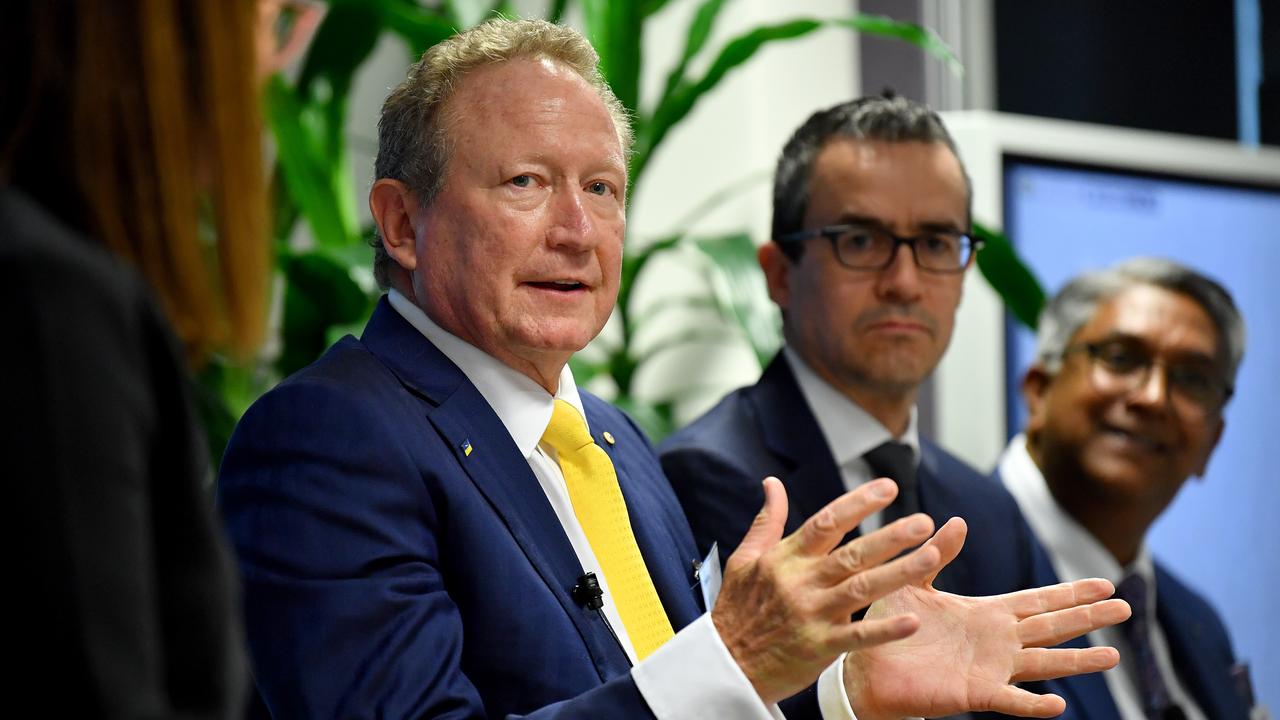
Australia’s largest iron ore producer is taking significant steps to reduce its reliance on fossil fuels, driven by ongoing geopolitical tensions that have pushed oil prices to record levels. The Fortescue Metals Group, led by Andrew ‘Twiggy’ Forest, is accelerating its plans to phase out fossil fuels and transition to a green-energy model.
The company expects to save $US100 million (approximately $A141 million) in fossil fuel costs by 2027. This move comes as a growing number of Australian businesses face rising operating costs due to the global fuel crisis.
The crisis began on February 28 when the US launched an attack on Iran, causing the price of Brent crude to spike to $US119.50 per barrel. This represents a sharp increase from the $US60 per barrel seen at the start of the year.
Even if oil supply issues ease, experts predict that crude prices are unlikely to return to $US60 in the near future. Most market economists expect prices to stabilize around $US80 in the coming months.
Andrew McKellar, chief of the Australian Chamber of Commerce and Industry, stated: “Businesses will remain on edge until there is a clear and lasting end to the conflict.” He added that even if hostilities pause, disruptions to oil supply will have long-term consequences for many industries.
Fortescue’s Green Energy Initiative
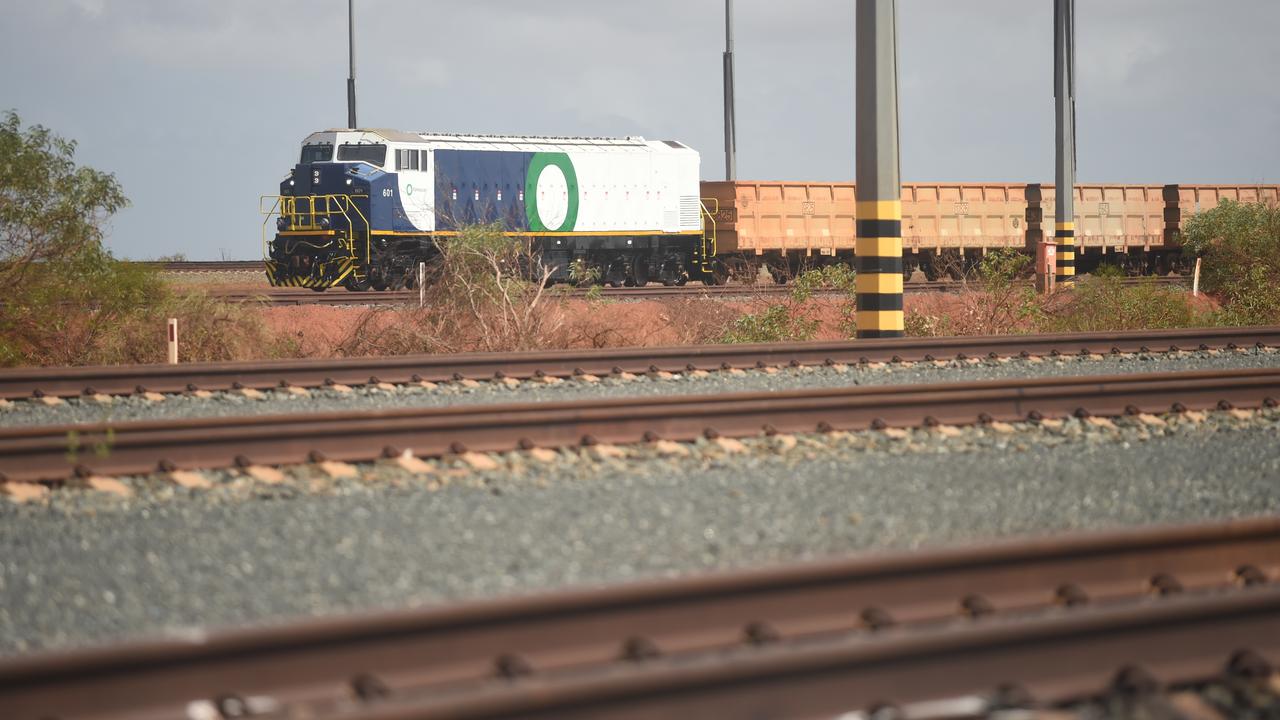
Fortescue is building what it calls the world’s first industrial and fully integrated green-energy grid. This initiative aims to eliminate the need for diesel and fossil fuels entirely.
The company announced that by the end of 2027, its system will power all operations for 24-hour periods without fossil fuels—earlier than its previous target of 2030. The Pilbara green grid is expected to be completed by the end of 2028.
“As global energy supply chains become increasingly unstable, and the massive risks of fossil fuel dependence are exposed, Fortescue is proving industry can power itself,” the company said.
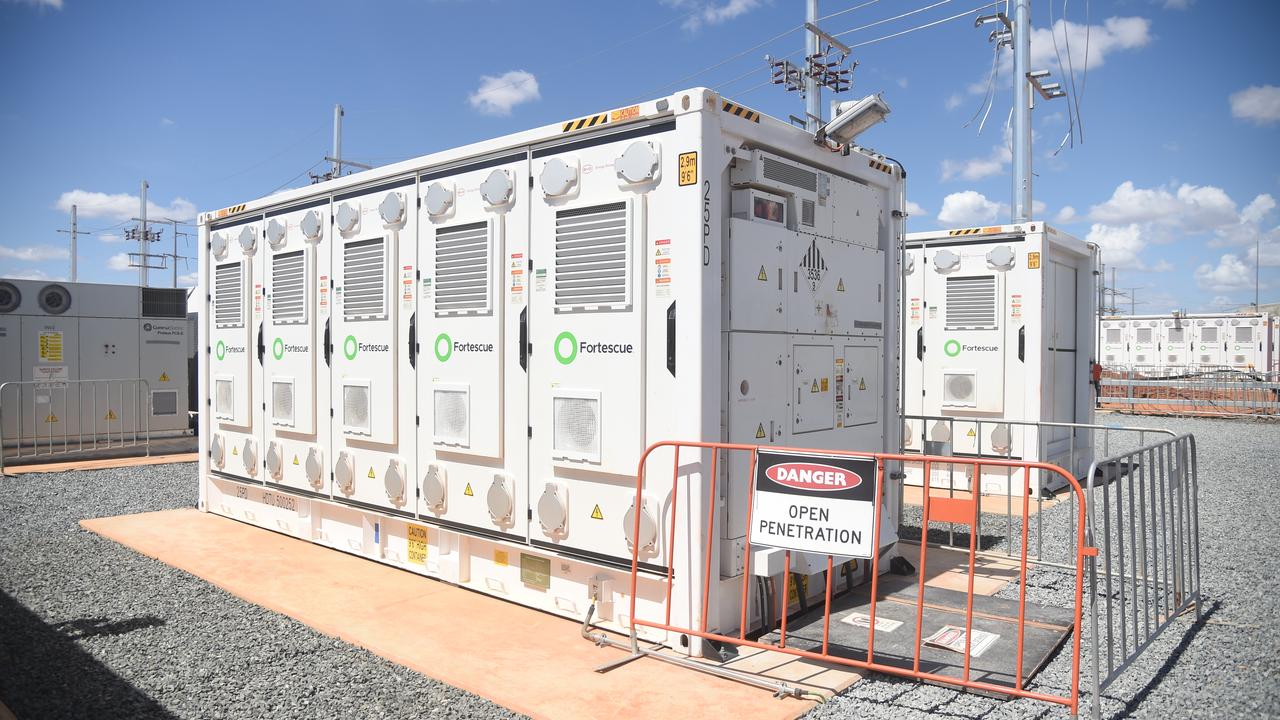
Fortescue is investing in a mix of green energy solutions, including wind, solar, and battery infrastructure. This approach not only reduces carbon emissions but also provides a more stable and cost-effective energy source.
Impact on Australian Businesses
A survey conducted by the Australian Chamber of Commerce and Industry, which included responses from nearly 2,300 businesses, highlights the challenges faced by companies due to rising fuel prices. The survey, conducted between March 24 and April 2, found that 61% of businesses are absorbing higher fuel costs rather than passing them on to consumers.
This has led to cashflow issues for 44% of businesses, with a similar number experiencing reduced consumer spending. As profit margins shrink, 55% of businesses have reported reducing essential spending, while nearly a third have put investment or expansion plans on hold.
Global Market Volatility
World equity markets remain under pressure, with most stock indices, including Australia’s S&P/ASX200, down by up to eight percent from their recent record highs.
David Robertson, chief economist at Bendigo Bank, noted that while a pullback or short bear market was widely anticipated, the extent of the decline depends on how quickly supply chains can normalize. “Its extent appears at the mercy of how quickly supply chains can normalise,” he said.