
Nissan Australia’s Strategic Shift to Survive a Competitive Market
Nissan Australia is making significant changes to its product lineup as it faces intense competition and evolving market conditions. The company has announced that several models, including the Pathfinder SUV and Juke compact SUV, will be removed from showrooms. This decision comes in response to the Albanese Government’s new emissions targets, which have made it increasingly difficult for certain models to meet the required standards.
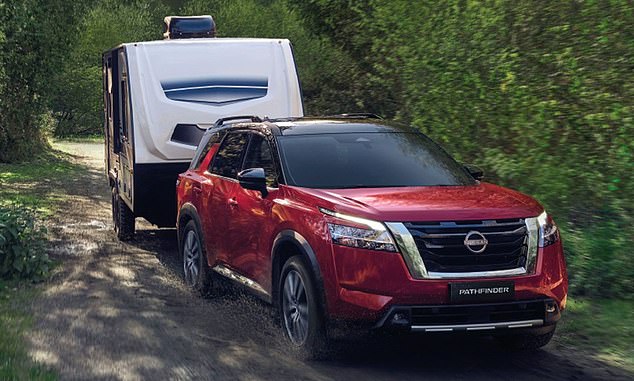
The Nissan Pathfinder, which features a V6 engine, does not comply with the New Vehicle Efficiency Standards (NVES). As a result, Nissan is shifting its focus towards more efficient models, particularly hybrids. Managing director of Nissan Oceania, Andrew Humberstone, highlighted that the only viable way to meet these standards is through hybrid technology, such as the company’s e-Power system, where the petrol engine functions solely as a generator.
Rising Costs and Changing Consumer Preferences
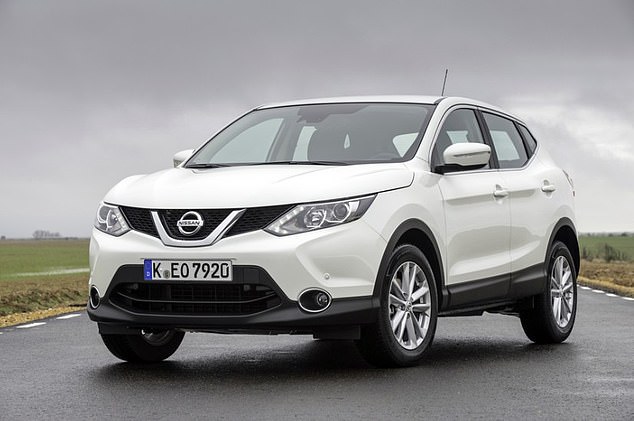
The cost of some Nissan models has also seen a significant increase. For instance, the price of the Qashqai has risen by nearly 60% since 2022, jumping from $28,590 to $45,640. A Nissan spokesperson explained that the decision to discontinue the Juke and Pathfinder is part of a broader portfolio review aimed at aligning the company’s offerings with customer preferences and the tightening NVES framework.
Nissan is introducing more efficient and capable models, such as the new Navara this month and the next-generation Patrol later this year. These models are designed to reduce emissions while maintaining the performance and capability that customers expect.
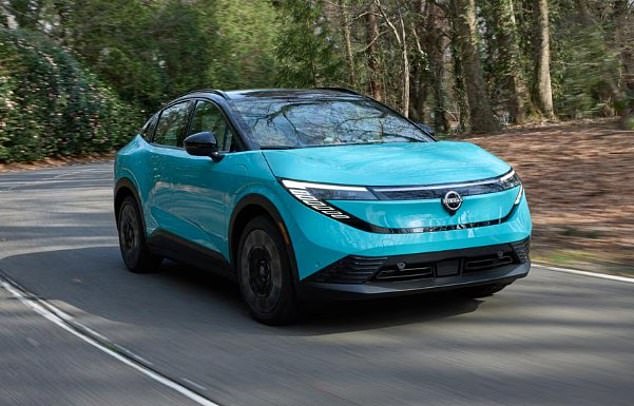
However, not all models are being phased out. The company has indefinitely postponed the next-generation LEAF but continues to expand its electrified lineup. Deliveries for the Pathfinder, Juke, and LEAF fell by 21.6% last year, with an almost 45% drop in the first two months of 2026.

Navigating a Challenging Market
Mr. Humberstone described the changes as a “cleansing process” necessary to secure Nissan’s future in Australia. Despite the challenges, he remains confident in the brand’s longevity. “I don’t doubt the longevity of the brand at all, I really don’t,” he said. “Do we need to be more profitable? Absolutely. So what are we doing? We’re completely restructuring the entire organisation… I think we’ll be in a good place.”
Nissan is also investing in its latest e-Power technology, which is set to launch in the coming weeks. The X-TRAIL line-up will also receive a new e-Power variant later this year. The company plans to announce an all-new model for Australia in the coming months, reinforcing its commitment to long-term competitiveness.
Intensifying Competition and Future Outlook
With up to 30 additional Chinese car brands expected to enter the Australian market in the coming years, competition is set to intensify. This development adds pressure on established brands like Nissan to adapt and innovate.
Despite these challenges, Nissan remains focused on its strategic goals. The company is working to restructure its operations and introduce more efficient models that align with both consumer demands and regulatory requirements. While the road ahead may be tough, Nissan is determined to maintain its presence in the Australian market and remain competitive in the long term.