An orphaned baby mountain lion with an injured foot has been rescued and will be raised at the Oakland Zoo in California. The three-week-old male cub, now named Crimson, was rescued in Southern California last week after his mother abandoned him. Crimson was found alone and “vocalizing frequently,” which is unusual, the Oakland Zoo said in a recent news release.
The National Park Service visited the cub’s den multiple times and monitored him through a GPS collar and cameras. Crimson had lost 10 percent of his body weight after several days, prompting officials from the National Park Service and the California Department of Fish and Wildlife to remove him from the wild for rehabilitation.
Crimson was taken to the Los Angeles Zoo’s veterinary team for an exam, where he was found to be missing the toes on one of his feet. The Fish and Wildlife Department said in its own news release that the cub’s foot could have been injured by umbilical cord strangulation. He was slowly nursed back to health, being bottle-fed multiple times a day, and later transferred to Oakland Zoo’s Veterinary Hospital.
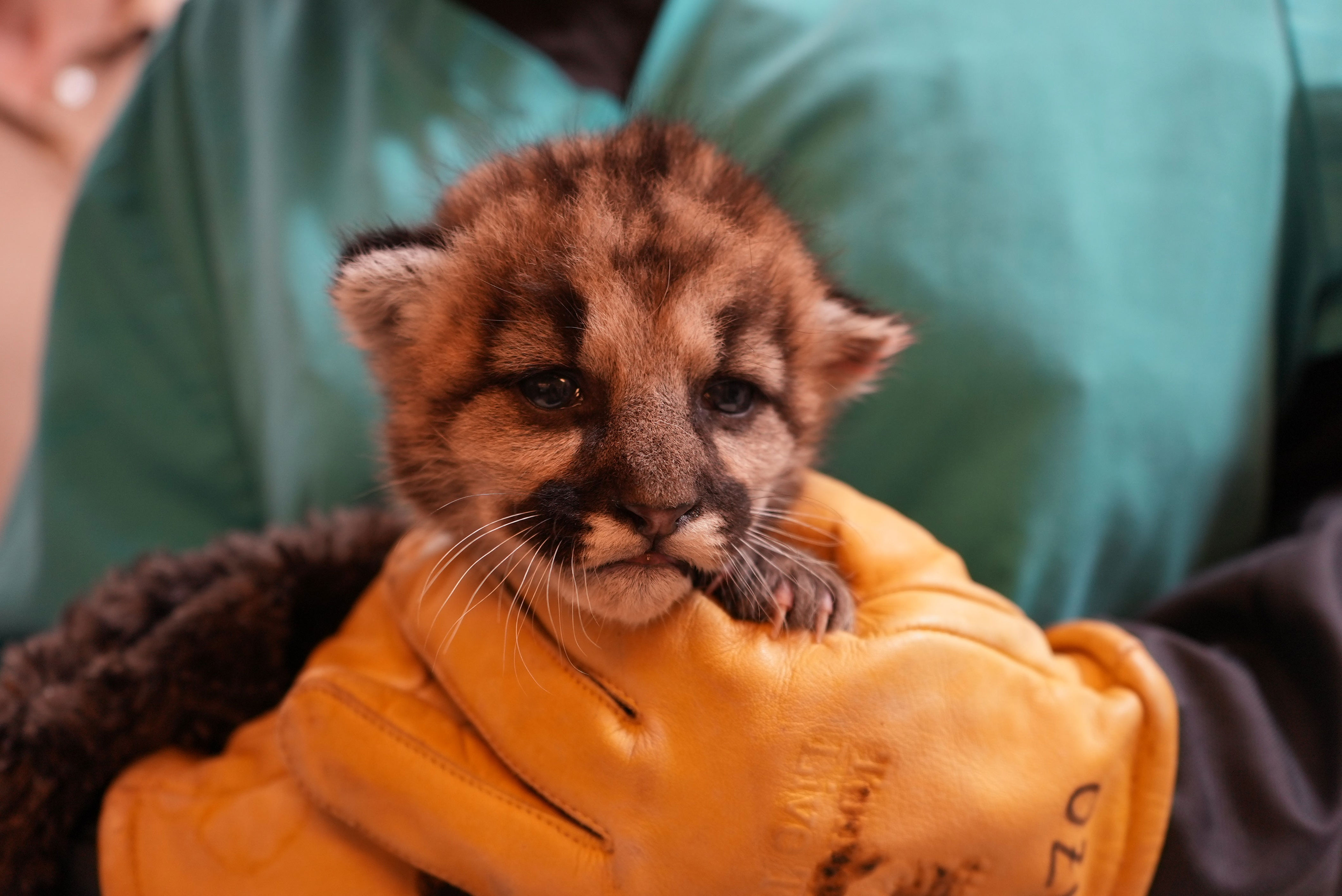
“Zoo Veterinary and Animal Care staff will continue to monitor his foot closely as he grows to ensure he uses the leg properly and it doesn’t cause any complications,” the zoo said. “The zoo is optimistic that Crimson will have a good life regardless of his history.”
It’s unclear why Crimson’s mother abandoned him, but the Oakland Zoo said, “she may have done so because of the kitten’s abnormal hind limb, specifically the missing toes, which could have triggered an instinct in the mother to relocate her other potential kittens and conserve resources by establishing a new den site.”
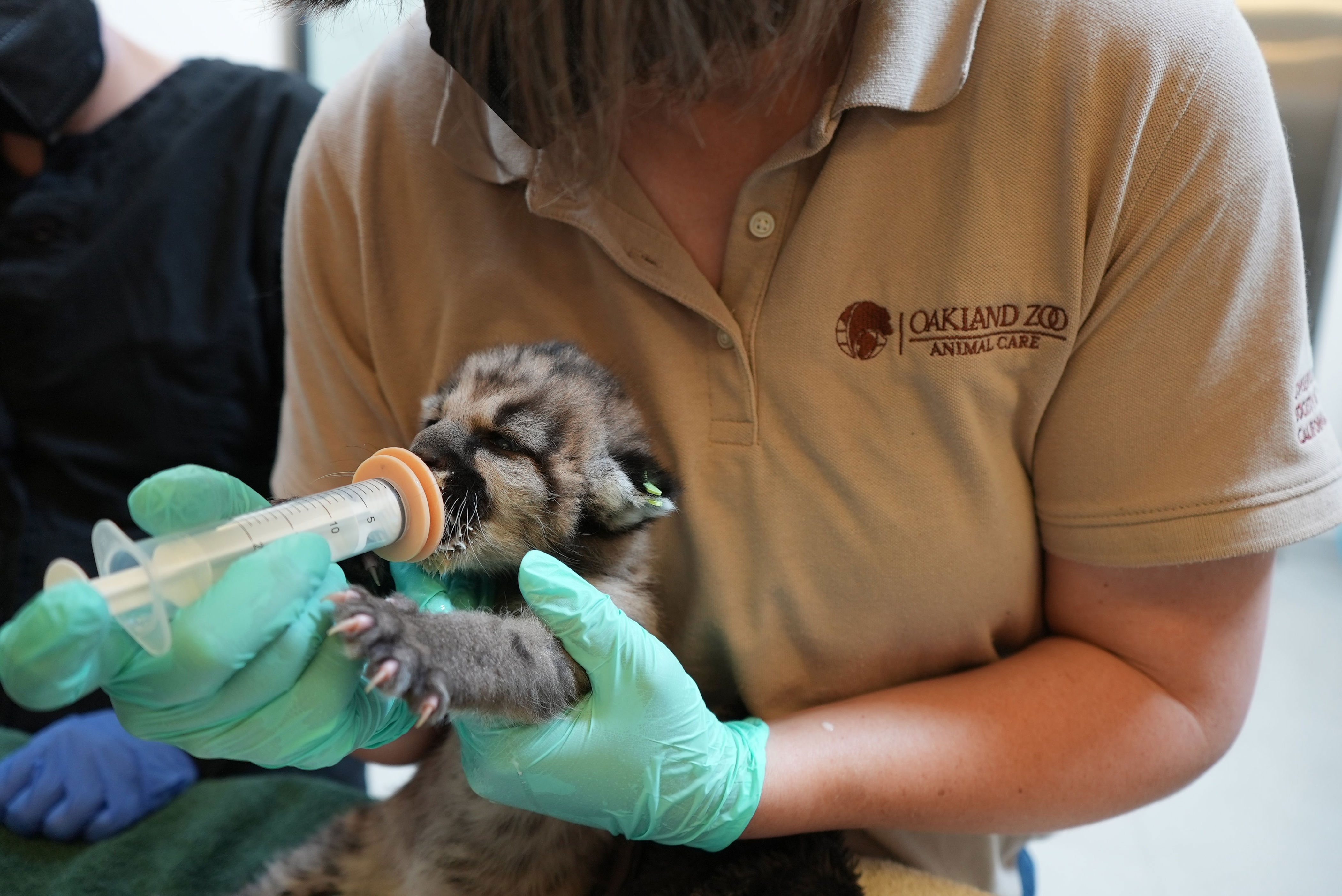
Crimson is now enjoying the around-the-clock care he’s receiving at the Oakland Zoo. He is being bottle-fed every three hours by staff members, who will continue this routine for a few weeks. Cubs need their mother for about a year to a year-and-a-half to learn how to survive in the wild.
“I’ve had the privilege of witnessing countless rescues. There is something so deeply moving about watching our team pour themselves so completely into a single life,” Nik Dehejia, CEO of Oakland Zoo, said in a statement. “Their skill, their sleepless nights, and their quiet determination motivate me.”
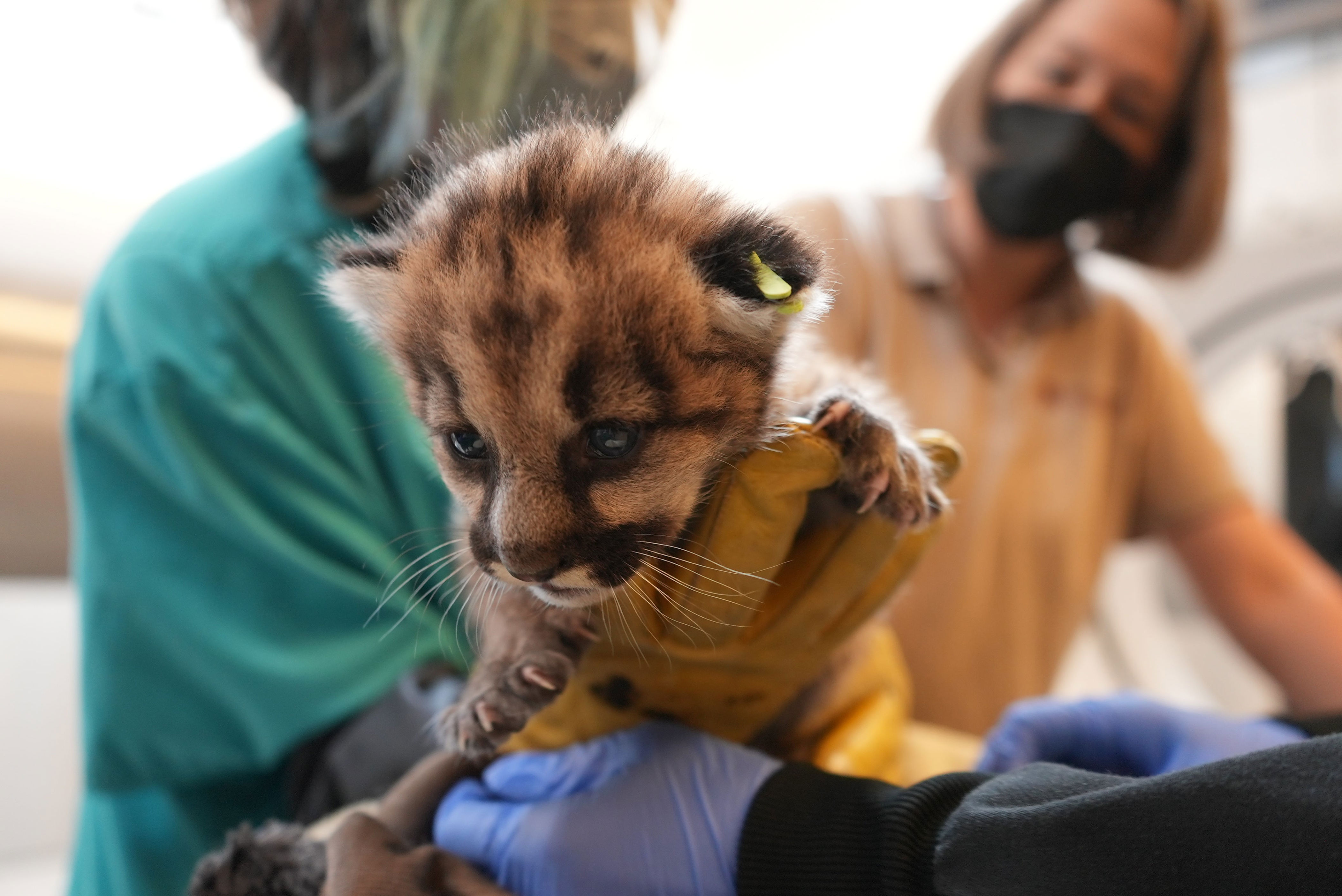
After his rehabilitation at the veterinary hospital, the zoo hopes to introduce Crimson to Clover, a female cub rescued last month who is also on the road to recovery.
“While Oakland Zoo and CDFW prefer these kittens to remain in the wild, the pairing of Clover with Crimson will help improve their overall wellbeing and secure a brighter future for both cubs,” the zoo said.
The story of Crimson highlights the challenges faced by wildlife when they are separated from their mothers. Each case requires careful consideration and expert care to ensure the best possible outcome for the animals involved. The work of conservationists, veterinarians, and animal care teams plays a vital role in these rescue efforts.
Wildlife rehabilitation is not just about saving individual animals—it’s about preserving biodiversity and ensuring that species like mountain lions can thrive in their natural habitats. While some animals are eventually released back into the wild, others may remain in captivity due to injuries or developmental issues. In such cases, the focus shifts to providing them with a safe, enriched environment where they can live comfortably.
For animals like Crimson, the journey from rescue to recovery is long and complex. It involves medical treatment, behavioral enrichment, and ongoing monitoring. The support of dedicated professionals and volunteers is essential in making sure these animals receive the care they need.
The Oakland Zoo’s commitment to wildlife conservation extends beyond individual rescues. They also engage in educational programs, research initiatives, and habitat preservation efforts. These actions contribute to broader conservation goals and help raise awareness about the importance of protecting wildlife and their ecosystems.
As Crimson continues to grow and adapt, his story serves as a reminder of the delicate balance between human intervention and the natural world. It underscores the need for continued efforts in wildlife protection and the importance of supporting institutions that work tirelessly to safeguard vulnerable species.