
Navigating Treacherous Waters: US Claims Rapid Progress on Iran Objectives, Hormuz Strait Looming
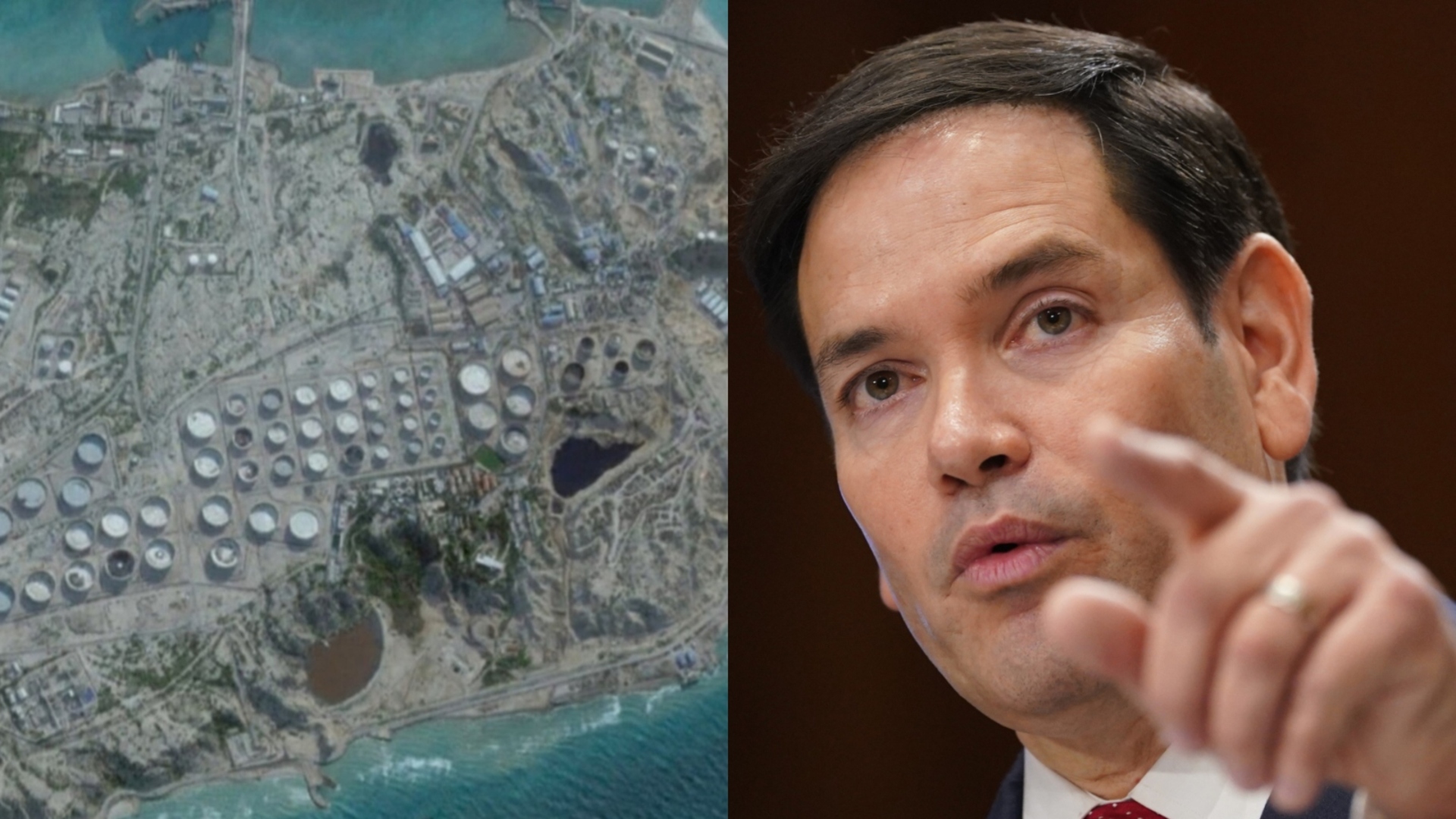
The United States administration, under the leadership of Secretary of State Marco Rubio, asserts it is significantly “ahead of schedule” in dismantling Iran’s military might and curtailing its ballistic missile programs. This aggressive stance suggests a swift and decisive approach, with Mr. Rubio proclaiming that key objectives will be met not in months, but in mere weeks. This accelerated timeline, he indicated, will bring the critical issue of the Strait of Hormuz into sharp focus, placing the onus squarely on Iran to determine its future course of action.
The implications of this rapid advancement are far-reaching, particularly concerning the vital maritime chokepoint. Mr. Rubio issued a stark warning: should Iran attempt to obstruct or close the Strait of Hormuz, a waterway through which a significant portion of global oil supply transits, it will face “real consequences.” This direct threat underscores the gravity with which the US views any potential disruption to international shipping and energy markets.
The strategic objectives articulated by the Trump administration appear to encompass a multi-pronged assault on Iran’s military capabilities. This includes not only the degradation of its conventional armed forces but also a concerted effort to neutralize its capacity to develop and deploy advanced missile systems. The emphasis on “destruction of its military” paints a picture of a comprehensive campaign aimed at fundamentally weakening Iran’s defence infrastructure.
The Strait of Hormuz: A Global Flashpoint
The Strait of Hormuz, a narrow waterway connecting the Persian Gulf to the Gulf of Oman, is of paramount importance to the global economy. Approximately 30% of the world’s seaborne oil trade passes through this strategic passage daily. Any disruption, whether intentional or accidental, could trigger severe price spikes in oil markets and lead to widespread economic instability.
“We will achieve them in weeks, not months, and then we’ll be confronted with this issue of Strait of Hormuz, and it will be up to Iran to decide,” Mr Rubio stated, highlighting the administration’s confidence in its accelerated timeline. This statement suggests a deliberate strategy of applying maximum pressure in a compressed timeframe, aiming to force a decisive Iranian response or capitulation. The administration’s rhetoric implies a belief that Iran, facing overwhelming military setbacks, will be less inclined or able to challenge the United States’ dominance in the region.
Consequences of Escalation
The “real consequences” alluded to by Mr. Rubio remain deliberately vague, but in the context of international relations and military posturing, they can be interpreted in several ways. This could range from further economic sanctions, designed to cripple Iran’s economy and limit its ability to fund its military operations, to more direct military actions. Given the administration’s stated objective of destroying Iran’s military, a kinetic response to any perceived threat to the Strait of Hormuz cannot be ruled out.
The geopolitical ramifications of such a scenario are immense. A conflict in the Strait of Hormuz would inevitably draw in regional and international powers, potentially escalating into a wider regional war. The stability of the Middle East, a region already grappling with numerous conflicts and tensions, would be severely jeopardised. Furthermore, the global energy market would experience unprecedented volatility, impacting economies worldwide.
The administration’s aggressive posture, coupled with the accelerated timeline, suggests a high-stakes gamble. The success of this strategy hinges on Iran’s reaction and the international community’s response. While the US appears confident in its ability to achieve its immediate objectives, the long-term implications of such a confrontational approach remain a significant concern for global stability. The coming weeks will undoubtedly be a critical period, determining whether Iran chooses a path of de-escalation or defiance, with the fate of the Strait of Hormuz hanging precariously in the balance.


