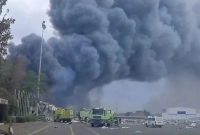
Iran Reels from Devastating Oil Facility Strikes: Black Rain and Toxic Air Grip Tehran
Apocalyptic scenes have unfolded across Iran following a series of devastating strikes targeting the nation’s vital oil facilities over the weekend. The attacks, attributed to Israel, have plunged the capital city of Tehran into a state of environmental crisis, with thick, oily black clouds now blanketing the urban landscape.
The immediate aftermath of the strikes, which reportedly occurred on Saturday, saw the city suffocated by a noxious pall. What followed was even more alarming: a phenomenon of black, oil-saturated rainwater began to inundate Tehran, transforming streets and public spaces into a slick, toxic mire. The air quality has deteriorated dramatically, rendering the environment hazardous for its inhabitants.
The severity of the situation was underscored by a statement from the Iranian Red Crescent, a prominent humanitarian organisation. According to their assessment, the explosions at the oil facilities have released “significant quantities of toxic hydrocarbon compounds, sulphur, and nitrogen oxides” into the atmosphere. This alarming release of pollutants has created a dangerous cocktail of airborne contaminants.
The humanitarian group further elaborated on the perilous implications of the fallout, particularly in the event of precipitation. Their report warned that “In the event of precipitation, the resulting rain is extremely dangerous and highly acidic.” This means that any rainfall in the affected areas is no longer a benign natural occurrence but a hazardous chemical event, posing severe risks to public health and the environment.
The long-term consequences of such a widespread environmental contamination are a significant concern. The oily residue coating the city suggests a substantial release of crude oil and its associated byproducts. This contamination can infiltrate water sources, damage infrastructure, and have lasting impacts on the local ecosystem. The acidic nature of the rain further exacerbates the problem, potentially leading to corrosion of buildings and damage to vegetation.
Environmental Impact and Health Concerns:
The toxic compounds identified by the Red Crescent are known to have severe health implications. Exposure to hydrocarbon compounds can cause respiratory problems, skin irritation, and neurological issues. Sulphur and nitrogen oxides are major contributors to acid rain and can aggravate existing respiratory conditions like asthma and bronchitis. The combination of these pollutants creates a particularly dangerous atmosphere for residents.
- Respiratory Distress: Inhalation of toxic fumes and particulate matter can lead to immediate breathing difficulties, coughing, and wheezing. Long-term exposure may contribute to chronic respiratory illnesses.
- Skin and Eye Irritation: Direct contact with the oily residue and acidic rain can cause severe irritation to the skin and eyes.
- Water Contamination: The oil slick on surfaces poses a risk of contaminating local water tables and rivers, impacting both human and animal life.
- Soil Degradation: The oily and acidic nature of the precipitation can degrade soil quality, affecting agricultural productivity in surrounding areas.
The immediate focus for authorities will undoubtedly be on mitigating the immediate health risks to the population. This will likely involve public health advisories, potentially urging residents to remain indoors, and efforts to clean up the oily residue from public spaces. However, the scale of the contamination suggests that these clean-up operations will be extensive and challenging.
The incident also raises significant questions about the security of critical infrastructure and the potential for widespread environmental damage in the region. The long-term ecological recovery of Tehran and its surrounding areas could be a protracted and costly process. The international community will be watching closely as Iran grapples with the aftermath of these devastating strikes and the ensuing environmental crisis. The immediate future for the citizens of Tehran is one of navigating an environment profoundly altered by pollution, with the lingering threat of toxic rain and contaminated air. The resilience and response of the Iranian authorities and its people will be crucial in the coming weeks and months as they work to address this unprecedented environmental disaster. The economic implications, beyond the immediate damage to oil facilities, will also be a significant factor, impacting trade and resource availability for the nation.