

The Changing Dynamics of Communication
In today’s digital age, the way we communicate is evolving rapidly. A recent conversation between a Boomer and a Gen Z individual highlights this shift. The Boomer suggests watching an episode of MasterChef together, while the Gen Z person responds with a polite but clear refusal. This exchange reflects a broader trend in how younger generations approach social interactions.
The Gen Z individual mentions they don’t have the “capacity for TV,” implying that they prefer low-stimulation activities to regulate their emotions. This sentiment is echoed by many who find traditional forms of entertainment overwhelming. Instead, they seek ways to connect without the pressure of face-to-face interaction.
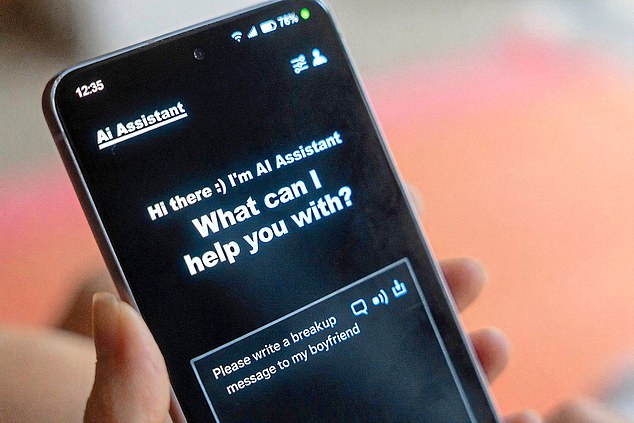
This preference for low-stimulation environments has led to a rise in the use of artificial intelligence (AI) for communication. According to reports, almost 50% of Gen Z individuals use AI tools like ChatGPT to help craft difficult messages. This practice, known as emotional outsourcing, allows users to offload the stress of tough conversations onto an algorithm.
But what does this mean for our social skills? Some argue that relying on AI to communicate diminishes our ability to engage in meaningful dialogue. However, others see it as a practical solution to the challenges of modern communication.

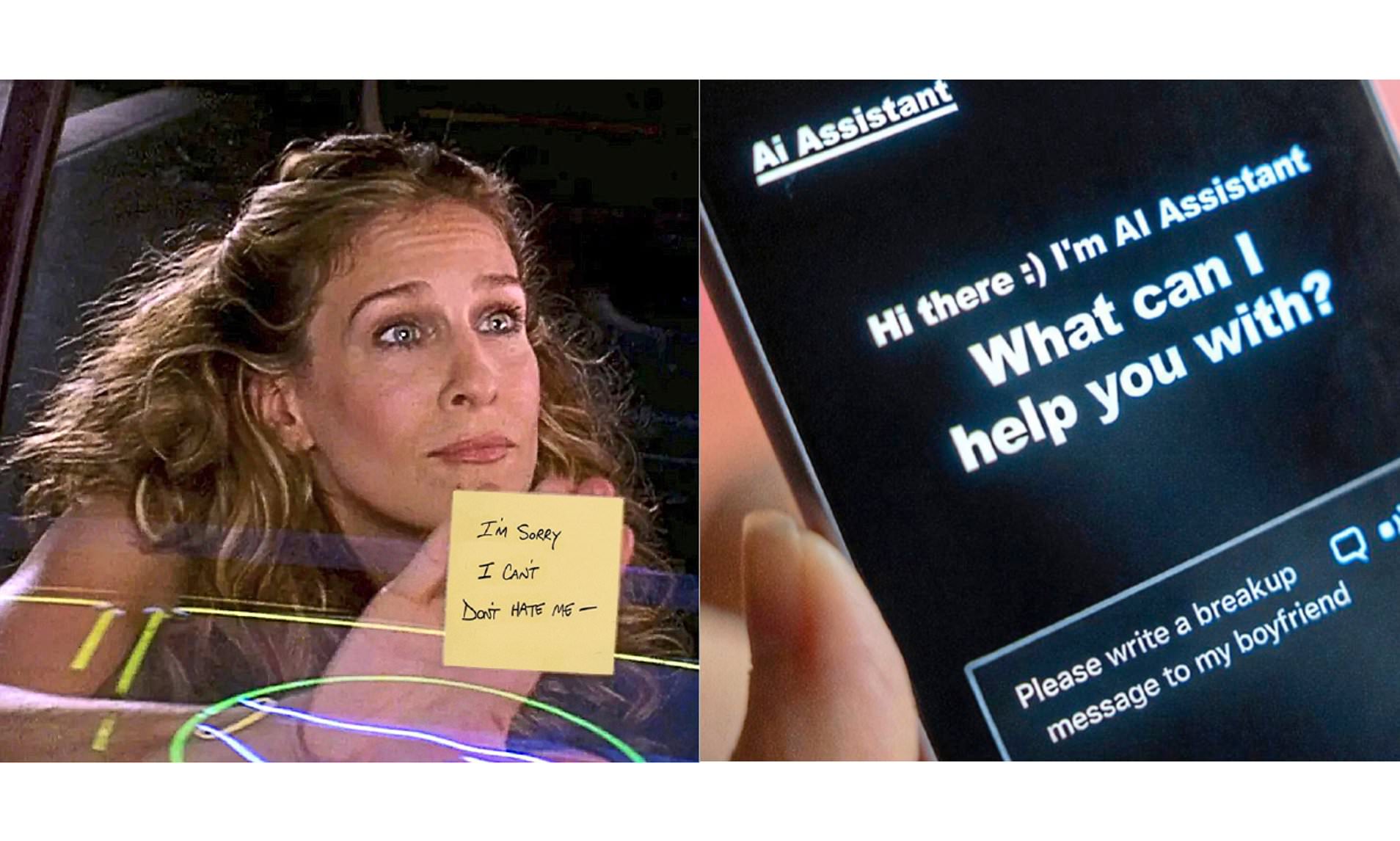
One example of this trend is the use of AI in breakups. A survey by the dating app Wingmate found that 41% of young adults have used AI to write breakup messages. While some may find this approach cold, it can provide a structured and respectful way to end a relationship.
For instance, a Yale student used ChatGPT to reject a girl his friends set him up with. The resulting message was six paragraphs long and filled with carefully crafted phrases. While some might argue that this approach lacks personal touch, it can also be seen as a more thoughtful alternative to a blunt rejection.
However, not everyone is convinced. Critics argue that using AI for such messages removes the authenticity of human connection. They suggest that face-to-face interactions, even if uncomfortable, are essential for building strong relationships.
Despite these concerns, the use of AI in communication continues to grow. Some individuals use it for conflict resolution, uploading disagreements with their partners to receive guidance from the algorithm. While this may seem unconventional, it highlights the increasing role of technology in our personal lives.
Moreover, AI is being used as a form of emotional support during difficult times. One TikTok video with 30,000 likes claims that now is the best time to go through a breakup because you have an AI assistant available 24/7. This perspective reflects a growing belief that technology can offer comfort and guidance in moments of distress.
While some may view this reliance on AI as a sign of emotional detachment, others see it as a positive development. It allows individuals to express themselves in ways that feel safe and manageable, especially in an increasingly fast-paced world.
Ultimately, the debate over AI’s role in communication is ongoing. As technology continues to evolve, so too will our approaches to connecting with one another. Whether we embrace or resist this change, one thing is clear: the way we interact is changing, and we must adapt to these new realities.