A Global Food Crisis on the Horizon
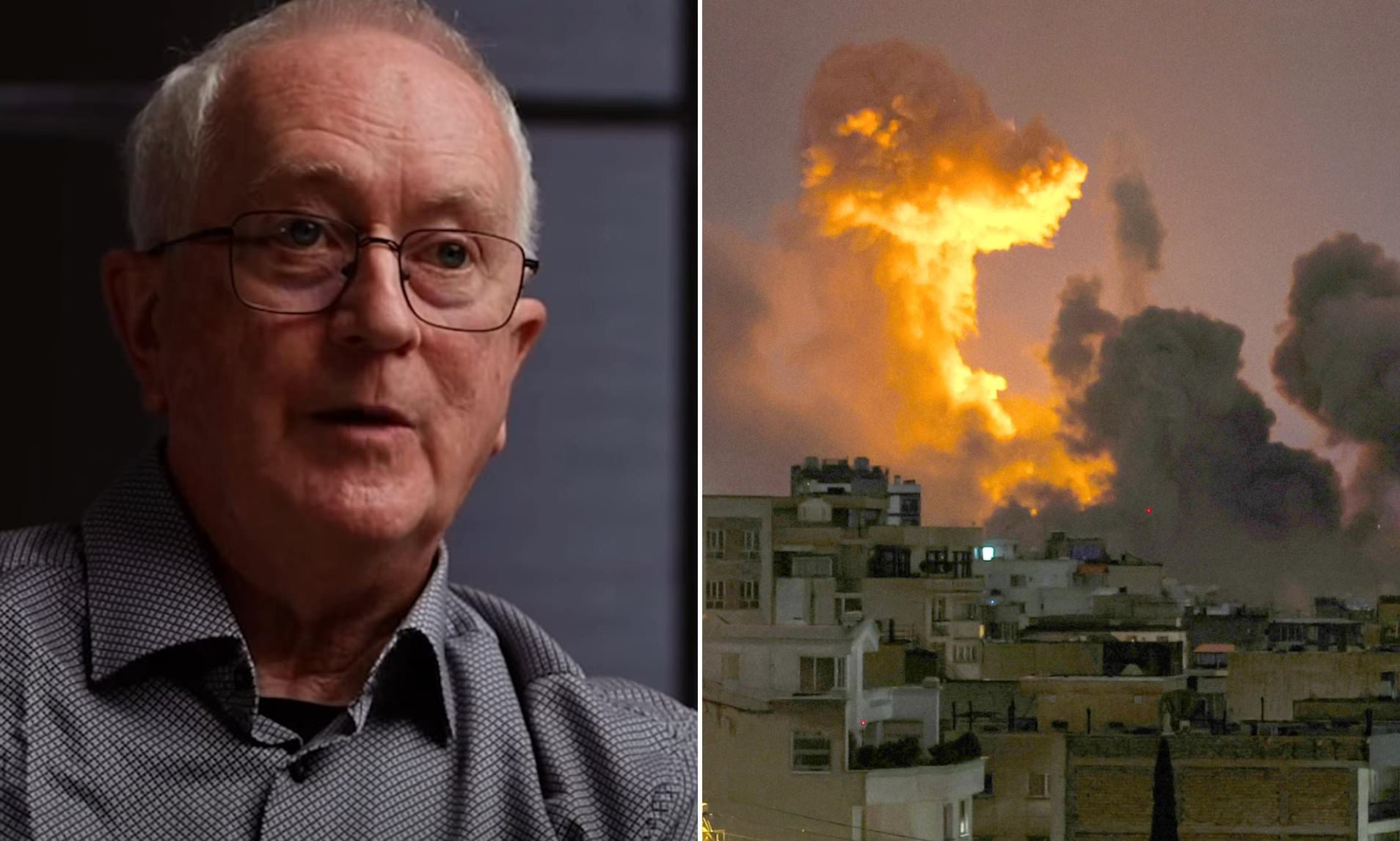
A leading Australian economist has raised a serious alarm about the potential for a global food crisis if disruptions to fertiliser supplies through the Strait of Hormuz continue. Steve Keen, known for predicting the 2008 financial crash, warned that the Earth could only support one to two billion people without synthetic fertilisers, which are essential for modern agriculture.
Keen highlighted that the Strait of Hormuz is a critical route for global trade in key fertiliser inputs such as ammonia, sulphur, and natural gas. These materials are vital for producing fertilisers, which in turn are necessary for maintaining current levels of food production. If shipping through this region is disrupted, it could lead to stalled fertiliser production, reduced crop yields, and a significant drop in global food supply, increasing the risk of widespread famine.
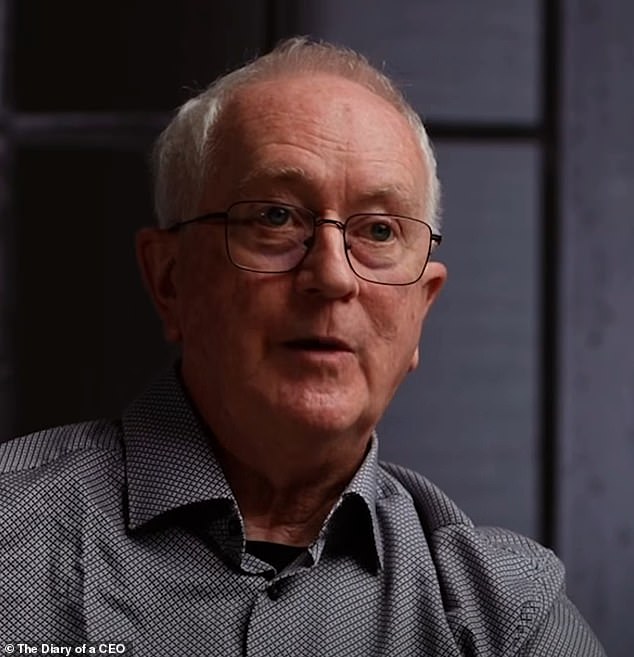
“Fertiliser is an essential part of growing all the food we eat,” Keen said on The Diary of a CEO Podcast. “Twenty to 30 per cent of our fertiliser comes through that region. If we lost 20 per cent of the world’s fertiliser, we’d lose roughly 20 per cent of the world’s food, and it would cause a global famine.”

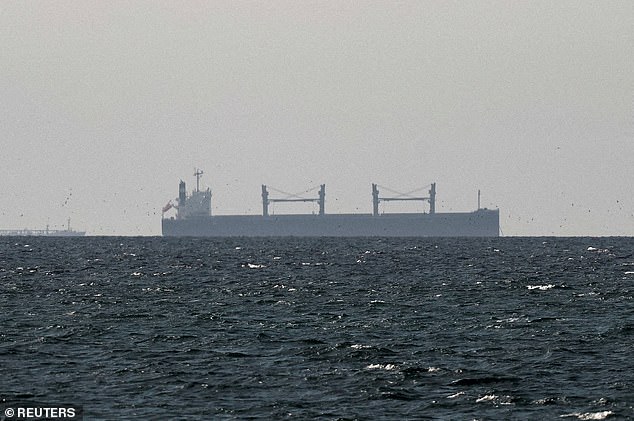
Unlike past famines that were typically confined to specific regions, a disruption of this scale would affect the entire globe, with multiple countries facing shortages simultaneously. Keen warned that unless the conflict ends immediately, a global famine could begin within two months, with India likely to be the first country to run out of fertiliser and experience famine.
“We’ve never had this experience before,” he said. “Food production on the planet could fall 10-25 per cent and there simply won’t be enough food for everyone on the planet. Then it’s a question of who’s going to starve.”
Keen also cautioned that wealthy nations should not assume they are immune to the crisis. Using Australia as an example, he pointed out that the country holds only about 30 days’ worth of oil supplies, meaning once fuel runs out, food can no longer be transported from farms to cities.
“Australia is incredibly vulnerable. We’re all far more vulnerable than we realise, and this war is threatening everybody on the planet,” he said. “People can talk about a war in Iraq and think, oh, that’s a war in Iran, and that’s going to cut off our oil supply. No, it’s going to cut off your food supply.”
Australia sources about two-thirds of its fertiliser and urea from Middle Eastern suppliers, primarily Saudi Arabia, Qatar, and the United Arab Emirates. However, Indonesia, a major player in the global fertiliser market, has committed to continuing supplies to Australia.
Indonesia relies heavily on wheat and meat from Australia, which is also a key sugar supplier to the country. Despite this, Indonesia has only about 1.5 million to 2 million tonnes of fertiliser and urea available for export, while Australia consumed 8.7 million tonnes of fertiliser in 2024.
Rahmad Pribadi, the head of Indonesia’s state-owned fertiliser producer Pupuk Indonesia, confirmed that exports to Australia would continue. “Food security is a shared responsibility because of our intertwined and interconnected value chain,” Mr Pribadi said. “It is in Indonesia’s interests for Australia to remain a strong agricultural producer and exporter because Indonesia is also dependent on Australia for certain commodities. We are very connected.”
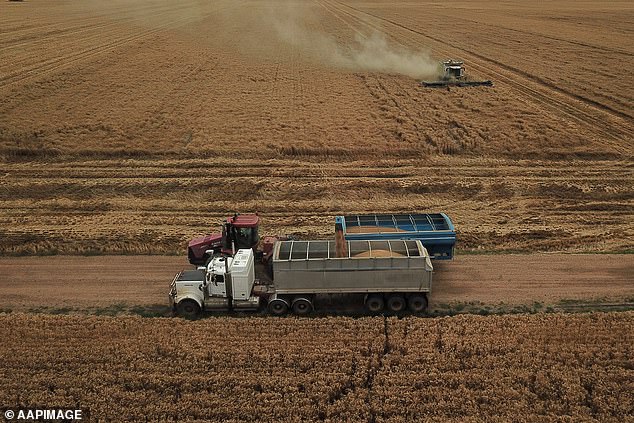
Farmers have warned that Australia’s food production could be slashed as they battle soaring fuel and fertiliser costs. National Farmers’ Federation president Hamish McIntyre said last month: “We believe we have enough urea on ships and in Australia to secure this winter crop. What we don’t have is enough to apply in-crop and get set up for summer crops.”
The World Food Program estimates the Iran conflict could potentially push 45 million additional people into acute hunger by mid-2026, with as many as 343 million people already facing acute levels of food insecurity. Corinne Fleischer, WFP director of supply chain, said in many parts of the world, vulnerable families may soon find they are only able to afford little or no food.
Keen suggested that Australians could insulate themselves against some of the downstream consequences by becoming more self-sufficient. “Even if it costs you more to build solar, you’ve got to build solar as your own alternative energy system. Because without energy, there’s no civilisation,” he said. “If you have some degree of self-sufficiency, you can survive.”