
Asian refineries that supply the majority of Australia’s petrol and diesel are paying as much as $140 per barrel for readily available crude oil cargoes, which is significantly higher than the around $100 per barrel for months-ahead deliveries. This indicates a worsening supply crunch in the market, according to experts.
As the last tankers to clear the Strait of Hormuz before the start of the US-Israel war on Iran begin arriving at their destinations this week, soaring premiums for oil that is ready to ship are threatening to increase fuel costs and deepen concerns that the price shock may persist for longer.
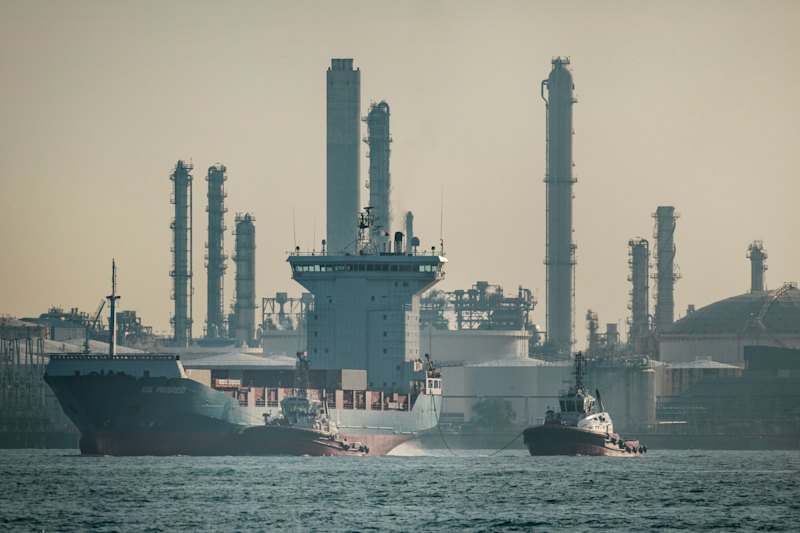
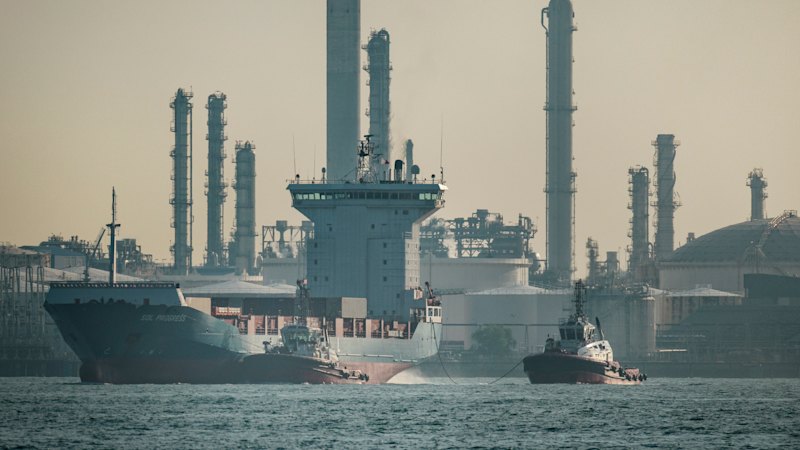
The sense of urgency is highlighted by an “unprecedented” mismatch between contracts for future oil deliveries and available near-term cargoes, according to energy analysts. Futures contracts, which reflect what investors believe a barrel of oil will cost months from now, have remained around $100 for Brent oil, the global crude benchmark. However, the spot price, which reflects the cost of buying physical oil scheduled for shipment within the next one to 30 days, has reached recent highs above $140 ($197) per barrel.
This large divergence is unusual, said Martijn Rats, an analyst at Morgan Stanley. The spread between the two markers was typically no more than $3 per barrel, and was “not something most market participants need to worry much about,” he explained.
“At the moment, the market is scrambling for prompt, refinery-usable barrels, and stress is appearing first in the part of the benchmark that is closest to the immediate physical problem,” he added.
Surging premiums for near-term crude supplies raise concerns for Australia, which relies on Asian imports for 80% of its fuel needs. Australia’s two remaining domestic oil refineries—Viva Energy’s Geelong refinery and Ampol’s Lytton plant in Brisbane—also need to continue searching globally for extra oil to refine into petrol, diesel, and jet fuel, and could face higher costs.
After US-Iran peace talks failed to reach a deal and dashed short-lived hopes that oil flows might return to normal, Commonwealth Bank analyst Vivek Dhar stated that the surge in spot prices highlights the “significant stress” in oil markets due to ongoing shipping disruptions in the Strait of Hormuz, a vital thoroughfare that usually carries one-fifth of world oil tankers.
He noted that Brent futures were at risk of rising towards physical prices in the coming weeks, while the United States’ plan to blockade Iranian ports could worsen matters by choking off Iran’s oil exports, which accounted for approximately 1.6% of global oil supply.
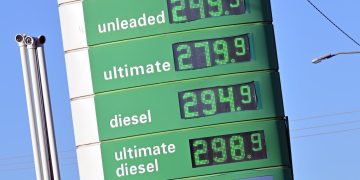
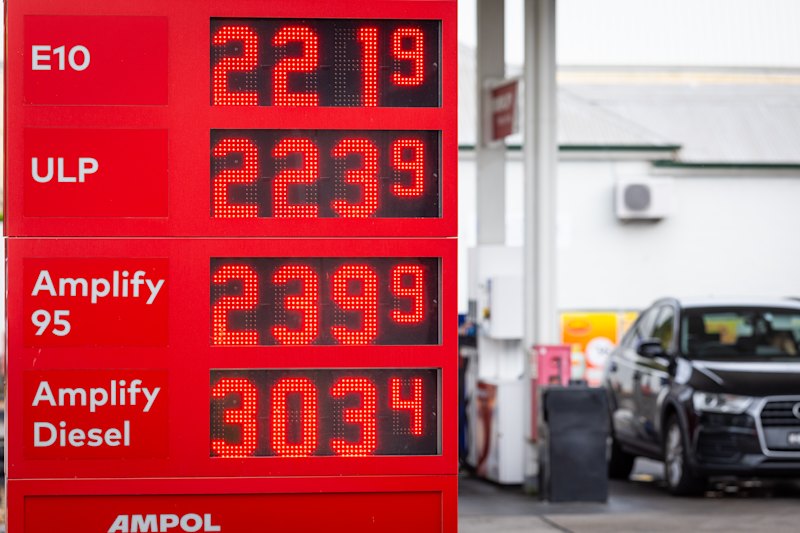
Fuel prices in Australia fluctuate in line with crude oil markets, typically with a lag of seven to 10 days. At service stations across the country, regular unleaded was selling for an average of $2.24 per litre last week, according to the Australian Institute of Petroleum. That is down nearly 30 cents per litre from the start of this month following the government’s halving of the fuel excise, but remains 30% higher than before the war began on February 28.
While Australian fuel companies warn of “upward pressure” on international prices, the Singapore unleaded benchmark, Mogas 95, has been hovering in a narrow band between $120 and $140 per barrel for some time. This price stability may partly be due to higher prices forcing some customers to consume less fuel across the region, said Malcolm Roberts, chief executive of the Australian Institute of Petroleum, which represents Ampol, BP, Mobil, and Viva Energy.
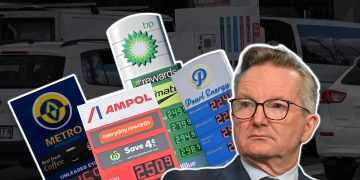
Last week, the Albanese government announced a deal with Australian fuel importers to participate in an underwriting scheme designed to encourage them to buy all the fuel they could on global spot markets. Under the deal, taxpayers would guarantee their losses if they bought expensive cargoes and then faced price falls. The government said it would seek deals that delivered value for money to taxpayers, but stressed that its top priority was ensuring security of supply, rather than the lowest prices.
“This arrangement will enable the companies to make a purchase that would have been non-commercial and to go out and buy that fuel for Australians,” Energy Minister Chris Bowen said.