Economic Warnings Over Potential Recession in Australia
Economists have issued a warning that Australia could be heading towards a recession if the conflict in the Middle East escalates and impacts the Strait of Hormuz beyond mid-2026. The situation has taken a dramatic turn as the battle for control over this critical waterway intensifies, raising concerns about the global economic outlook.
If a peace agreement is reached by the end of June, Australia’s economic growth is still expected to be significantly reduced, with growth projected to fall to 0.7 per cent. This would lead to an increase in unemployment, surpassing five per cent for the first time since 2021, according to Deloitte’s analysis conducted for the Australian Financial Review.
The potential for a prolonged conflict is causing significant concern among economists. If the situation continues past mid-year, unemployment could rise above six per cent, pushing Australia into its first recession since the pandemic.
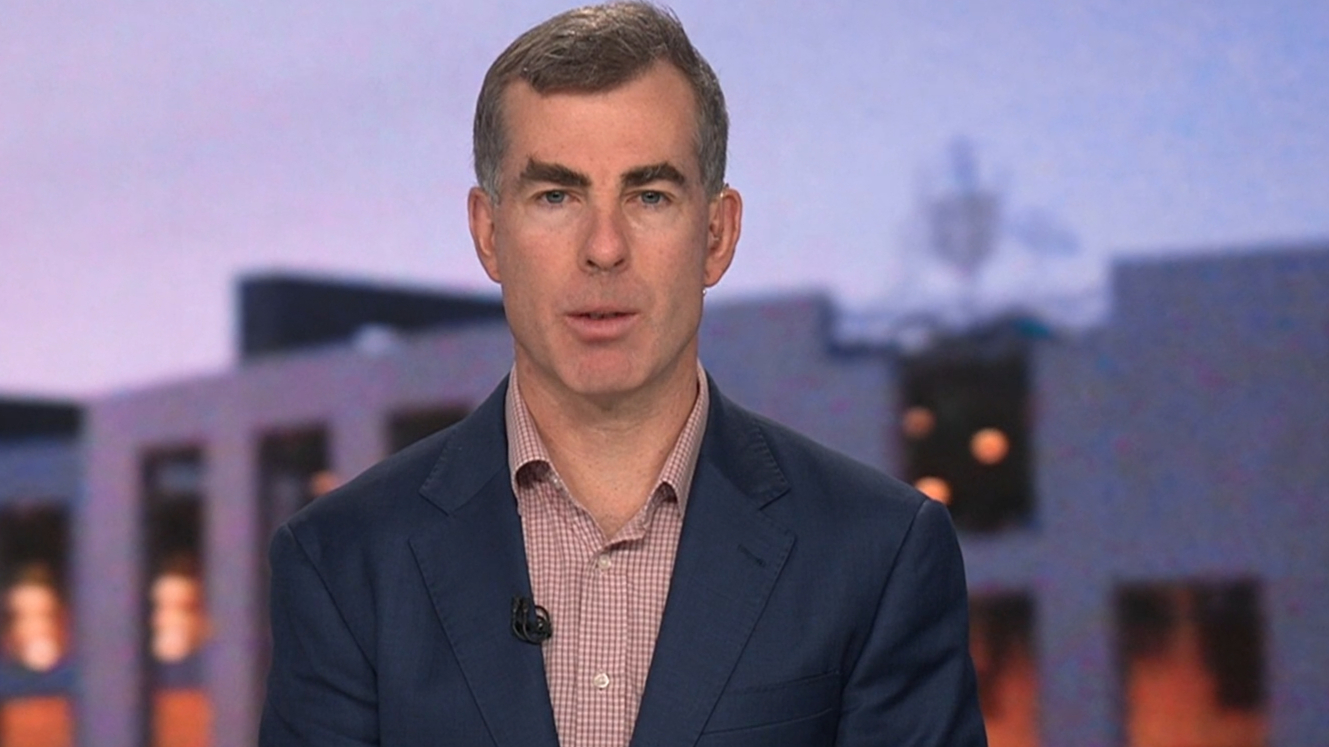
John Kehoe, the Economic Editor of the Australian Financial Review, emphasized that the longer the conflict persists, the more severe the economic consequences for Australia will be. He highlighted that the Strait of Hormuz must open up and oil flows must resume to avoid a recession.
“The longer this conflict drags on, the worse it looks, including for Australia,” Kehoe stated. “If it drags onto mid-year, the Strait of Hormuz doesn’t get open and the oil doesn’t start flowing through, there is a real possibility of a recession in Australia.”
Kehoe pointed out that the situation is becoming more likely as US President Donald Trump struggles to resolve Iran’s blockade of the strategic waterway. He warned that each passing week without commercial vessels accessing the Strait increases the risk of a recession in Australia.
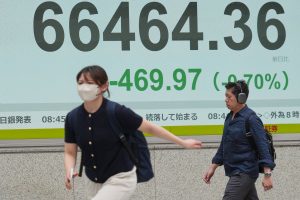
A prolonged war would not only affect Australia but also have far-reaching implications for the global economy. It could lead to increased inflation and job losses, further complicating the economic landscape.
Key Concerns and Projections
- Economic Growth: Even if a peace deal is reached by June, Australia’s economic growth is expected to drop to 0.7 per cent.
- Unemployment: Unemployment rates could rise to over five per cent, marking the highest level since 2021.
- Recession Risk: If the conflict extends beyond mid-2026, unemployment could reach six per cent, increasing the likelihood of a recession.
- Global Impact: A prolonged conflict would negatively affect the global economy, with ripple effects on local job markets and inflation data.
Responses from Officials
Despite the warnings, Treasurer Jim Chalmers has dismissed any suggestion of a recession, stating that the Australian economy is currently weathering the Middle East fallout “from a position of relative strength.” However, the Reserve Bank of Australia (RBA) has indicated that a domestic recession might be necessary to curb inflation.
“We don’t want to have a recession, but if it’s hard to get inflation down, then we’re going to have to deal with that, possibly,” RBA Governor Michele Bullock said.
Chalmers acknowledged that the effects of the crisis will be felt for a long time. He added that the government is considering these factors while preparing the budget.
Ongoing Monitoring and Preparedness
As the situation in the Middle East continues to evolve, the Australian government and economic experts are closely monitoring developments. The key factor remains the status of the Strait of Hormuz and whether commercial vessels can access it without disruption.
“Becoming more plausible because we’re not seeing a lot of good news coming out of the Middle East,” Kehoe added. “We’d want to see something in terms of the Strait of Hormuz opening within the next few weeks. If it drags on much beyond that, you’d have to say the economic outcomes in Australia are not going to be good.”
With the potential for a recession looming, the focus remains on finding a swift resolution to the conflict and ensuring the stability of global trade routes.