Australia’s Approach to Energy Security Amid Global Volatility
Australia has managed to maintain stable international fuel supplies, but the government is actively exploring all possible options to strengthen its energy reserves. This includes increasing oil and gas extraction, as well as promoting renewable energy and electrification.
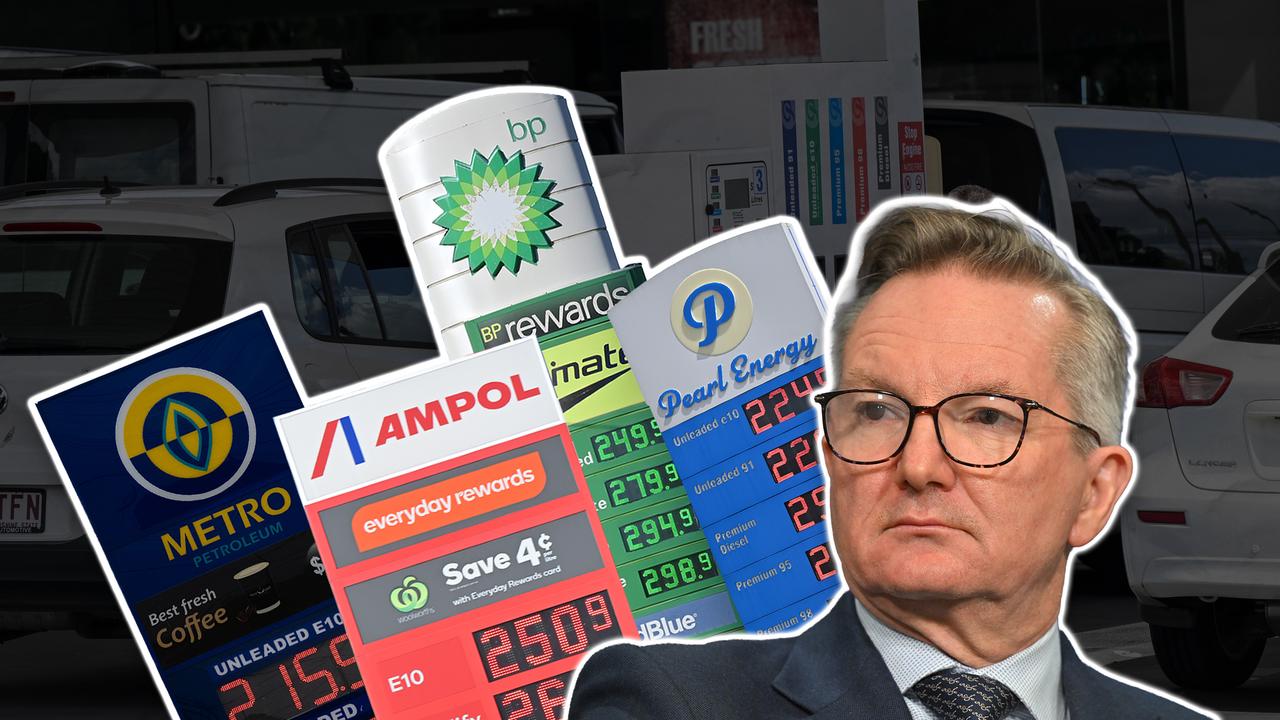
Energy Minister Chris Bowen recently provided an update on the nation’s energy security, stating that 57 ships carrying crude oil, jet fuel, diesel, and petrol were en route to Australia—this number is typical for this time of year. He highlighted that Australia’s fuel stockpiles remained at 38 days for petrol, 28 days for jet fuel, and 31 days for diesel, with little change since the start of the conflict.
However, the government is not resting on its laurels. It is considering various strategies to ensure a more resilient energy supply, including expanding fossil fuel extraction and investing in renewable sources. Prime Minister Anthony Albanese is set to meet with several Asian neighbors to bolster fuel stocks, emphasizing the importance of maintaining a steady flow of essential resources.

This approach includes a focus on electrification and renewable energy, alongside measures for storage and extraction. While these initiatives are seen as medium-to-long-term priorities, the government remains committed to enhancing energy resilience through multiple avenues.
In addition to these efforts, the government launched a $20 million advertising campaign encouraging drivers to reduce fuel consumption by altering driving habits or using alternative transportation. This initiative comes amid global oil supply volatility caused by events in the Middle East.

Despite this, many Australians, including Mr. Bowen, do not feel the need to change their driving habits, as electric vehicle (EV) ownership continues to rise. According to analysis by the exchange-traded fund platform Global X, an average EV driver could be up to $10,750 better off than a petrol or diesel driver over a typical 10-year period.
The ongoing conflict in Iran is seen as a key factor in accelerating mainstream EV adoption in Australia and globally. Justin Lin, an investment strategist at Global X, noted that further growth in this trend would depend on stronger policy support, such as expanded charging infrastructure and targeted incentives.
The increase in EV ownership has also sparked discussions about implementing a road-user charge to address the shortfall in fuel excise revenue. Mr. Bowen mentioned that conversations within the government about this are ongoing, but it is crucial to get the model right.

When asked if the right model would involve a lower tax rate for EVs to encourage adoption, Mr. Bowen emphasized the importance of maintaining strong take-up for electric vehicles. He suggested that getting the model right should continue to incentivize EV ownership.
Curtin University sustainability expert Peter Newman supports this view, calling it a “no-brainer” for Australia to accelerate the transition to electrified transport. He criticized a Western Australian government plan to develop a state-based diesel stockpile, labeling it a “desperately stupid” move. Newman pointed out that accessing additional diesel and petrol on the global market would be both expensive and challenging.
Prime Minister Albanese is set to embark on a four-day trip to Brunei and Malaysia to meet with the leaders of these nations. The visit aims to secure the continued flow of petrol and diesel, as both countries play significant roles in Australia’s fuel-supply chains. This trip follows a recent visit to Singapore, another vital fuel exporter.
The prime minister highlighted the importance of these talks, noting that Brunei supplies about nine per cent of Australia’s diesel, while Malaysia is the third-largest fuel supplier. These discussions are critical for ensuring a stable and reliable fuel supply for the nation.