Rising Fuel Costs and Their Impact on Everyday Life
Concerned motorists have been rushing to fill up their tanks as fuel prices have surged, but the issue goes beyond just drivers. The ripple effects of rising fuel costs are being felt across various sectors of the Australian economy, with some industries already starting to pass on increased expenses to consumers.
Fuel is essential for keeping Australia functioning. It powers everything from delivering groceries to supermarkets, enabling fishers to go out to sea, and transporting construction materials to address the country’s housing shortage. Even less obvious industries could soon see their costs rise, potentially affecting everyday Australians in unexpected ways.
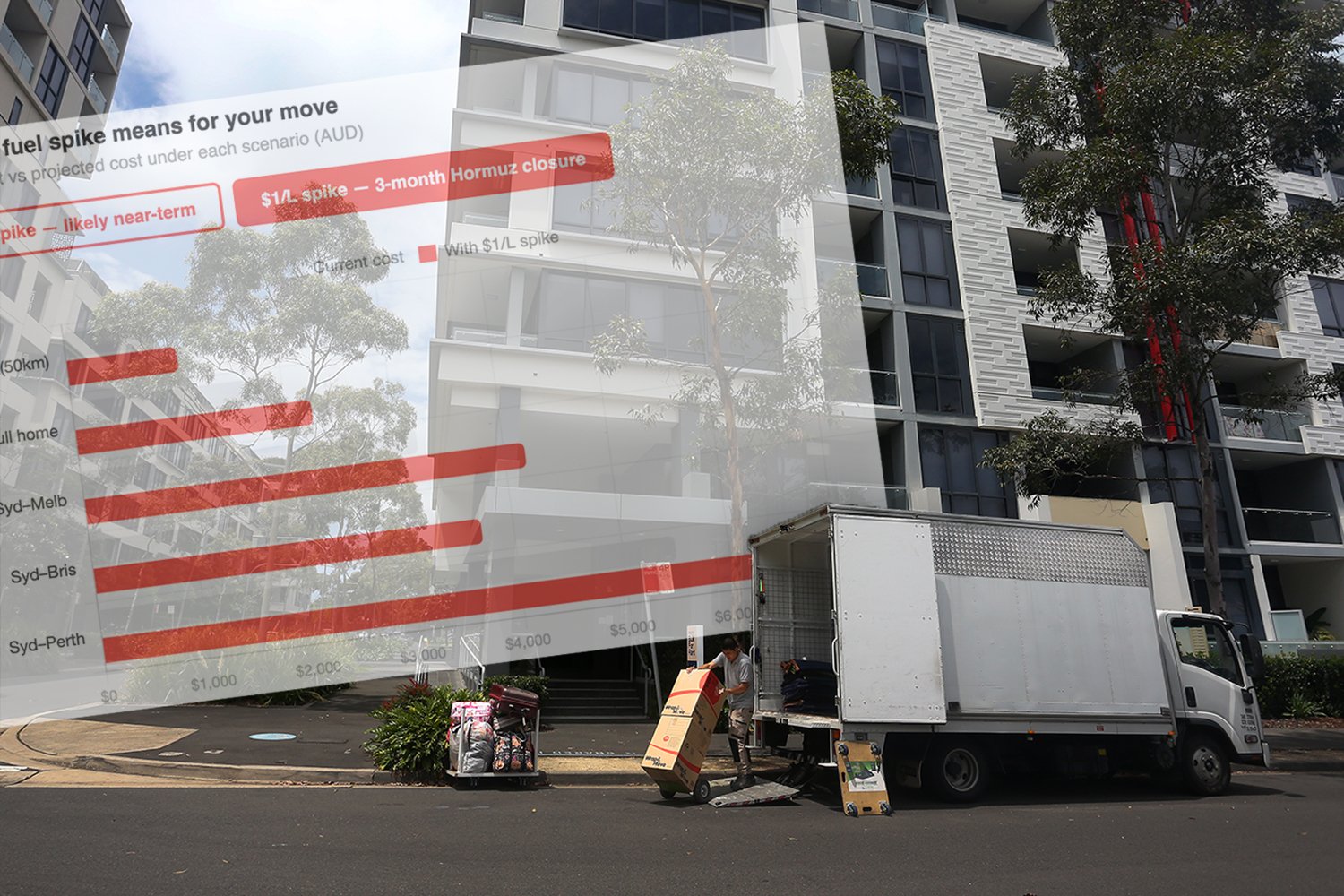
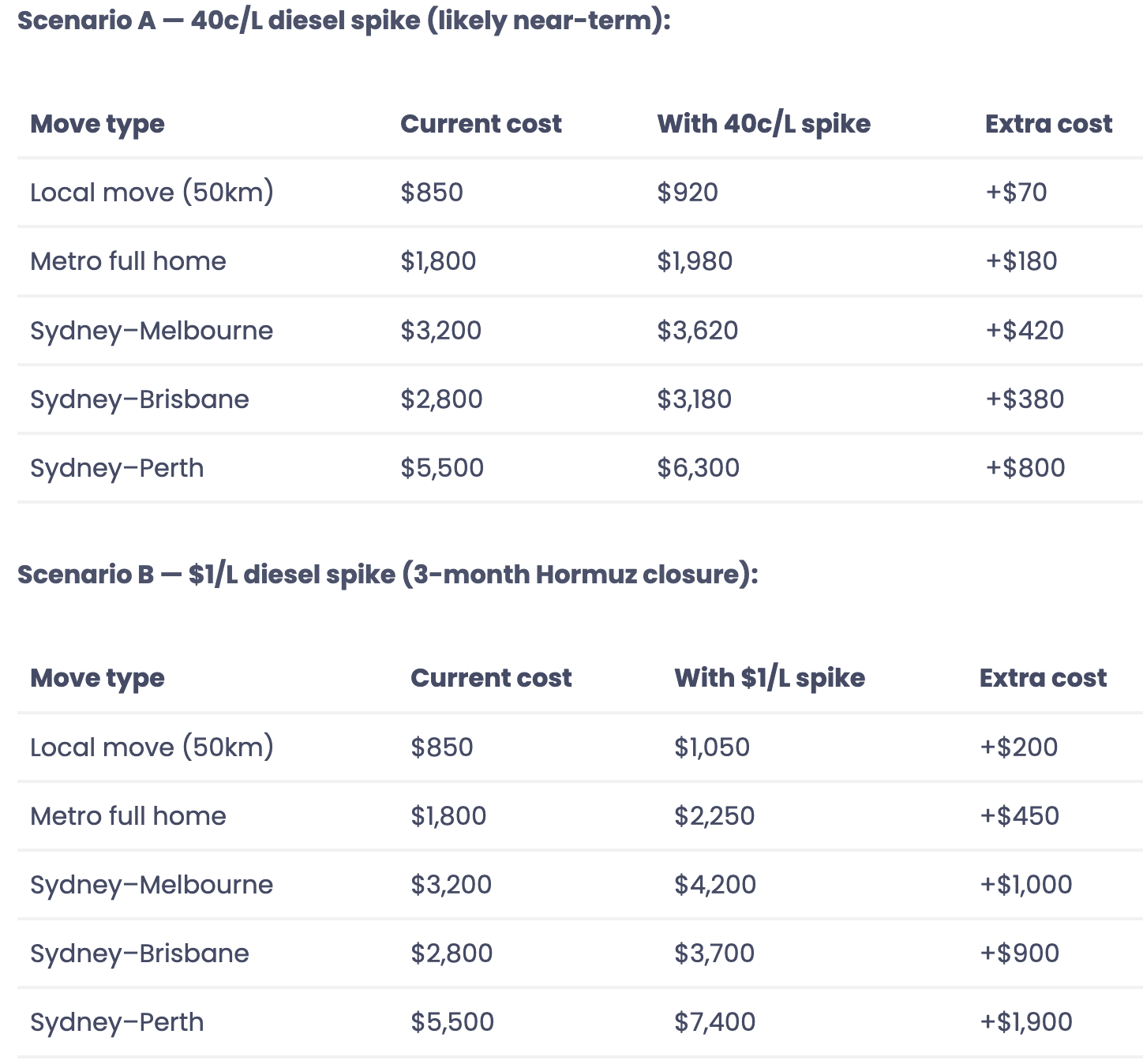
One such industry is the removalist sector. Howe Tran, director of FindaMover, has warned that moving costs could increase significantly if diesel prices continue to climb. A 40c per litre rise in diesel, which has already occurred in many parts of the country, could make a Sydney to Melbourne move $420 more expensive. If diesel surges by $1 per litre, the same move could cost an additional $1,000.
“Everybody’s already feeling the pinch after the last couple of years with interest rate rises,” Mr Tran said. “So to add up to $1,000 to the average family probably sets them back quite a bit.”
Historical Precedents and Current Concerns
The impact of fuel price spikes can be seen in past events. When Russia invaded Ukraine in 2022, oil prices skyrocketed, leading to rapid increases in diesel-dependent industries in Australia. For example:
- Brisbane saw a 24% spike in removalist rates, reaching $149 per hour.
- Melbourne experienced a 27% increase, with hourly rates hitting $145.
- Sydney’s hourly rates climbed to $140, while Perth remained the most affordable at $130 per hour.
Although these high prices did not last, they never fully returned to pre-spike levels in any city. This suggests that even after the immediate crisis passes, some costs may remain elevated.
Urgency for Those Planning a Move
With the ongoing crisis in the Middle East now in its third week, experts like Mr Tran are warning that similar price hikes could be on the horizon. He advises anyone planning a move within the next six weeks to contact their removalist as soon as possible to secure a fixed price.
“For people moving, I think the best thing to do is to try and lock something in, get it in writing and plan accordingly,” he said.
Potential Impacts on Other Industries
Mr Tran also believes that other fuel-reliant industries, such as freight, taxis, and postage, could see price increases. However, the extent of these changes will depend on how long the conflict lasts.
He recalled the dramatic price increases the construction industry faced during the pandemic. “Materials actually started finding a new price and a lot of builders went out of business because they quoted fixed prices, and they could never foresee that would have happened,” he said.
“Hopefully we’re not going to see a mass exodus in logistics.”
Mr Tran added that higher fuel prices are not only challenging for everyday Australians but also difficult for removalist companies, which are facing fewer jobs. “We hope that doesn’t happen. I hope that the war doesn’t play out to be a very long one and things can actually calm back down a little bit.”
Final Thoughts
As fuel prices continue to rise, the effects are becoming increasingly visible in everyday life. From transportation to home moving, the cost of living is being impacted in ways that many may not have anticipated. With the current global situation, it’s crucial for individuals and businesses to stay informed and take proactive steps to manage potential financial strain.