

Jack White Unveils Decades of Hidden Artistry: From Garage Treasures to Gallery Spotlight
For over thirty years, the world has known Jack White primarily as a groundbreaking musician, the electrifying frontman of The White Stripes and a prolific solo artist. However, a significant and deeply personal facet of his creative life has remained largely unseen, tucked away in his garage and attic. Now, the Grammy-winning musician is finally pulling back the curtain on this hidden world with an exhibition titled ‘These Thoughts May Disappear’.
This exhibition showcases a diverse collection of White’s artwork, a passion he’s nurtured for decades, drawing heavily on skills honed during his earlier career as an upholsterer before the global fame of his musical endeavours. Despite his comfort commanding massive stadium crowds, White admits to a palpable sense of vulnerability when it comes to displaying these more intimate creations.
“Whatever you’re known for first in the mainstream is kind of a curse, in a way, because everyone wants you to just do that for the rest of your life,” White shared, reflecting on his long hesitation to exhibit his visual art. “So this is one of those things where I hesitated for decades to share this in an exhibition but now I guess I just finally relented and did it.”
A Distinctive Pop Art Sensibility
White’s artistic output possesses a striking pop art aesthetic, a characteristic that makes its current home at the prestigious Newport Street Gallery in London, founded by British artist Damien Hirst, a fitting choice. The gallery’s focus on contemporary art and its embrace of diverse creative expressions provide the perfect backdrop for White’s unique vision.
According to his studio, the Nashville-based musician and record producer has consistently engaged with other artists throughout his career, exploring themes surrounding the commercialisation of art. His visual work draws significant inspiration from a rich tapestry of influences:
- The raw energy of the urban environment.
- The clean lines and functional beauty of mid-century modern furniture design.
- The experimental and avant-garde principles of the De Stijl and Dada art movements.
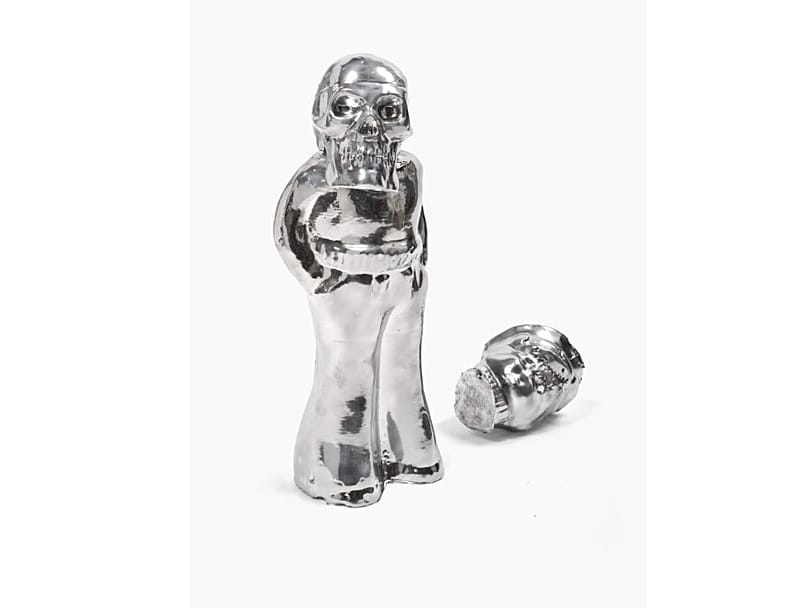
“Hardware Store Art”: Assemblage and Re-appropriation
White himself describes his artistic output as “Hardware Store Art.” This moniker aptly captures his distinctive approach, which is a synthesis of assemblage and re-appropriation. He masterfully employs a broad spectrum of materials to construct and carve his sculptures, transforming everyday objects and discarded elements into compelling artistic statements. This hands-on, material-driven process harks back to his formative years, including the establishment of his own upholstery shop, Third Man Upholstery, in 1996.
“I’ve been tripping over some of these pieces for 30 years in my garage and in my attic and never really seen them up on a pedestal or on a wall with beautiful lighting,” White confessed. “It’s making me want to set up a different lighting scenario back in my studio at home.”
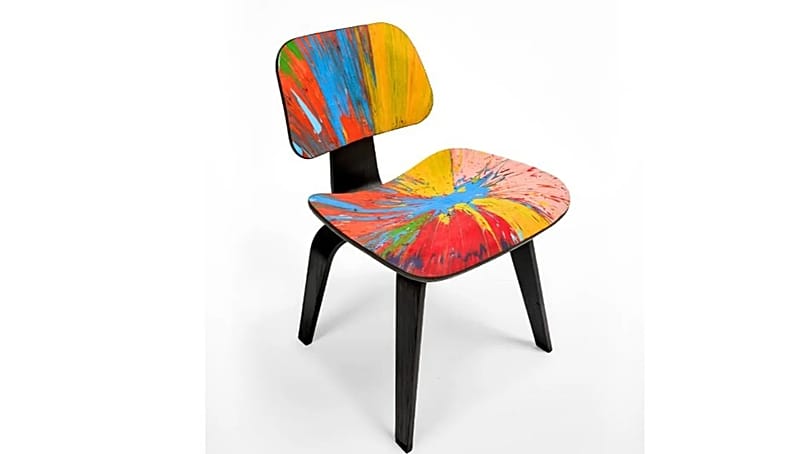
The exhibition offers a rare glimpse into the mind of a multifaceted artist, revealing a creative output that is both deeply personal and universally resonant. The pieces on display, many of which have resided in his private spaces for decades, are now presented with the professional lighting and curation they deserve, transforming them from forgotten relics into celebrated artworks.
The opportunity to view these “Hardware Store Art” creations provides a new dimension to understanding Jack White’s artistic journey, demonstrating that his creative impulse extends far beyond the realm of music, offering a compelling narrative of an artist continually exploring and redefining his expressive capabilities.
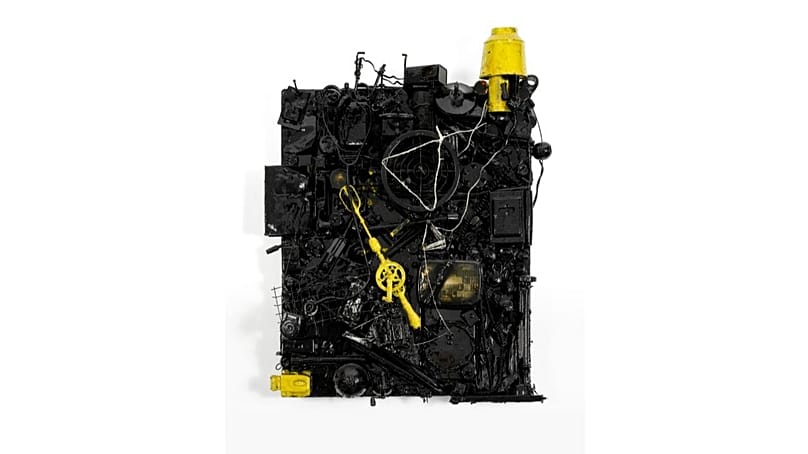
‘These Thoughts May Disappear’ is currently on display at Newport Street Gallery in London until 13 September 2026, offering art enthusiasts and music fans alike a unique opportunity to connect with a lesser-known, yet equally vital, aspect of Jack White’s celebrated career.


