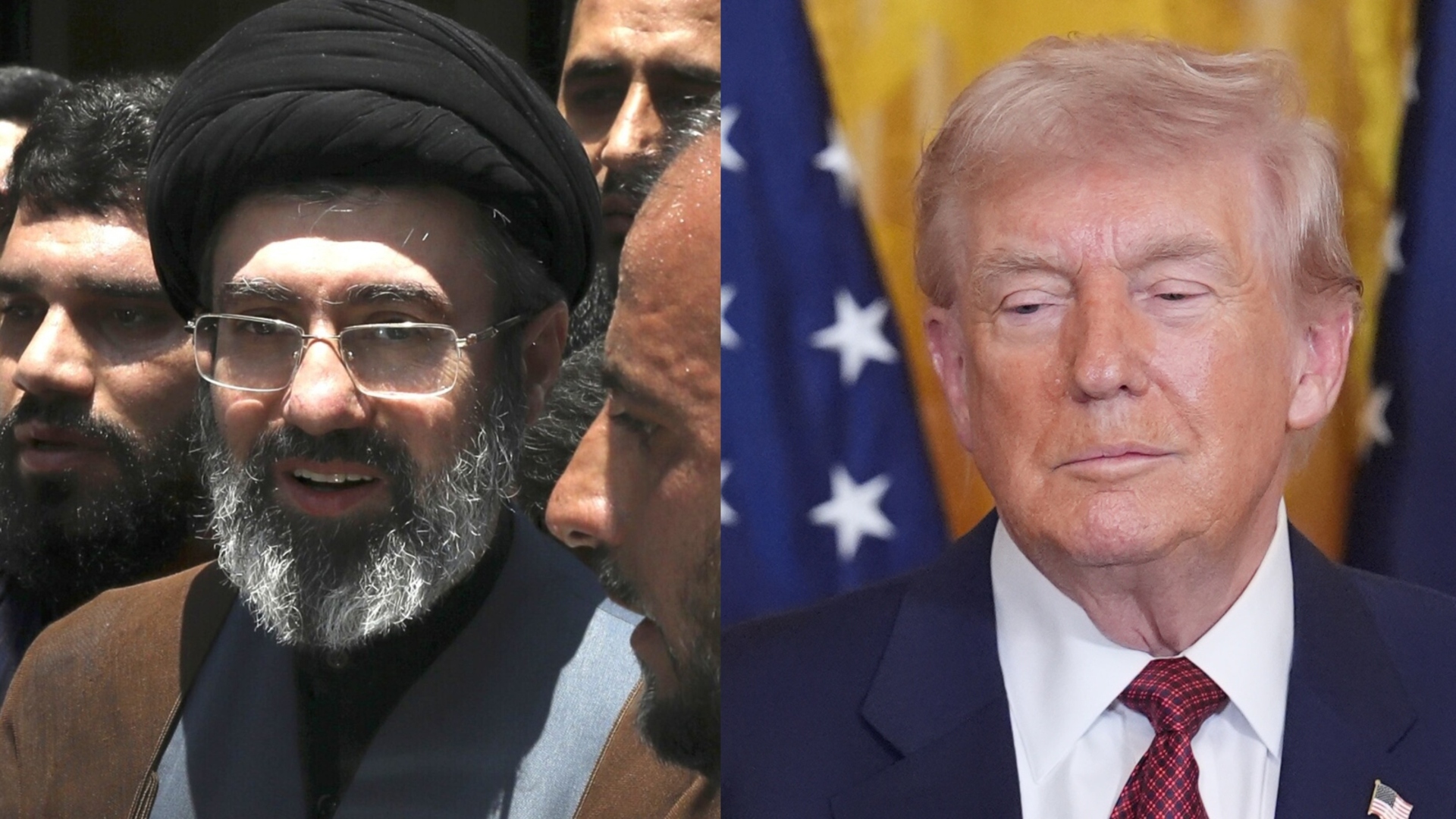
The succession of Iran’s Supreme Leader is a matter of intense global scrutiny, with a recent political analysis suggesting the designated successor faces an unenviable and potentially perilous path. Political analyst Joe Siracusa has weighed in on the implications of Mojtaba, the son of the current Supreme Leader Ayatollah Ali Khamenei, being positioned to assume the highest religious and political office in Iran. Siracusa’s assessment paints a grim picture, describing the role as a “poisoned chalice,” a metaphor indicating a position that appears desirable but is fraught with danger and misfortune.
According to Siracusa, the incoming leader is not only inheriting a complex domestic political landscape but is also expected to confront significant international pressures, particularly from the United States under a potential Donald Trump presidency. “It’s the poisoned chalice. They’ve been told the next guy is going to have to face the wrath of Donald Trump,” Mr Siracusa stated in an interview with Sky News Australia. This statement highlights a key geopolitical concern: the potential for increased tensions and adversarial relations with the US, which could destabilise the region and put immense pressure on Iran’s leadership.
The ramifications of such a succession are multi-faceted, impacting not just Iran’s internal governance but also its foreign policy and its role in international affairs. The idea of hereditary succession in a theocratic state like Iran is itself a point of discussion, raising questions about legitimacy and the future direction of the country.
Beyond the immediate geopolitical challenges, Siracusa also touches upon the internal sentiment within Iran. The analyst poses a critical question about the patience of the Iranian populace: “How long can this go on until people say this is enough?” This rhetorical question points towards the growing discontent and frustration among the Iranian people, potentially fuelled by economic hardships, political repression, and the ongoing international isolation. The prospect of a new leader inheriting these deep-seated issues raises the possibility of increased social unrest and calls for fundamental change.
The Shadow of Donald Trump and Geopolitical Tensions
The explicit mention of Donald Trump’s potential “wrath” underscores the volatile nature of US-Iran relations. During Trump’s previous presidency, the US withdrew from the Iran nuclear deal and imposed stringent sanctions, leading to significant economic strain on Iran and heightened regional tensions. The prospect of a renewed period of intense pressure from the US could further exacerbate Iran’s economic woes and complicate any attempts by the new leadership to navigate international diplomacy.
This dynamic has several key implications:
- Economic Sanctions: A harder line from the US could lead to the reimposition or tightening of sanctions, impacting Iran’s oil exports, access to international finance, and overall economic stability.
- Regional Proxy Conflicts: Increased US pressure might also embolden regional rivals or lead to a more assertive stance from Iran in its ongoing proxy conflicts across the Middle East, potentially escalating existing flashpoints.
- Diplomatic Isolation: Iran could face further diplomatic isolation, making it more challenging to engage in constructive dialogue or secure international support for its policies.
Internal Pressures and the Question of Popular Patience
The internal situation within Iran is equally, if not more, critical. Years of economic hardship, coupled with the government’s response to protests and dissent, have created a climate of simmering discontent. The question of how long the population will tolerate the existing conditions is a pertinent one.
Several factors contribute to this potential for unrest:
- Economic Discontent: High inflation, unemployment, and the devaluation of the Iranian rial have a direct impact on the daily lives of ordinary citizens, fuelling widespread dissatisfaction.
- Social and Political Freedoms: Restrictions on personal freedoms, freedom of speech, and the suppression of dissent continue to be major grievances for many Iranians, particularly younger generations.
- Perceived Corruption and Inefficiency: Allegations of corruption and a perceived lack of effective governance can further erode public trust in the leadership.
- Desire for Change: The aspiration for a more prosperous, open, and stable future is a powerful motivator for demands for significant political and societal reform.
The “Poisoned Chalice”: A Legacy of Challenges
The metaphor of a “poisoned chalice” accurately encapsulates the daunting inheritance awaiting Mojtaba Khamenei. He is not merely stepping into a leadership role; he is taking the helm at a time when Iran is grappling with a confluence of severe internal and external challenges. The ability of the new leader to effectively address these multifaceted issues will be a defining factor in the future trajectory of Iran and its relationship with the rest of the world. The coming years are likely to be a period of significant testing for Iran’s leadership and its people.