
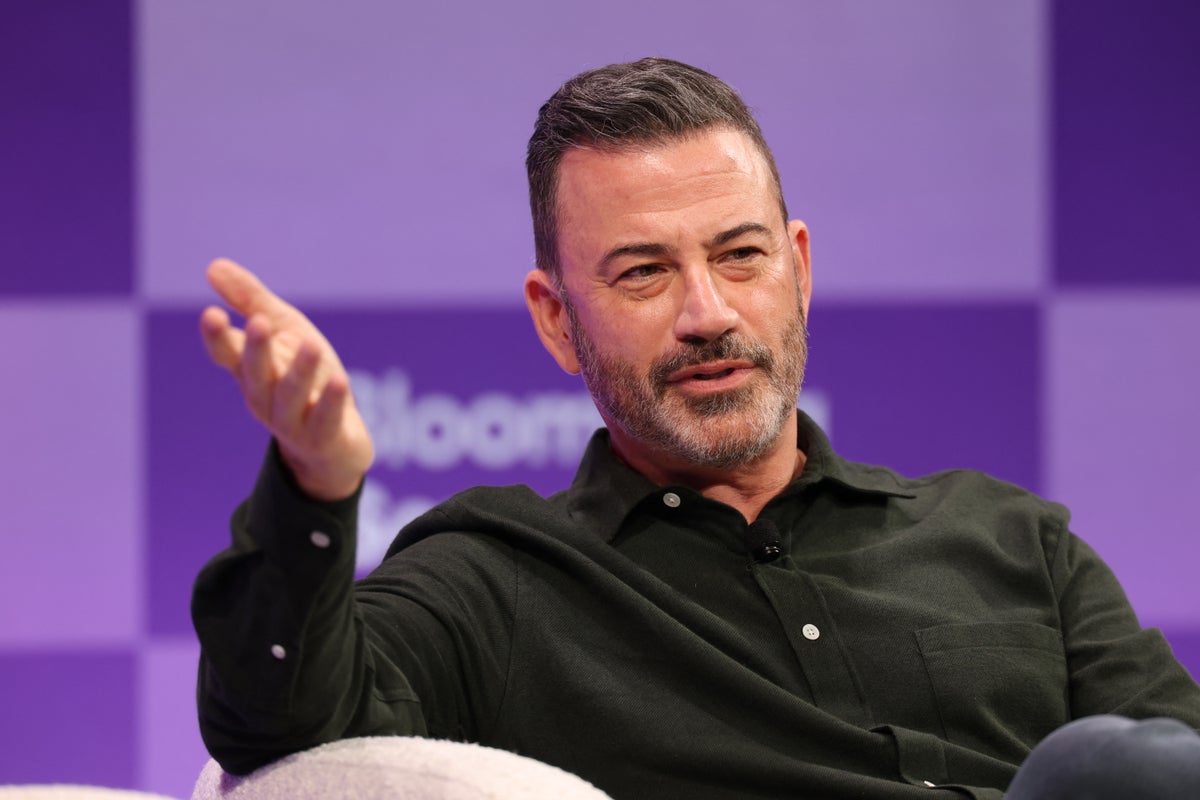
Jimmy Kimmel Reflects on On-Air Gaffes and the Apology He Regrets
Veteran late-night host Jimmy Kimmel has opened up about some of the more controversial moments during his extensive career, revealing that while he’s had to apologise for on-air gaffes that ruffled feathers at his network ABC and its parent company, The Walt Disney Company, there’s one particular apology he wishes he hadn’t made.
In a candid conversation with Vulture, the 58-year-old comedian delved into the complexities of navigating the delicate balance between edgy humour and network sensitivities. One incident that stood out occurred in 2013, when a segment involving young children responding to news stories took an unexpected turn. A child’s suggestion that the national debt could be solved by “killing everyone in China” sparked significant backlash, leading to protests and Kimmel issuing an apology. However, Kimmel explained that this apology was made under duress, stating, “For the good of the Disney company, I took that bullet.”
This isn’t the first time Kimmel has had to address past jokes. He has previously apologised for impressions that have been deemed offensive, including instances of blackface in the 1990s where he impersonated Oprah Winfrey and NBA player Karl Malone. Despite these instances, Kimmel maintains a philosophical approach to apologies, telling the publication, “I don’t consider an apology to be a defeat. I think that’s the very basis of Catholicism.”
The late-night host has faced repercussions from his network before. Last September, ABC suspended Kimmel for a week following a furore over his remarks concerning the death of conservative activist Charlie Kirk. During the interview, Kimmel stressed his need for creative freedom, pushing back against the notion of apologising for something he doesn’t believe crosses a line. He articulated this concern by stating, “One of the things we talked about when I first got suspended was that I can’t do this show if I’m going to be micromanaged.”
Kimmel has a well-documented history of sparring with former President Donald Trump, frequently targeting his administration with sharp jabs. More recently, he drew the ire of Trump again with a joke about First Lady Melania Trump. Days before an attempted shooting at the White House Correspondents’ Dinner, Kimmel quipped that Melania had the “glow of an expectant widow.” In this instance, Kimmel revealed that Disney did not demand an apology, but rather asked him to “respond and move on.”
During a subsequent monologue, Kimmel defended his joke, arguing that it had been misinterpreted as a call to violence. He insisted that the humour was intended as a commentary on the age difference between President Trump, who was approaching 80 at the time, and Melania, who had recently turned 56. Kimmel emphatically pointed out that his remark was “not, by any stretch… a call to assassination, and they know that I’ve been very vocal for many years speaking out against gun violence.”
The Evolving Landscape of Late-Night Comedy
Kimmel’s reflections highlight the ever-changing dynamics of broadcast television and the challenges faced by comedians in the digital age. What might have been acceptable humour a decade ago can now spark widespread outrage, necessitating a constant recalibration of comedic boundaries. The pressure from both the public and corporate entities can create a tightrope walk for hosts, demanding a keen awareness of societal sensitivities while striving to maintain their comedic voice.
The instances discussed by Kimmel underscore a broader trend in media where public figures are held to account for their words and actions with unprecedented speed and scrutiny, largely amplified by social media. The pressure to apologise can be immense, even when the host feels their intent was misunderstood or their humour was not malicious.
Kimmel’s stance on not wanting to be micromanaged is a sentiment likely shared by many in creative fields. The fear of having one’s artistic expression stifled by fear of reprisal can be detrimental to innovation and authentic performance. The ability to push boundaries, even when it leads to controversy, is often what makes late-night television compelling and relevant.
Ultimately, Kimmel’s candid interview offers a glimpse into the pressures and considerations that shape the landscape of late-night comedy, revealing the personal toll and strategic decisions involved in navigating the complexities of public discourse and corporate responsibility.


