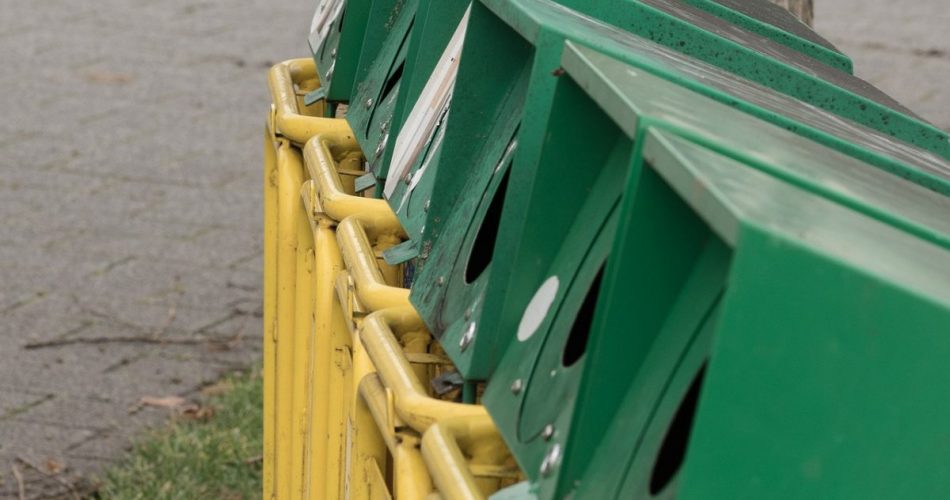
Lagos State Mandates Waste Sorting to Drive Circular Economy and Economic Growth
Lagos State is embarking on a significant transformation of its waste management system, with plans to make source segregation of waste a mandatory practice. This strategic shift aims to modernise waste handling, unlock the inherent economic value within waste streams, and propel the state towards a more sustainable and circular economy.
Dr. Muyiwa Gbadegesin, the Managing Director and Chief Executive Officer of the Lagos State Waste Management Authority (LAWMA), announced the initiative during a recent appearance on the ‘The Conversation’ programme at LTV. He detailed that this move is in alignment with global best practices and will be underpinned by a comprehensive review of the existing legal framework. This review is crucial to establish the necessary regulatory support for the compulsory separation of waste at its point of generation.
“Waste will no longer be viewed solely as a disposal challenge but rather as an economic resource,” Dr. Gbadegesin stated. “The state is actively strengthening its waste-to-wealth agenda, positioning recycling and material recovery as pivotal drivers for a more efficient and sustainable waste management system.”
This new policy direction directly supports Governor Babajide Sanwo-Olu’s overarching vision to transition Lagos from a landfill-centric waste management approach to one prioritising material recovery and recycling. This strategic realignment is anticipated to yield several key benefits:
- Reduced Landfill Pressure: By diverting recyclable and reusable materials, the volume of waste sent to landfills will be significantly reduced, extending the lifespan of existing facilities and mitigating environmental impact.
- Promotion of Circular Economy: The emphasis on recycling and material recovery fosters a circular economy, where resources are kept in use for as long as possible, extracting maximum value from them before recovery and regeneration.
- Stimulation of Private Investment: The initiative is expected to encourage private sector investment in recycling infrastructure and related businesses, creating new economic opportunities and jobs.
To bolster the effectiveness of waste collection services, the government is also exploring mechanisms to support private sector participation operators. This includes facilitating access to new compactor trucks, acknowledging the capital-intensive nature of waste collection and the critical need to enhance operational capacities across the entire system.
Accountability and Service Delivery Enhancements
Addressing concerns about service delivery and accountability, Dr. Gbadegesin highlighted that LAWMA will be implementing stringent measures against underperforming private sector participation (PSP) operators. Following multiple warnings and thorough performance assessments, sanctions are to be imposed on 22 such operators. This decisive action follows a similar move last year, where 27 PSP operators were disengaged for failing to meet the required service standards.
The success of this ambitious initiative hinges on a multi-faceted approach, as emphasised by Dr. Gbadegesin. It requires a potent combination of:
- Effective Regulation: Robust and consistently enforced regulations will be paramount to ensure compliance and drive desired behaviours.
- Improved Infrastructure: Investment in modern recycling facilities, collection systems, and processing plants will be essential to handle the segregated waste streams efficiently.
- Robust Private Sector Participation: Continued and strengthened partnerships with the private sector will be vital for operational efficiency and innovation.
- Responsible Citizen Behaviour: The active participation and commitment of Lagos residents in sorting their waste at source will be the cornerstone of this transformative agenda.
Ultimately, the mandatory source sorting of waste is considered fundamental to achieving the vision of a cleaner, healthier, and more resilient Lagos, positioning the state as a leader in sustainable urban waste management.