The walls of the Letby family home in Hereford are a testament to a life frozen in time, a poignant gallery dedicated to their only daughter, Lucy. Photographs capturing her distinctive icy blue eyes and poker-straight blonde hair, shoulder-length and always immaculate, adorn nearly every surface. A framed portrait of a toddler, complete with a blunt fringe and a navy velvet bow, greets visitors near the front door. Ascending the stairs reveals a collection of school photographs, some dating back over two decades, leading to a graduation picture in a prominent, gilt-edged oval frame. Holiday snaps, handwritten cards, and trinkets fashioned by Lucy over the years are meticulously displayed on walls, windowsills, and noticeboards, creating what one visitor described to the Daily Mail as “like a shrine” to the family’s sole child.
This intimate, almost overwhelming, display of familial devotion stands in stark contrast to the name Lucy Letby is now globally associated with. The neonatal nurse, convicted of murdering seven premature babies and attempting to harm seven more while working at the Countess of Chester Hospital between 2015 and 2016, has become a reviled figure. Now 36 and serving a whole-life sentence at HMP Bronzefield in Surrey, Letby is incarcerated alongside some of the nation’s most dangerous female offenders. Her crimes have inflicted immeasurable pain on families whose lives were irrevocably shattered by the loss of their newborns. A decade on, their torment remains a raw and open wound.

The gravity of her actions continues to be felt, with inquests into the “unnatural deaths” of five of her alleged victims – identified as Babies C, E, I, O, and P – recently opened at Cheshire coroner’s court. These proceedings are necessary even after a criminal trial, underscoring the ongoing pursuit of truth for the bereaved families.
A Glimmer of Hope for the Defence?
Despite the overwhelming evidence leading to her conviction, a shift in the narrative has begun to emerge over the past year. While two attempts to appeal her conviction have been unsuccessful, Letby’s legal team has lodged a series of documents with the Criminal Cases Review Commission, presenting new “expert” evidence. This has fuelled hopes for a potential retrial. Letby herself, who has consistently maintained her innocence, has reportedly shared with fellow inmates and prison staff her belief that her convictions could be overturned, potentially leading to her release later this year.
For her devoted parents, John and Susan, this prospect represents a beacon of hope. Since Lucy’s initial arrest in July 2018, they have maintained an unwavering faith in their “golden girl,” viewing her as a scapegoat for systemic failings within the hospital. As an only child with no living grandparents and limited contact with other relatives, Lucy has been the absolute centre of their world since birth, their pride and joy.
The Haunting Reality of Arrest
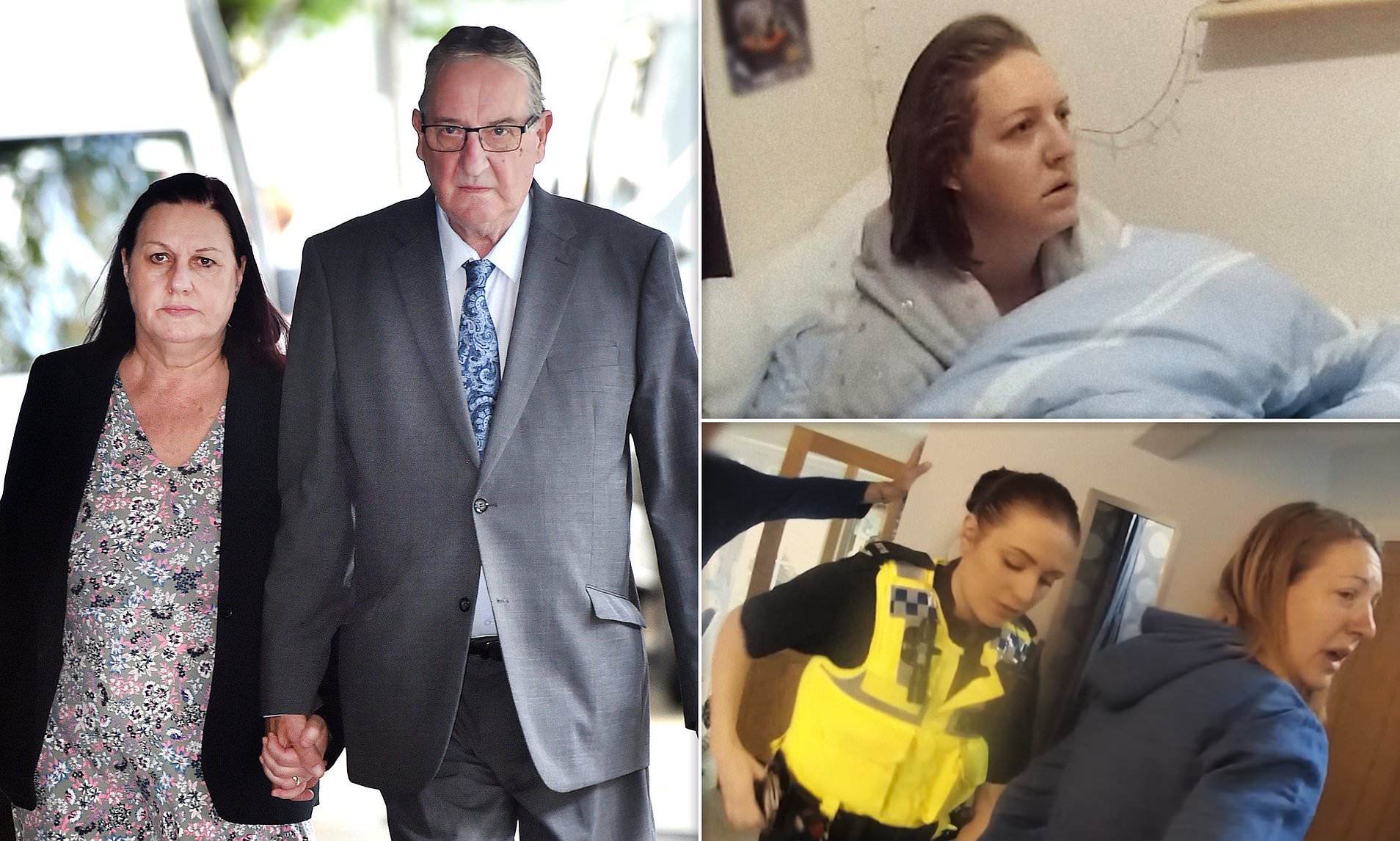
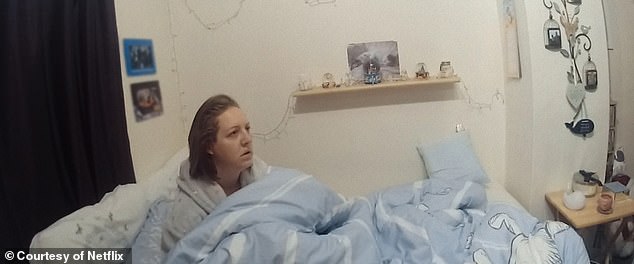
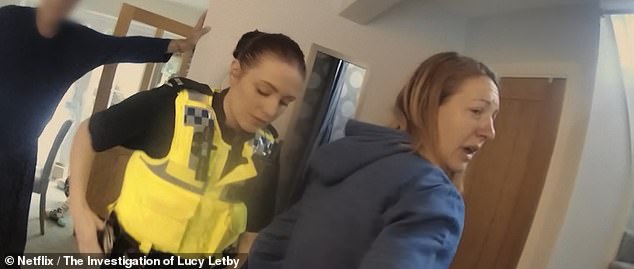
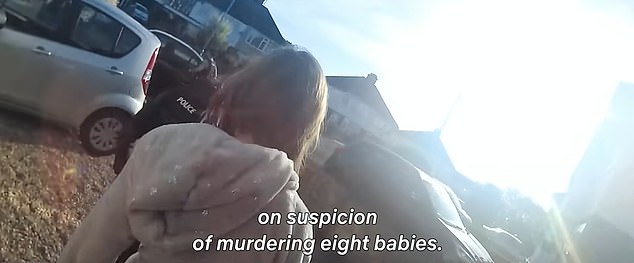
A new Netflix documentary, “The Investigation Of Lucy Letby,” offers viewers a harrowing glimpse into the profound impact their daughter’s arrests have had on John and Susan. Previously unseen footage from police body cameras captures the raw anguish of their experience. The documentary features Susan Letby’s heart-wrenching cries as her husband opens the door to Cheshire Police officers arriving to arrest Lucy for the second time in June 2019. Still asleep in her dressing gown, Lucy is read her rights, and as she is led away, she asks her parents, “You know I didn’t do it, don’t you?” Their heartbreaking, unified reply is, “We know that.” The desperation reached a peak during her third and final arrest in November 2020, when reports suggest her mother pleaded with officers, “I did it; take me instead.”
The Netflix series has also reportedly led to Lucy Letby being placed under constant surveillance by prison staff due to concerns for her well-being, having faced mockery from other inmates. However, the documentary’s intrusion into the private grief of the Letby family has drawn criticism, with many, including columnist Peter Hitchens, decrying its sensationalism.
Neighbours’ Witness to Devastation
For the residents of the quiet cul-de-sac where the Letbys have resided for four decades, the sounds of Susan Letby’s distress are unforgettable. “They were broken from the day Lucy was first arrested,” a neighbour told the Daily Mail, recounting the disturbing nature of the repeated arrests. “Their lives ended then and there. The way it happened each time was disgusting. We know Lucy and she is a quiet young woman who was clearly in complete shock.” Another resident expressed a widespread sentiment: “I don’t think you’ll find anyone round here who doesn’t feel sorry for them.” The long-term neighbours, who have known John and Susan for 40 years, describe them as a close-knit family for whom this ordeal must be “absolute hell.” Despite their empathy, they maintain a respectful distance, refraining from asking intrusive questions.
A Family’s Unwavering Defence
John, 80, and Susan, 65, have largely remained out of the public eye, issuing only brief statements to the press until recently. In response to the Netflix documentary, they released two statements via Maltin PR, a reputation management firm. The first statement condemned the documentary footage as “heartbreaking” and an “invasion of privacy,” with the couple stating, “We will not watch it – it would likely kill us if we did.” Critics noted the absence of any mention of the deceased babies or their grieving families in this 325-word statement. The second statement, however, began with a message of condolence for the affected families and acknowledged their “unbearable pain.” It reiterated their conviction: “However, our daughter is innocent and this is a horrendous miscarriage of justice.”
Reclusive Lives and Devoted Visits
John and Susan Letby have become increasingly reclusive since Lucy’s conviction. This week, with the renewed media spotlight, their desire to withdraw from public view has intensified. Their usually visible silver Suzuki Splash remains parked under the carport, a common sign of their presence, yet the car rarely leaves the driveway. John’s former hobbies, such as watching football and horse-racing, have been abandoned, as have their regular Sunday visits to Hereford City Church. Their cherished holidays to Torquay, a tradition enjoyed three times a year, have also been cancelled.
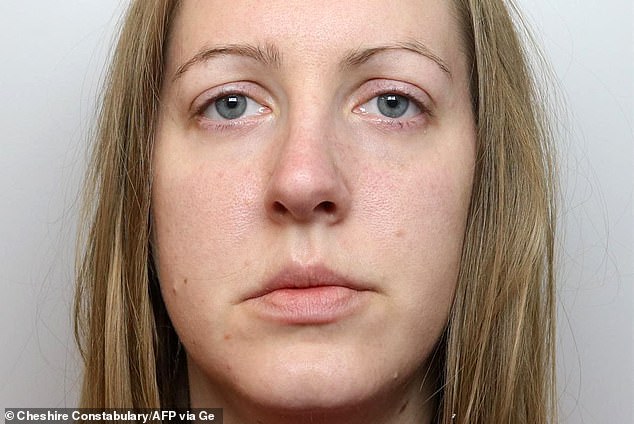
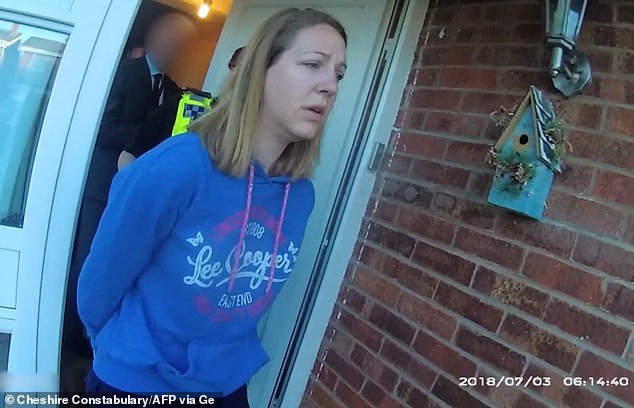
The only consistent journey the couple undertakes is the 264-mile round trip to HMP Bronzefield in Surrey to visit their daughter. Letby is entitled to three one-hour visits per month, and her parents have not missed a single one. Recently, however, John has been visiting alone, as Susan is recovering from hip replacement surgery. Neighbours report that Susan’s health has been further impacted by an immune condition that makes leaving the house difficult, adding to the immense stress the family is enduring. Despite reports of them considering relocation to be closer to Lucy or for her trial, John and Susan remain in Hereford, the city they have called home since 1983.
The couple, who met in the early 1980s – John as a bachelor and Susan a divorcee – married in July 1986. Susan, an accounts clerk, was three months pregnant with Lucy at the time. As the “shrine” within their home illustrates, their daughter quickly became the focus of their existence.
Early Life and Health Challenges
Dawn Howe, a childhood friend of Letby, alluded in an ITV documentary to a “difficult” birth, suggesting this may have fuelled Lucy’s strong desire to work in neonatal nursing. However, her health challenges began early and persisted. At the age of 11, she was diagnosed with an underactive thyroid, a condition that can lead to fatigue, depression, and weight gain, necessitating frequent specialist appointments. Later, she developed optic neuritis, an inflammation of the optic nerve that can cause blurred vision and severe pain. These medical issues may offer some insight into John and Susan’s seemingly overbearing protective behaviour towards their daughter, which Lucy herself described in messages to friends as “a little suffocating at times.” In their eyes, their actions were always driven by a desire to protect her.
Their pride in Lucy was evident when she secured a place to study nursing at the University of Chester, with congratulatory notices placed in the local newspaper upon her graduation. They would have also been thrilled to see her featured as the “poster girl” in a local newspaper appeal for the Countess of Chester’s £3 million neonatal unit fundraising campaign, just 18 months after her qualification in March 2013.
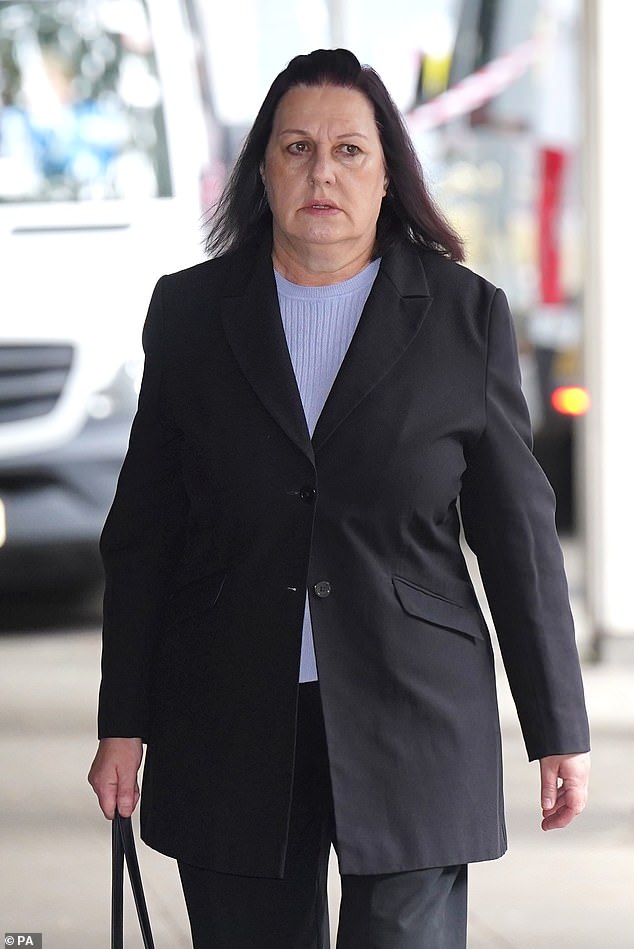

In 2015, Letby moved out of hospital accommodation and, with her parents’ assistance, purchased a modern three-bedroom house near the hospital for £179,000. However, this seemingly idyllic life was soon to unravel. While she initially kept the unfolding events from her parents, they became deeply involved once informed. All three attended a meeting with hospital officials, including the chief executive, in December 2016. Meeting minutes reveal John and Susan’s forceful criticisms of two consultants, whom they accused of holding a “personal grudge” against Lucy.
A Plea of Innocence and Accusations of Injustice
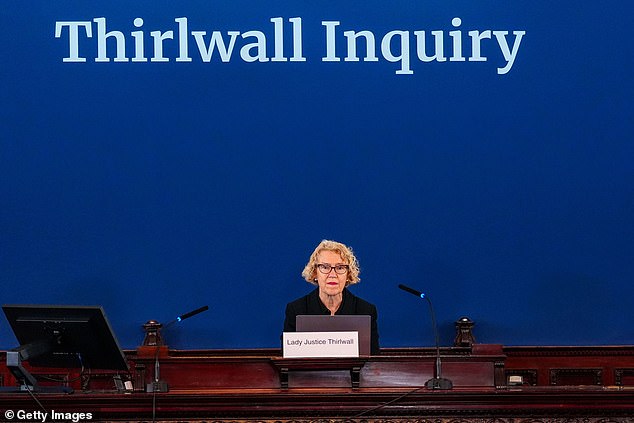
In a letter addressed to hospital bosses and read at the Thirlwall Inquiry, which is examining events at the Countess of Chester, the Letbys expressed their profound shock. “Our daughter has been to hell and back since July,” they wrote. “Can you imagine what it is like to know that colleagues are calling you a murderer? She has frequently said to us during the last six months, ‘I wouldn’t hurt anything, let alone a tiny baby.’ It has broken our hearts.” In the months that followed, John, a retired manager of a furniture shop chain, made numerous “agitated” calls to the hospital and even issued threats to the chief executive, Tony Chambers. In July 2017, a full year before Lucy’s first arrest, John reported issues on the unit where she worked to Blacon police station.
These outbursts appear to contrast with the composed, smartly dressed man who attended his daughter’s trial daily, offering a reserved “hello” to reporters. John shared an exceptionally close bond with his daughter; he was even staying at her house the night before her first arrest and, after witnessing her being taken away by police, tenderly made her bed in anticipation of her return.
A Childhood Bedroom Transformed
Footage from her arrests at the Hereford home shows Lucy sleeping in her childhood bedroom, a space adorned with cuddly toys, fairy lights, childish ornaments, and affirmation posters. A quote from “The Greatest Showman” hangs above her bed: “I am brave. I am bruised. I am who I’m meant to be. This is me.”
Her current living quarters at HMP Bronzefield are a stark contrast. With “enhanced” prisoner status for her own protection, Lucy occupies a small, spartan cell containing only a bed, toilet, shower, television, and a telephone for outgoing calls.
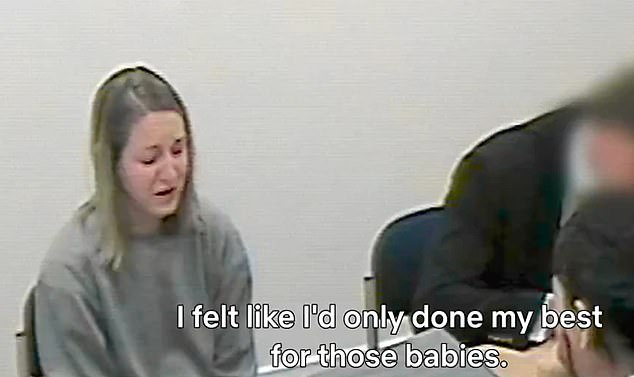
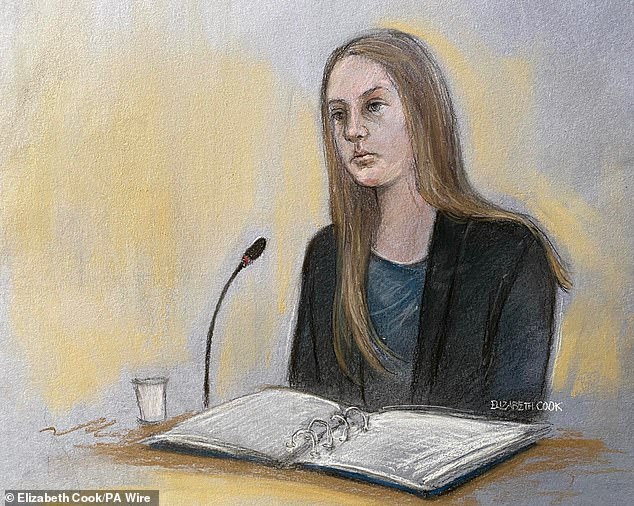
In a letter to her university friend, “Maisie,” read aloud in the Netflix documentary, Lucy describes her prison conditions: “I have my own room and toilet. I am able to shower each day and go outside for a walk.” She has access to Freeview channels and a DVD player and spends a significant amount of time in the prison library, where she reportedly possesses an “insatiable appetite” for reading. Prison sources describe her as a neat, quiet inmate who avoids trouble. She dedicates most of her earnings from a menial cleaning job to purchasing phone credits to speak with her parents. Regular meetings with her legal team, including barrister Mark McDonald, are a priority.
Longing for Home and Feline Companions
Much of Lucy’s yearning for the outside world centres on her two cats, Tigger and Smudge, with whom she shared emotional farewells before her arrest. In her letter to Maisie, she expresses her deep longing: “I miss Tigger and Smudge so much. They must think I’m a terrible mummy. Mum and Dad are taking good care of them though, and are no doubt spoiling them.”
Her parents have now endured five years and two months with their only child incarcerated. Summarising their profound desolation in their letter to the Thirlwall Inquiry, John and Susan poignantly asked, “The overlying question that has kept us awake from the day this all started, and [for which] no one has come up with an answer, is, ‘Why Lucy?’” It is a question that echoes the enduring pain of the 14 families whose babies she is accused of murdering or attempting to murder, a question that will forever remain unanswered for them.
Additional reporting by Christine Challand.