Midwives Told to “Not Be Too Kind” Amidst Major NHS Maternity Scandal Review
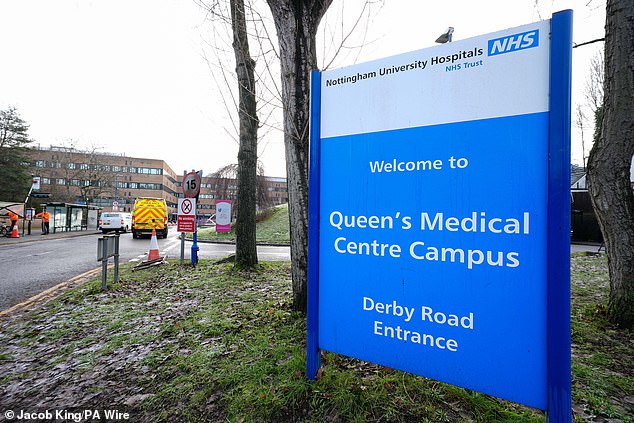
A deeply concerning directive, urging midwives to “not be too kind” to expectant mothers, has emerged from the heart of a significant maternity scandal review at Nottingham University Hospitals NHS Trust (NUH). This directive, reportedly given to colleagues, paints a disturbing picture of the care provided at a trust facing Britain’s largest-ever review into its maternity services. The inquiry, which has been scrutinising the care of approximately 2,500 families between 2012 and 2025, is poised to release its findings imminently.
The BBC’s Panorama program has delved into this critical issue, speaking with ten midwives who have worked at the trust and examining previously undisclosed documents. Their investigation, set to be broadcast, sheds light on the systemic failures that have led to dozens of baby deaths and severe injuries at NUH, which operates both the City Hospital and the Queen’s Medical Centre.
Among the damning evidence uncovered is a 2018 resignation letter penned by a senior midwife. This letter detailed a troubling piece of advice allegedly given to staff regarding pregnant women presenting at the hospital with concerns about labour. The advice was stark: “Don’t be too kind, she’ll keep coming back.” This sentiment suggests a deliberate effort to deter women from seeking timely care, potentially leading to adverse outcomes.
The same letter also highlighted a deeply unprofessional and offensive practice within the maternity unit. It described how the acronym ‘FOH’ would be scrawled on a whiteboard next to the names of heavily pregnant women who staff wished to see leave the maternity ward. The ‘F’ was a well-known profanity, while ‘OH’ stood for “off home.” This callous notation underscores a profound lack of empathy and a concerning disregard for patient well-being among some staff members.
Sarah Hawkins, whose daughter Harriet was stillborn in 2016 after her concerns were reportedly dismissed, found the ‘FOH’ whiteboard remarks “upsetting to hear.” Speaking to the BBC, she questioned the mindset of individuals in a caring profession who would resort to such language and behaviour.
Recurring Themes of Neglect and a Culture of Dismissal
The ongoing independent inquiry, led by Donna Ockenden, has been meticulously examining stillbirths, neonatal deaths, maternal deaths, and instances of severe injury to both mothers and babies at NUH. Early indications from the investigation point to recurring themes that have contributed to the poor outcomes experienced by families in Nottingham. These include a persistent tendency to keep women at home for as long as possible before birth, a practice that can delay crucial interventions, and a significant deficit in staff training and essential equipment.
One midwife, speaking anonymously to Panorama, revealed how the increasing frequency of neonatal deaths appeared to lead to a desensitisation among staff. “As these deaths became increasingly common, staff became desensitised to what was happening,” they stated. This chilling observation suggests a breakdown in the emotional and professional response required in such a sensitive environment.
Wider Issues of Racism and Institutional Pride
Beyond the immediate concerns of patient care, Ms. Ockenden’s investigation has also brought to light “countless” examples of racist behaviour within the trust. These incidents reportedly included staff members mocking the accents of patients, further compounding the distress and alienation experienced by some families. Ms. Ockenden herself commented on this aspect, suggesting that a sense of institutional pride may have contributed to a belief at Nottingham that they operated as a “superior NHS trust compared to others.”
The gravity of the situation has not gone unnoticed by external bodies. Last June, Nottinghamshire Police announced a formal investigation into corporate manslaughter at NUH, signalling the criminal implications of the failures.
Trust Leadership Acknowledges Failures and Commits to Improvement
Anthony May, who has served as NUH’s Chief Executive since 2022, has publicly acknowledged the trust’s shortcomings. He admitted that NUH had “failed” patients and their families, and had also let down its own staff. Mr. May indicated that the Ockenden review has been instrumental in driving improvements.
In a statement released in anticipation of the Panorama broadcast, he asserted, “We are learning from our mistakes, we are improving the safety of our care, we are listening to our mothers, and we are talking with our staff. I can see improvements, and I do believe that we now have safer, kinder and better-led maternity services.”
While acknowledging the long road ahead, there have been some recent indications of progress. A report from the Care Quality Commission, the independent regulator of health and social care in England, recently upgraded the trust’s overall rating from ‘inadequate’ to ‘requires improvement.’ This signifies a step forward, though the full impact of the Ockenden review’s findings, expected on June 24th, will undoubtedly shape the future of maternity care at NUH and potentially set precedents for trusts across the nation.