
First Lady Melania Trump Declares Herself a “Visionary” Amidst Policy Scrutiny
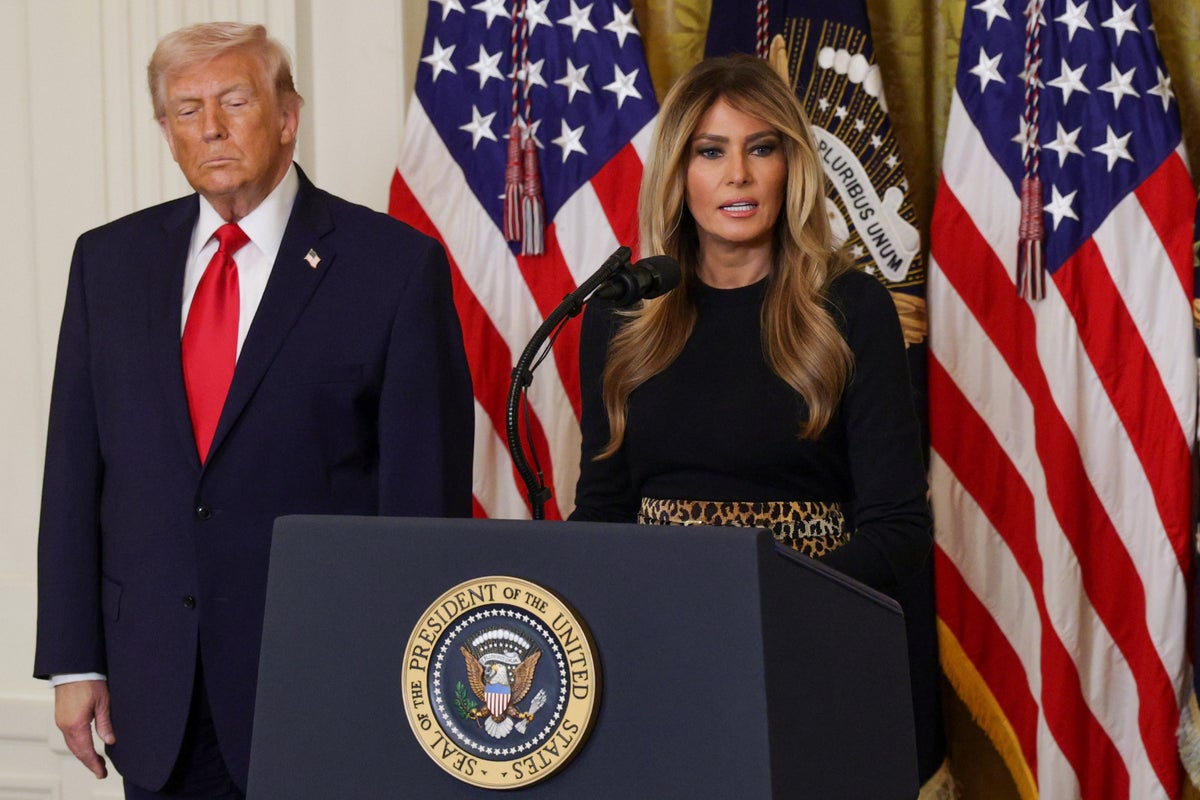
First Lady Melania Trump recently described herself as a “visionary” during a speech at a Women’s History Month event held at the White House. President Donald Trump and the First Lady hosted the gathering on Thursday, 12 March, where President Trump took the opportunity to laud the significant contributions of women throughout American history.
Stepping onto the stage, Melania Trump shared her perspective on achievement, stating, “As a visionary, I know success is not born overnight. Often alone at the top, I follow my passion and always maintain a laser focus.” Her remarks came at a time when the Trump administration has faced considerable criticism regarding its policies and their impact on women’s rights.
Notable among these criticisms are the actions that led to the overturning of Roe v. Wade in 2022, a decision heavily influenced by Supreme Court appointments made during the Trump presidency. Furthermore, the administration’s targeting of Diversity, Equity, and Inclusion (DEI) programs across government, business, and academic sectors has also drawn considerable backlash, with many arguing these initiatives are crucial for fostering equality and opportunity.
The First Lady’s self-portrayal as a “visionary” offers a glimpse into her personal philosophy on leadership and achievement. This perspective, she suggests, guides her actions and underscores a belief in the power of singular dedication and foresight. Her emphasis on following passion and maintaining laser focus highlights a personal approach to navigating challenges and striving for goals, even in the face of external pressures or differing viewpoints.
Navigating a Complex Landscape: Policy and Perception
The context of Melania Trump’s “visionary” declaration is significant. While she articulated a personal ethos of ambition and focus, the broader political climate presented a different narrative for many. The Trump administration’s policy agenda, particularly concerning reproductive rights and DEI initiatives, sparked intense debate and drew sharp condemnation from various advocacy groups and individuals.
The Supreme Court’s decision to overturn Roe v. Wade, a landmark ruling that had protected a woman’s right to an abortion for nearly 50 years, was a pivotal moment. This reversal of established precedent led to significant shifts in abortion access across the United States, with many states enacting or moving to enact near-total bans. Critics argued that this move represented a significant rollback of women’s autonomy and bodily rights, directly contradicting any notion of advancing women’s progress.
Similarly, the administration’s stance on DEI programs was viewed by many as an attempt to dismantle efforts aimed at promoting fairness and representation. These programs, often implemented in workplaces and educational institutions, seek to address historical inequities and create more inclusive environments. Opponents of the administration’s approach argued that undermining DEI initiatives would stifle progress towards a more equitable society and hinder opportunities for underrepresented groups.
The Independent Reader: Seeking Authenticity in Information
In an era marked by an increasingly complex and often fragmented information landscape, the role of the independent reader becomes paramount. These are individuals who are characterized not by rigid demographic markers, but by their intellectual curiosity and their commitment to forming their own informed opinions. They value genuine facts and forthright commentary delivered directly from credible, unbiased news sources.
Such readers are discerning consumers of information, seeking out outlets that they can trust to provide accurate reporting without agenda. They are empowered by knowledge, using it as a tool to understand the world around them and to advocate for the causes they believe in. This pursuit of authenticity and clarity is essential for fostering a well-informed citizenry capable of engaging constructively with complex societal issues. The discourse surrounding the First Lady’s statements and the administration’s policies highlights the importance of these independent perspectives in shaping public understanding and driving meaningful change.


