Millions of Australians Set for Pay Boost as Minimum Wage Rises
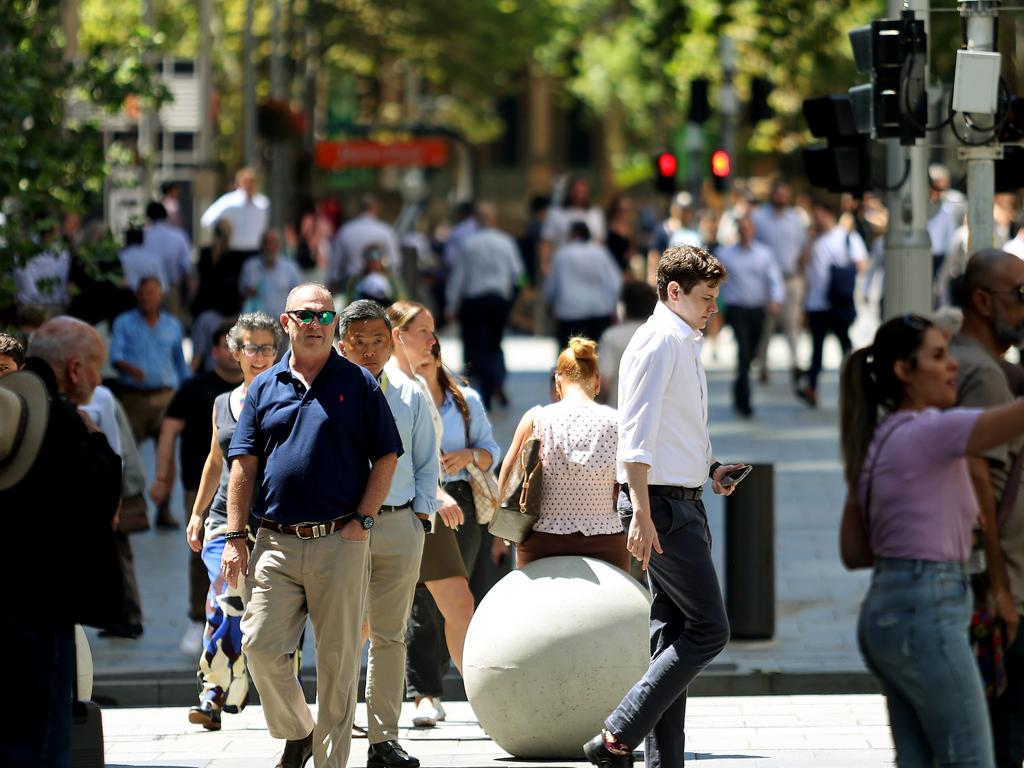
A significant portion of the Australian workforce is set to receive a welcome pay increase in the coming weeks, following the Fair Work Commission’s decision to boost the national minimum wage and award rates. This move is expected to inject much-needed financial relief for many households grappling with the rising cost of living.
The Fair Work Commission has approved a 4.75 per cent increase for those whose wages are determined by modern awards. This adjustment will directly benefit approximately 2.8 million Australians, representing about one-fifth of the total workforce.
Furthermore, the national minimum wage itself will see a substantial uplift. It will rise from $24.95 to $26.44 per hour. On a weekly basis, this translates to an increase from $948 to $1004.90. This applies to individuals not covered by a specific modern award or an enterprise agreement. These significant changes are scheduled to take effect from July 1st.
A Challenging Economic Landscape
Fair Work Commission president Adam Hatcher acknowledged the complexity of the economic environment that informed this year’s decision. He described the situation as “particularly challenging because of the unusual degree of complexity” within the Australian economy. A key factor influencing the commission’s deliberations was the global instability, specifically the outbreak of war in the Middle East and its subsequent impact on inflation. Mr. Hatcher referred to this as a significant “wildcard” in their economic assessment.
Government and Union Support for the Increase
The decision has been met with widespread approval from government figures and union representatives. Treasurer Jim Chalmers lauded the ruling, calling it “the pay rise millions of Australian workers need and deserve.” He emphasised that this represents the “sustainable real wage increase that we called for in our submission to the Fair Work Commission.”
Echoing this sentiment, Employment Minister Amanda Rishworth highlighted the crucial role this wage adjustment will play in alleviating cost-of-living pressures. She stated, “This is needed cost of living help for the minimum wage and award-reliant workers, many of whom are in lower-paid roles, work fewer hours, and have fewer financial buffers to fall back on.”
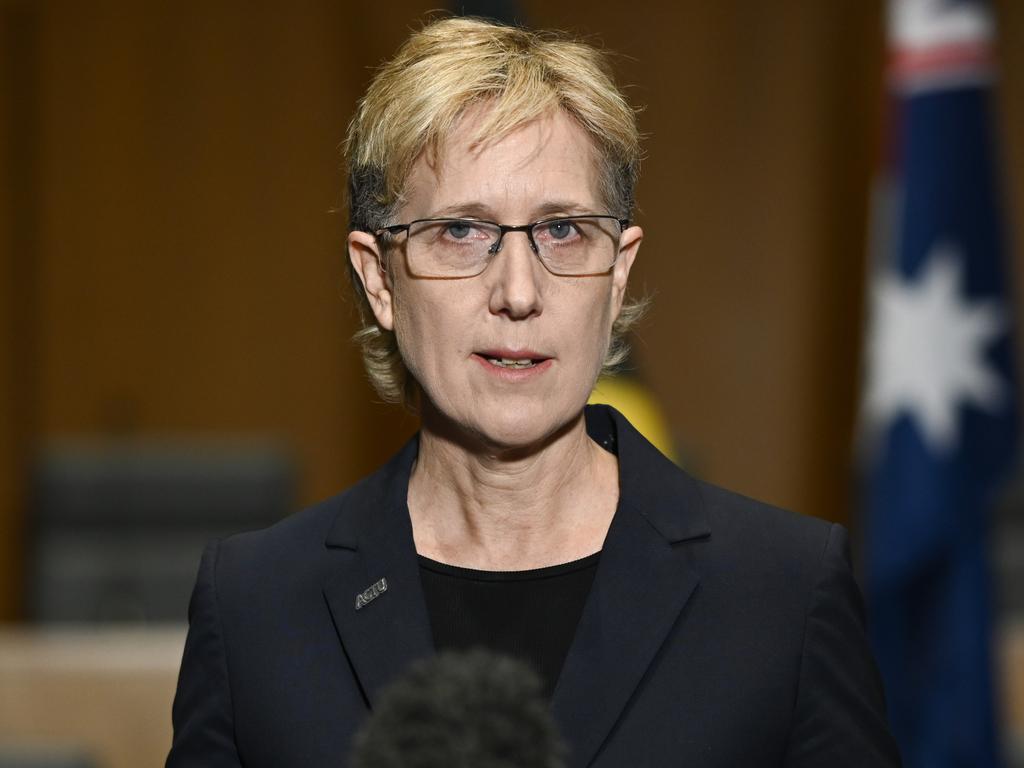
The Australian Council of Trade Unions (ACTU) secretary, Sally McManus, described the Fair Work Commission’s decision as “a really good outcome for everyone struggling with cost of living.” The ACTU had initially advocated for a more substantial pay increase of 6 per cent in their submission to the commission.
Business Concerns and Economic Perspectives
When questioned about the potential impact of the wage increase on businesses, Ms. McManus argued that businesses would ultimately benefit. She explained, “First of all, remember your workers are usually your customers as well. And if they go backwards and if they have to cut back, they’re going to cut back on spending.” She also pointed out that businesses often have the flexibility to adjust prices to account for inflation, a luxury not afforded to minimum wage earners.
However, the business community has expressed reservations. David Alexander, policy and advocacy chief at the Australian Chamber of Commerce and Industry (ACCI), cautioned that the 4.75 per cent increase “will be too much to bear” for some businesses. He articulated concerns that businesses might either pass the increased costs onto consumers, thereby fuelling inflation, or absorb the costs themselves, potentially leading to reduced investment or even business closures. The ACCI had previously recommended a more modest increase of 3.5 per cent.
Political Stance and Inflationary Pressures
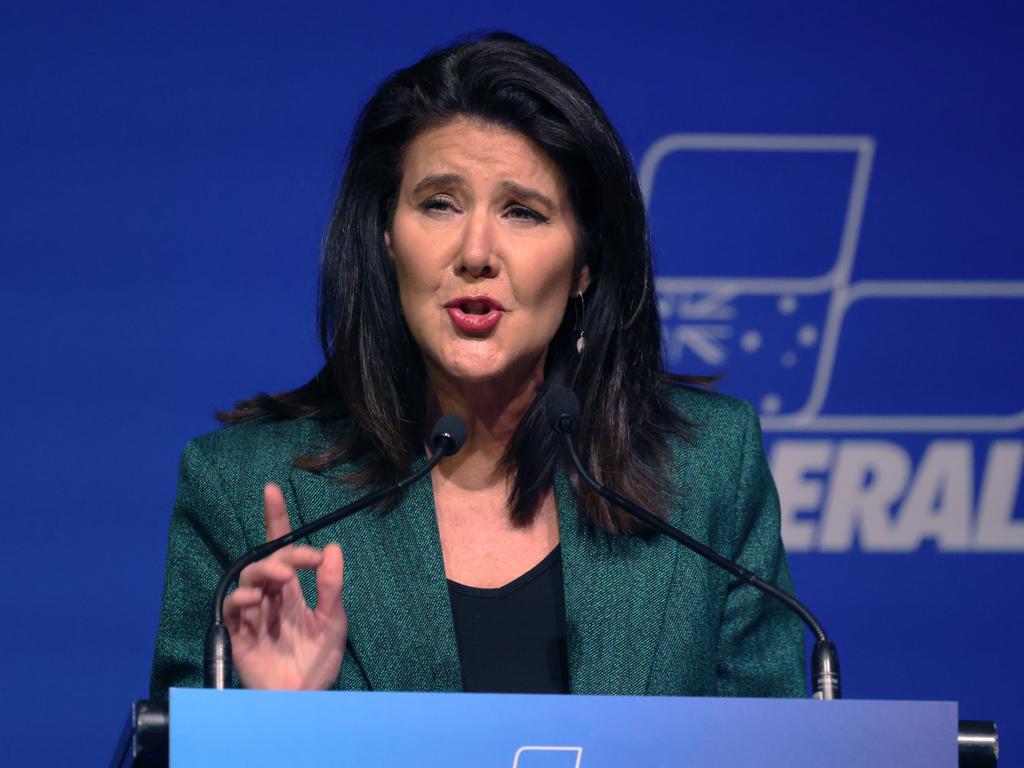
The Coalition has publicly supported the wage rise but has attributed the necessity for such an increase to government spending contributing to inflation. Deputy Opposition Leader Jane Hume commented, “There is little comfort in a wage increase if Labor’s inflation simply eats it away.” She stressed that the most effective way to improve living standards is through controlling inflation, boosting productivity, and fostering business growth.
Currently, inflation stands at 4.2 per cent, exceeding the Reserve Bank of Australia’s target range of 2-3 per cent. The Fair Work Commission operates independently of the federal government, though it does receive submissions from the government regarding proposed wage adjustments. The Albanese government had previously indicated its support for a “sustainable” minimum wage increase without specifying a particular figure.