
NSW Ministers Face Extended Sidelines Amid Transparency Battle
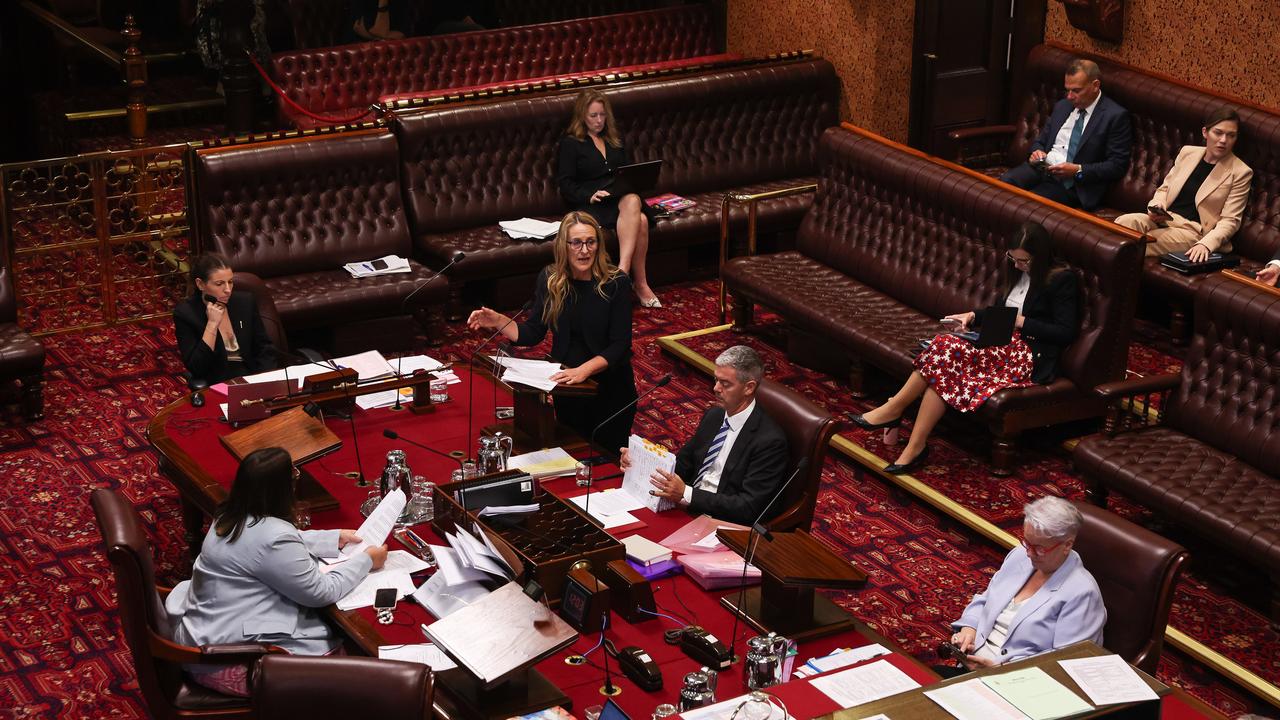
New South Wales (NSW) is currently witnessing a significant parliamentary showdown, with two key government ministers facing prolonged suspensions from the upper house. The opposition and crossbenchers have wielded the power of suspension to protest what they describe as a lack of transparency from the Minns Labor government.
Baca Juga: More News on Politics
NSW Environment Minister Penny Sharpe and Transport Minister John Graham have both been ejected from the NSW Legislative Council. Ms Sharpe’s suspension lasts an unprecedented two weeks. This measure stems from the government’s refusal to release a statement Premier Chris Minns provided to police regarding a 2015 sexual harassment allegation.
The issue has been a consistent point of contention, frequently raised by independent MP Mark Latham. Veteran coalition MP Damien Tudehope has voiced strong criticism, questioning the Premier’s motives on national radio.
“What has the premier got to hide that he would rather his minister be suspended from parliament rather than hand over these documents?” Tudehope stated in an interview.
Minister Sharpe urged her parliamentary colleagues to cease “playing games” and focus on passing essential legislation. “The people of NSW want politicians to get on with the job,” Sharpe told AAP, emphasising the need for parliamentary business to proceed.
The Power of Standing Order 52
The NSW Legislative Council possesses a powerful procedural tool known as Standing Order 52 (SO52). This allows the house to formally request documents from the government. When invoked, the government is generally compelled to produce the requested information.
However, the current Labor government has recently elected to resist several of these calls, leading to the current impasse. This tactic has directly led to the suspensions of both Ms Sharpe and Mr Graham. Mr Graham’s ejection followed a similar pattern after efforts to obtain a report on hate speech laws were met with resistance.
Broader Concerns About Government Transparency
The controversy highlights a growing concern about government transparency in NSW, a sentiment echoed by Clancy Moore, head of Transparency International Australia. Moore noted that this is not a new issue but has become more prevalent in recent years.
“We’re seeing issues around freedom of information requests and the excessive use of cabinet-in-confidence to block information,” Moore told AAP. He stressed the critical importance of transparency in the current climate to maintain trust.
The government’s refusal to release the hate speech laws report has further fuelled these concerns. The government cited cabinet confidentiality and the need to formulate a unified policy position as reasons for delaying its release.
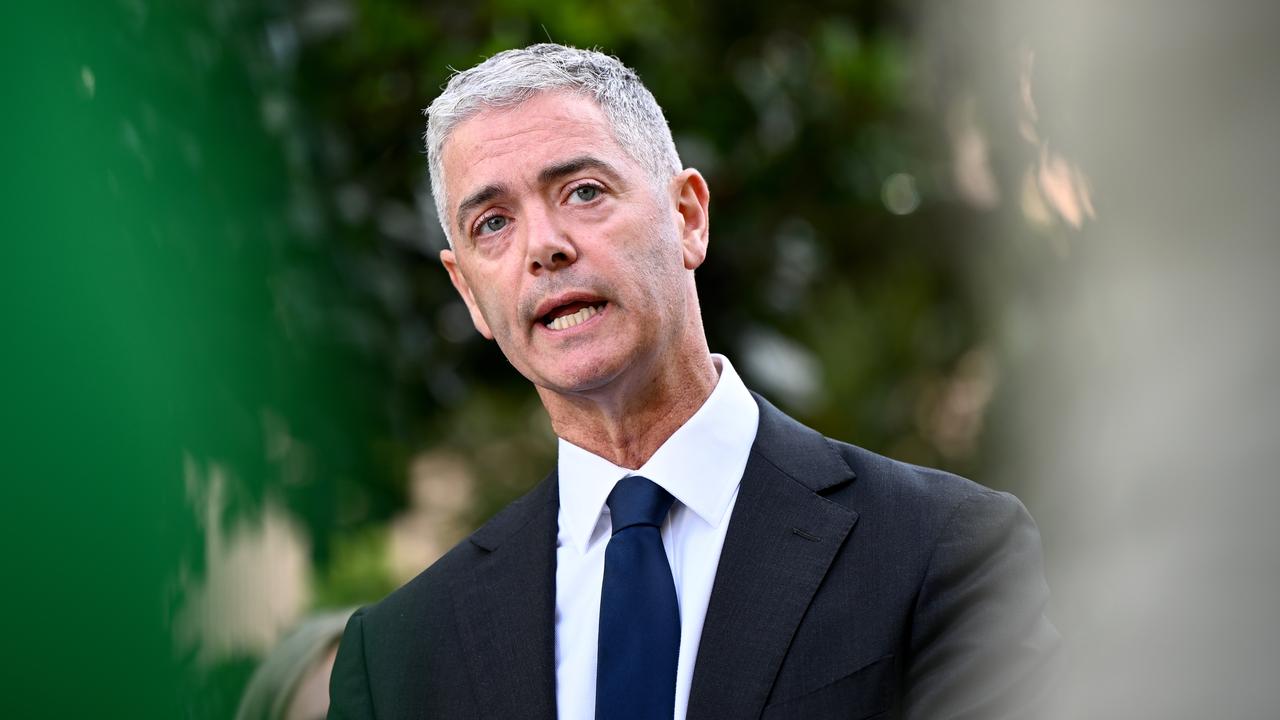
With the parliamentary calendar set to resume, Mr Graham could face further suspension. The ongoing situation raises fundamental questions about accountability and the public’s right to information in the state’s governance.


