
New Zealand’s Leaders Express Concern Over US Actions in Iran
New Zealand’s political leaders have voiced strong concerns over the escalating tensions involving the United States and Iran, with some of the most direct criticism yet directed at President Donald Trump’s rhetoric. As the situation continues to unfold, New Zealand’s foreign minister, Winston Peters, is currently in Washington DC for meetings with US Secretary of State Marco Rubio. This comes as domestic leaders express growing unease over the potential for further military escalation.

The recent attacks on Iran by US and Israeli forces, which began on February 28, have prompted a series of alarming threats from President Trump. He has suggested targeting civilian infrastructure such as bridges, reservoirs, and other critical facilities to force an Iranian surrender. This has raised serious concerns among New Zealand’s leadership, who view such statements as both unhelpful and dangerous.
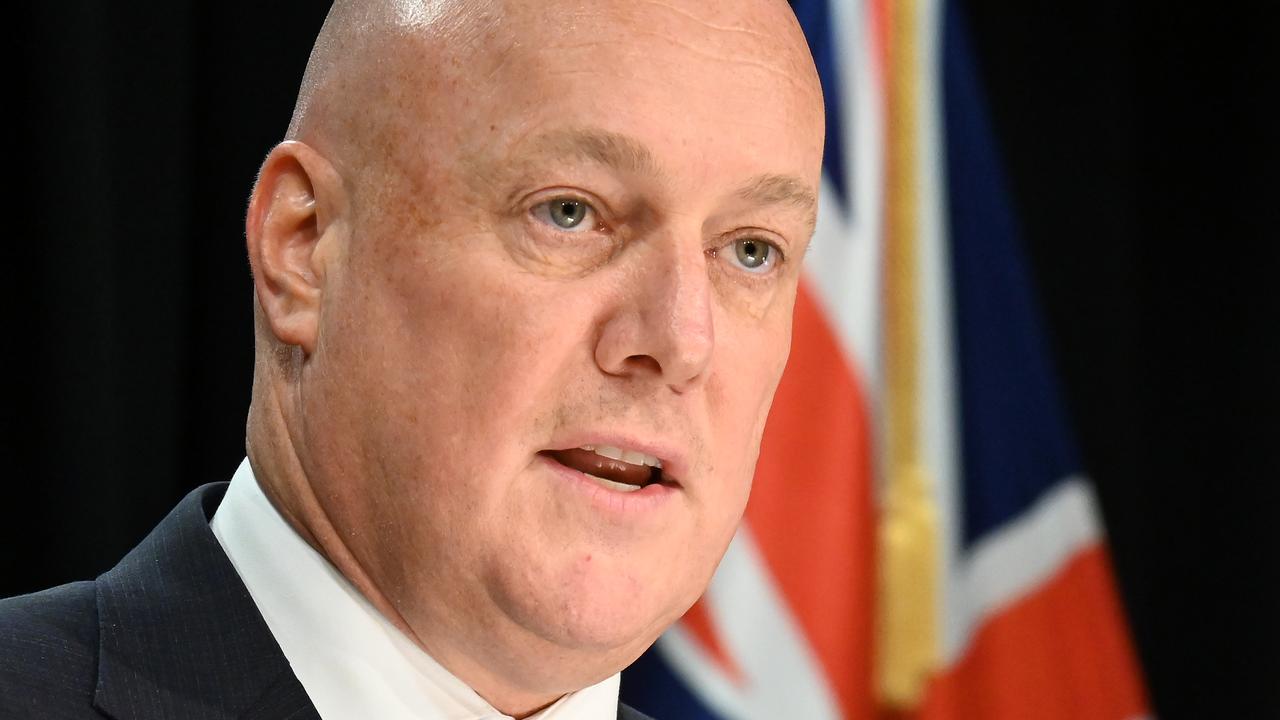
Prime Minister Chris Luxon described the president’s language as “unhelpful” and emphasized that “more military action is not necessary.” In a statement to Radio NZ, he said, “We’re gravely concerned.” He added that all parties involved should comply with international law and that threats to bomb civilian infrastructure would be unacceptable. Luxon reiterated New Zealand’s consistent call for de-escalation between the US and Iran.
Opposition Leader Chris Hipkins was even more critical, calling Trump’s behavior “alarming” and “totally unacceptable.” He argued that the president’s actions are diminishing the significance of his office and questioned whether such conduct is appropriate for someone in such a powerful position.

New Zealand’s two major political parties have taken different stances on the issue. While Prime Minister Luxon’s conservative government remains non-committal about its position on the US-Israel operations in Iran, opposition leader Chris Hipkins’ Labour Party strongly opposes the action, comparing it to the 2003 Iraq invasion, which New Zealand also condemned.
In contrast, Australia’s major political parties have largely supported the US-Israel actions in Iran. The more direct criticism from New Zealand stands out, especially when compared to the generally more supportive stance of Australian politicians toward the US president.
New Zealand is not formally allied with the United States, although it shares strategic interests with both Washington and Canberra in countering China’s growing influence in the region. This relationship plays a key role in shaping New Zealand’s foreign policy approach.
Winston Peters, who is currently in Washington DC, has stated that this week’s talks are crucial and occur in what he calls the “most challenging global context” since World War II. In an interview with AAP before the Iran crisis, he mentioned his intention to re-engage US interest in the Pacific. Prime Minister Luxon confirmed that this issue will remain central to the bilateral discussions, alongside efforts to gather information on US plans regarding Iran.
Domestic Impact of the Middle East Crisis
One of the primary concerns for New Zealand from the Middle East conflict is the rising cost of fuel. Petrol prices have surged to $NZ3.48 ($A2.91), while diesel has reached $NZ3.75 ($A3.10). This increase has led to government intervention to secure fuel supplies and build up reserves, reflecting the immediate economic impact of the ongoing crisis.
As tensions continue to escalate, New Zealand’s leaders remain focused on advocating for peaceful resolution and compliance with international law. Their stance highlights a distinct approach compared to other regional allies, emphasizing diplomacy over military confrontation.


