
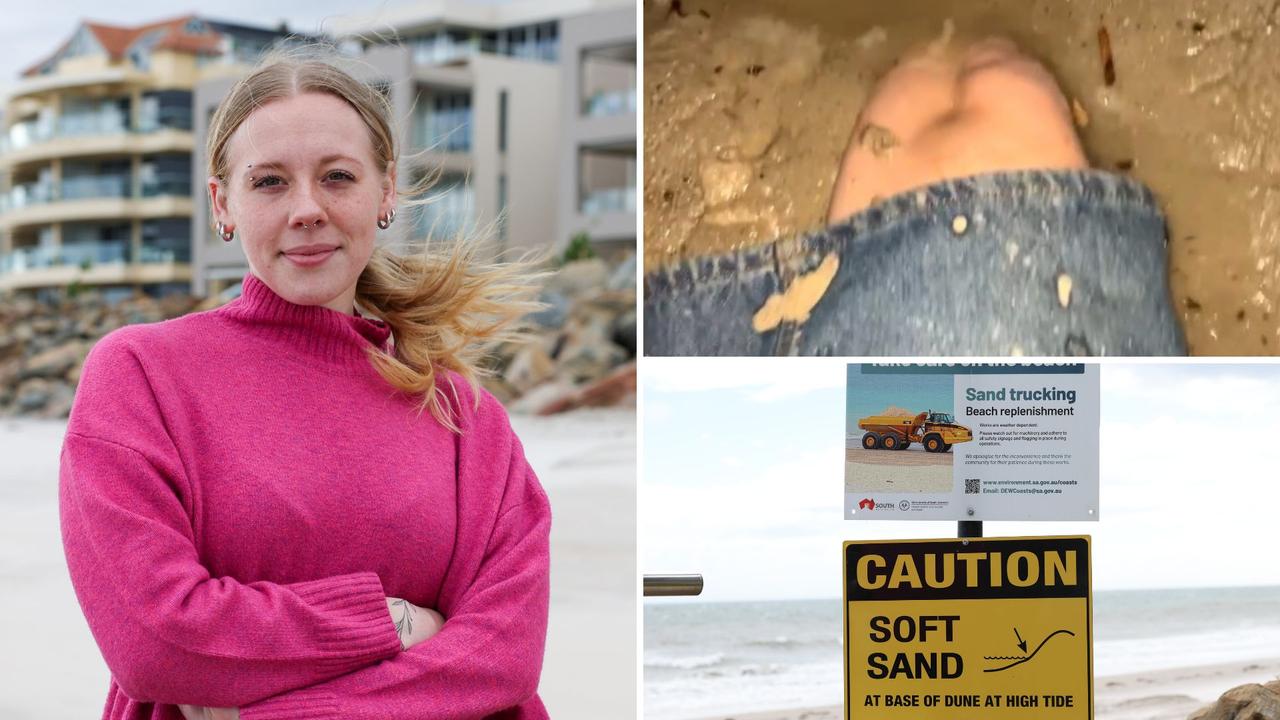
Young Woman’s Terrifying Ordeal in Glenelg Beach Quicksand
A routine beach stroll along Adelaide’s popular Glenelg Beach took a frightening turn last month when a young woman found herself perilously trapped in a patch of quicksand. Madz June was walking with a friend on May 19 when she hopped down from a rocky outcrop, only to plunge straight through the sand into a deep pit.
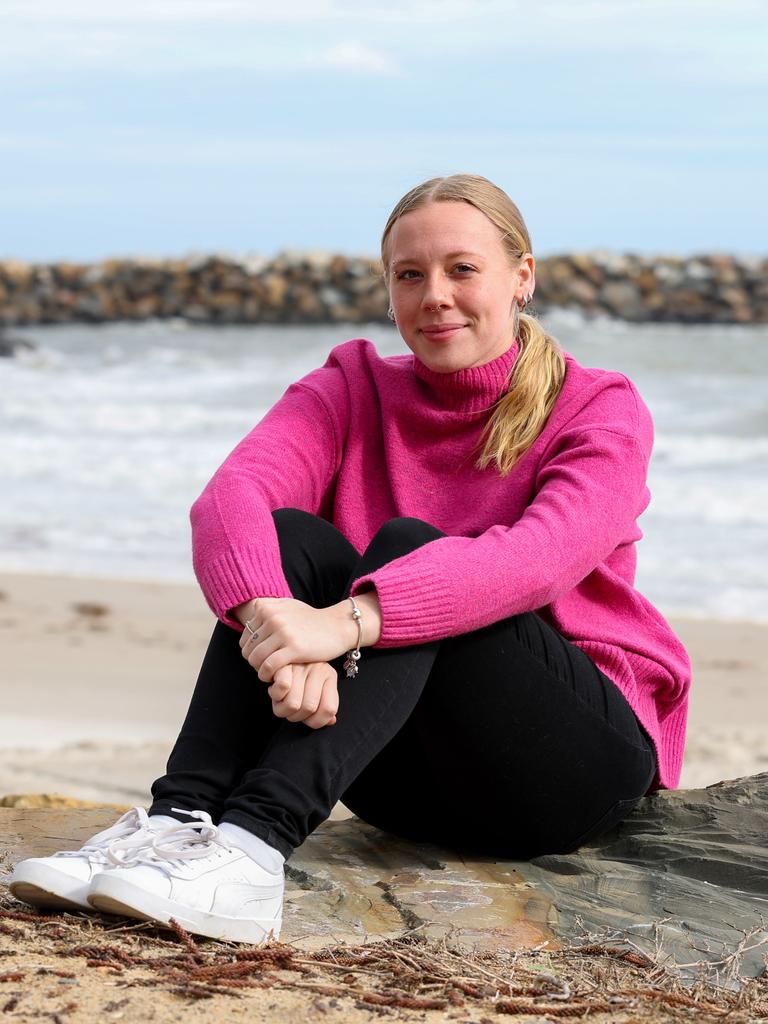
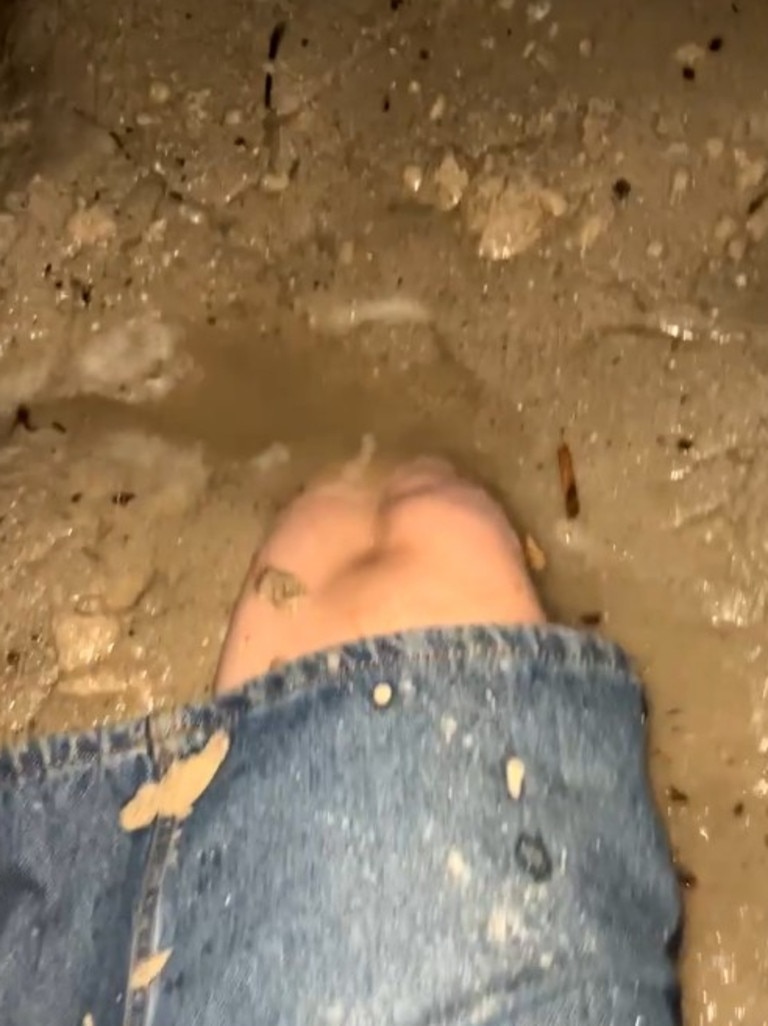
Initially, Ms June described the experience as “hilarious,” but the humour quickly faded as she realised the gravity of her predicament. “I asked my friend to Google what to do, and it said to try and move my foot around … it wouldn’t budge,” she recounted to media outlets. The sensation was unnerving, with Ms June explaining, “My foot was really trapped, it actually felt like it was in a vacuum-sealed bag.”
After approximately fifteen minutes of increasingly desperate struggling, it became clear that the treacherous sand was rising to her waist, and escape on her own was impossible. Fortunately, her quick-thinking friend managed to contact emergency services. Within the hour, Ms June was safely extracted from the sticky mire.
Reflecting on the incident, Ms June expressed serious concern for others who might face a similar situation. “My main concern was if it was an elderly person or a young child that had been in that situation, they may not have been able to get themselves out,” she stated. “Gratefully, I had a friend and I had a phone with me so I was able to get out of the situation, whereas other people may not be in such good luck.”
Another Close Call on the Sands
Ms June’s harrowing experience is not an isolated incident on Glenelg Beach. Just recently, local wellness influencer and photographer Sarah Darbyshire encountered the same dangerous sinking sand while out walking her dog, Bean.
“Bean and I went for a beach walk and somehow ended up in sinking sand,” Ms Darbyshire shared on her Instagram page. She recounted a moment of pure panic as her dog, Bean, was almost swallowed by the sand first. “Bean almost disappeared first, so I rescued him, launched him onto solid ground, threw the poo bag, shoved my phone in my pocket and then realised I was sinking too.”
Adrenaline, Ms Darbyshire said, kicked in, enabling her to muster the strength to pull herself free from the treacherous grip of the sand.
Council Responds with New Warning Signs
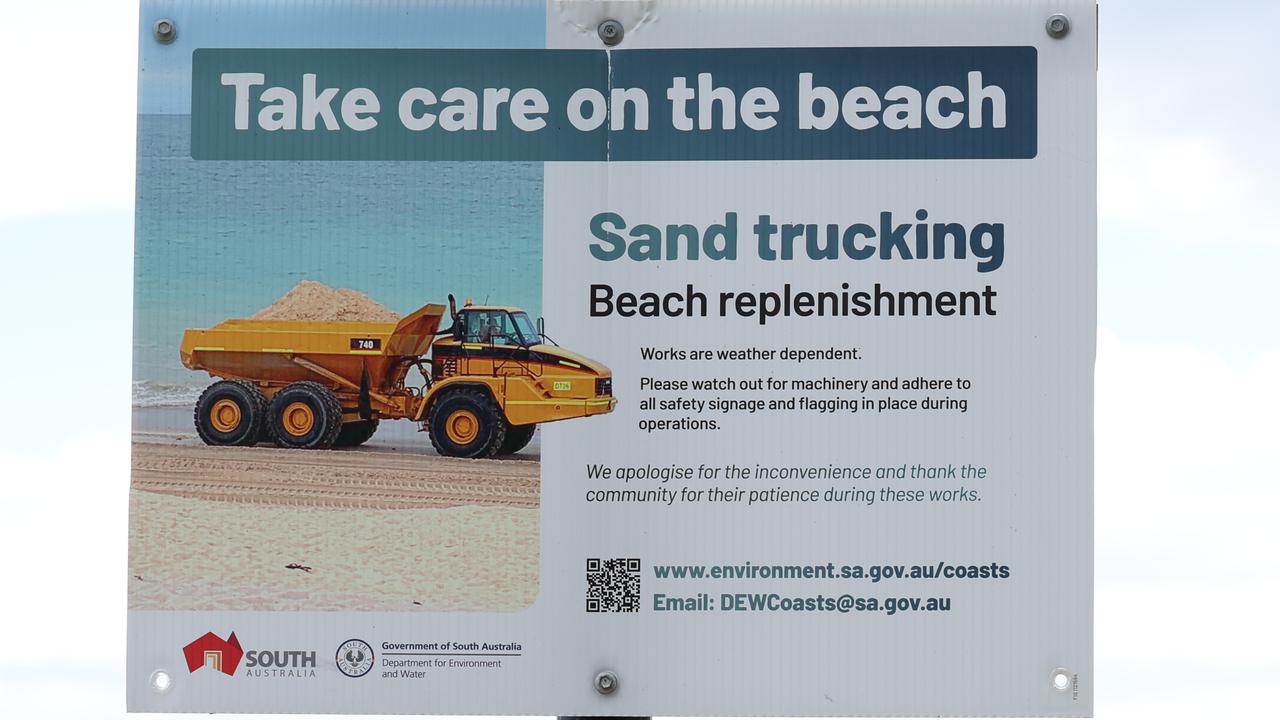
In response to these alarming encounters, the Holdfast Bay Council has taken proactive steps to enhance public safety. New warning signs have been installed along the shoreline to alert beachgoers to the potential dangers of soft or sinking sand.
The South Australian Department of Environment and Water, responsible for the administration of most Adelaide beaches, confirmed that public safety signage warning of “soft sand” was erected on April 27. This action followed the deposition of new sand at Glenelg Beach North.
A spokesperson for the Department explained the annual practice: “As occurs every year, natural beach sand is collected from where it accumulates at West Beach Harbour and placed at Glenelg North to raise beach levels and provide vital protection for coastal infrastructure and properties from winter storms, such as those forecast for this week.”
They emphasised the importance of this work: “This annual work is vital to protect important coastal infrastructure, including the rock walls, roads and footpaths. Public safety signage was erected at every beach access pathway from Glenelg North to West Beach Boat ramp before the work was carried out on April 27.”
The Department reiterated that the signage remains in place and strongly urged the public to exercise caution, particularly during periods of inclement weather.
Understanding the Risks of Sinking Sand
Sinking sand, often colloquially referred to as quicksand, is a naturally occurring phenomenon that occurs when sand is saturated with water. This saturation reduces the friction between the sand particles, allowing them to behave more like a liquid. When a person or object with significant weight steps onto this saturated sand, the displacement of water can cause the sand to lose its structural integrity and begin to sink.
The danger lies in the buoyancy effect. While quicksand can support a considerable amount of weight, it’s the entrapment that poses the risk. As a person sinks, the surrounding sand can create a vacuum-like effect, making it incredibly difficult to move limbs. The deeper one sinks, the more pressure is exerted by the surrounding sand, making escape increasingly challenging.
Factors that can contribute to the formation of sinking sand include:
- Proximity to water sources: Areas near rivers, coastlines, or with high groundwater tables are more susceptible.
- Water saturation: Heavy rainfall or tidal influences can saturate beach sands.
- Underlying geological conditions: Certain soil types and underground water flows can create unstable conditions.
While the incidents at Glenelg Beach have highlighted the immediate dangers, understanding the science behind sinking sand can help beachgoers make informed decisions and stay safe when enjoying our coastal environments. The new signage serves as a crucial reminder to be vigilant and aware of the ever-changing nature of our beaches.

