
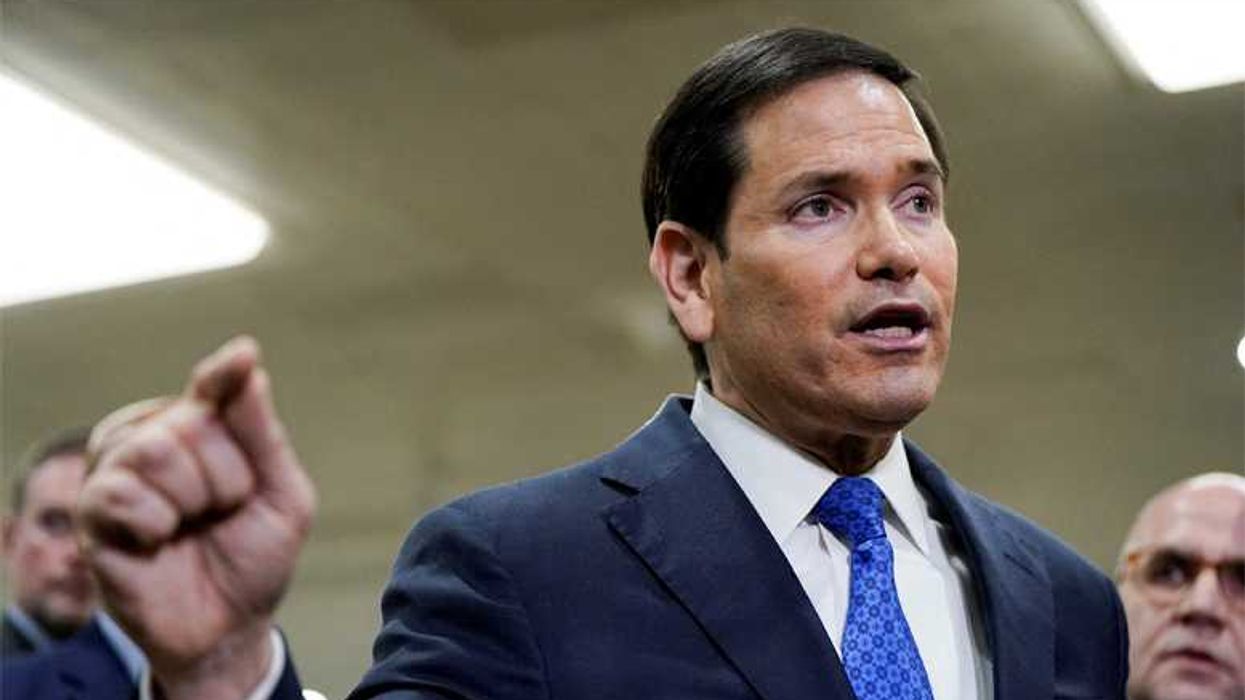
A New Era for Diplomacy: The State Department’s Formal Dress Code
A wave of amusement and skepticism swept through social media on Friday, sparked by a surprising announcement from the U.S. State Department. For the first time in its history, the agency introduced a formal dress code for diplomats and staff, requiring them to wear “business formal” attire during any official engagement with foreign counterparts.
This new policy was included in the Foreign Affairs Manual, the department’s comprehensive guide to policies and procedures. According to Fox News, the update aims to ensure that U.S. diplomats present a professional image that reflects the dignity of the nation they represent.
Assistant Secretary Dylan Johnson emphasized the importance of this change, stating on X: “Representing the United States of America is an honor — and this new policy ensures our diplomats project credibility, respect, and the dignity of the nation we serve.”
Shifts in Policy and Priorities
The dress code is part of a broader set of changes affecting how the State Department operates. These reforms include updates to hiring, promotion, and evaluation practices, which have shifted focus away from diversity and inclusion towards a new emphasis on “fidelity” to the chain of command.
Mid- and senior-level diplomats are now expected to demonstrate loyalty by “zealously executing U.S. government policy” and resolving any ambiguity in favor of leadership direction. This shift has raised concerns among some observers about the potential impact on the department’s culture and effectiveness.
Earlier this year, Marco Rubio also reversed the use of certain fonts adopted during the Biden administration, a move seen as symbolic of a broader cultural recalibration within the department.
Cultural Changes and Criticisms
The changes come as the State Department plans to reduce staffing and consolidate offices, aiming to reshape the foreign service in line with Trump’s vision. However, these moves have not been universally welcomed.
Social media users were quick to mock the announcement. Russell Seitz, emeritus fellow at Harvard University, quipped: “Does this mean Eric and Kash can’t wear their Star Trek uniforms when King Charles comes to dine?”
Ron Filipkowski, editor-in-chief of Meidas Touch, was more direct, asking: “I didn’t realize we still had diplomats. What do they do?”
Robert Manning, a distinguished fellow at the Stimson Center, questioned the significance of the dress code, asking: “Does it matter how a reckless, predatory rogue state dresses?”
Realities of Diplomatic Work
Former U.S. Ambassador Luis Moreno offered a pointed critique, highlighting the challenges faced by many diplomats. He noted that some officials work in high-risk environments, often requiring them to wear full body armor and helmets in extreme weather conditions.
“This DOGE alum never served a day in a high threat post. Imagine having to leave the embassy for a meeting in 120-degree weather and wearing full body armor and helmet. That’s the reality many FSO’s face on a daily basis,” he said.
Conclusion
The introduction of the formal dress code marks a significant shift in the way the U.S. State Department approaches its operations. While the policy aims to enhance the professionalism and image of U.S. diplomats, it has also sparked debate about the priorities and values of the department. As the State Department continues to evolve, the balance between tradition, modernization, and practicality will remain a critical issue for diplomats and policymakers alike.


