
Key Issues Shaping the Farrer By-Election
The upcoming Farrer by-election is set to be a pivotal moment for One Nation, with two major issues—gas exports and water management—playing a critical role in determining the party’s success. The contest is shaping up as a close race between One Nation candidate David Farley and independent Michelle Milthorpe, with the Liberal Party selecting lawyer Raissa Butkowski to challenge them.
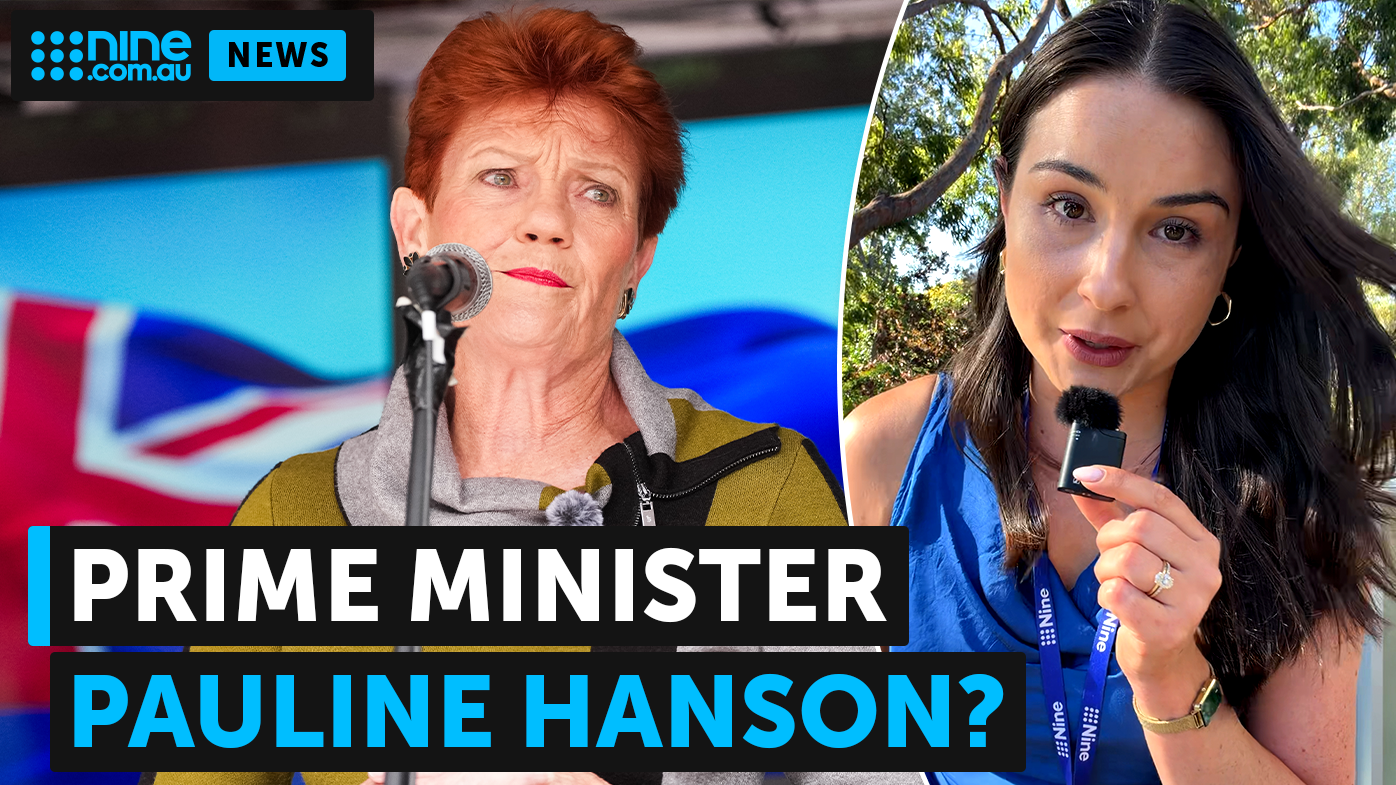
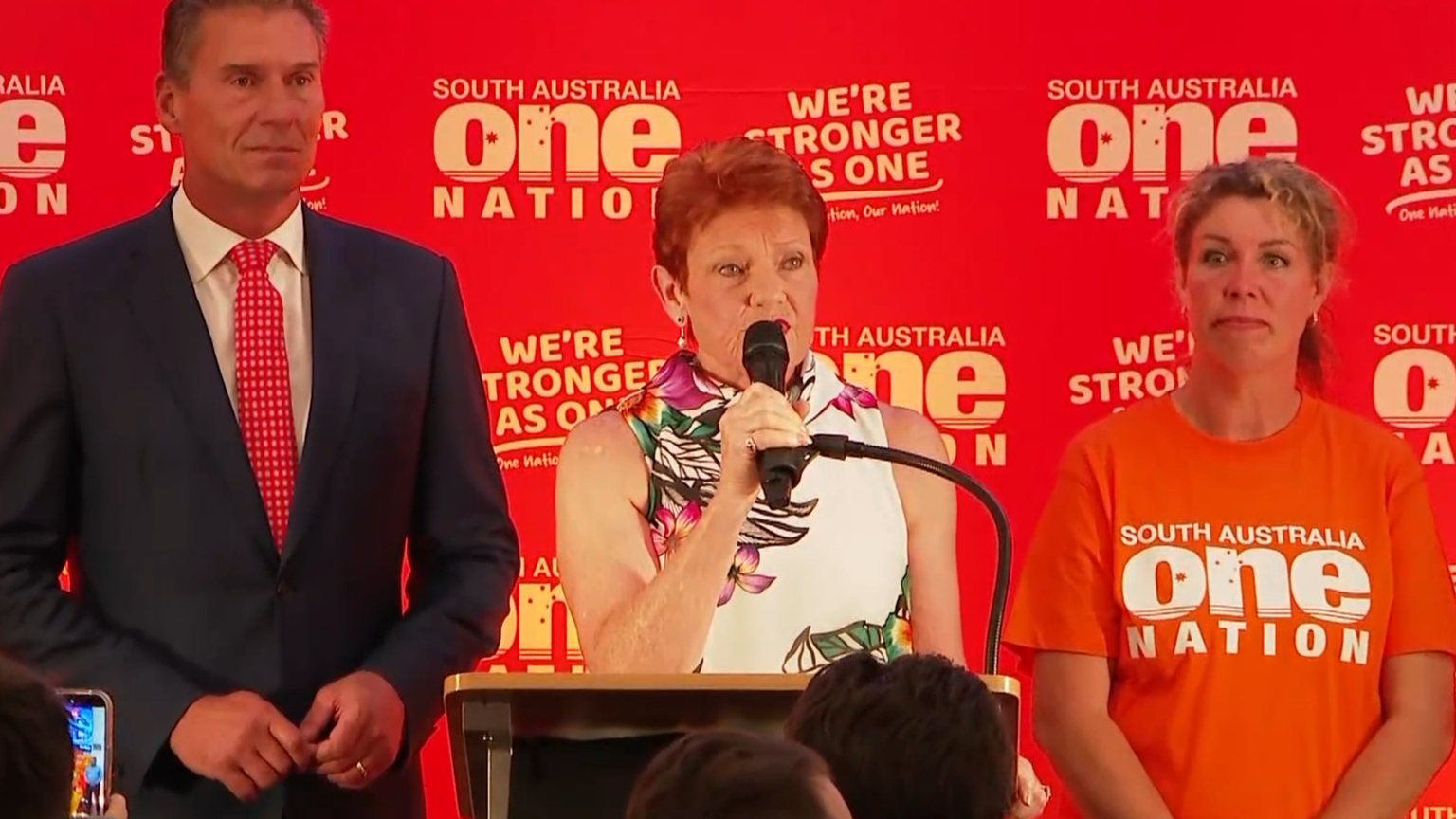
Pauline Hanson, the leader of One Nation, has expressed confidence that the major political parties have lost the trust of voters in the south-western NSW seat. She highlighted concerns over the federal government’s plan to buy back more water from the Murray-Darling Basin, which she believes has not been properly addressed.
“I think both major political parties have a lot to answer about the water issue,” Hanson said. “That has never been sorted out. I believe that we need a royal commission into the Murray-Darling Basin and how that’s been handled.”
Hanson also claimed that Labor and the Coalition are out of touch with grassroots Australians, pointing to mismanagement of resources as a key factor pushing voters away, especially in regional areas. For One Nation, the Farrer by-election represents a potential golden opportunity to capitalize on this growing dissatisfaction.
Water Reform and Farmer Concerns
Water reform is a central part of Farley’s campaign. As a former jackaroo, irrigation specialist, and cotton farmer, he has positioned himself as an expert on water management. He promises to prioritize “disciplined” water management if elected.
However, some experts suggest that One Nation’s climate policy may not align well with the needs of rural voters. Dr Richard Denniss, co-chief executive of The Australia Institute, noted that while farmers may share Hanson’s frustration with the government, they understand that addressing climate change is essential for the long-term health of the Murray-Darling Basin.
“Farmers know that climate change is real, and while they may share Pauline Hanson’s anger at the major parties, they know that anger won’t bring the river back to good health,” Denniss explained.
Farley’s personal conduct has also come under scrutiny. Family First, a minor party, has decided not to preference One Nation due to concerns about his record. Farley was accused of sharing erotic posts on Instagram and making controversial comments about former Prime Minister Julia Gillard.
Farley defended his remarks, calling them “tongue-in-cheek” and claiming they were taken out of context. However, Family First’s national director, Lyle Shelton, criticized the comments as offensive and demeaning to women.
“This points to a deeper problem,” Shelton said. “Politics should be about lifting standards, not lowering them. The character of candidates matters.”
Gas Exports and Voter Sentiment
The issue of gas exports is just as significant as the Murray-Darling Basin for farming communities in the region. A survey found that more than 77 per cent of respondents believed Australia exports too much gas.
“The polling makes clear that a strong majority of all voters in Farrer, and an even stronger majority of One Nation voters, want Australia to get a fairer share of the profits from the enormous amount of gas we export,” Denniss said.
While some voters may prioritize the health of the Murray-Darling Basin, Denniss emphasized that these issues are interconnected. “The issues aren’t unrelated,” he added.
A March poll conducted by The Australia Institute showed that Farley was narrowly leading Milthorpe on primary votes. Of the 1000 Farrer voters surveyed, 28.7 per cent said One Nation would receive their first preference vote, ahead of the independents at 23.3 per cent and the LNP at 19.1 per cent.
Farley declined to comment when contacted by Nine.com.au.
Preference Flows and Voter Influence
The outcome of the Farrer election will depend on complex preference flows. However, Denniss stressed that the final decision rests with individual voters.
“But ultimately it’s important for each voter to understand that it is the individual with the pencil in their hand that decides where their preferences go, not any political party,” he said.
As the by-election approaches, the focus remains on the key issues of water and gas, with voters playing a crucial role in shaping the future of the seat.


