

The Unseen Hierarchy: How University Pedigree Shapes South Korea’s Job Market and Society
For recent graduates and young professionals in South Korea, the path to a fulfilling career is often overshadowed by an invisible yet formidable barrier: the prestige of their alma mater. While skills and effort should ideally dictate success, the nation’s deeply ingrained academic hierarchy, particularly the divide between “in Seoul” universities and those outside the capital, significantly influences hiring decisions, leading to widespread feelings of inadequacy and systemic discrimination.
Lee Hyun-jun, a 22-year-old university student, recently discharged from mandatory military service, has already encountered this “invisible wall.” “Whenever I search for jobs, internships, or fellowship programmes on online platforms, they always ask for the name of your university,” Lee shared. He notes the common sentiment in online comments: “Most places prioritise which school you graduated from. They say you might as well give up if you’re from a regional university outside Seoul.” This stark reality hits close to home for Lee, an education major attending a university in Gwangju, a city in the southwestern region. “I thought that I would finally be able to live a life I wanted based on my skills and efforts, but I realised that society just gave you a rank that you had to wear longer than your time in the military.”
The “SKY” Stratification and its Societal Impact
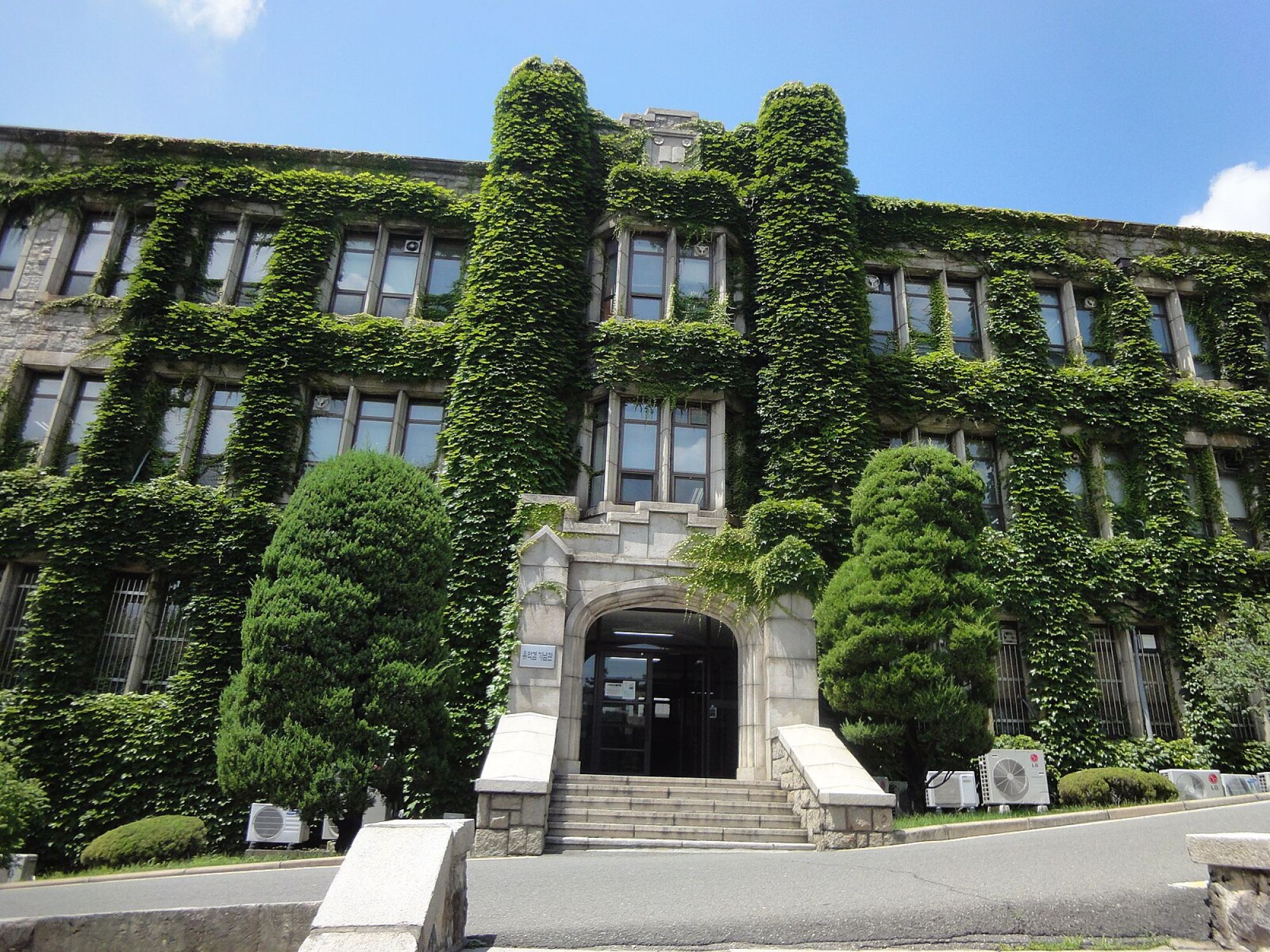
In South Korea, universities are broadly categorized into two main tiers: those located within the capital, Seoul, and those situated elsewhere. At the apex of this academic pyramid sits the “SKY” acronym, representing Seoul National University, Korea University, and Yonsei University. These three institutions are considered the most prestigious, with their graduates often having a distinct advantage in the job market. While a few elite science institutions, such as the Korea Advanced Institute of Science and Technology in Daejeon, also hold significant prestige, the overwhelming majority of desirable university placements are in Seoul.
This intense desire to attend top-tier universities fuels the highly competitive College Scholastic Ability Test (CSAT), known as Suneung. The stakes are so high that nearly 30 per cent of test-takers repeat the exam multiple times in pursuit of a coveted spot in an “in Seoul” university.
The pervasive nature of this fixation on academic pedigree is not merely anecdotal. A 2024 poll by the national broadcaster Korea Broadcasting System revealed that discrimination based on academic background was perceived as the most severe form of prejudice in South Korean society, garnering almost 30 per cent of all votes. Educators and policymakers are increasingly vocal about the detrimental effects of this relentless competition, warning that it contributes to chronic stress among children as young as seven and shapes broader societal trends, including delayed marriage and declining birth rates.
The Roots of the Problem: Hiring Practices and Academic Credentialism
Song In-soo, co-founder of the civic group Spring of Education, identifies the core issue: “The reason academic background carries such importance is because hiring practices have been centred around which school you attended. This is directly connected with which kind of job you can land,” he explained. “People feel they must enter certain universities to acquire higher pay and stable employment.”
This belief is widely held. A 2024 survey by Spring of Education and pollster Realmeter found that a staggering 85 per cent of respondents believed their alma mater influenced job applications, with 75 per cent deeming discrimination based on educational background to be severe.
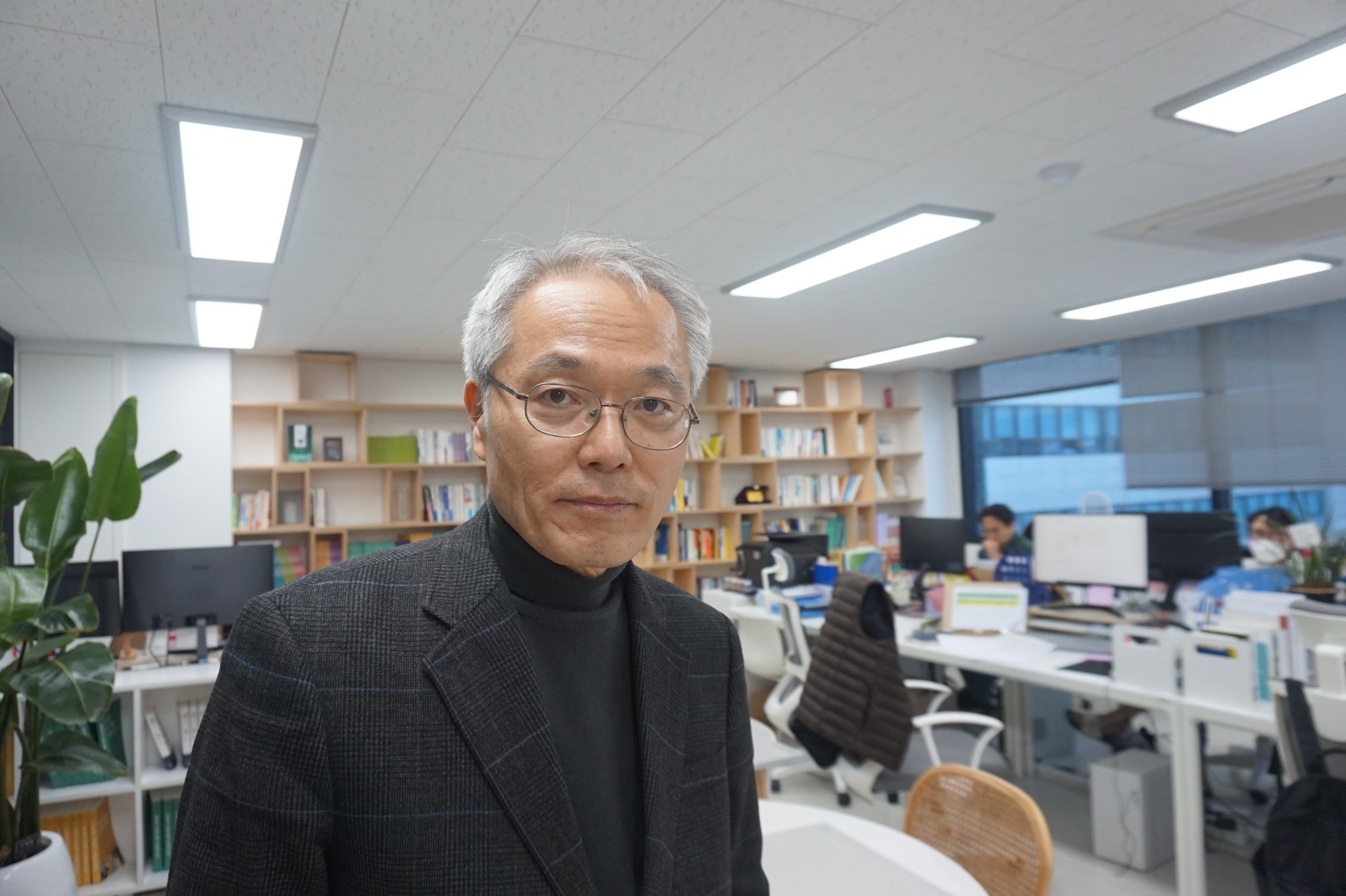
In response, civic groups and legislators are pushing for change. Last week, an organization hosted a rally at the National Assembly Library to advocate for a bill aimed at prohibiting hiring discrimination based on academic background. The proposed legislation seeks to remove applicants’ educational backgrounds from job-related documents, focusing instead on evaluating candidates based on job-related competencies and present abilities, rather than past academic achievements. While the bill has been introduced, it faces a legislative process before a final vote. Critics argue that existing prohibitions against educational discrimination have been weakly enforced.
Broader Societal Consequences: Education Spending and Mental Health
The intense competition for university admission has far-reaching societal consequences. The reliance on private education is substantial, with nearly 80 per cent of students enrolled in private schools, an 11.2 per cent increase since 2015. Families spend an average of 7.6 hours per week and approximately 474,000 won (US$330) per month on private tutoring. Total private education spending reached 29 trillion won (US$20 billion) despite a declining student population, and nearly half of children under six now attend private academies.
The mental health toll is equally alarming. In 2023, the suicide rate among individuals under 18 reached a record high of 3.9 per 100,000. For 15- to 19-year-olds, the rate was 11.4 per 100,000, and for those aged 12 to 14, it was 5 per 100,000. South Korea also ranked a concerning 30th out of 34 OECD countries for life satisfaction among 15-year-olds, according to the statistics ministry.
Lee recounts a disheartening experience at a recent job fair, where an advisor told him he was at a disadvantage due to his schooling background. “The adviser suggested that I concentrate on building up my resume as my schooling background would not give me an advantage during job applications,” he recalled. “There’s this notion that you go to regional universities if you don’t score well on Suneung. People believe these are students who don’t study enough or lack in some areas. I also eventually gave in to this belief.” He further points out that scholarships, fellowships, and cultural infrastructure are heavily concentrated in Seoul, exacerbating the disparity.
Towards a More Equitable Future?
The issue has gained political traction, with President Lee Jae Myung’s administration proposing the creation of “10 Seoul National Universities” across the country to decentralize elite university resources and funding.
Song of Spring of Education remains cautiously optimistic, noting that his organization has observed shifts in hiring practices. Sectors such as public institutions, IT, start-ups, and finance are increasingly prioritizing skills over academic background. Some national banks have adopted blind hiring systems, removing university names from application forms and interviews. However, he acknowledges a disconnect: “The big problem is that people, especially students’ parents, are not really aware of these changes happening in the job market,” Song stated. “People see application forms always having a section to insert one’s university, so they can’t completely trust companies when they claim that they don’t look at educational backgrounds as much as before.”
Rethinking University Specialization and Admission
Not all educators believe that legal reform alone will suffice. Kim Tae-kyun, a researcher at the Educational Research and Innovation Centre of Korea, argues for more profound structural changes. “Our country places a strong emphasis on having strong multidisciplinary universities,” he commented. “If universities were to develop by specialising more in diverse fields and majors – almost like specialised institutions – they could diversify how they select students. That kind of diversification at the university level would, in turn, influence high schools as well.”
Kim criticizes the current system, where elite universities like those in the “SKY” group often promote the idea that companies seek well-rounded graduates, sometimes devaluing specialized expertise. This has led to specialized institutions, such as industrial, arts, and vocational colleges, being relegated to a lower tier in the educational hierarchy. “Right now, the available admission tracks are rigidly defined around mechanisms like the CSAT and student records, and selection takes place only within those limited channels. As a result, the system inevitably becomes exam-centred, and I believe that in itself is a problem.”
Lee reflects on this rigidity, wishing he had more freedom in high school to pursue his interests. He recalls excelling in math competitions and asking questions in class that sparked his curiosity, only to be ignored by classmates. “I wonder what could’ve been if I continued to follow my passion in maths, or if I really studied how to read and write English instead of solving the same Suneung questions over and over again.” The quest for a more meritocratic and less pedigree-driven society in South Korea remains an ongoing and complex challenge.


