Southwest Airlines Cuts Key Routes, Shifting Focus from Major Hubs
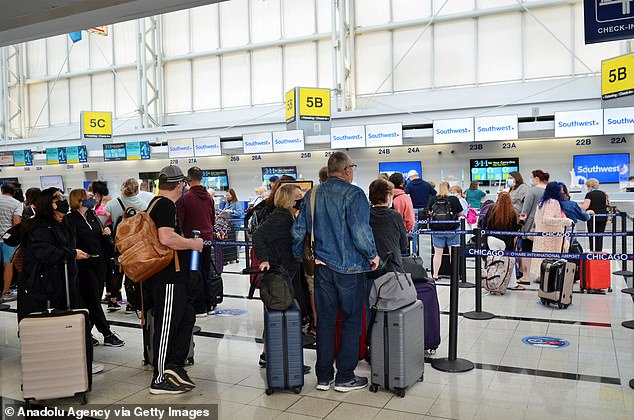
Southwest Airlines has announced a significant shake-up to its network, with plans to cease operations at two major airport hubs in the coming months. The budget carrier confirmed it will be discontinuing all flights in and out of Chicago O’Hare International Airport and Washington D.C.’s Dulles International Airport, effective June 4th. This strategic shift signals a move by Southwest to refine its operational footprint and concentrate its resources.
The decision, while impacting travellers using these specific airports, is part of a broader effort by Southwest to optimise its network. A spokesperson for the airline stated that the move is driven by “ongoing efforts to refine its network,” aiming for greater efficiency and focus.
Passengers who have booked flights to or from Chicago O’Hare or Dulles will be offered two primary options: rebooking their flights to an alternative Southwest-serviced airport or receiving a full refund. For employees based at these affected airports, Southwest has indicated that opportunities exist to transfer to other open positions, including roles at nearby airline hubs, ensuring continuity for its workforce.
Continued Service to Chicago and D.C. Metro Areas
Despite the withdrawal from O’Hare and Dulles, Southwest Airlines stressed that it remains committed to serving the broader Chicago and Washington D.C. metropolitan areas. The airline will continue to operate extensively from Chicago Midway International Airport and the Washington D.C. area’s Ronald Reagan Washington National Airport (DCA) and Baltimore/Washington International Thurgood Marshall Airport (BWI).
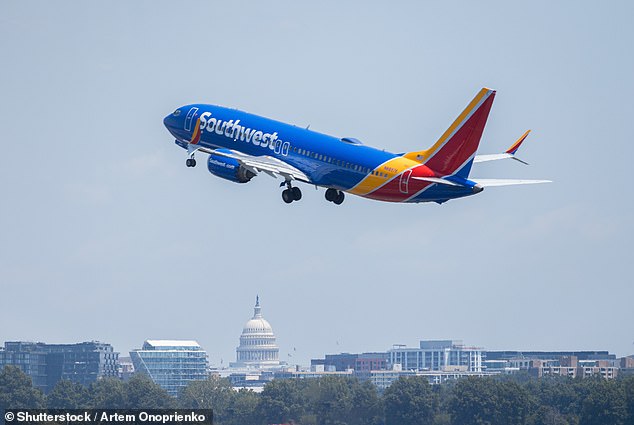
Chicago Midway Airport will become the sole gateway for Southwest in the Chicagoland area. The airline highlighted its strong presence at Midway, offering flights to over 80 destinations, including 15 markets previously served from O’Hare. This ensures that a substantial portion of the routes previously available from O’Hare will still be accessible to travellers via Midway.
Challenges at O’Hare and Strategic Realignment
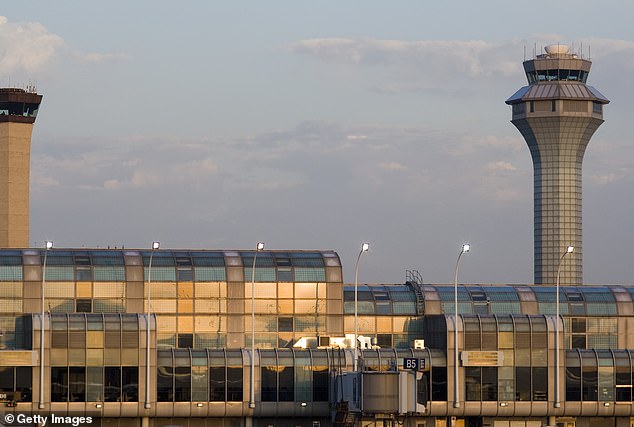
Operating out of Chicago O’Hare has been described as “challenging” by a Southwest spokesperson. While O’Hare is a major global hub, its complexities and operational demands may have contributed to Southwest’s decision to consolidate its Chicago presence at Midway. Southwest has only been operating flights from O’Hare since 2021, making its tenure at the airport relatively short compared to its long-standing presence at Midway.
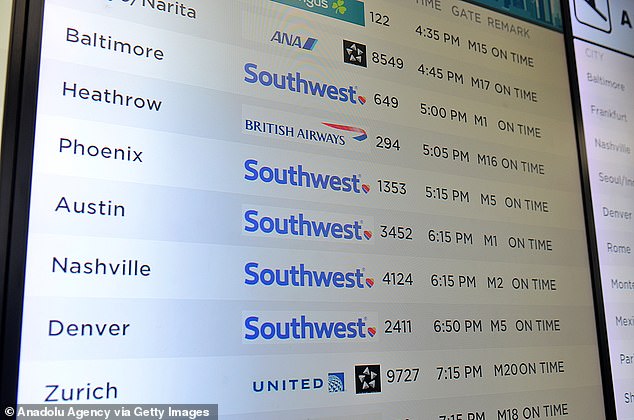
The Federal Aviation Administration (FAA) has been actively discussing strategies to manage air traffic congestion at O’Hare. Recent meetings with American Airlines and United Airlines focused on reducing the number of flights at the airport. With the 2026 summer season projected to be exceptionally busy, with 3,080 daily flights scheduled between March and October, the FAA’s push for fewer operations could be a contributing factor, though it’s unclear if this directly influenced Southwest’s decision.
D.C. Area Commitment and Expanded Service from DCA and BWI
Southwest’s service to Washington D.C.’s Dulles International Airport began in 2006. Over the past two decades, the airline has provided a range of flight options from Dulles, including regular services to Denver and Phoenix. However, with the discontinuation of Dulles operations, Southwest is significantly bolstering its offerings from Reagan National Airport (DCA) and Baltimore/Washington International Thurgood Marshall Airport (BWI).
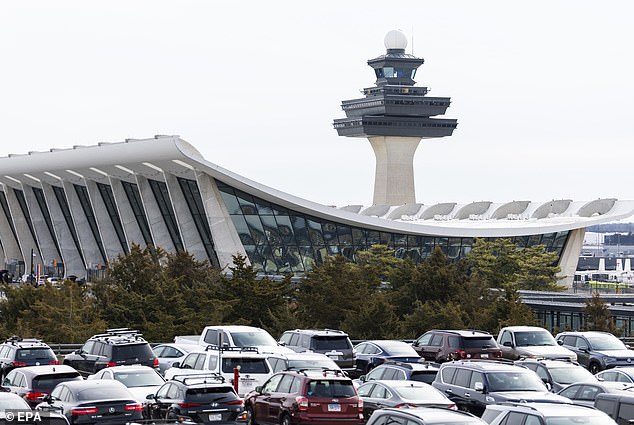
The airline plans to operate a combined total of up to 271 departures daily from DCA and BWI, serving 79 nonstop destinations. This represents a substantial commitment to the Washington D.C. market, making Southwest the largest carrier in the region by passenger volume. A spokesperson reiterated the airline’s dedication to this vital market, emphasising the expanded reach available through its continued operations at DCA and BWI.
The Metropolitan Washington Airports Authority, which manages both Dulles and Reagan National, expressed disappointment regarding Southwest’s decision to leave Dulles. While acknowledging the airline’s continued presence at Reagan and BWI, the authority voiced hopes for a future return of Southwest to Dulles.
This strategic adjustment by Southwest Airlines follows other notable changes within the company, including the discontinuation of its open seating model earlier this year. These moves collectively indicate a period of significant evolution for the airline as it seeks to adapt to changing market dynamics and operational efficiencies.