

The Dark Side of Dermatology: Retinoids, Ethics, and Unsettling Experiments
The quest for youthful, radiant skin has propelled the demand for potent vitamin-A skincare products, commonly known as retinoids, to unprecedented heights. Celebrated for their anti-ageing properties and the coveted “glass skin” effect, these treatments are now staples in many beauty routines. However, the journey of one of the most powerful retinoids, tretinoin, is inextricably linked to a deeply disturbing chapter in medical history, raising profound questions about scientific progress and ethical responsibility.
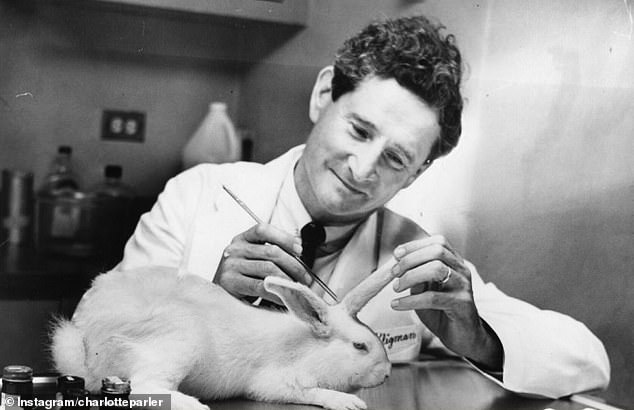
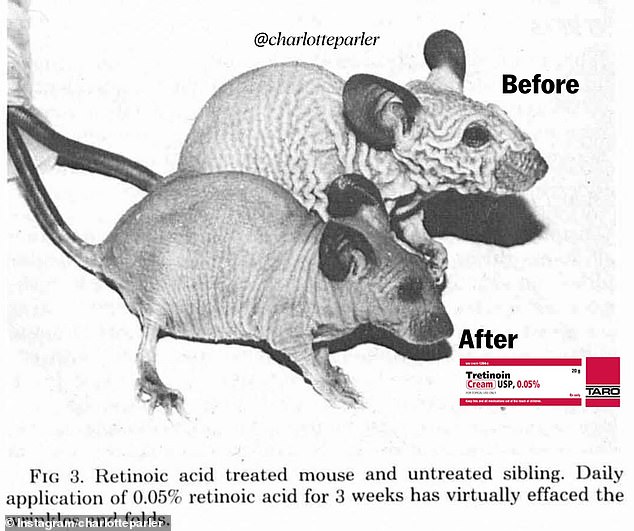
Tretinoin, widely regarded today as a gold standard for treating acne and combating the signs of ageing, was developed by American dermatologist Dr Albert Kligman. While his contributions to dermatology are undeniable, many of the experiments that cemented his reputation have since been widely condemned as profoundly unethical.
A History of Unsettling Research
Historical records reveal that during the mid-20th century, Dr Kligman conducted a series of experiments on vulnerable populations within the United States. These trials involved exposing prisoners and institutionalised patients to a range of hazardous substances, including harsh chemicals, infectious agents, and toxic compounds. Disturbingly, some accounts suggest that children with learning disabilities were deliberately infected with fungal conditions like ringworm as part of these studies.
Later research conducted at Holmesburg Prison in Philadelphia, a facility notorious for its violence and often referred to as “the Terrordome,” saw inmates – many of whom were from impoverished backgrounds or were African American men – subjected to an array of substances. This included adhesives, radioactive compounds, mind-altering drugs, and various industrial chemicals. In a striking 1966 interview, Dr Kligman reportedly described his initial reaction upon entering the prison: “All I saw before me were acres of skin. I was like a farmer seeing a fertile field for the first time.”

While tretinoin itself was developed through more conventional dermatological research, the revelations surrounding its inventor’s past practices cast a long shadow, prompting critical examination of the ethical landscape in which some of the era’s most influential skin research was conducted.
From Institutions to Prisons: The Scope of Experimentation
Before his extensive human experimentation program at Holmesburg Prison, Kligman had already established an early career studying infectious skin diseases within institutional settings. In the 1950s, his research took him to the Pennhurst State School and Hospital, a large institution housing children and adults with intellectual disabilities.
According to historian Allen Hornblum, author of Acres of Skin: Human Experiments at Holmesburg Prison, some of these early studies involved the deliberate infection of children with dermatophyte fungi, the organisms responsible for ringworm. The stated aim was to observe the progression of the disease and to test potential antifungal treatments. At a time when ringworm outbreaks were common in crowded environments, scientists argued that controlled infection studies would yield valuable insights into disease transmission and treatment. However, critics highlight the severe ethical concerns arising from the vulnerability of these children, who were unable to provide meaningful consent. Historians note that institutionalised patients were often chosen for studies due to their accessibility and limited capacity to refuse participation.
These early investigations helped Kligman build his reputation as a specialist in fungal infections, a field that would soon expand dramatically with his move to Holmesburg Prison.
The Holmesburg Prison Experimentation Program
Medical ethics analyses and historical investigations indicate that the dermatology project at Holmesburg Prison evolved into one of the most extensive human experimentation programs ever conducted within a US prison. For over two decades, from the early 1950s to the mid-1970s, inmates were enlisted in hundreds of studies. These trials evaluated pharmaceuticals, cosmetics, industrial chemicals, and even substances relevant to military research, often funded by private corporations or government agencies.
One of Dr Kligman’s initial projects involved the deliberate infection of prisoners with fungal diseases such as ringworm and athlete’s foot, mirroring his earlier work with children. As detailed by Allen Hornblum, large quantities of fungal organisms were applied to prisoners’ skin, with their feet often bandaged or enclosed in boots to promote infection, allowing researchers to test various antifungal treatments. These infections could result in severe itching, rashes, and cracked skin.
Kligman also conducted studies where inmates were intentionally infected with skin viruses, including herpes simplex. Researchers meticulously monitored the development of these infections, using the outbreaks to test experimental treatments. Participants sometimes endured the development of painful lesions and open sores as a consequence.
Perhaps the most infamous trials at Holmesburg involved dioxin (TCDD), an exceptionally toxic chemical later linked to Agent Orange, a defoliant used during the Vietnam War. Between 1965 and 1966, studies funded by the chemical company Dow examined the effects of dioxin on human skin. Prisoners had the chemical applied to their backs via patches or injected beneath the skin. Some developed chloracne, a severe and disfiguring skin eruption caused by dioxin exposure. Subsequent investigations revealed that some inmates received doses far exceeding the originally planned amounts.
Kligman’s laboratory also conducted hundreds of tests for commercial companies evaluating everyday products. Prisoners had substances like skin creams, shampoos, hair dyes, detergents, deodorants, and experimental drugs applied repeatedly to their skin to assess their potential for irritation, burns, or allergic reactions. These trials provided a revenue stream for the prison and the research teams.
Another series of experiments utilised radioactive tracers to investigate the process of skin renewal. Scientists applied or injected radioactive isotopes into small skin areas, tracking the movement of labelled cells through the epidermis. This research contributed to dermatologists’ understanding of skin cell turnover.
The US military also funded some research at Holmesburg. In these studies, inmates were exposed to chemicals designed to cause skin irritation or blistering, allowing scientists to observe the effects. Participants frequently reported severe rashes and burns following exposure.
Exploitation and Justification
Historical analyses suggest that thousands of prisoners participated in experiments at Holmesburg between the 1950s and early 1970s. Inmates were typically compensated with small sums of money, sometimes as little as a few dollars, for their participation. Critics argue that these payments exploited prisoners who had limited opportunities to earn money while incarcerated.
Kligman and other researchers defended their work as legitimate medical science. In a 2020 article in JAMA Dermatology, Dr Luke Adamson and bioethicist Dr Ezekiel Emanuel stated that Kligman “saw prisoners as objects for experimentation.” Kligman himself was quoted as reflecting on his time at Holmesburg: “It was years before the authorities knew that I was conducting various studies on prisoner volunteers. Things were simpler then. Informed consent was unheard of. No one asked me what I was doing. It was a wonderful time.”
He argued that deliberately inducing fungal or viral infections was essential for understanding disease spread and treatment response. Chemical exposure studies were presented as a means to determine the safety of industrial compounds for human use. Trials involving cosmetics, household products, and drugs were characterised as routine safety testing required before public release. Research with radioactive tracers was intended to advance scientific understanding of skin growth and regeneration, knowledge that would later inform treatments for acne and ageing.
A Legacy of Caution and Reform
Despite these justifications, the Holmesburg program has become one of the most heavily criticised episodes in modern dermatology. Dr Adamson and Dr Emanuel condemned the research, stating it “exploited a vulnerable population who could not freely refuse participation.” They highlighted that the prisoners involved were often poor, disproportionately Black, and under significant financial duress to participate.
Historian Allen Hornblum described the studies as “a classic example of how vulnerable populations can be exploited in the name of science.” Ethicists frequently draw parallels between Holmesburg and the Tuskegee syphilis study, another infamous US medical scandal where hundreds of Black men with syphilis were deliberately left untreated by government researchers for decades to observe the disease’s progression.
While an undeniable stain on medical history, these controversies served as a catalyst for sweeping reforms in medical research practices. In the ensuing years, the US Congress passed the National Research Act, establishing the modern framework for ethical oversight of research involving human participants. Stricter regulations were implemented, mandating fully informed consent, limiting the use of prisoners and other vulnerable groups in experiments, and requiring independent review by institutional review boards to assess the ethical soundness of studies before commencement.
Today, the Holmesburg experiments are widely cited in bioethics literature as a cautionary tale about the dangers of scientific ambition unchecked by ethical safeguards. Even the University of Pennsylvania, where Kligman spent a significant portion of his career, has acknowledged the episode as a painful part of its history and has supported research and community initiatives aimed at examining the lasting impact of these studies.
For many historians and ethicists, the legacy of Holmesburg serves as a potent reminder that medical breakthroughs can sometimes emerge from deeply troubling circumstances. It underscores the paramount importance of placing the rights and dignity of research participants at the very centre of scientific progress.


