
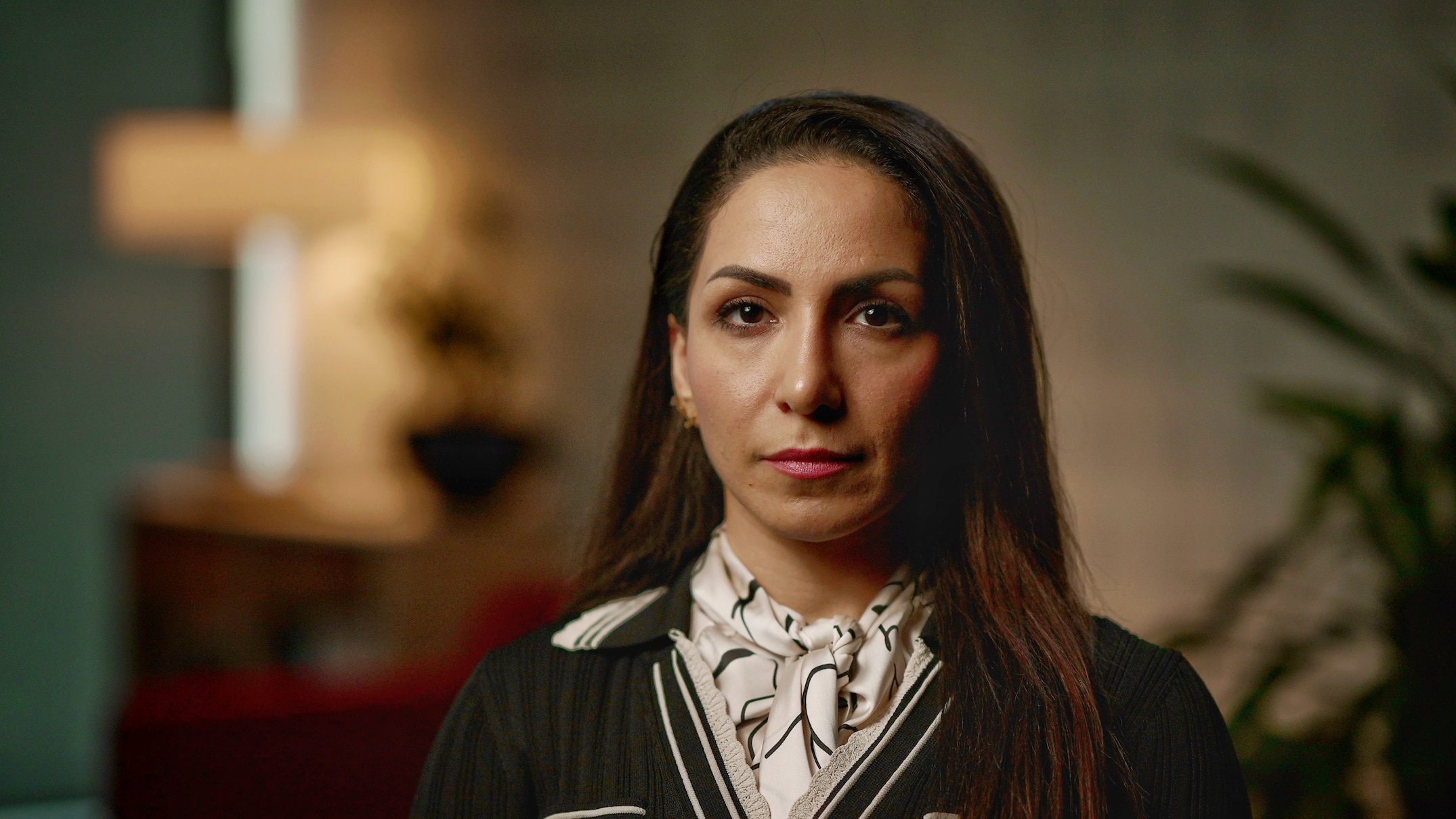
Kawther Salih’s journey from a teenage bride in an arranged marriage to becoming entangled in Australia’s illicit nicotine trade paints a harrowing picture of exploitation and abuse. Her story offers a stark, personal glimpse into the darker realities of a booming underground economy, far removed from the policy debates and headline-grabbing violence that often characterise discussions about the illegal tobacco market.
“It was like forced labour on women… it was a nasty situation,” Salih recounted to the ABC. Her experiences, detailing the covert methods of smuggling tobacco, such as through disguised doors, and the grim task of packing illicit “chop-chop” tobacco into sealed bags, shed light on the human cost of this multi-billion dollar industry. The illicit tobacco commissioner estimates its value at a staggering $7 billion, a figure often discussed in terms of policy failures following steep tax increases on legal tobacco. However, Salih emphasises the often-overlooked personal horror. “But nobody [knows] about how we lived. It was horror.”
Despite the inherent risks, Salih speaks with a quiet strength, driven by a desire to empower other women. “I’m here to tell and encourage the women: don’t give in to this situation. The power that they are having is from us,” she urged.
An Arranged Marriage as a Gateway to Exploitation
Salih’s story began at 17 in Iran, where she entered an arranged marriage with Sam Albion, then in his mid-20s and known by the name Mohammad Al Dilami. Untouched by prior romantic relationships, her understanding of marriage was limited to the traditional imagery of a white dress. Albion, originally from Iraq, had already established himself in Australia and returned with Salih in the late 2000s. By approximately 2013, they had settled in Queensland’s south-east.
Business records suggest Albion’s involvement in the tobacco trade began in the early 2020s, a venture reportedly sparked by a trip to Sydney where associates discovered the significantly lower cost of illicit tobacco. “They discovered they can buy the smokes a lot cheaper,” Salih explained. “They started opening up their shops. And it was very successful. They were making a lot of money.”
Albion’s business interests in the south-east Queensland region included at least five stores. Some of these establishments became focal points for law enforcement attention. In December 2022, a police raid on his Deception Bay Tobacconist and Gifts store uncovered a significant cache of illegal nicotine vapes, along with modified plastic knuckledusters capable of being used for smoking. The following day, a subsequent inspection revealed the store had been “fully stocked up with nicotine-based vapes” once more, leading a magistrate to remark on the apparent lack of deterrence, stating, “This was clearly a commercial operation, undertaken for profit. What’s disturbing about this is even after having been raided [once], that had no deterrent aspect at all.” Albion subsequently pleaded guilty to offences including supplying illegal vapes and was fined $7,500.
Another of Albion’s businesses, Browns Plains Tobacconist, operated under his company, Samco Solutions. Located in Logan, this store was raided in mid-2024, resulting in the seizure of nearly 130,000 cigarettes and 150 kilograms of loose tobacco.
Forced Labour in the Shadow Economy
Behind the scenes of these commercial operations, Salih states that wives were compelled to participate in the illicit trade. These tasks could be solitary or involve groups of women. Salih described the clandestine methods of tobacco importation, including its concealment within fake doors and audio speakers.
The process involved unpacking, rehydrating, and sometimes microwaving the tobacco. Salih recounted wearing gloves to protect her hands, noting that those who didn’t risked developing fungal infections. The handling of cash was also part of their forced labour. The pervasive smell of tobacco clung to everything. “They would force us to… pack the tobacco in bags of 20 grams, I think, 50 grams or 100, something like that,” she recalled. “Things that we didn’t want to do. But we were forced.”
Salih’s account details an isolating experience marked by culture shock, witnessing violence against other women, and enduring physical abuse herself. Her limited English proficiency compounded her lack of understanding regarding women’s rights in Australia. “I thought… we have to obey,” she said. Allegations of physical assault in 2023, which led to a hospital visit, were the catalyst for Salih to leave Albion. She maintains the veracity of her recollections, asserting they are not fabricated for revenge. While some of her accounts have been corroborated, not all could be independently verified. Attempts to contact Albion for comment have been unsuccessful.
Partners Coerced into Labour
The Domestic Violence Action Centre has observed cases where individuals have been coerced into labour by their partners. Amie Carrington, the centre’s chief executive, explained that this can include forcing a victim to work or to engage in specific types of employment. “There are some areas of work where it’s easier to hide, so it’s a bit more common, so work that might be cash-based, seasonal, and hidden from public view… which may also include criminal activity,” Carrington stated. Leaving such situations is exceptionally challenging, and Carrington advises prioritising safety, seeking support from domestic violence experts, or confiding in a trusted individual.
Salih believes Albion is currently residing in Dubai, where he reportedly owns two properties, including one near the Burj Khalifa. A social media post from Albion last year, a selfie in a mirrored elevator, reflected a directory indicating he was at the Paramount Hotel Midtown, a luxury establishment situated close to the iconic tower. In another post, Albion commented on an article about killings of Victorian police, lamenting Australia’s perceived decline in safety and expressing a wish for its citizens to “learn the laws of the Emirates.”
The Australian tobacco landscape has proven volatile for Albion; his Browns Plains store was the target of arson attacks last year. Two men have been charged in relation to the first incident, with court documents alleging the attack was orchestrated on behalf of the Comanchero outlaw motorcycle gang.
For Kawther Salih, that chapter of her life is closed. She is now pursuing her own small business as a personal trainer. Despite her fears about speaking publicly about the illegal tobacco trade and allegations of forced labour, she is resolute. “I was, but I’m going to have to do this,” she stated, acknowledging the support she has received from Australian government services and counselling. “I want to encourage the woman, I’ve walked in your shoes, I know how fearful you are. But you know, we’re going to have to change,” she concluded, a testament to her resilience and her determination to inspire others.

