Toyota Boosts Supply and Sales Forecast Amidst Growing Competition
Toyota Australia is making a strong statement in the face of increasing competition, particularly from emerging electric vehicle (EV) manufacturer BYD. The Japanese automotive giant, which has held the top spot in Australian sales for nearly three decades, has announced a significant increase in vehicle stock for 2026 and a revised, higher full-year sales forecast. Adding to this strategic move is the accelerated arrival of its first plug-in hybrid (PHEV) model, the highly anticipated RAV4 PHEV.
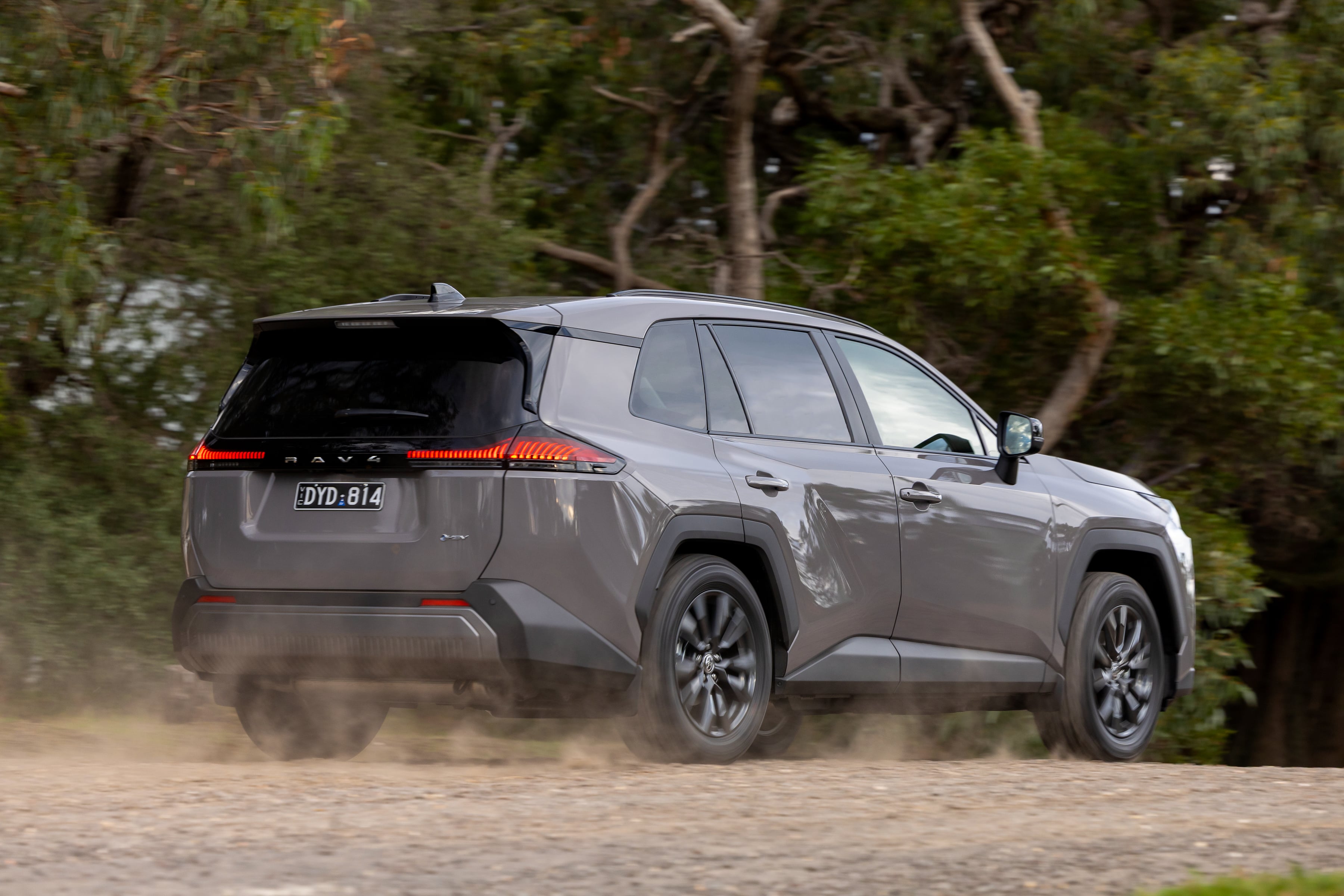
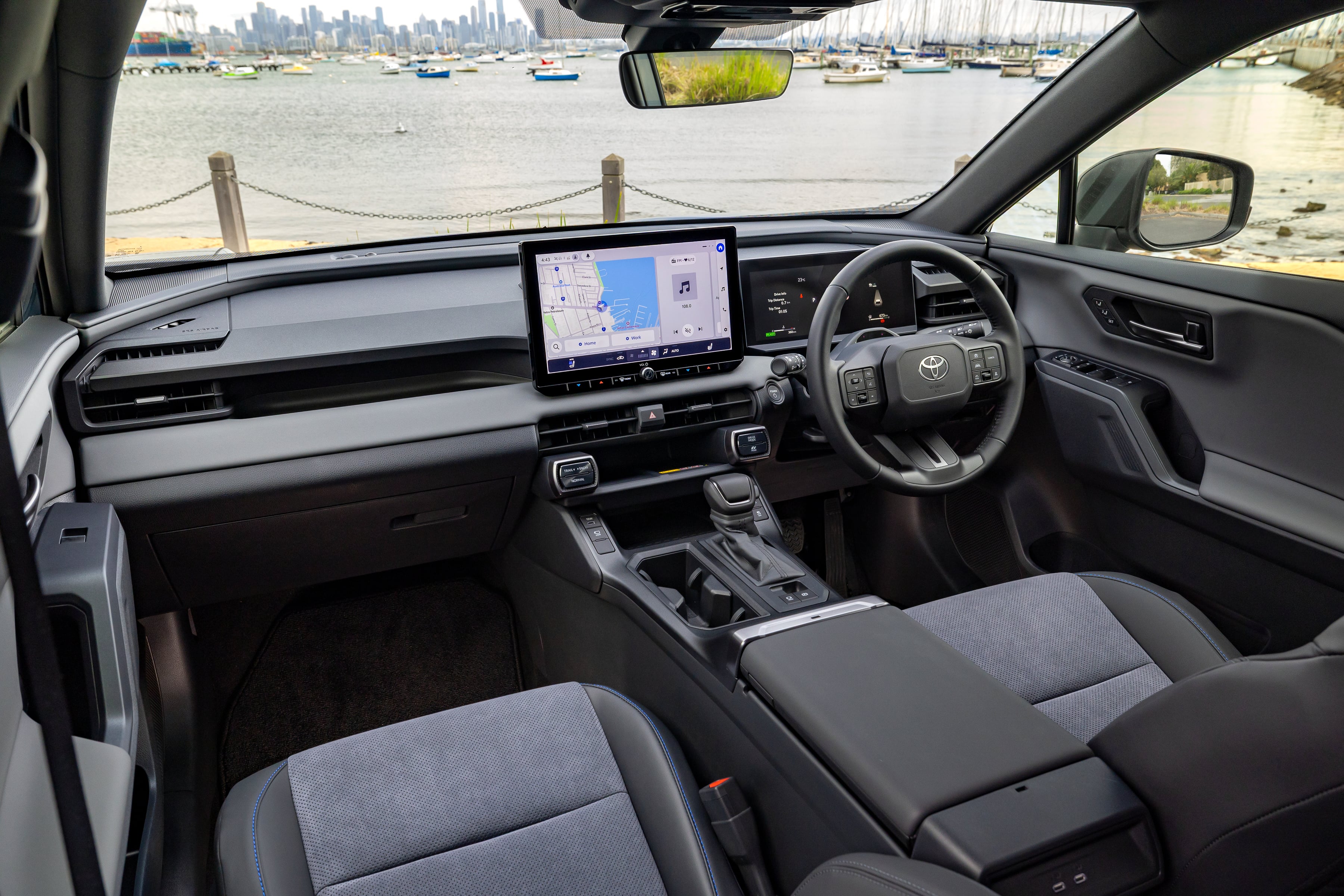
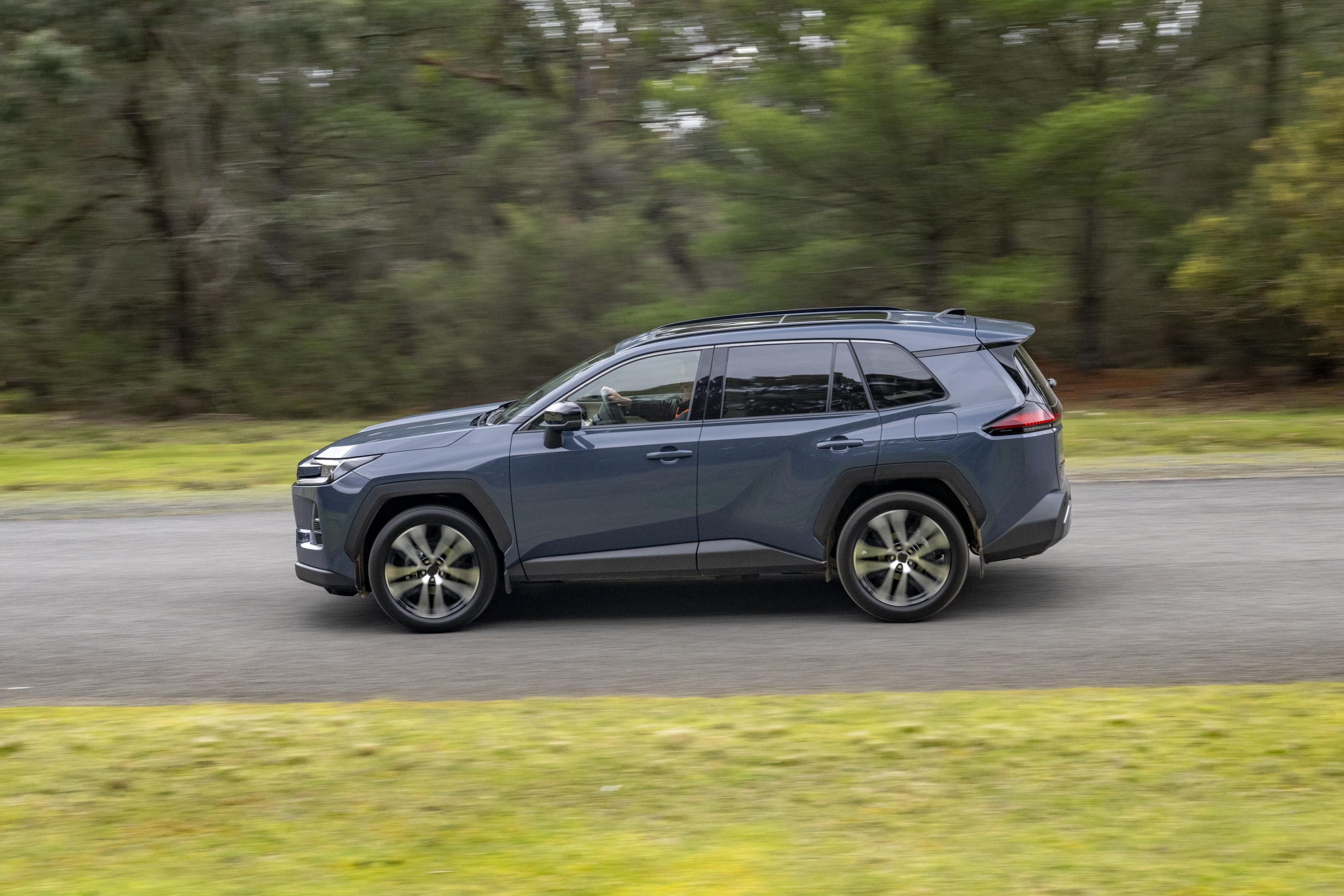
The highly popular RAV4 PHEV, a plug-in hybrid variant of Australia’s best-selling SUV, is set to land in dealerships later this month, ahead of its previously scheduled third-quarter delivery timeframe. Toyota had unveiled pricing for the three-model RAV4 PHEV range back in November, opening order books for customers in anticipation of the initial deliveries. The starting price remains unchanged at $58,840, and the PHEV variant is projected to eventually represent as much as one-third of all sales for the sixth-generation RAV4, which debuted locally in late 2025.
This proactive approach from Toyota comes as BYD stages a significant media event to announce the arrival of nearly 5,000 new BYD and Denza vehicles in Australia. In response, Toyota has confirmed that an additional 10,000 vehicles have been secured for the Australian market in 2026. With this enhanced supply, the market leader now anticipates selling a record 220,000 vehicles for the full year.
Toyota attributes this increased allocation and optimistic sales forecast to a “prioritisation of Australian customers” and “continued customer confidence in the brand and its broad portfolio.” The company proudly highlights its unique position as the only automotive brand to have surpassed 200,000 vehicle sales in Australia in a single year.
John Pappas, Toyota Australia’s Vice President of Sales, Marketing, and Franchise Operations, emphasised the company’s long-standing commitment to the Australian market. “Toyota has been part of Australian communities for almost seventy years, and we continue to see strong demand from customers who rely on us for their mobility needs,” he stated. “This increase in supply is great news for our customers and dealers. It reflects the strong partnership we have with Toyota globally to prioritise the Australian market.”
Pappas further elaborated on the enduring appeal of Toyota’s popular models. “Vehicles like HiLux remain essential for many Australians, while RAV4 continues to lead the SUV segment thanks to its versatility, drivability and efficiency,” he added. “We will continue working closely with our global production teams to secure additional supply where possible and ensure we are meeting the needs of Australian customers today and into the future.”
BYD’s Rapid Ascent and Ambitious Goals
BYD’s presence in the Australian market has been nothing short of meteoric. In April, the Chinese EV maker achieved a record sales figure of 7,702 vehicles, surpassing its previous best by over 500 units and positioning it as Australia’s second-best-selling automotive brand, trailing only Toyota’s 15,185 deliveries. Year-to-date, BYD holds fifth place with 25,243 sales, narrowly behind Ford. However, BYD has openly declared its intention to be a top-three player overall by 2026, with its former independent distributor even boldly predicting the brand would overtake Toyota to lead the Australian market by 2030.
The latest influx of BYD vehicles, comprising 4,810 units from Shanghai, arrived in Melbourne aboard the BYD Zhengzhou, one of the automaker’s dedicated roll-on, roll-off car carriers. This significant shipment is intended to satisfy the burgeoning local demand for both plug-in hybrid and fully electric vehicles. BYD has indicated that the cargo will be distributed across Melbourne, Sydney, and Brisbane, with “essential workers” being among the first to receive their new vehicles.
The manifest for this special shipment includes a substantial number of BYD Atto 2 and Sealion 7 electric SUVs, alongside examples of the Denza B5 off-road SUV and the D9 people mover. Visual evidence from the ship’s loading process also suggests the presence of other BYD models, including the Atto 1, Sealion 6, Sealion 8, Seal 6, and Shark 6.
Toyota’s Multi-Pathway Strategy for Electrification
In parallel with BYD’s aggressive expansion, Toyota is also advancing its commitment to reducing CO2 emissions through a diverse “multi-pathway” product strategy. The company is preparing to launch a quarter of its new electrified models this month, featuring the aforementioned RAV4 PHEV, the HiLux BEV (Battery Electric Vehicle), the bZ4X Touring, and the LandCruiser 300 Series Performance Hybrid.
Mr Pappas reiterated the significance of these new introductions. “The arrival of our first plug-in hybrid model further expands our multi-pathway strategy that aims to provide the right powertrain for the right vehicle and its intended use,” he commented. “While we are continuing to expand our battery-electric range with the arrival of the bZ4X Touring model, we have always said that BEVs are only one part of a broader mix of solutions to reducing emissions, as our vehicles have to be fit for purpose.”
Toyota’s philosophy centres on offering customers a comprehensive suite of powertrain options, including hybrid, BEV, PHEV, diesel, petrol, and fuel-cell electric vehicles (FCEV). The company continuously strives to enhance efficiency, performance, and reduce tailpipe CO2 emissions across its entire range.
Global Production Adjustments
On a global scale, Toyota has recently adjusted its production targets due to geopolitical factors, including conflict in the Middle East, which has led to increased fuel prices and a subsequent softening of vehicle demand in certain regions. Reports indicate that Toyota has informed its suppliers of a planned reduction in production output by approximately 83,000 vehicles over the next six months, with the primary impact expected in Middle Eastern markets.
Despite these global production adjustments, Toyota Australia’s announcement of increased stock and sales forecasts underscores its dedication to the local market and its confidence in meeting the evolving needs of Australian consumers.
- Explore the Toyota showroom