
Republican Budget Push Stalls Amidst Trump’s Controversial “Slush Fund” Demand
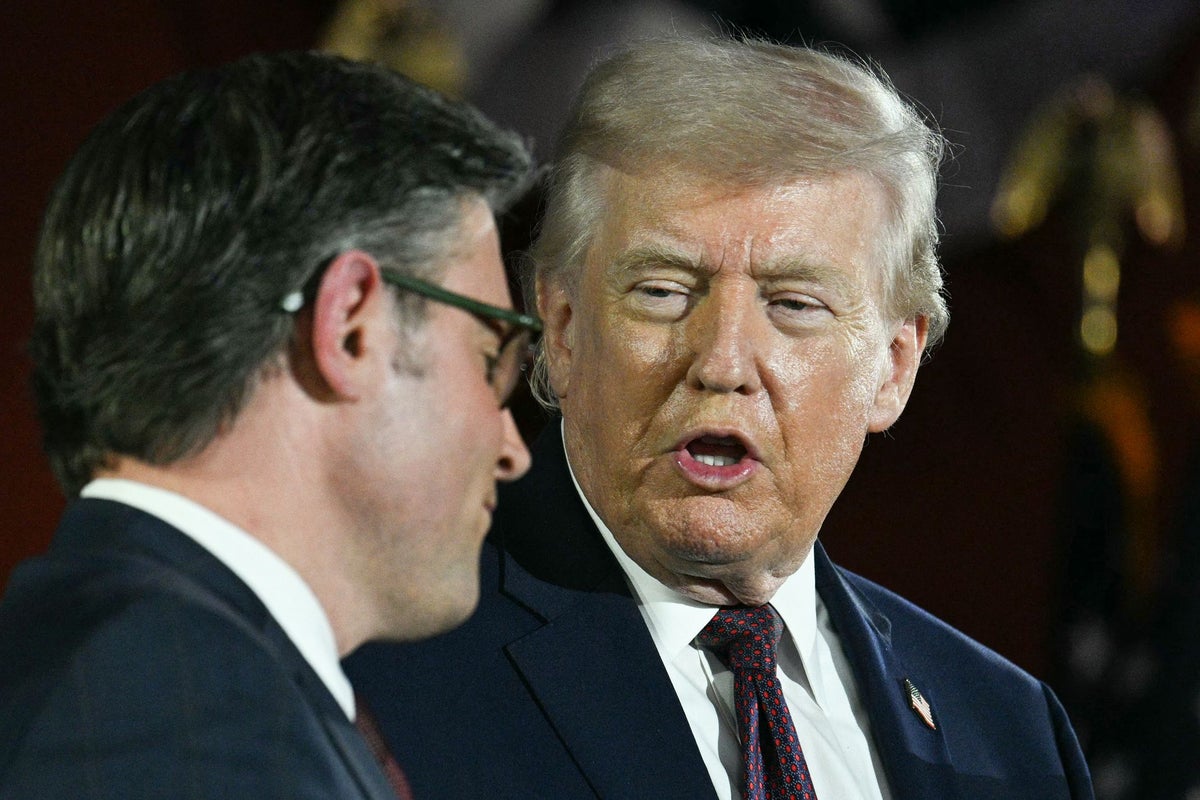
Washington D.C. is abuzz with political manoeuvring as House Speaker Mike Johnson’s visit to the White House signals a critical juncture for Republican budget priorities. At the heart of the controversy lies former President Donald Trump’s demand for a staggering $1.776 billion “slush fund,” a proposal that is now threatening to derail efforts to secure further funding for the Immigration and Customs Enforcement (ICE) and Customs and Border Protection (CBP).
The meeting occurred on a Monday, the first day back for lawmakers after the Memorial Day break. Crucially, neither the House nor the Senate had commenced voting on the Republican budget reconciliation package before their recess. This legislative tool, which bypasses the Senate’s filibuster rules, represents the GOP’s most viable pathway to bolstering Trump’s immigration enforcement apparatus without needing to negotiate with the opposition party.
However, Trump’s insistence on this so-called “anti-weaponization” fund has thrown a significant spanner in the works. With already narrow majorities in both chambers of Congress, Republican lawmakers are expressing considerable skepticism, and in some cases, outright opposition to the proposed fund. The objective of this fund, as outlined, is to provide financial payouts to Americans who have been allegedly “targeted” by the Department of Justice under the previous two Democratic administrations. Critics, however, contend that the fund will primarily serve as a mechanism to reward Trump’s political allies, potentially including individuals convicted for their roles in the January 6th Capitol attack. The administration has not definitively refuted this possibility.
Reports from Axios and Punchbowl on Monday afternoon suggested that Trump may be reconsidering his demand in light of a significant backlash from within the Republican party.
The tension surrounding the “weaponization” fund was palpable before the Memorial Day recess. Following a contentious Senate meeting discussing the fund, senators reportedly engaged in heated exchanges with Acting Attorney General Todd Blanche regarding the White House’s demands. Senator Ted Cruz described the atmosphere as one of “screaming,” highlighting the deep chasm between the White House and a substantial portion of the Senate Republican caucus on this matter.
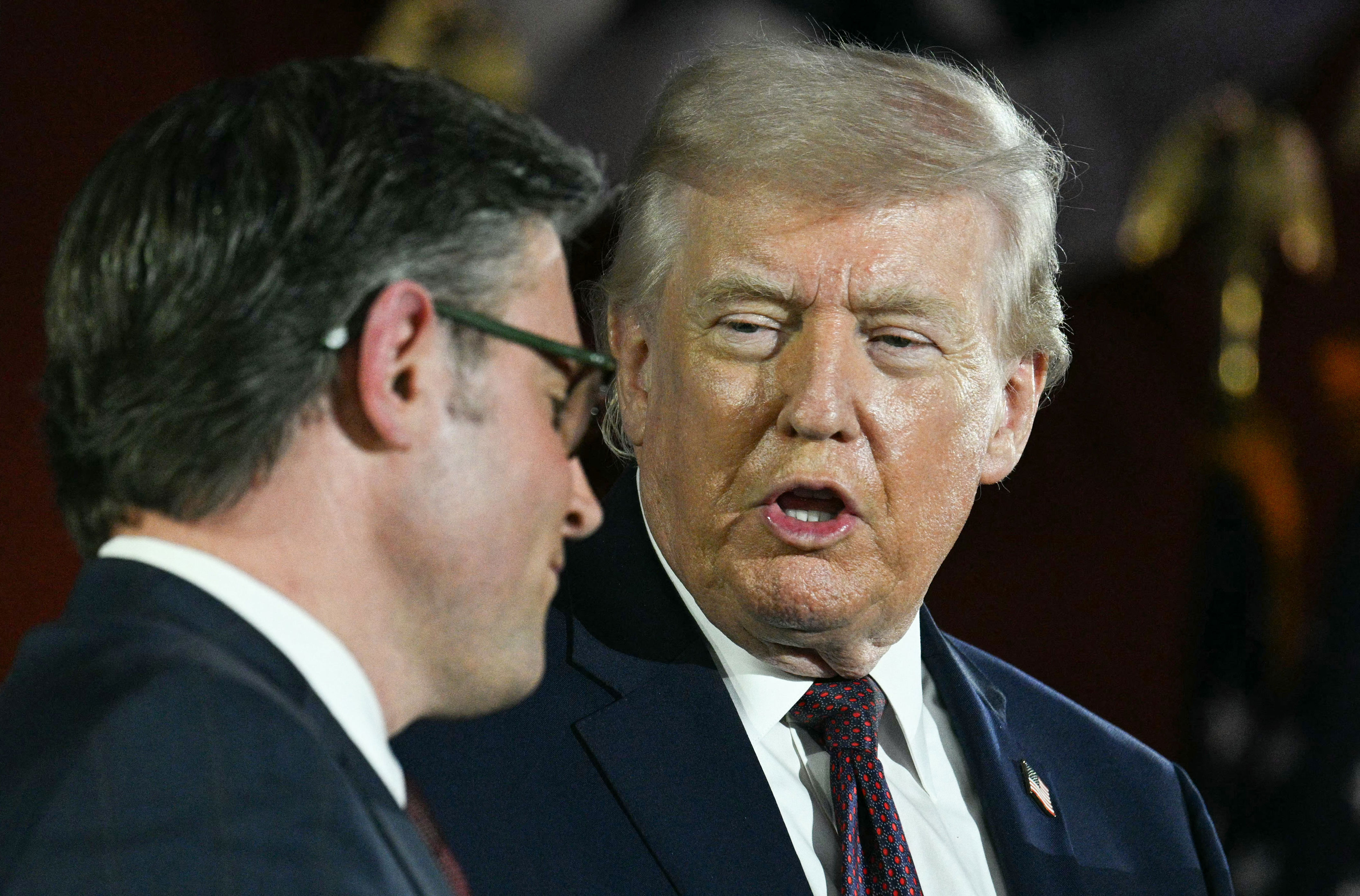
As that meeting concluded, former Senate GOP leader Mitch McConnell, who is set to retire this year, issued a strong statement condemning the White House’s approach as “utterly stupid.” McConnell, a prominent figure in the Senate, voiced his strong disapproval, questioning the rationale behind the nation’s top law enforcement official seeking a fund to compensate individuals who allegedly assaulted police officers, labelling it as both “utterly stupid” and “morally wrong.”
Both Trump and the Republican leadership in the House and Senate consider the reconciliation package to be essential legislation, particularly after they abandoned negotiations with Democrats earlier in the year. This strategic retreat followed twin shootings of Americans in Minneapolis amidst a surge of federal law enforcement presence in the city. These incidents amplified calls for reforms within ICE and CBP, demands that Democrats had linked to their support for funding the Department of Homeland Security.

The ensuing debate devolved into a stalemate, with the White House and Republicans unwilling to concede to the Democrats’ reform demands. Ultimately, Congressional Republicans relented, allowing for the funding of the Department of Homeland Security in its entirety, with the exception of ICE enforcement and removal operations. They pledged to pursue that specific funding through the reconciliation process instead.
Trump’s interest in an “anti-weaponization” fund is not a recent development; it has been a recurring theme for several months. Since returning to office, Trump has actively sought to reorient the Department of Justice, positioning it more as an extension of his presidential authority rather than the independent law enforcement agency it has traditionally been.
He has cited his own prosecution by the DOJ for alleged attempts to overturn the 2020 election as justification for initiating what he terms a “revenge campaign” against his political adversaries. This has involved leveraging criminal prosecutions and investigations in an effort to target and punish his critics and rivals. Notable figures who have faced such scrutiny include former FBI Director James Comey, author E. Jean Carroll – who successfully sued Trump for defamation after alleging sexual assault – and California Senator Adam Schiff.
However, these attempts to weaponise the DOJ against his perceived enemies have largely been thwarted by the courts. The judiciary is also casting a critical eye on the proposed “slush fund,” with a judge issuing a temporary injunction on Friday to halt its implementation.


