A Controversial Response to the Passing of Robert Mueller
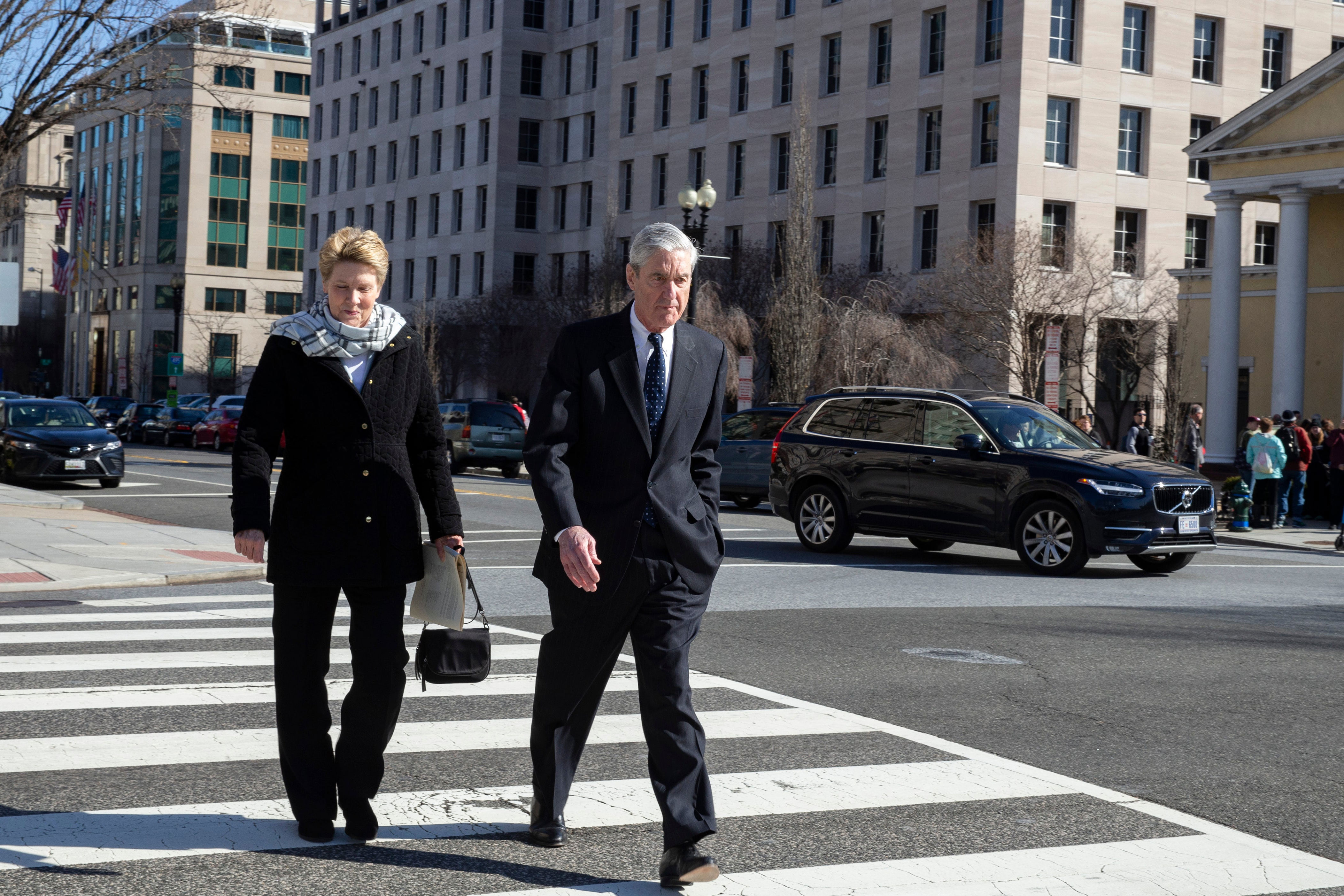
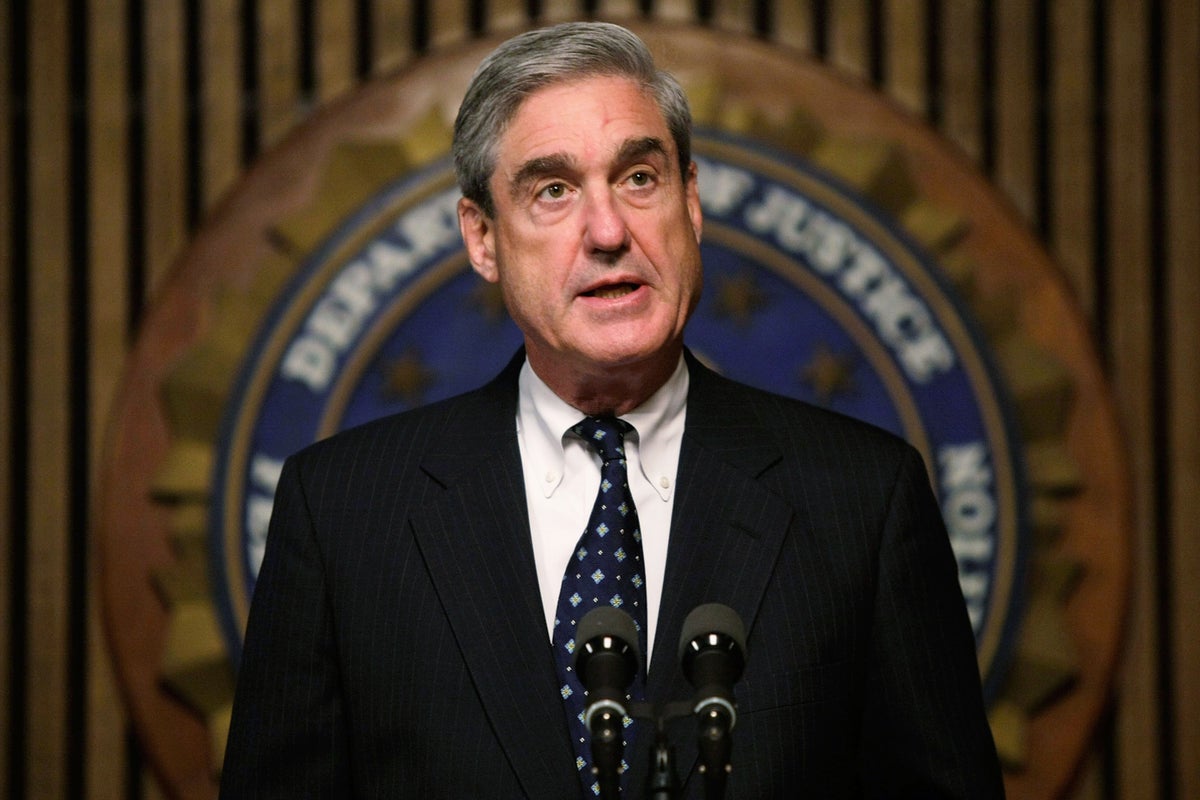
The passing of Robert Mueller, former FBI director and special counsel who led the investigation into Russian interference in the 2016 election, has sparked widespread controversy. His death at the age of 81 was confirmed by his family, though the exact cause of death has not been disclosed. While Mueller had been battling Parkinson’s disease since 2021, his family did not provide further details on how he passed away.
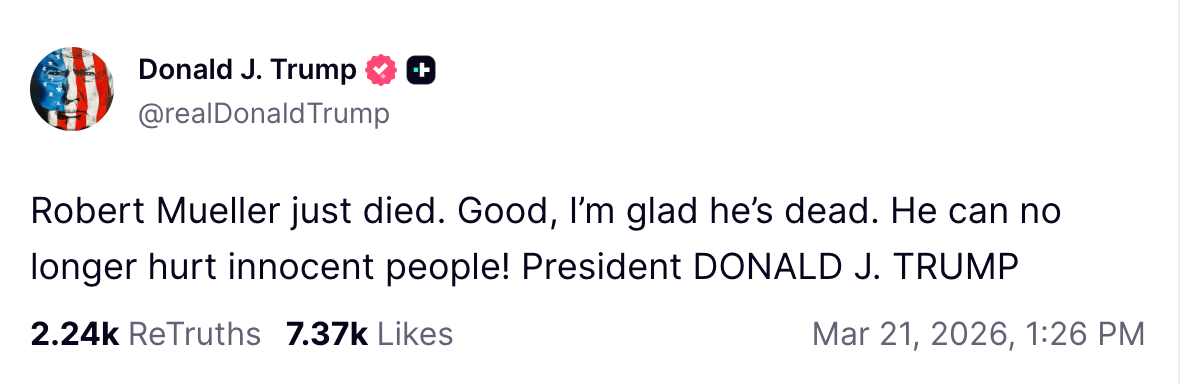
President Donald Trump, however, responded to the news with a statement that drew sharp criticism. On Truth Social, he said, “Good, I’m glad he’s dead. He can no longer hurt innocent people.” This comment was met with outrage from both political figures and the public, who viewed it as disrespectful and inappropriate.
Democratic Rep. Sam Moulton condemned Trump’s remarks, calling him a “horrible human being.” The sentiment was echoed by other lawmakers, including Rep. Jason Crow, who described Trump as a “petty, sick, and vile man,” and Senate Minority Leader Chuck Schumer, who urged the public to resist being distracted by Trump’s rhetoric.
The Legacy of Robert Mueller
Mueller’s career was marked by a deep commitment to public service and a reputation for professionalism. As a Vietnam War veteran, he earned a Bronze Star and Purple Heart during his time in the U.S. Marine Corps. His career spanned over three decades, with roles in both Republican and Democratic administrations.
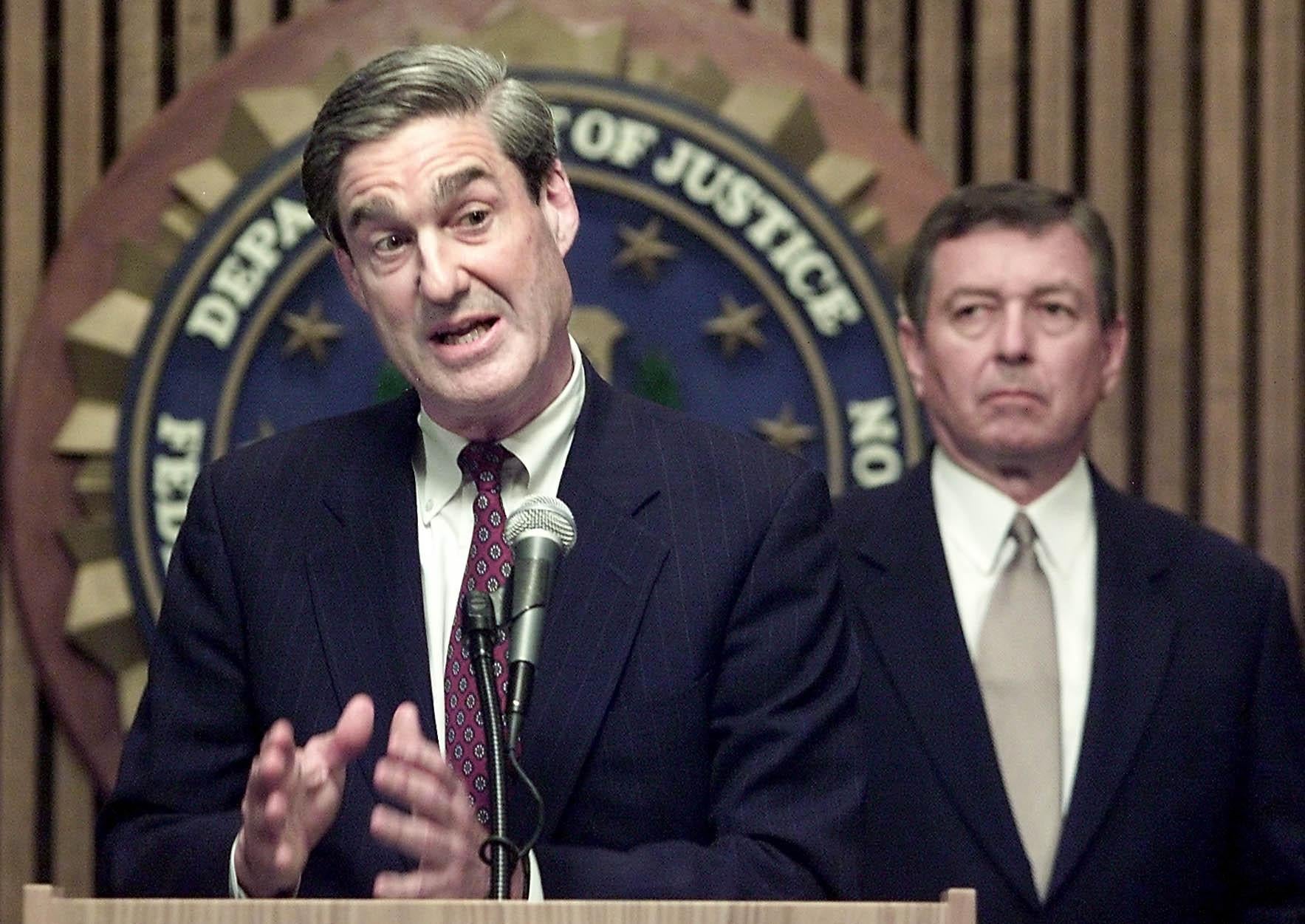
Mueller’s most notable role came in 2001 when he was appointed as Director of the FBI. His leadership during the aftermath of the September 11 attacks significantly shaped the bureau’s focus on national security. He later returned to the Justice Department in 2017 as special counsel to investigate potential ties between the Trump campaign and Russia.
Despite the intense scrutiny and personal attacks from Trump, Mueller remained steadfast in his duties. His report, which concluded that there was no evidence of collusion between the Trump campaign and Russia, left many questions unanswered. However, it did reveal multiple contacts between the campaign and Russian officials, leading to charges against several individuals associated with Trump.
A Life of Service and Integrity
Born on August 7, 1944, in New York City, Mueller spent part of his childhood in Princeton, New Jersey. He attended Princeton University, where he graduated with a degree in politics, before earning a master’s in international relations from New York University and a law degree from the University of Virginia.
Mueller joined the U.S. Marine Corps in 1968 and served in the Vietnam War, rising to the rank of Captain. His military service was followed by a distinguished career in law and government. He worked in various roles within the Justice Department, eventually becoming the U.S. attorney for the Northern District of California.
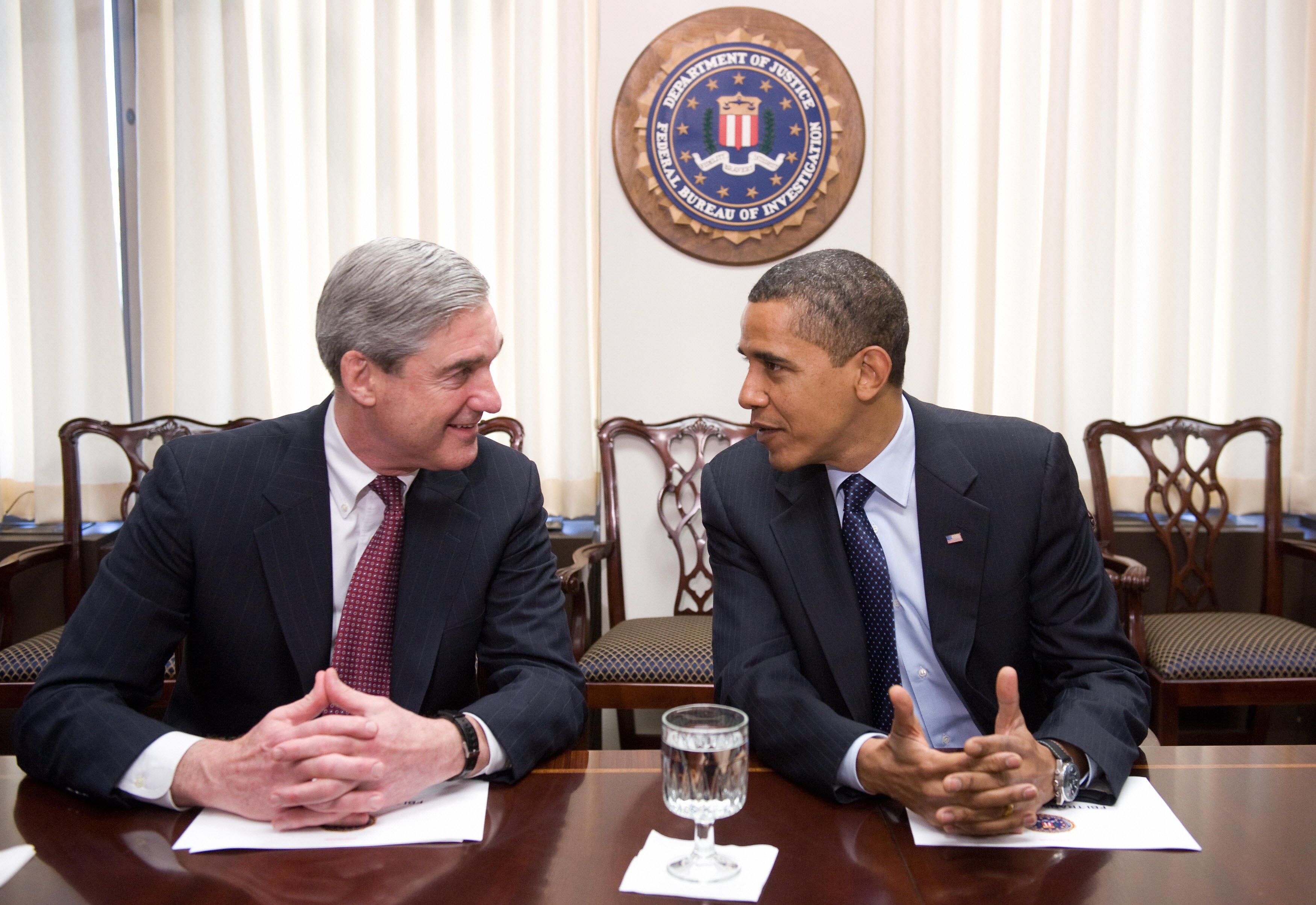
His professional integrity and dedication to justice led to his appointment as FBI Director by President George W. Bush. Mueller’s tenure at the FBI was instrumental in reshaping the bureau’s approach to national security, and his influence extended into the Obama administration, where he was granted special permission to continue leading the agency beyond his term.
The Impact of the Mueller Investigation
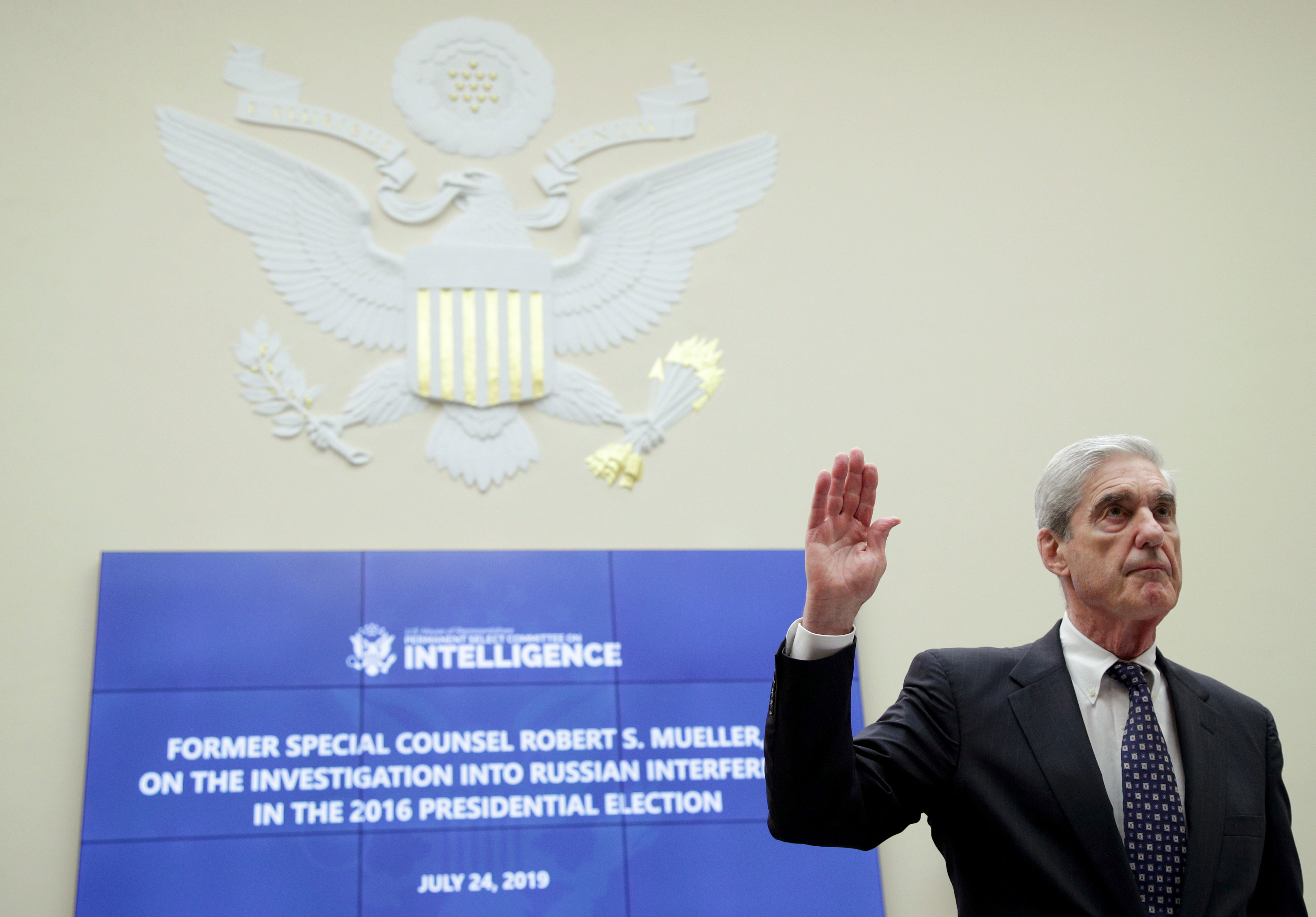
Mueller’s work as special counsel during the Trump administration became one of the defining stories of the era. While the final report did not find evidence of a criminal conspiracy, it highlighted numerous interactions between the Trump campaign and Russian entities. This led to legal actions against several key figures, including Paul Manafort, Michael Flynn, and George Papadopoulos.
Mueller’s decision to remain silent throughout the investigation, despite constant pressure from Trump, underscored his commitment to impartiality. After the release of the report, he testified before Congress and later retired from public life.
In 2021, Mueller was diagnosed with Parkinson’s disease, a condition that would eventually claim his life. He is survived by his wife, Ann Cabell Standish, their two daughters, and three grandchildren.
A Lasting Influence
Mueller’s legacy extends beyond his official roles. He is remembered as a dedicated public servant, a respected leader, and a figure who upheld the principles of justice and integrity. His work continues to shape discussions about the role of the FBI, the importance of independent investigations, and the responsibilities of leaders in a democratic society.
As the nation mourns his passing, many reflect on the impact he had on American politics and the values he represented. His life serves as a reminder of the importance of truth, accountability, and the pursuit of justice.
Final Thoughts
Robert Swan Mueller III’s life was defined by service, integrity, and a deep commitment to the rule of law. His work as a prosecutor, FBI director, and special counsel left an indelible mark on American history. While his passing has sparked debate, it also offers an opportunity to reflect on the values he embodied and the legacy he leaves behind.