
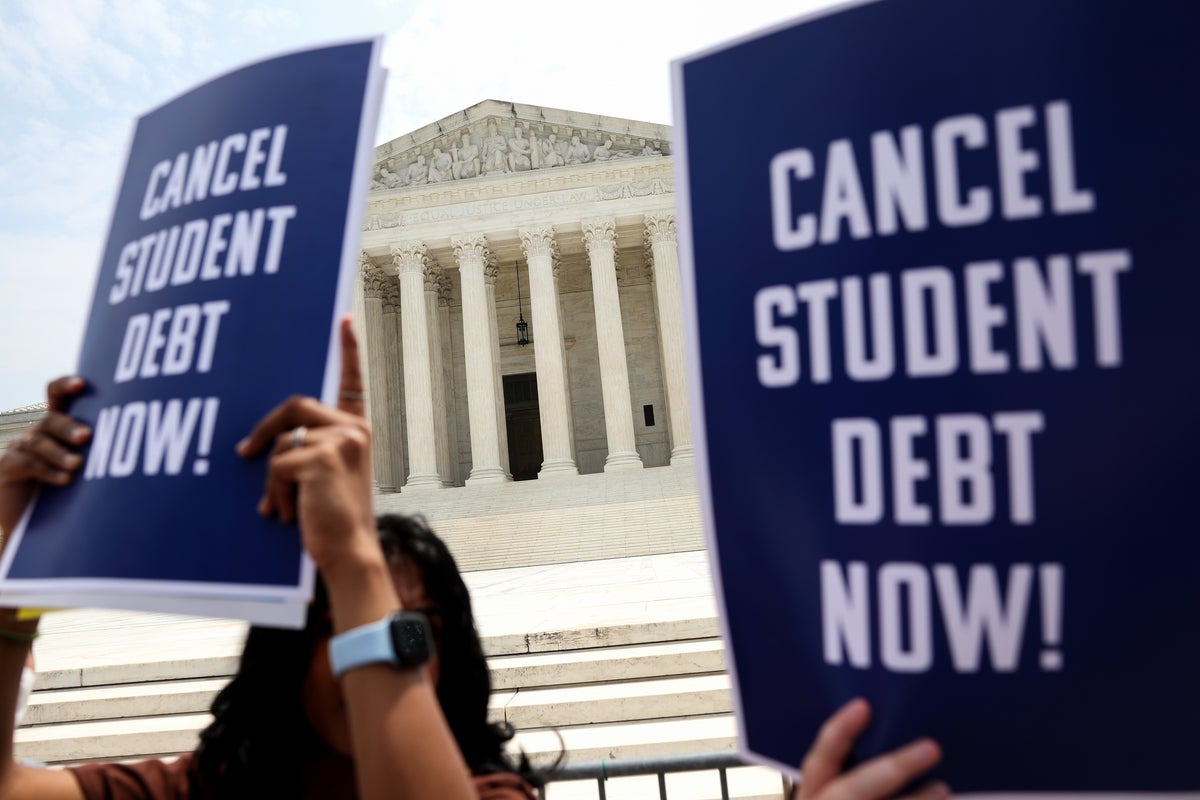
The Trump administration’s Department of Education is contemplating a significant overhaul of federal student loan access, proposing new regulations that could impact thousands of undergraduate and graduate programs. The core of the proposed rule centres on financial outcomes, aiming to restrict federal student loan eligibility for programs that consistently lead to graduates earning less than a high school graduate.
A New Framework for Student Loans
Under the proposed guidelines, undergraduate programs would need to demonstrate that their graduates typically earn more than the average high school graduate to maintain federal loan eligibility. Similarly, graduate programs would face a stricter benchmark, requiring their graduates to earn more than the average holder of a bachelor’s degree.
Nicholas Kent, Under Secretary of Education, articulated the rationale behind this initiative, stating, “The Trump Administration’s proposed accountability framework is grounded in common sense: if postsecondary education programs do not leave graduates better off, taxpayers should not subsidise them.” He further emphasised that this framework aims to foster meaningful change in postsecondary education, address mounting student debt, and put an end to what he described as “years of regulatory whiplash” that have left many students in a worse financial position.
Potential Program Impacts
The implications of this proposed rule could be far-reaching. Data released by the Department of Education suggests that a substantial number of programs might fall short of the new earning benchmarks.
- Culinary and Personal Services: An estimated 75.6 percent of undergraduate programs in this sector could be affected.
- Health-Related Programs: Approximately 6.7 percent of these programs might face ineligibility for federal loans.
- Humanities/Liberal Arts Programs: Around 8.2 percent of programs in these fields could also be impacted.
The Department of Education opened a period for public comment in April, inviting various organisations to voice their concerns and suggest modifications to the proposed rule.
Industry Concerns and Calls for Adjustment
Several prominent educational organisations have formally requested that the agency reconsider and adjust the proposed framework. The American Council on Education, in conjunction with nearly 40 other organisations, has urged “critical adjustments” to the proposal. Their primary arguments centre on the perceived flaws within the rule’s metrics, an insufficient timeline for implementation, and enforcement mechanisms that they believe exceed congressional intent.
Ted Mitchell, president of the American Council on Education, expressed his reservations in his submitted comments, stating, “A final product rushed to a final consensus vote shortchanges all stakeholders, especially students.”
Religious Studies Programs Seek Exemption
The Association for Biblical Higher Education has also formally requested that the Department of Education either modify the framework or introduce an exemption specifically for religious studies programs offered by faith-based institutions. Philip Dearborn, the president of the association, conveyed his concern to The Washington Post, stating, “We don’t want it to be the single biggest defunding of religious higher education in the United States.”
According to the Department of Education’s own data, an estimated 8.8 percent of undergraduate religious studies programs could potentially fail the proposed earnings test.
When approached for comment on these specific concerns, an agency spokesperson for the Department of Education indicated that they are “currently reviewing comments.”
Broader Context: Changes to Graduate Student Loans
This proposed rule follows recent changes to federal student loan policies for graduate students. The “One Big Beautiful Bill Act,” championed by the Trump administration, has already introduced new limits on federal loans for graduate students. Effective from the following month, new graduate students will have their annual federal loan amounts capped at $20,500. For students pursuing “professional” degrees, such as those in law or medicine, the annual limit will be set at $50,000. These measures signal a broader shift in how the federal government approaches student loan funding, with an increasing emphasis on the perceived economic viability of educational programs.


