Diplomatic Efforts Intensify Amidst Uncertainty Over Ukraine War Resolution
In a series of high-stakes discussions held in Miami, Florida, representatives from the United States, Ukraine, and European allies convened to harmonize their strategic approaches to ending the protracted conflict with Russia. While the talks were described as “productive and constructive” by participants, no definitive breakthrough was publicly announced, underscoring the persistent uncertainty surrounding Russia’s willingness to accept proposed peace terms.
The diplomatic engagements, spanning several days in southern Florida, were spearheaded by Steve Witkoff, the US President’s special envoy. These meetings represent the latest phase in an ongoing diplomatic push aimed at forging a pathway to peace. Washington had previously presented a 28-point proposal, which was widely perceived as reflecting some of Russia’s demands. This initial proposal has since undergone redrafting, incorporating input from Ukraine and its European partners, though the precise details of the revised plan remain undisclosed.
Key Discussions and Strategic Alignments
Ukrainian and US envoys issued joint statements on Sunday, highlighting the substantive nature of their deliberations. A bilateral meeting between the US and Ukraine focused on synchronizing their positions across four critical documents:
- A “20-point plan”: This likely forms the core of the proposed peace framework.
- A “Multilateral security guarantee framework”: This document would outline security assurances from a coalition of nations to Ukraine.
- A “US Security guarantee framework for Ukraine”: This specifically details the security commitments the United States is prepared to offer.
- An “economic & prosperity plan”: This element addresses the long-term economic recovery and stability of Ukraine.
Envoys emphasized that particular attention was paid to the sequencing and timelines for implementing the next steps in the peace process. The statements also noted the participation of national security advisors from Ukraine’s European allies, who contributed to aligning a shared strategic approach among Ukraine, the United States, and Europe.
Russian Engagement and Moscow’s Stance
Parallel to the US-Ukraine and European consultations, Russian envoy Kirill Dmitriev was also present in southern Florida. He engaged in meetings with the US delegation, which included Witkoff and Jared Kushner, the former US President’s son-in-law. Witkoff also characterized these discussions with Dmitriev as “productive and constructive.”
However, the Kremlin has previously expressed skepticism regarding the latest peace proposals. Russian presidential spokesman Dmitry Peskov indicated that Dmitriev was tasked with receiving information about the refined plan developed by the Americans and Europeans and relaying it back to Moscow. Moscow views Europe as being overly supportive of Ukraine’s war efforts, suggesting that European involvement in negotiations could impede progress.
While the specifics of the current peace proposals are not public, it is understood that Ukraine may be expected to cede some territory in exchange for security guarantees from the US and its allies. This prospect remains a sensitive issue for many Ukrainians. Despite the presence of envoys from both Moscow and Kyiv, the Kremlin had earlier ruled out the possibility of trilateral talks.
Ukraine’s Perspective and Ongoing Challenges
Ukrainian President Volodymyr Zelensky had previously described the talks as “constructive” and noted that they were progressing at a considerable pace. Nevertheless, he cautioned that the ultimate success of these efforts hinges on Russia’s genuine desire to end the war.
President Zelensky also marked the past week as “historic” for Ukraine, expressing gratitude to European nations for pledging approximately US$100 billion in funding over the next two years. This financial support is crucial for Ukraine’s continued defense and eventual reconstruction.
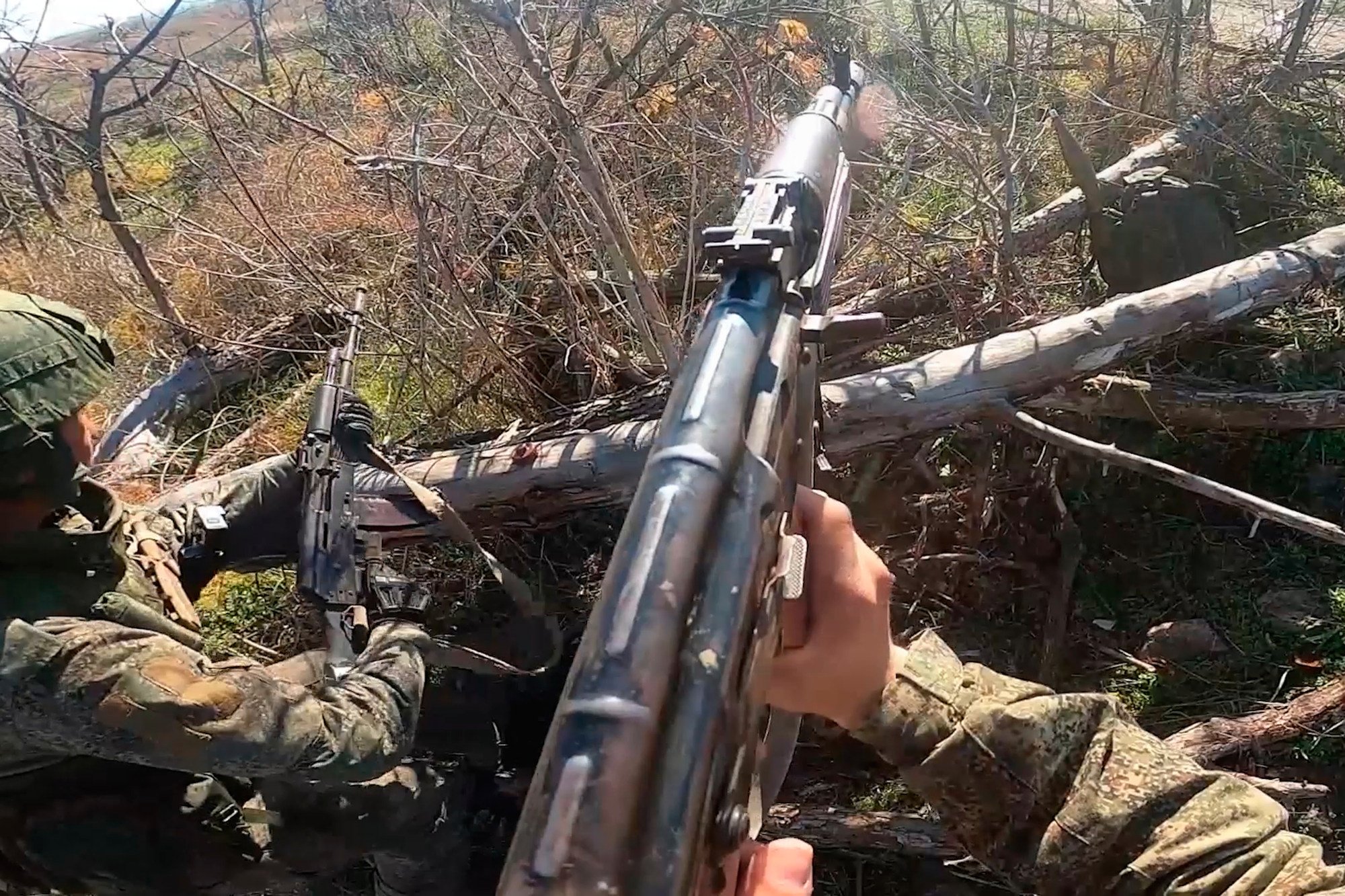
Despite the diplomatic activity, the realities on the ground remain stark. Russian forces have been making steady advances on the eastern front in recent months. President Putin recently celebrated territorial gains and signaled intentions for further advances in the coming weeks. Zelensky highlighted the intensity of recent Russian attacks, stating that over the past week, Russia had deployed approximately 1,300 attack drones, nearly 1,200 guided aerial bombs, and nine missiles of various types.
The Black Sea region of Odesa has been particularly hard-hit, with relentless strikes causing significant damage to ports, bridges, and energy facilities, resulting in fatalities. In the eastern Sumy region, Russian troops attempted a breakthrough in an area that had previously seen less intense ground fighting. Reports emerged of Russian forces forcibly relocating 50 individuals from a local village in Sumy, a claim that Russia has not yet commented on.
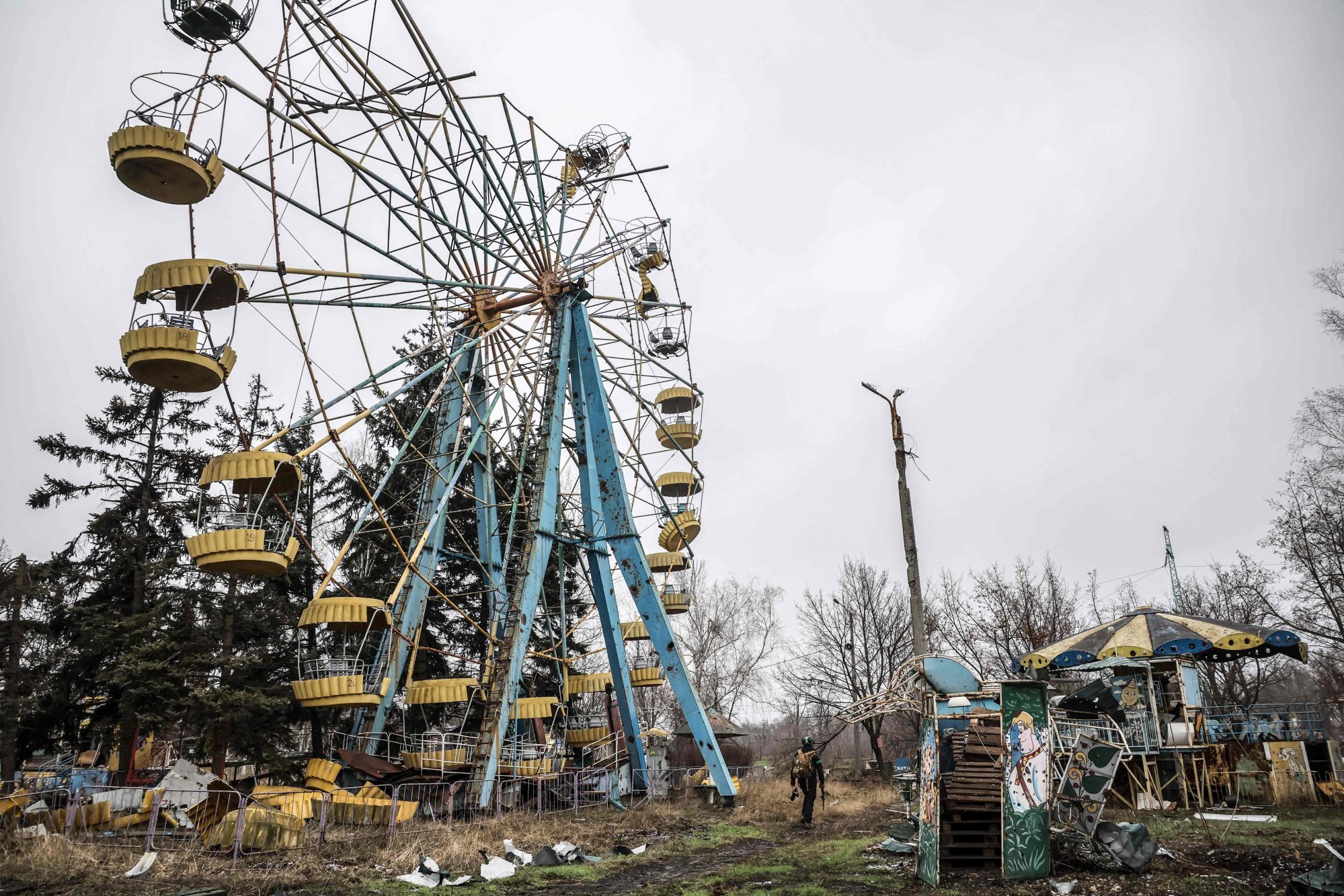
The ongoing military actions and the stated positions of both sides underscore the complex and challenging diplomatic landscape as the international community seeks a resolution to the conflict in Ukraine. The success of the Miami talks and subsequent negotiations will ultimately depend on whether a mutually acceptable path forward can be found, addressing both security concerns and the fundamental questions of sovereignty and territorial integrity.