Living with a Shadow: Sarah’s Journey with Huntington’s Disease and a Glimmer of Hope
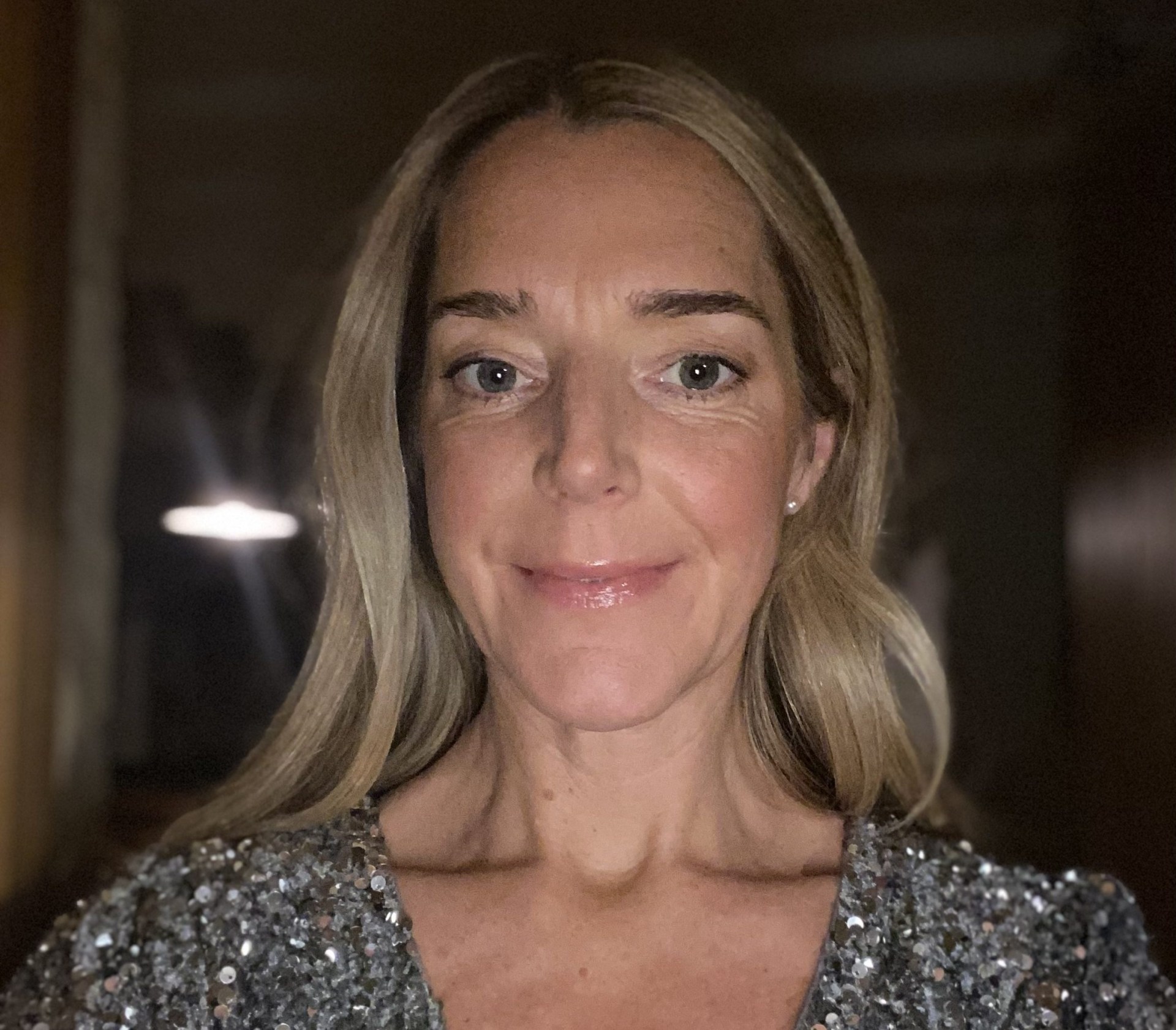
The sterile white walls of a hospital room offered little comfort to a 23-year-old Sarah Power as she awaited news that would forever alter the course of her life. The possibility of a genetic diagnosis loomed large, a spectre that threatened to drastically shorten her future. “It was a really harrowing moment,” Sarah, now 41, reflects. “Nothing could prepare me for the news I was about to receive.” The diagnosis confirmed her deepest fears: she carried the gene mutation for Huntington’s Disease, a devastating neurodegenerative illness characterised by a progressive triad of psychiatric, cognitive, and motor symptoms.
“I fell to pieces,” she recalls. “But it wasn’t just the pain I was feeling that hurt; it was knowing how my mum felt – grieving to see how much my diagnosis affected her.” While the news was a profound shock, it wasn’t entirely unexpected. Huntington’s had already cast a long shadow over her family, affecting both her father and his mother, Sarah’s grandmother.
A Childhood Glimpse of the Darkness
Sarah’s earliest memories of Huntington’s are tinged with a childhood misunderstanding of a profound threat. At the tender age of five, she remembers a conversation with a representative from the Huntington’s Disease Association. “They were explaining it was hereditary, which didn’t mean a huge amount to me at the time, but I did feel this darkness in the room,” she explains. Her naive logic led her to believe that avoiding smoking, a habit her grandmother had, would somehow shield her from the disease. Tragically, this was not the case. Eight years later, her grandmother succumbed to Huntington’s, her death certificate citing the disease as the cause after a period of debilitating falls, involuntary movements, and an inability to eat.
Sarah’s father, however, maintained a staunch denial of his own risk. Despite his mother’s diagnosis, he insisted he had undergone genetic testing and did not carry the gene mutation. “He stuck with that story until the day he died,” Sarah remembers. “He just wouldn’t go there as a proud man. I think it was his way of coping – just shutting it all down.”
The Long Wait for a Decision
As a teenager, Sarah was consumed by a fervent desire to be tested for Huntington’s. She understood the necessity of reaching adulthood before undergoing such a definitive procedure. “I thought it would be better to know, rather than not knowing,” she explains. Shortly after her 18th birthday, a letter arrived, extending an invitation to a genetic counselling appointment. It was a timely notification, hinting at crucial information they needed to share. “They knew my dad had it, and they were just telling me without telling me,” she adds, referring to the implicit knowledge of her genetic predisposition.
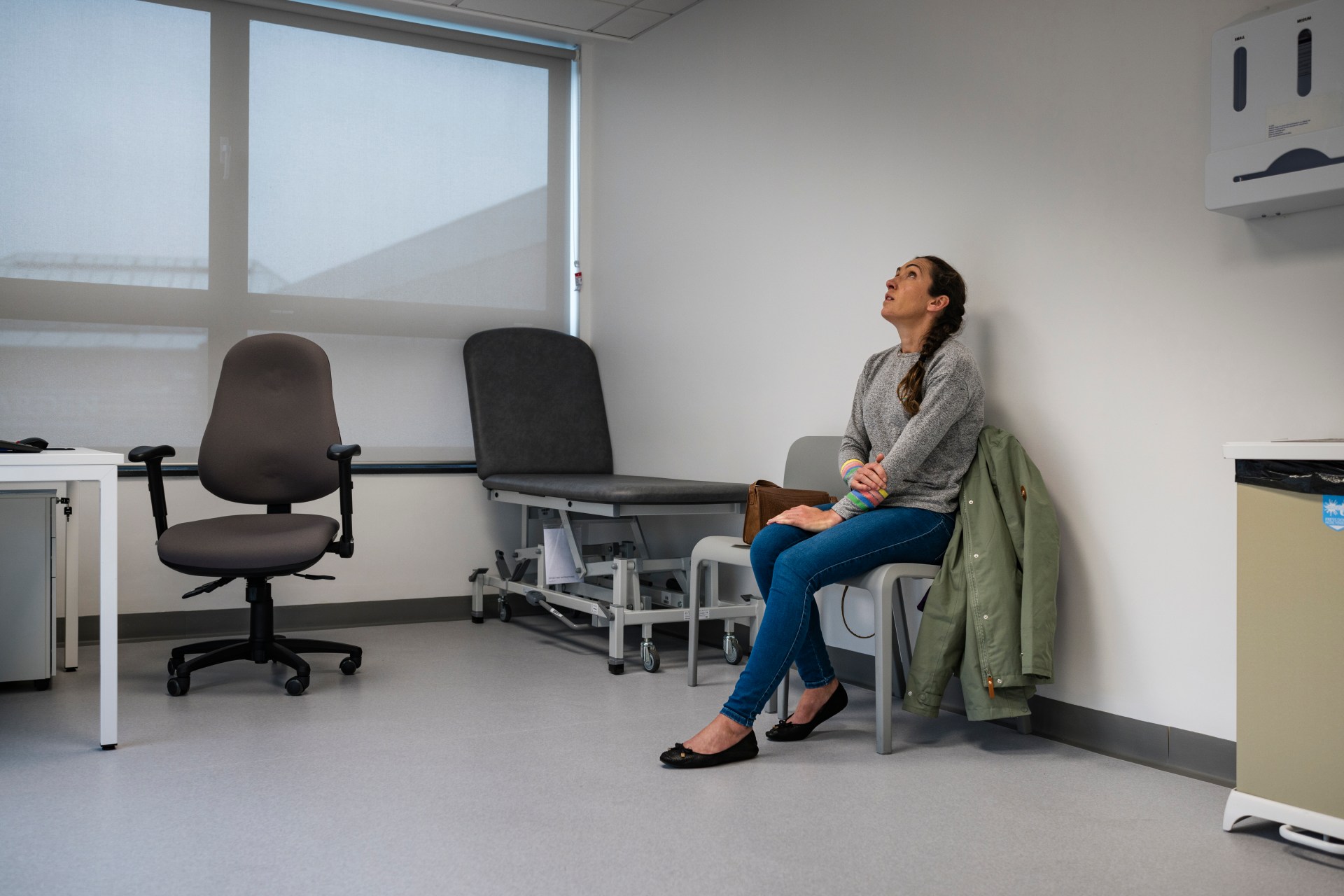
For two years, Sarah engaged in intensive counselling, a necessary preparation for the potential diagnosis that lay ahead. This was followed by neurological blood tests. The confirmation arrived in that same hospital room at 23, the words echoing the dread she had harboured for years: Sarah would, at some point in her life, develop Huntington’s Disease. “I cried more than I thought possible, I just couldn’t stop,” she says. “The world was still turning, but it was as though it was stood still for a while. It was so hard having to tell many of my friends over the phone. I couldn’t talk, I was shattered, I felt numb.”
Navigating Life with a Predetermined Future
The immediate aftermath of her diagnosis was a whirlwind of difficult conversations. Sarah contacted her brother, who initially expressed reluctance to be tested. He eventually agreed and, thankfully, discovered he did not share the same gene mutation. Sarah suspects that his negative test result brought its own complex emotions, a sense of “survivor’s guilt,” a sentiment they rarely discuss.
Seeking solace and a distraction from the overwhelming reality, Sarah embraced an idea from a close friend: a backpacking trip. “It was the best thing I could have done,” she asserts. Pooling their resources, they embarked on an extended adventure, exploring Brazil, Bora Bora, New Zealand, and Thailand, a conscious effort to “make as many memories as possible.” Yet, the physical act of escaping did little to quell the underlying fear. Each time she shared her diagnosis with friends and family, the reality of her situation was brought into sharp focus. “When you have watched loved ones die, knowing you’re going to face it too – I still can’t get that out of my head,” she explains.
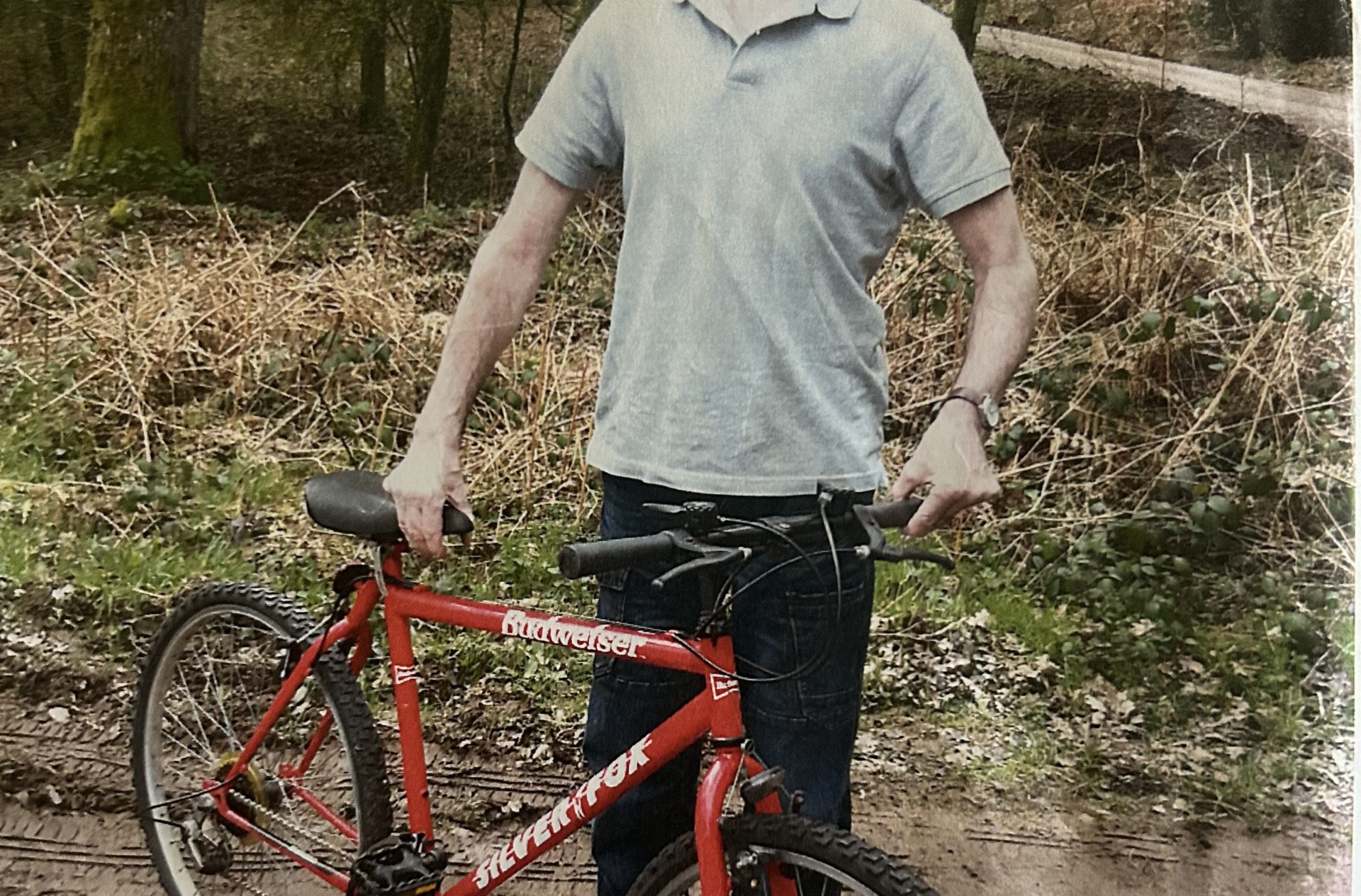
The passing of her father in 2017 from Huntington’s, at the age of 63, was a deeply complex experience. Despite years of anticipating his decline and mourning him even before his death, the grief was immense. “It was a relief as well,” she admits. “He was so poorly, and although he had once had a good quality of life, no longer did at the very end.” Witnessing her once “really sporty” father become bedridden was particularly heart-wrenching for Sarah. The cruelty of the disease was amplified when her father, a devoted lover of food, particularly chocolate, required a feeding tube. “It was almost like the last bit of pleasure taken away from him,” she laments.
Family, Loss, and Unexpected Blessings
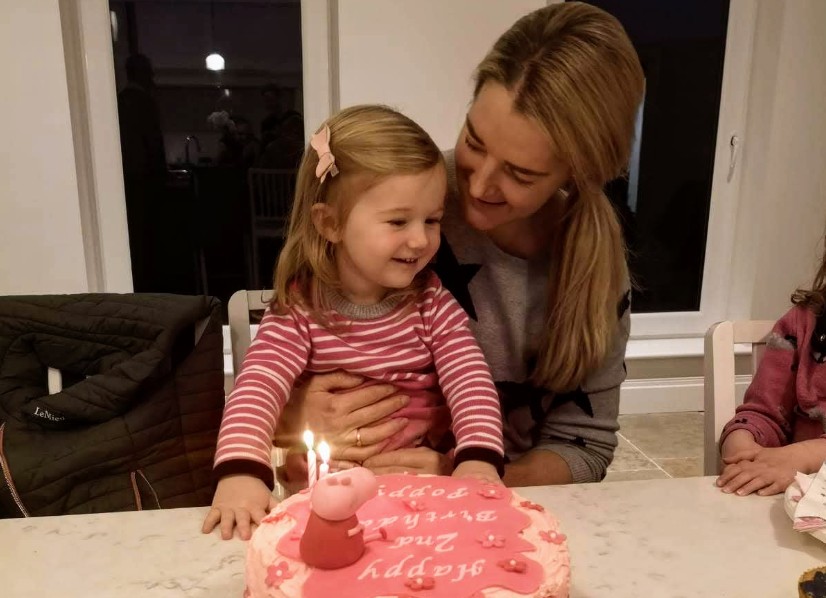
Sarah was upfront with her now ex-husband about her Huntington’s diagnosis. While she had initially resolved against having children to avoid passing on the gene, marriage brought a shift in perspective. The couple opted for IVF, a process that included genetic screening, allowing them to have a family without transmitting the mutation. The journey was fraught with heartache; they lost two babies before Sarah was finally able to carry their first daughter to full term.
“We had our happy little family and thought we were done,” she recalls. “But shockingly, I became pregnant naturally in 2021. I still can’t get my head around it.” A scan at six weeks revealed a strong heartbeat, but the decision at 12 weeks, whether to test the baby for Huntington’s and potentially terminate the pregnancy if positive, was unbearable. “I just couldn’t bear to take her life away. I wanted to let fate do its thing.”
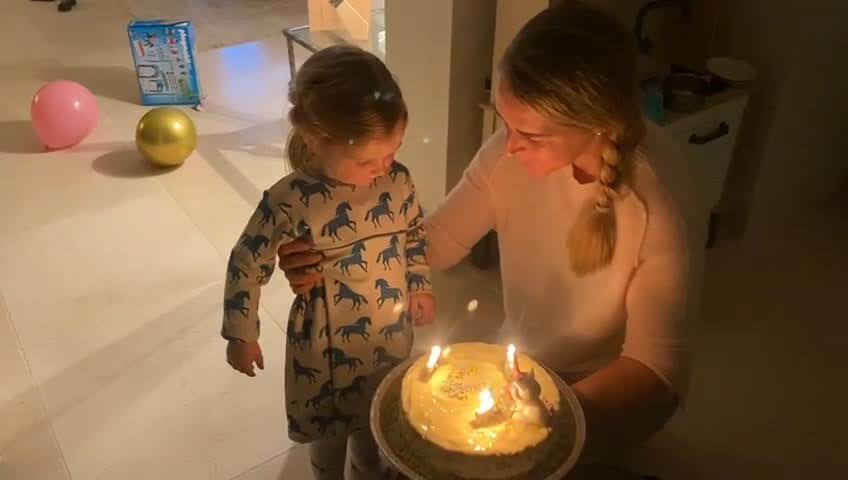
Now a stay-at-home mother to her two vibrant daughters, Sarah harbours no regrets. However, years of suppressing fears for herself and her second daughter have taken their toll. “Normally, onset is between 30 and 50,” she explains. “I am pre-symptomatic, but it feels like I’m a ticking time bomb.” This awareness has profoundly shaped her outlook. “It’s made me live my life differently though – knowing that I will get ill at some point. I don’t take anything for granted, and feel grateful for what I have today. I just try to live my life as much as I can, and I’m glad I’m still here.”
The earliest signs of Huntington’s – changes in personality, clumsiness, loss of balance, and difficulty learning – are a constant source of anxiety for Sarah. A dropped object or a minor mistake can trigger the question: “I wonder, is this the start for me?” While she strives to maintain a positive outlook, some days are more challenging than others. Her fervent hope is to “stay fit and healthy long enough for a treatment to help me.”
A Beacon of Hope on the Horizon
A significant glimmer of hope emerged at the end of September, with an email from the Huntington’s Disease Association announcing a groundbreaking new treatment. “I had to read the email several times – I couldn’t sleep that night,” she says, a smile finally gracing her lips. “I’ve never let myself think about what it would be like to see my grandchildren, or whether I would need a pension. I just never dreamed that a treatment would come along. It’s still sinking in – a pinch me moment. It’s the breakthrough we’ve all been hoping and praying for. Now, I might be able to grow into an old lady and enjoy all the things my mum has.”
Cath Stanley BEM, Chief Executive of the Huntington’s Disease Association, shared insights into this pivotal development. “Around 8,000 people in the UK are living with Huntington’s disease, an inherited condition that slowly takes away control over movement, thinking and behaviour. Another 32,000 are at risk, unsure whether they’ll one day face the same future. Huntington’s affects the brain’s nervous system due to a faulty gene. For many, symptoms begin in their 30s or 40s just as careers, families, and futures are taking shape. As the disease progresses, people often lose their independence and need round-the-clock care.”
Stanley expressed immense optimism: “We are thrilled by the early results of this new Huntington’s disease treatment, which suggest it could slow the condition’s progression by up to 75%.” However, she cautioned that full trial results are still pending, and regulatory approval in the US, followed by European and UK authorities, could take several years. It is also understood that the treatment may be most effective for individuals at specific stages of the disease. Despite these considerations, Stanley concluded, “While the procedure is currently a major operation, lasting more than 12 hours, this is a huge step forward.”