Zelensky Expresses Skepticism Over Putin’s ‘Success’ Claims During Trump Talks
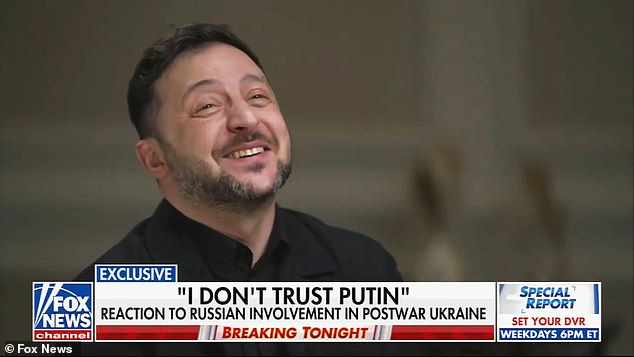
Ukrainian President Volodymyr Zelensky has voiced significant doubt regarding statements made by former US President Donald Trump, suggesting Russian President Vladimir Putin “wants to see Ukraine succeed.” Zelensky, speaking in an interview, indicated his deep-seated distrust of both Russia and Putin, asserting that Putin’s true intentions are not aligned with Ukraine’s prosperity.
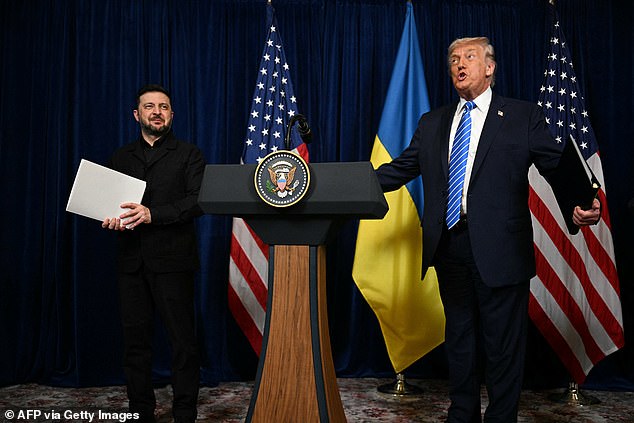
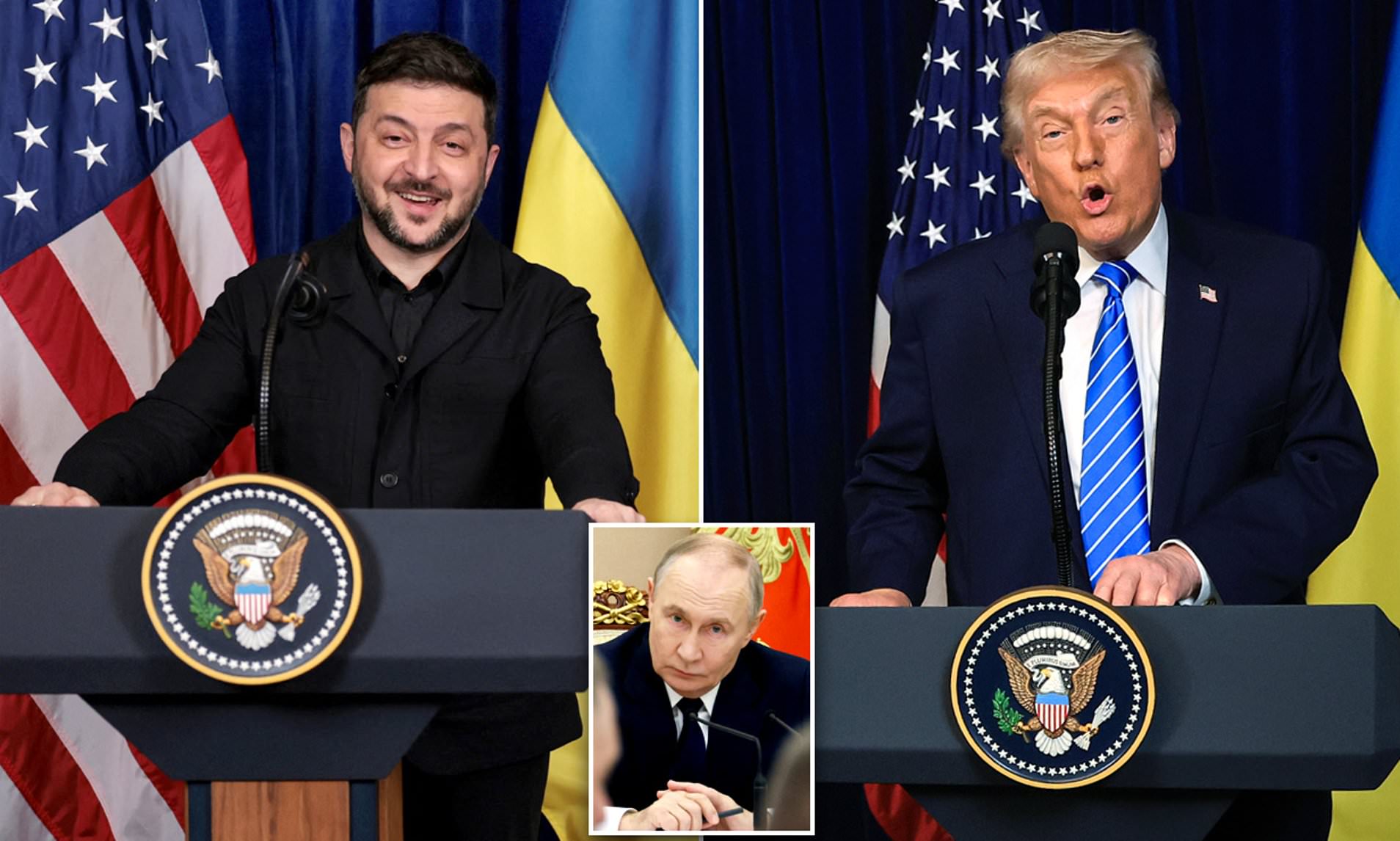
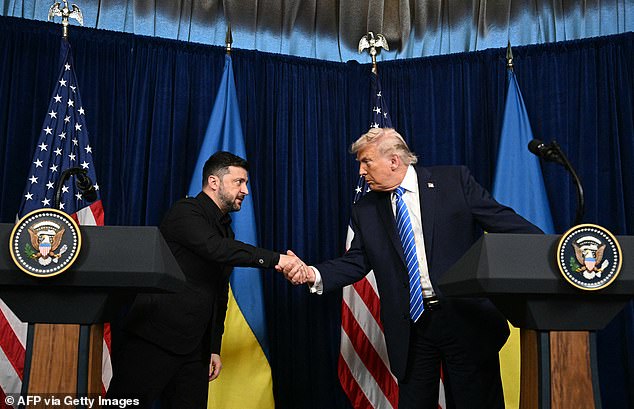
During a press conference alongside Trump, Zelensky’s visible reaction of raising an eyebrow to Trump’s assertion was a clear signal of his reservations. He clarified that his skepticism was not an accusation of Trump lying, but rather a belief that Putin was employing diplomacy to avoid further stringent measures from the United States.
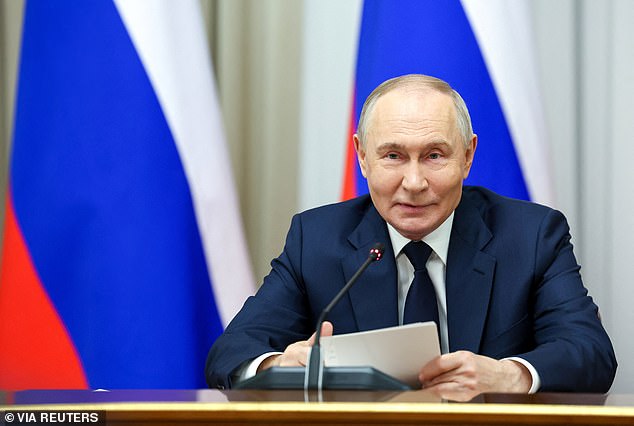
“I don’t trust Russians and… I don’t trust Putin and he doesn’t want success for Ukraine, really,” Zelensky stated. He elaborated that while he believed Putin might utter such words to Trump, the sentiment was not genuine. “He doesn’t want to have from President Trump, more pressure with sanctions,” Zelensky explained, suggesting Putin’s words were an attempt to mitigate potential economic penalties.
Zelensky also addressed the idea of Russia offering “cheap electricity” to Ukraine, dismissing it as unnecessary. He firmly stated, “we don’t need anything from them” concerning the reconstruction of Ukraine. However, he did outline a clear expectation: “They have to give us money. They can give us money for this and we will rebuild everything and we will decide what to do.”
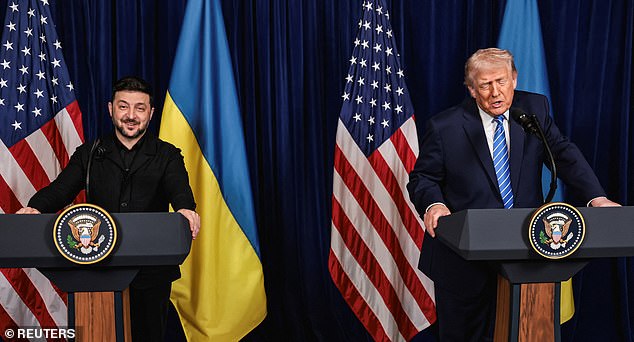
The meeting between Trump and Zelensky was framed as a significant step towards peace talks aimed at resolving the protracted conflict with Russia. Trump had previously stated that Russia desired Ukraine’s success, even mentioning the possibility of supplying energy and electricity at reduced prices. He indicated that they were “very close” to an agreement, with only “one or two thorny issues” remaining.
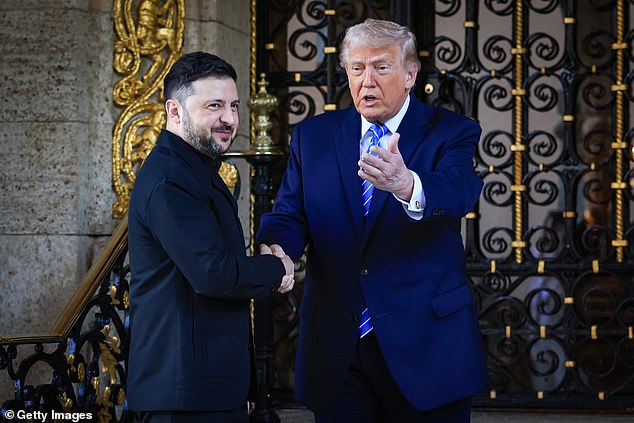
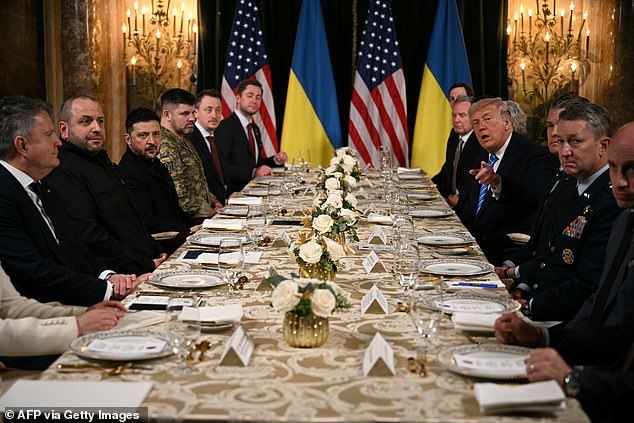
Trump welcomed Zelensky to his Mar-a-Lago estate for discussions centred on a comprehensive 20-point plan designed to bring an end to the war. Following their talks, both leaders acknowledged that consensus had not been reached on several critical points, notably the future status of the Donbas region, a Ukrainian territory that has been a focal point of the conflict.
“This is very difficult question,” Zelensky remarked when questioned about the Donbas. He reiterated Ukraine’s clear stance, emphasizing the need to respect Ukrainian law and its people, and to uphold the integrity of its controlled territories.
Trump offered a different perspective, suggesting that some territories had been lost and “may be up for grabs.” He acknowledged the bravery of the Ukrainian forces but also noted Russia’s desire for an end to the conflict. “We could be very close. There are one or two very thorny issues, very tough issues, but I think we’re doing very well. We’ve made a lot of progress today, but really we’ve made it over the last month. This is not a one day process deal, this very complicated stuff,” Trump commented on the ongoing negotiations.
Hurdles and Realities of the Peace Process
When pressed on a potential timeline for ending the war, Trump acknowledged that several obstacles remained. “In a few weeks, we will know one way or the other,” he stated, adding that an unforeseen issue could derail progress. He described the negotiations as “very difficult” and “very detailed.” However, he also presented a sobering outlook on the consequences of a failed agreement, warning, “They keep fighting and they keep dying.”
Trump had initially expressed optimism about swiftly resolving the Russia-Ukraine conflict upon his return to the White House. However, the negotiations have presented challenges, leading to expressions of frustration with both Zelensky and Putin at different junctures.
The 20-point plan reportedly includes security guarantees for Ukraine, potentially through EU membership and the maintenance of a substantial peacetime army supported by Western allies. Trump’s reaction to a reporter’s question about these security guarantees was notably sharp, describing it as a “stupid question” and asserting that the details would be determined and would be strong, with significant European involvement.
Prior to the press conference, Trump had shared on social media about a “very good and very productive telephone call with President Putin.” At Mar-a-Lago, he reiterated that discussions were in their “final stages.” He emphasized the gravity of the situation, stating, “It will either end, or it’s going to go on for a long time and millions of additional people are going to be killed. Nobody wants that.” Trump also expressed his belief that Putin was amenable to a ceasefire, citing the significant loss of life. He stated, “I do believe that we have the makings of a deal that is fit for Ukraine, fit for everybody.” He further claimed, “There is nothing more important. I’ve settled eight wars, and this is the most difficult one.”
Despite these declarations, Trump declined to provide specific details about his conversations with Putin during the press conference with Zelensky.
Key Discussion Points and Global Reactions
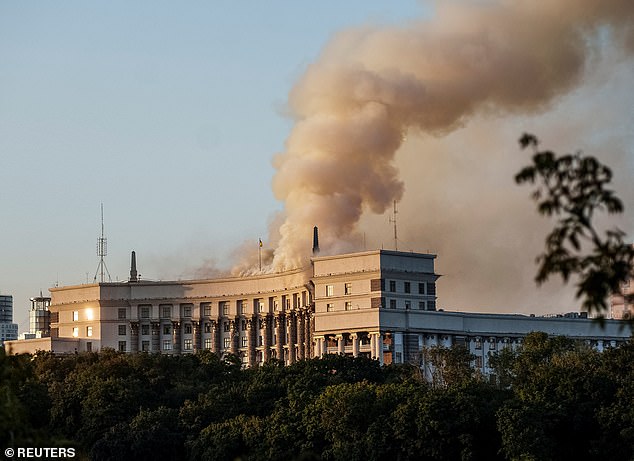
The discussions between Trump and Zelensky reportedly touched upon sensitive issues, including the fate of the Donbas region and the control of a Russian-occupied nuclear power plant. This meeting occurred shortly after a significant Russian missile barrage on Kyiv, which resulted in casualties.
In the days leading up to the summit, Zelensky had articulated Ukraine’s primary objective: “ending the war. For us, the priority is peace.” He stressed the importance of strength at the negotiating table, which he believed required global support from Europe and the United States. Zelensky also highlighted Ukraine’s need for enhanced air defenses, weaponry, and financial assistance, stating, “If the whole world – Europe and America – is on our side, together we will stop Putin.”
Zelensky also mentioned a “detailed phone call” with British Prime Minister Keir Starmer, during which they discussed preparations for the meeting with Trump and the repercussions of Russian attacks.
Meanwhile, Russian Foreign Minister Sergei Lavrov commented on the peace efforts, identifying Europe as “the main obstacle to peace” while acknowledging Trump’s role. Lavrov suggested that post-US administration changes, the European Union had become a barrier to peace.
Trump had previously indicated to Politico that he believed the meeting would be productive, adding that Zelensky’s proposals were contingent on his approval. This engagement marked the sixth meeting between Trump and Zelensky that year, reflecting an improvement in their relationship since an earlier disagreement.
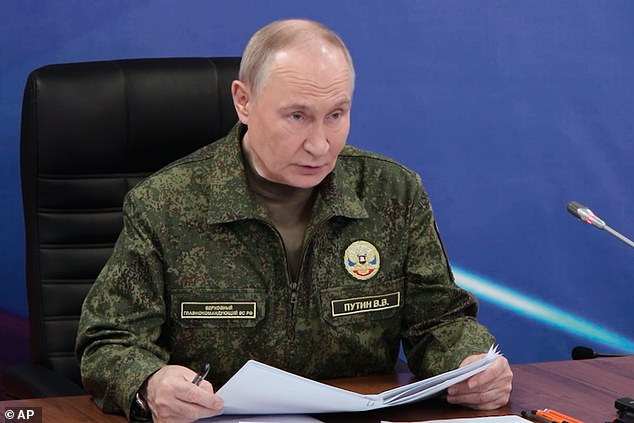
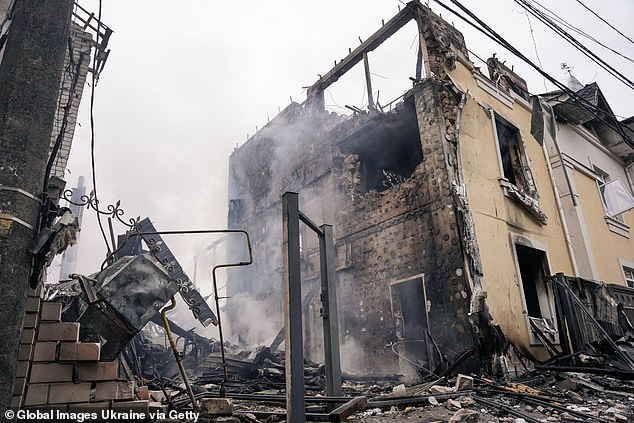
Concerns were also raised by Donald Trump Jr., who suggested that his father might withdraw support for Ukraine if Kyiv refused to engage in negotiations with Moscow. Reports have also surfaced detailing Trump’s team’s alleged discussions with Russia concerning business deals and potential economic engagement, aiming to bring substantial Russian capital into the US economy. These discussions reportedly involved figures like Jared Kushner and Steve Witkoff, and explored plans to end the war while also securing advantages for American businesses.
During a meeting with Canadian Prime Minister Mark Carney, Zelensky emphasized that “pressure on Russia and sufficient, strong support for Ukraine” were crucial for achieving peace. Carney announced additional economic assistance for Ukraine’s reconstruction. He commended both Zelensky and Trump for fostering conditions conducive to a “just and lasting peace.”
The face-to-face meeting between Trump and Zelensky was seen as a testament to the progress made by Trump’s negotiators. Zelensky had previously indicated that the 20-point draft proposal was approximately “90 per cent ready,” a sentiment echoed by US officials.