The Korean Wave Crests on Bali’s Shores: More Than Just K-Pop
Bali, the Indonesian island paradise famed for its turquoise waters, world-class surfing, and spiritual aura, is experiencing a fascinating cultural phenomenon. Beyond its natural beauty, visitors are now encountering a pervasive and growing presence of South Korean-inspired products and experiences, transforming the island into an unexpected hub for “K-culture.”
What was once a niche fascination with K-Pop and K-dramas has seemingly expanded into a broader appreciation for Korean aesthetics, flavors, and even language, permeating local businesses and captivating residents and tourists alike. This wave of Korean influence is not limited to imported goods; it is actively embraced and replicated by Balinese enterprises, creating a unique fusion that delights and surprises.
A Taste of Korea, Locally Brewed
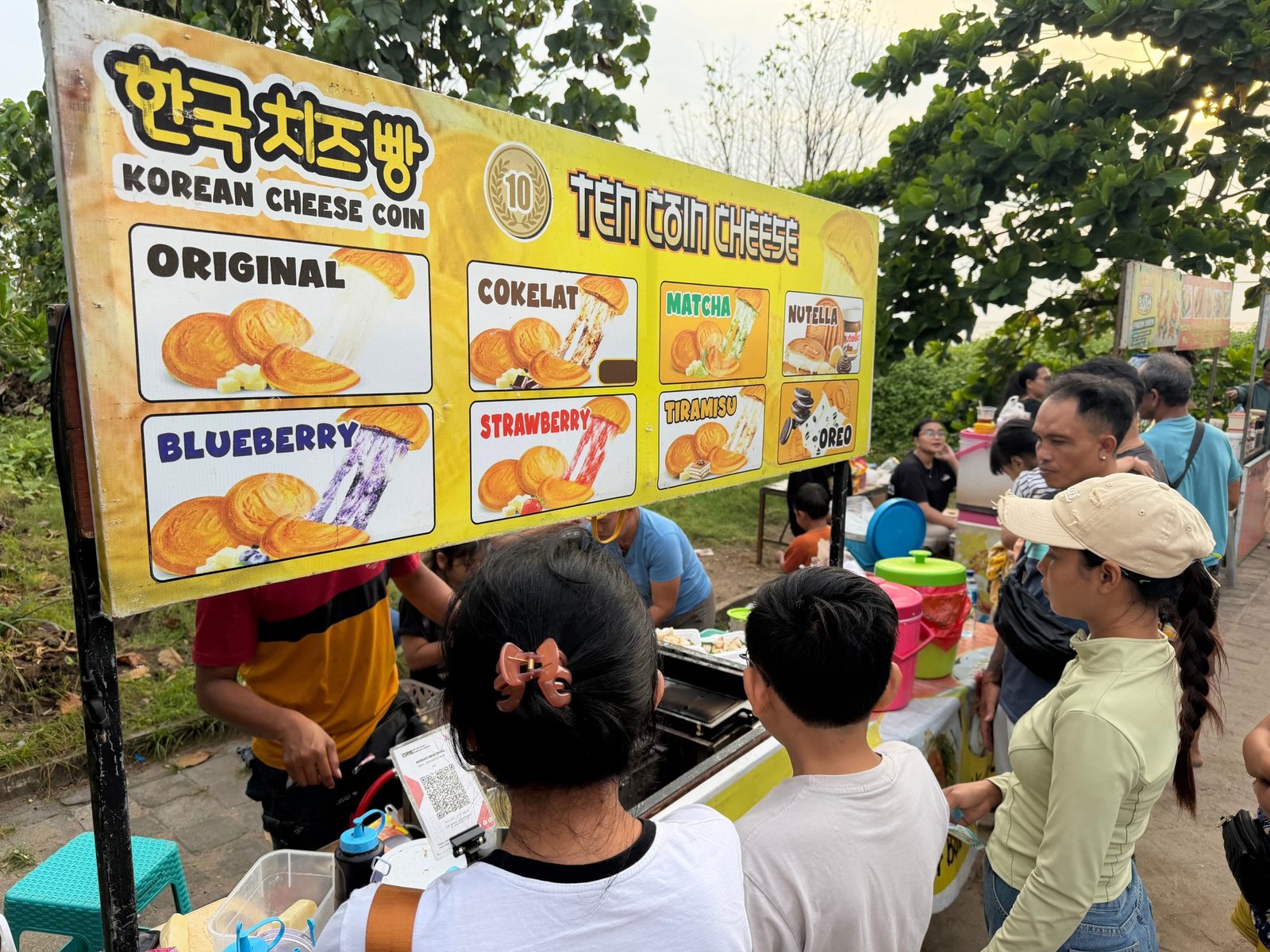
The culinary landscape of Bali is a prime example of this evolving trend. A remarkable sight for many is the emergence of what has been dubbed “10-won bread,” a confectionary originating from Gyeongju, South Korea. Locals have been observed queuing under the Balinese sun, eager to sample this distinctive treat, demonstrating a direct consumer interest in Korean food items.
“Is that really 10-won bread?”
Local residents were waiting under the scorching sun at the entrance of Seminyak Beach in Bali, Indonesia, to try the ‘10-won bread’ that originated from Gyeongju, South Korea.
Further exploration reveals that the influence extends to everyday staples. A casual visit to a local mart might reveal a milk product branded ‘Busan VANILLA.’ Initially, one might assume it’s an imported good from South Korea. However, upon closer inspection, it becomes clear that this product is manufactured by a prominent local dairy company. The packaging itself is a testament to the cultural integration, featuring Indonesian text that proudly proclaims, “The scenery of Busan’s Haeundae Beach is DAEBAK (great)! Enjoy popular vanilla ice cream or milkshakes there and relax.” Adding another layer to this Korean flair, the carton is inscribed in Korean script with the phrase “Got it?,” effectively positioning the Korean language as a symbol of contemporary coolness and trendiness.
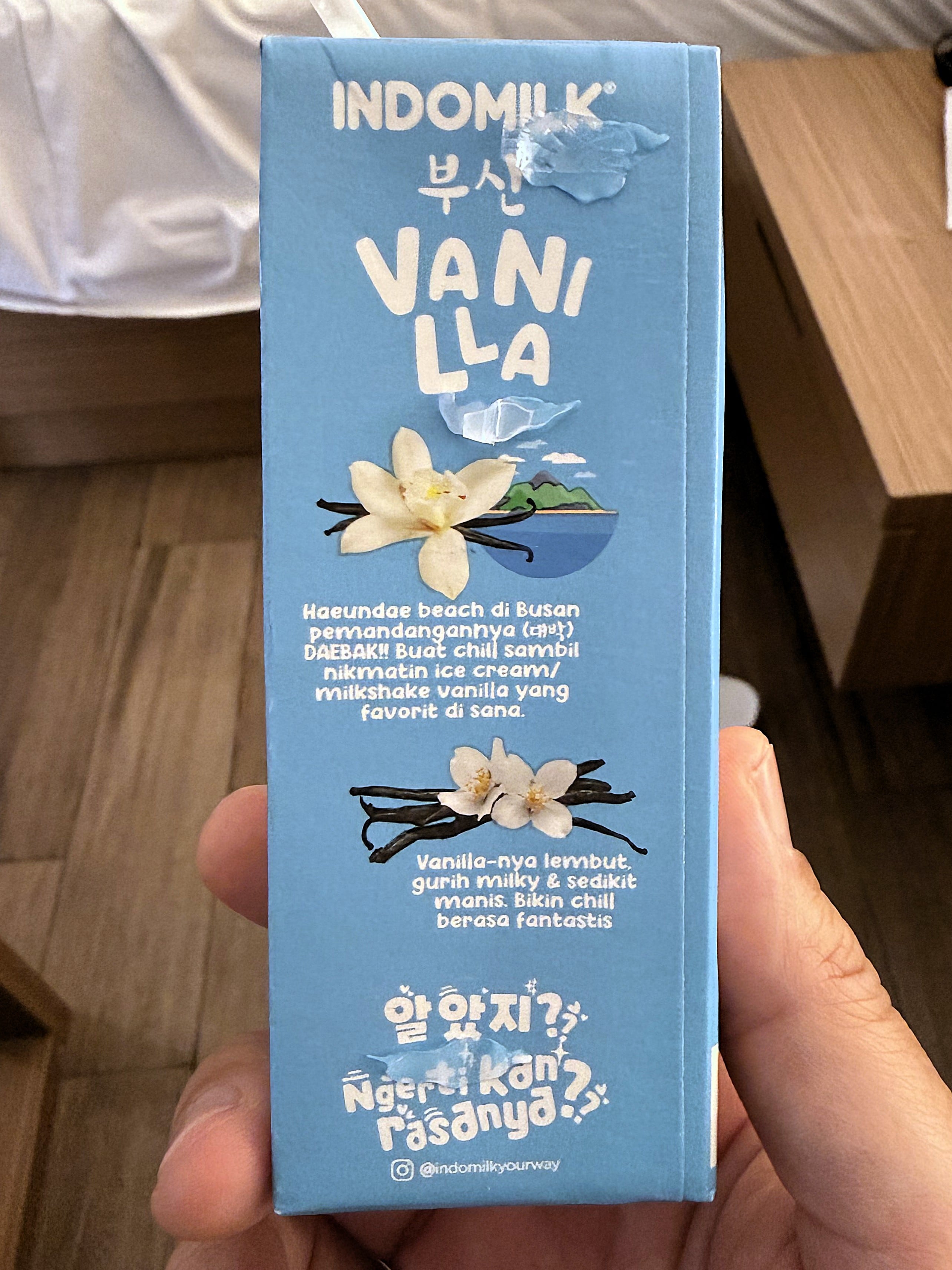
While browsing for food at a local mart, a product called ‘Busan VANILLA’ caught my eye. Initially assuming it was imported from Korea, I later realized it was produced by a local famous dairy company.
In the center of the milk carton, it says in Indonesian, “The scenery of Busan’s Haeundae Beach is DAEBAK (great)! Enjoy popular vanilla ice cream or milkshakes there and relax.” At the bottom, it says in Korean, “Got it?,” conveying the impression that the Korean language is considered a form of ‘coolness.’
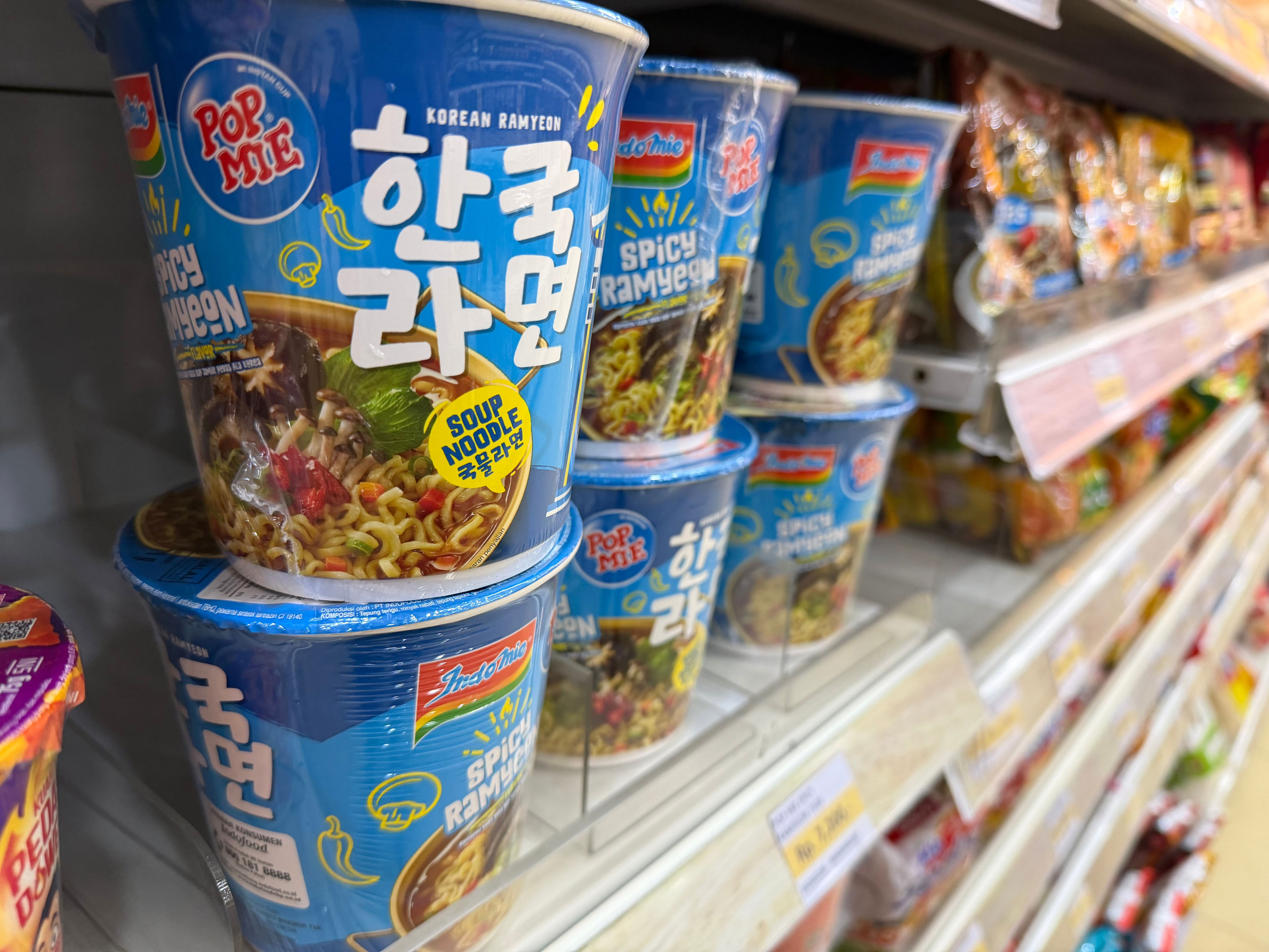
The popularity of Korean instant noodles is also being capitalized upon. Indonesia’s leading instant cup ramen brand has launched a ‘Korean ramen’ as part of its premium line. This product prominently features large Korean characters on its packaging, emphasizing its spiciness and connection to Korean culinary traditions. This move highlights a strategic understanding of consumer appeal, linking the product directly to the perceived authentic and bold flavors of Korean cuisine.
Star Power and Linguistic Charm
The appeal of Korean culture is not solely confined to food. The realm of entertainment and celebrity endorsement is also playing a significant role. Local snack producers are now incorporating images of popular Korean idols and actors onto their packaging. Alongside these celebrity faces, the Korean word ‘Hello’ is often emblazoned, creating a powerful “star marketing” strategy. This approach, once primarily reserved for imported Korean products seeking to leverage their existing global fame, has now been adopted by local brands, indicating a shift in how businesses perceive and utilize Korean cultural capital.
Snacks produced by a local company featured the faces of famous Korean idols and actors prominently alongside the Korean word ‘Hello.’ It felt like star marketing, once limited to imported Korean products, had now expanded to local brands.
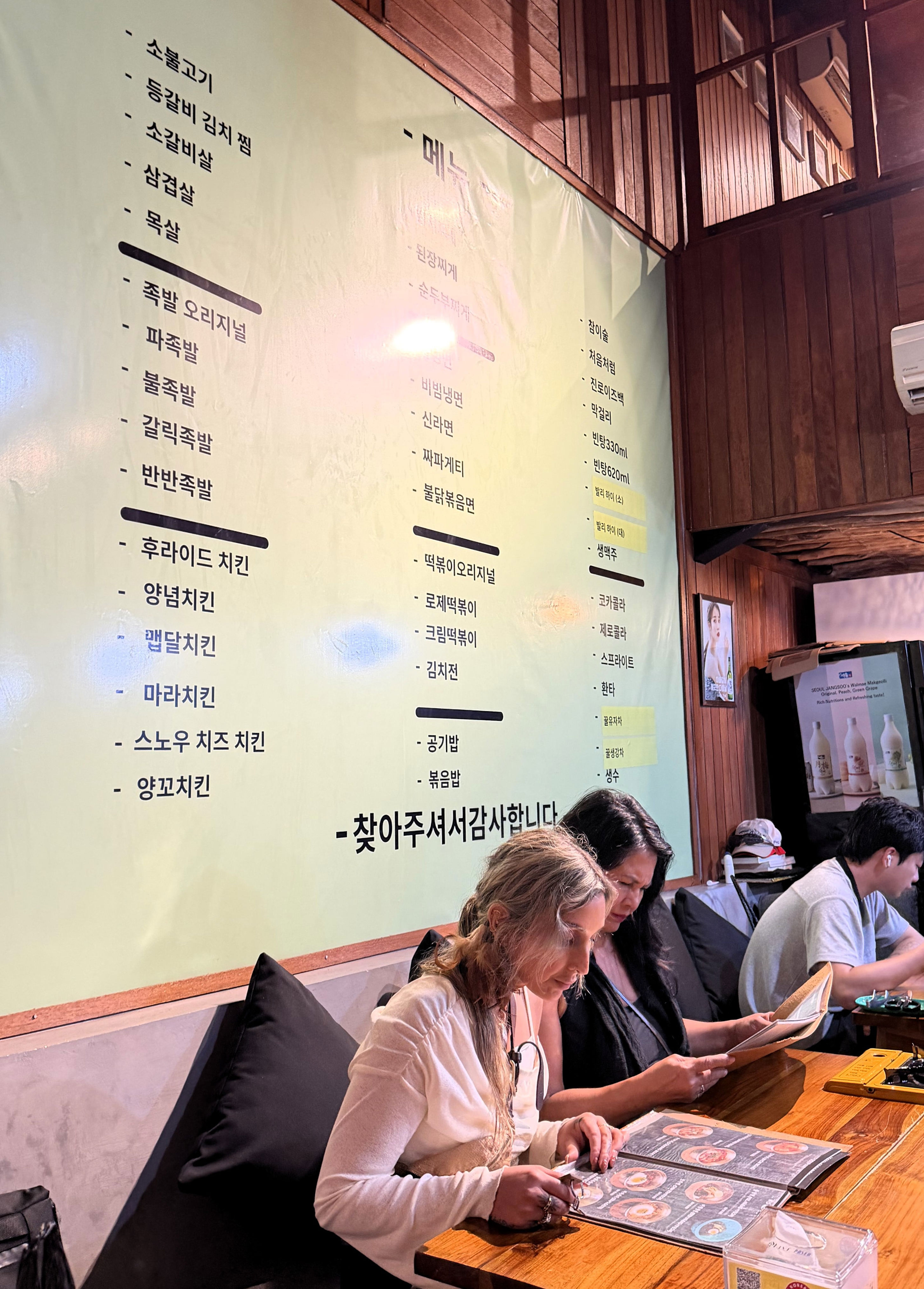
The integration of Korean linguistic elements extends to the hospitality sector as well. A Jeju-style pork belly restaurant in Kuta, Bali, greets its patrons with a warm welcome in the distinct dialect of Jeju Island. This immersive experience creates a delightful and somewhat surreal sensation, as visitors find themselves transported to a specific region of South Korea while still on the island of Bali.

“‘Welcome! Nice to meet you when you come alone’ is what you hear upon entering the Jeju-style pork belly restaurant located in Kuta, Bali. How can one describe this strange yet delightful experience of encountering Korea’s Jeju Island on a foreign island?”
A Symphony of Korean Influences
The Korean wave’s reach on Bali is multifaceted, extending even into the island’s vibrant nightlife. During a journey to the iconic Uluwatu Temple, a local driver enthusiastically recommended a prominent club situated atop the dramatic cliff faces. Upon agreeing to visit, a glance out the car window revealed an advertisement for the club featuring a performance by a Korean DJ named ‘Peggy.’ The driver further elaborated on the DJ’s origin, expressing his fondness for her music, specifically mentioning the song “NA NA NA.” This anecdote underscores how Korean artists are actively participating in and contributing to Bali’s entertainment scene.
While heading to Uluwatu Temple, a local driver recommended a famous club atop the Uluwatu cliffs. After politely agreeing to visit, I glanced out the window and saw an advertisement for the club. It promoted a performance by Korean DJ ‘Peggy.’ The driver said, “Isn’t that person also Korean? I like the song ‘NA NA NA.’”
From being greeted in a regional Korean dialect to enjoying milk named after a famous South Korean city and dancing to the tunes of a Korean DJ, Bali is increasingly offering a comprehensive Korean cultural experience. The popularity and influence of South Korean brands and cultural touchpoints on this foreign island are not just present; they are undeniably hot and intensely felt, painting a vivid picture of globalization and cultural exchange in the 21st century.
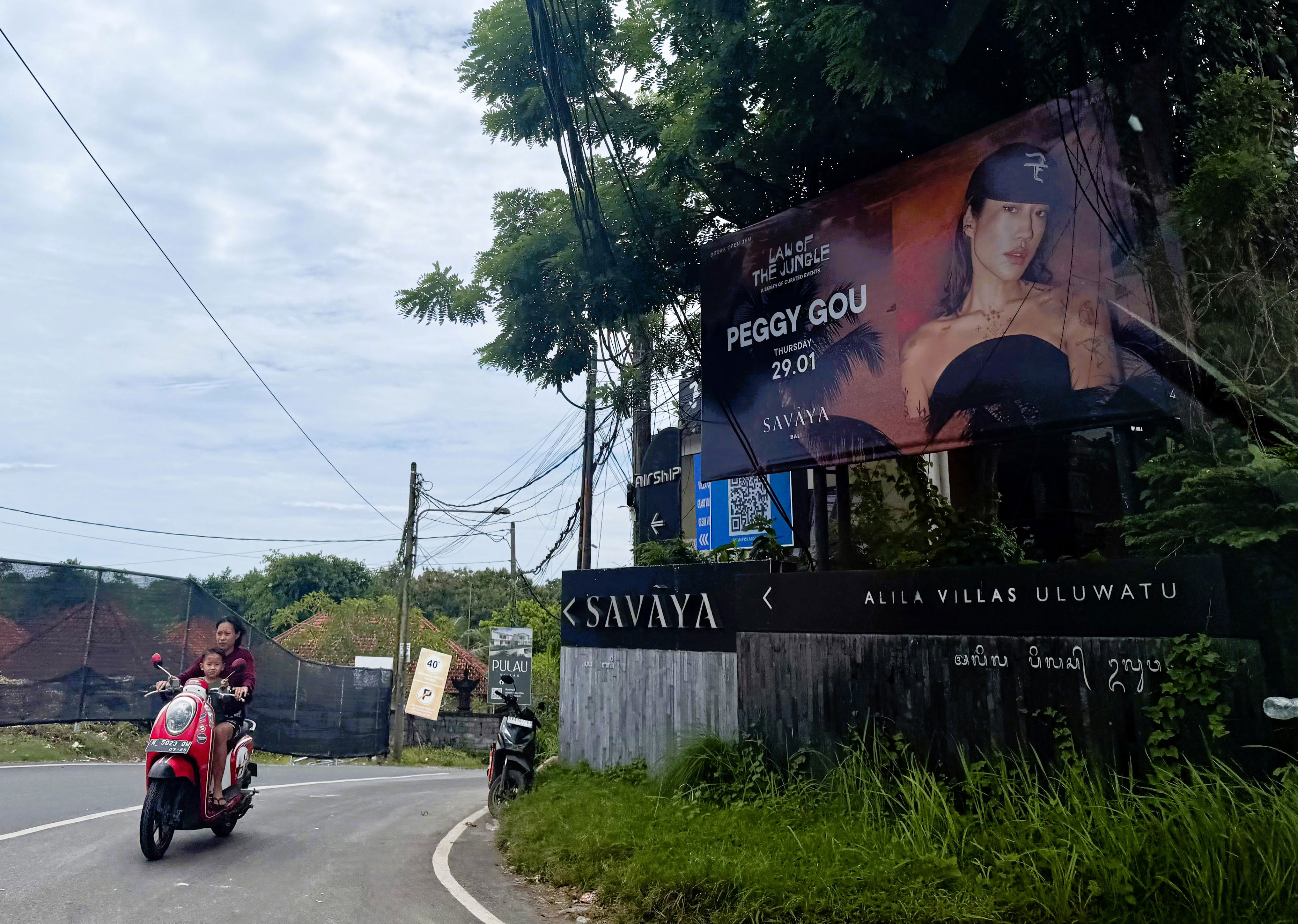
In Bali—where one is greeted in Jeju dialect, drinks milk named after Busan, and hears the beats of a Korean DJ—the popularity of the South Korean brand on a foreign island was hot and intense.