The Spirit of Annadhanam: Free Food Distribution Flourishes Around Batu Caves
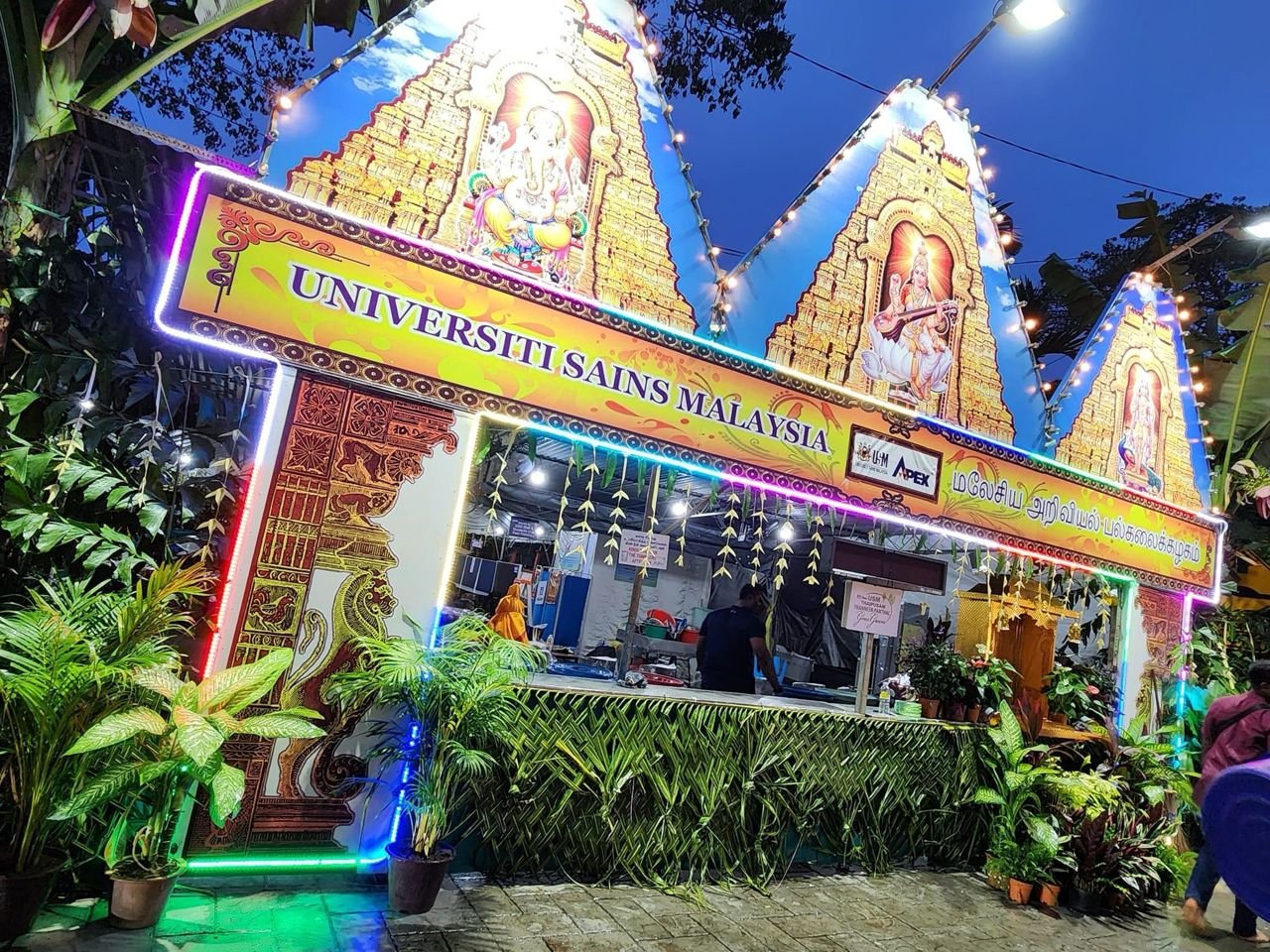
The sacred Indian practice of annadhanam, a profound act of charity involving the offering of free food to the needy and devotees, takes centre stage in the vibrant lead-up to Thaipusam. This tradition, considered one of the highest forms of giving, manifests in a deeply visible and heartwarming manner as communities unite in selfless service. During the days preceding the significant Hindu festival, the vicinity of the Sri Subramaniar Swamy Temple at Batu Caves transforms into a hub of humanitarian spirit, with numerous families and groups dedicating themselves to this noble cause.
FMT Lifestyle observed this spirit firsthand on January 25th, as crowds of kavadi bearers and devotees carrying paal kudam (milk pots) began to converge at the iconic Batu Caves temple complex. The pilgrimage route itself became a testament to annadhanam, with families strategically positioned along the path, each contributing their unique story and efforts to nourish the arriving pilgrims.
Families United in Service
The Kirubanathini Jeyakumar Family: A Growing Tradition
As one walks from the KTM station towards the temple, the Kirubanathini Jeyakumars family had established several tents, diligently serving a steady stream of morning attendees. Their offering was generous, ranging from full vegetarian meals to delectable desserts, with the queue moving at a pace that suggested the unwavering demand.
Kirubanathini, a 35-year-old medical officer originally from Ipoh and currently pursuing her Master’s degree, has been a dedicated organiser of annadhanam at Batu Caves for the past four years. Her commitment has seen the initiative grow significantly. “This started when I moved to Kuala Lumpur for my studies,” she shared. “I began on a small scale, but this year my maternal family joined in, so we were able to go bigger to serve about 600 people.”
Over the years, Kirubanathini’s efforts have garnered support from colleagues and close friends, many of whom now return annually to lend their hands and hearts to the cause. For Kirubanathini, annadhanam is more than just a charitable act; it’s a profound expression of gratitude and service. “It’s my way of giving back for the blessings I’ve received and a reminder to stay grounded in humility. There’s a quiet joy in serving without expectation,” she explained. She cherishes the moments of connection, particularly when devotees offer blessings. “I usually stand at the end of the serving table, and especially this year, many devotees came up to offer their blessings. That meant more to me than anything else.”
The Puvaneswary Tulisiraman Family: A Decade of Devotion
Further along the pilgrimage route, lawyer Puvaneswary Tulisiraman and her family were stationed under the afternoon sun, distributing simple yet nourishing meals. Their tables were laden with vegetarian nasi lemak, mee goreng, refreshing drinks, and snacks, all of which were swiftly handed out to the weary but determined devotees.
Puvaneswary shared that the initiative began with her mother-in-law, Annamal, a homemaker who also operates a breakfast stall near their home. Based in Ampang, the family has been participating in annadhanam for approximately ten years. What started as a modest family endeavour during Thaipusam has evolved into a cherished annual tradition. “We now prepare simple meals for about 500 devotees.” For Puvaneswary, the most rewarding moments are often the simplest: “Seeing exhausted devotees regain their strength after a meal is very moving. At the same time, this act of giving strengthens our family bond.”
The Batu Caves Brothers: A Legacy of Large-Scale Giving
A Quarter-Century of Generosity
Beyond the immediate temple grounds, under the expansive flyover, a much larger annadhanam operation was in full swing. A sprawling setup of tents, tables, and chairs marked the presence of the “Batu Caves Brothers,” a group whose dedication to this cause spans over 25 years. Their offering was extensive, featuring fragrant biryani rice, various curries, and an array of side dishes, catering to a significant number of pilgrims.
The driving force behind this impressive operation is 49-year-old Saravana Kumar Ramasamy. He recounted the humble origins of their endeavour. “We used to run a small car wash near Batu Caves. One day, someone told us, ‘If you donate food to people, you’ll do well in life.’” This advice profoundly impacted Saravana, shaping the trajectory of their charitable work. “We started by feeding 50 people. Today, we do annadhanam for around 3,000.”
Over the years, Saravana has cultivated a strong network of friends from diverse professions, whom he affectionately describes as “family,” all contributing to the Batu Caves Brothers’ mission. For this group, Thaipusam transcends a single day of charity. “We also carry paal kudam, and we remain vegetarian for the entire month until Thaipusam ends,” Saravana stated. He emphasized the stringent adherence to purity for the food intended for devotees, noting that “everything from the ingredients to the pots and ladles is strictly vegetarian and used only for this purpose, once a year.”
Meticulous Preparations and Unwavering Commitment
The preparations for such a large-scale annadhanam are incredibly intensive. Vegetable preparation begins in the mid-afternoon, with cooking continuing throughout the night. After performing their morning baths and prayers, the dedicated team heads directly to Batu Caves before sunrise to set up their serving stations.
“By 10 am, we start serving, and by 1 pm, all the food is finished. In all these years, we’ve never wasted food,” Saravana proudly stated. The satisfaction derived from their efforts is immense: “The satisfaction we feel when we see empty pots is unmatched. We’ve only ever wanted to grow bigger and do more each year.”
Across all three families and the Batu Caves Brothers, the essence of annadhanam lies not in its scale or the accolades it may receive, but in the profound spirit of volunteerism that is intrinsically woven into the fabric of Thaipusam celebrations. It is a powerful demonstration of community, compassion, and unwavering devotion.