Unravelling the Bermuda Triangle: A New Theory Sheds Light on Decades of Mystery
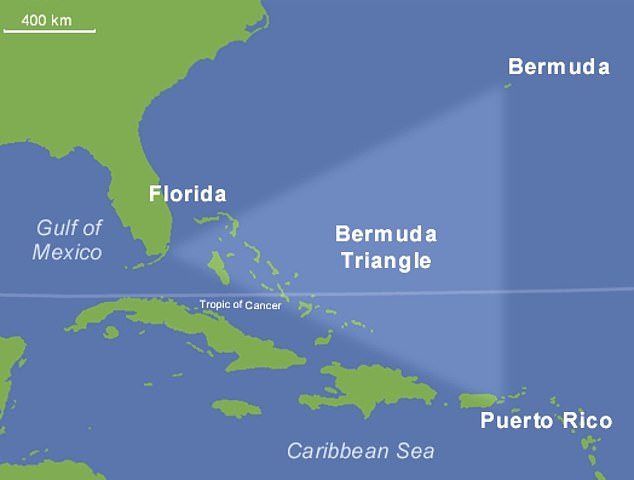
For generations, the vast expanse of the western North Atlantic Ocean, commonly known as the Bermuda Triangle, has been a focal point of fascination and fear. This loosely defined region, spanning approximately 500,000 square miles and purportedly connecting Miami, Florida, Bermuda, and San Juan, Puerto Rico, has been the subject of countless tales of unexplained disappearances of ships and aircraft. While speculation has ranged from the paranormal to extraterrestrial interference, a new scientific theory is emerging, offering a more grounded explanation for the region’s enigmatic reputation.
The prevailing hypothesis suggests that unusual environmental conditions, specifically the sudden release of methane gas from the ocean floor, could have temporarily disrupted the delicate balance of buoyancy and engine function in vessels and even low-flying aircraft. This theory, championed by researchers like Ronald Kapper of ‘What If Science,’ posits that such a phenomenon, if active in the past, could explain the historical cluster of incidents without resorting to supernatural explanations. Crucially, the theory proposes that this “active field” may no longer be present, potentially accounting for the perceived decline in mysterious disappearances in recent decades.
The Methane Eruption Hypothesis: A Plausible Scientific Explanation
At its core, the methane eruption theory centres on the physical properties of gas hydrates found on the seabed. These ice-like structures can, under certain conditions, destabilise and release large quantities of methane gas. When this gas bubbles to the surface, it significantly reduces the density of the surrounding water. For ships caught in such an eruption, this sudden decrease in water density would lead to a catastrophic loss of buoyancy, causing them to sink rapidly.
Furthermore, the released methane gas could have posed a threat to aircraft flying at low altitudes. While less likely to cause a direct sinking, the presence of a large plume of flammable gas could have interfered with engine performance, leading to unexpected failures.
Kapper elaborates on this concept, stating that while similar methane hazards are known to occur in other parts of the world, the Bermuda Triangle might have experienced a unique and temporary period of intensified activity. “More speculative voices suggest something even stranger: that the Triangle was briefly affected by an unknown natural phenomenon that no longer exists,” he wrote for ‘What If Science.’ “Not aliens or portals, but rare combinations of environmental forces. Methane gas released from the ocean floor, for example, has been proposed as a hazard capable of disrupting buoyancy and engines.”
The implication of this theory is profound: it suggests that the Bermuda Triangle’s mystique might be rooted in a geological event that has since subsided. If an “active field” of methane releases once existed beneath the Triangle and has since quieted down, it could logically explain an observed rise and subsequent fall in reported incidents, thereby resolving centuries of speculation while preserving a sense of the region’s inherent intrigue.
Examining the Evidence and Skeptical Voices
While the methane theory is gaining traction, experts are quick to caution that concrete evidence remains limited. The U.S. Coast Guard, for instance, maintains that there is no recognised unique geographic hazard in the Bermuda Triangle. They emphasise that many reported incidents may have been exaggerated, misreported, or attributed to the area due to its notoriety.
Nigel Watson, author of Portraits of Alien Encounters Revisited, echoes this sentiment, highlighting the tendency for sensationalism to overshadow factual reporting. He notes the wide array of speculative explanations that have been proposed over the years, including dimensional doorways, UFO activity, and peculiar magnetic anomalies. “We have to consider a cluster of possibilities,” Watson states. “We must take into consideration that many of the events in the Bermuda Triangle have been over-hyped and manipulated to make them sound more mysterious, and there are other so-called mystery triangles in other parts of the world. Certainly, it is puzzling that we look for and ‘find’ weird phenomena in triangular patterns!”
A History of Mystery and Speculation
The Bermuda Triangle’s allure dates back centuries, with early accounts, such as Christopher Columbus’s 1492 report of strange lights during his voyage, hinting at something unusual. The public’s imagination was particularly captured by Charles Berlitz’s 1974 bestseller, The Bermuda Triangle, which popularised the notion that over a thousand lives and numerous vessels had vanished without a trace.
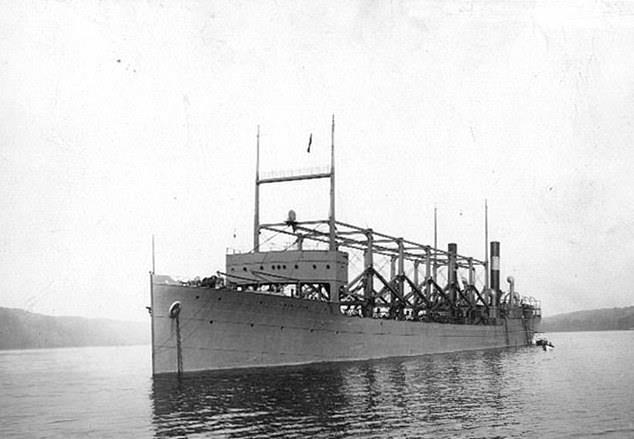
Notable incidents that fuel the legend include the disappearance of the USS Cyclops in 1918, which vanished with all 306 crew members aboard. Theories surrounding its loss have varied wildly, from internal explosions and mutiny to attacks by giant sea creatures or even German submarines, though the latter was denied by the German navy. Scientists have also offered natural explanations for such events, including cargo imbalances or mechanical failures.
Other proposed explanations for incidents within the Triangle have included rogue waves, unusual magnetic field variations, and extreme weather phenomena. However, insurers like Lloyd’s of London and maritime authorities have consistently stated that the area does not exhibit a higher rate of disappearances than any other heavily trafficked oceanic region.
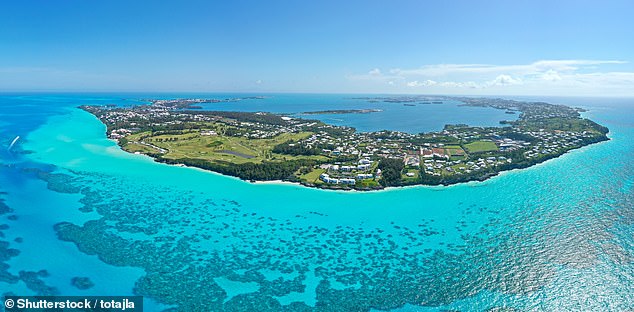
Despite the lack of definitive proof for extraordinary events, the Bermuda Triangle continues to captivate the public imagination and inspire scientific inquiry. The emerging methane eruption theory offers a compelling, science-based framework that could potentially demystify centuries of speculation, providing a rational explanation for the region’s enduring legacy of mystery. While further research is needed to substantiate this hypothesis, it represents a significant step towards understanding the enigmatic forces that may have once held sway over this storied stretch of the ocean.