
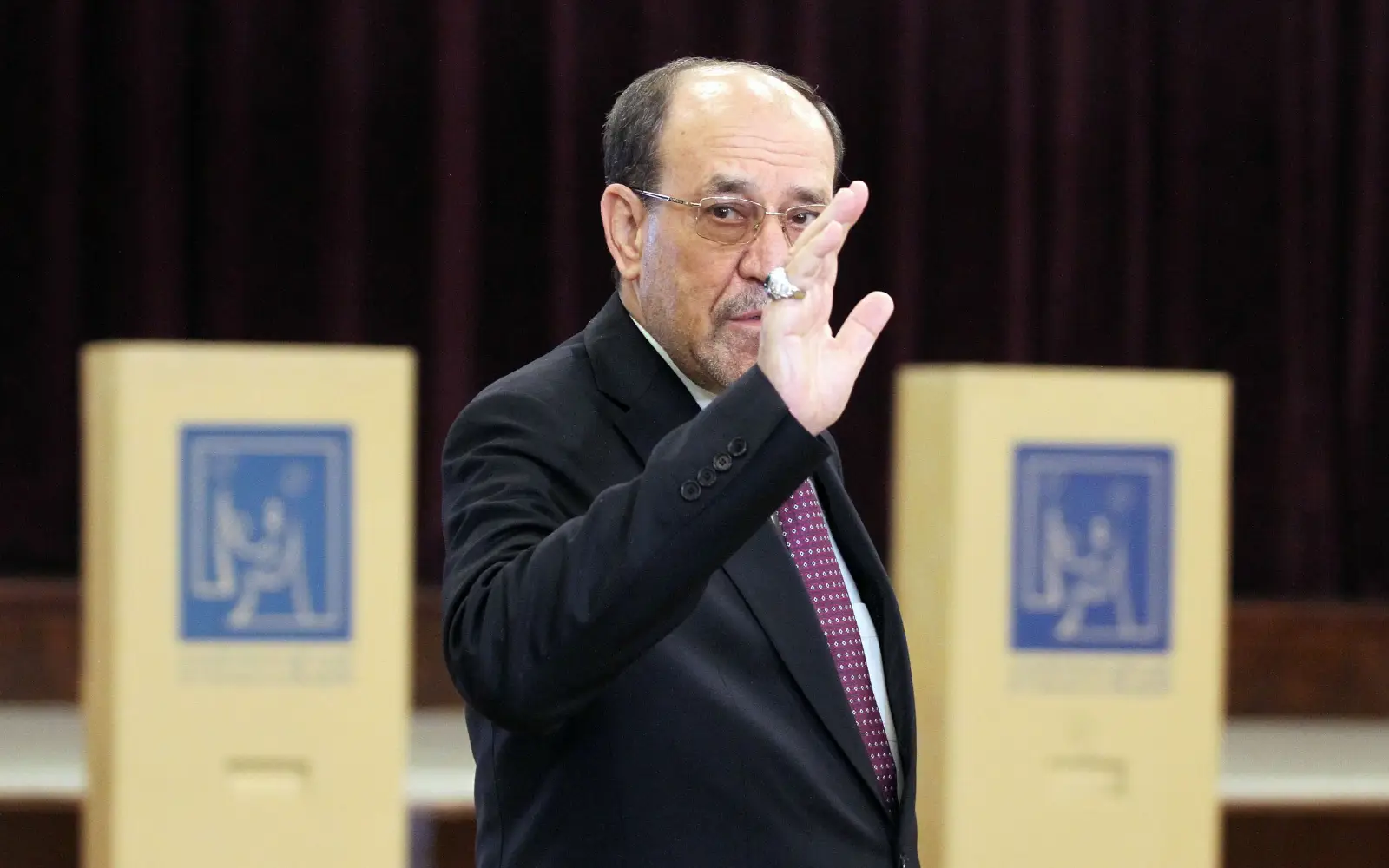
Iraq’s Shiite Alliance Reaffirms Support for Maliki Amidst US Pressure
Iraq’s dominant Shiite alliance, holding a parliamentary majority, has firmly reiterated its intention to back Nouri al-Maliki for the position of prime minister. This declaration comes despite explicit threats from the United States to cease all support for Iraq if Maliki is indeed appointed.
The United States has wielded considerable influence over Iraqi political affairs since its intervention in 2003, which led to the ousting of long-time ruler Saddam Hussein. However, Washington’s relationship with Baghdad is complicated by the fact that Iraq’s other significant regional ally is Iran, a nation often at odds with US foreign policy.
Nouri al-Maliki is a seasoned political figure and a crucial power broker within Iraq. He boasts the distinction of being Iraq’s only prime minister to serve two full terms, having led the nation’s government from 2006 to 2014. During his initial tenure, he enjoyed the backing of the US-led occupation forces. However, as his influence grew and his ties with Iran deepened, his relationship with Washington became strained.
The Coordination Framework’s Stance
Last week, Maliki received the endorsement for the premiership from the Coordination Framework, a coalition comprised of various Shiite groups. This alliance, which has cultivated varying degrees of connections with Iran, has emerged in recent years as the primary ruling coalition in Iraq.
However, just a few days following this endorsement, United States President Donald Trump issued a stern ultimatum. He declared Maliki to be “a very bad choice” and warned that if Maliki were elected, the US “will no longer help Iraq.”
In response to this external pressure, the Coordination Framework issued a statement on Saturday, declaring its unwavering support for its chosen nominee. The alliance emphasized that the selection of the prime minister is “an exclusively Iraqi constitutional matter… free from foreign interference.” They further pledged their commitment to fostering “balanced relations with the international community, especially key global powers, based on mutual respect and non-interference in internal affairs.”
Navigating a Complex Political Landscape
Following decades of conflict and instability, Iraq has recently begun to experience a semblance of normalcy. Yet, its political landscape remains profoundly shaped by the delicate balancing act required to manage its relationships with both Iran and the United States.
The Coordination Framework’s resolute statement was released on the eve of a parliamentary session scheduled to elect the country’s president. However, ongoing political disputes have cast doubt on whether the necessary quorum will be achieved for the session to proceed.
Once a president is elected, they are constitutionally mandated to appoint a prime minister within 15 days. This appointment typically falls to the nominee of the largest Shiite bloc. By established convention in Iraq, the powerful role of prime minister is held by a Shiite, the parliament speaker is a Sunni, and the largely ceremonial presidency is reserved for a Kurd.
Lingering Divisions and External Influences
However, the Kurdish parties have yet to reach a consensus on a presidential candidate. In a nation characterized by chronically volatile politics, internal disagreements, and persistent foreign pressure, crucial political decisions are frequently delayed, often exceeding constitutional deadlines.
Sources close to the Coordination Framework have indicated that earlier this week, Maliki engaged in discussions with US representatives in Baghdad. During these meetings, the US officials conveyed that Washington’s decision regarding Maliki’s potential premiership was “final.”
One of the sources revealed that Shiite leaders are experiencing internal divisions. A segment of these leaders reportedly desires Maliki to withdraw his candidacy, fearing potential US sanctions should he return to office. Iraq is currently grappling with sluggish economic growth, and the prospect of punitive measures from the United States, which has already imposed sanctions on several Iraqi entities accused of aiding Tehran in evading international restrictions, is a significant concern.


