
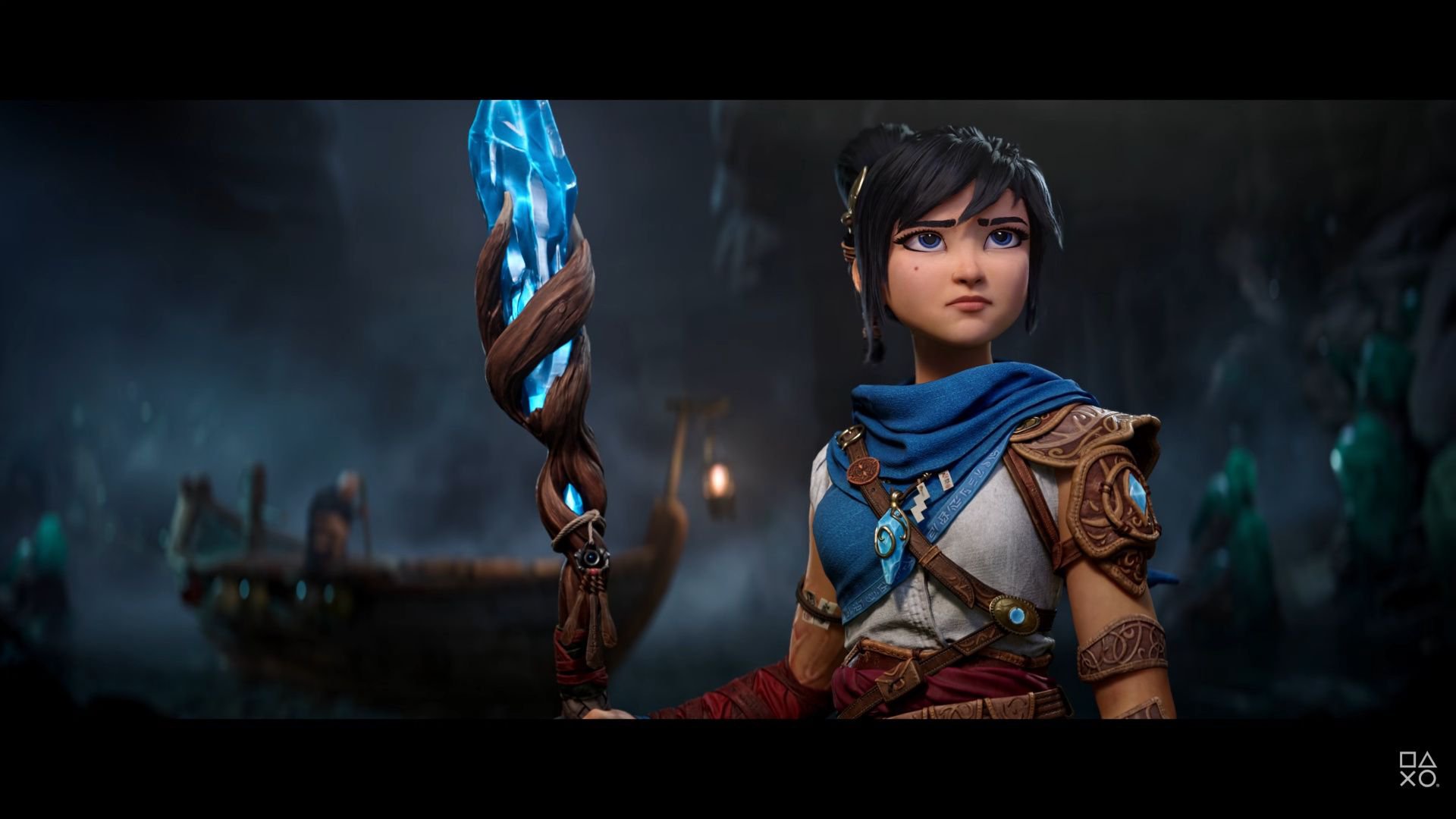
Thursday night’s State of Play, despite promises of being the longest yet outside of Sony’s E3-style showcases, ultimately left many feeling underwhelmed. While the event delivered a solid lineup of exciting new titles, a conspicuous absence was any new content originating from Sony’s own first-party development studios.
This lack of internal IP is a recurring theme, and the recent State of Play was no exception. The few Sony-published games featured were either previously announced or developed by external third-party studios. While the developer of a potential God of War remake trilogy remains unconfirmed, it’s highly improbable that Santa Monica Studio, the original creators, would be at the helm.
This situation appears to stem from a strategic shift a couple of years into the current console generation. Sony reportedly directed its internal studios to pivot from their established strength in single-player experiences to developing live-service titles. This ambitious pivot proved to be a significant misstep. While it’s widely assumed that Sony has since abandoned this strategy, the company has remained conspicuously silent on the matter. The development cycle for a triple-A game typically spans at least five years, meaning that even if a course correction has occurred, it hasn’t yet had sufficient time to yield tangible results for players.
The PlayStation 5 Era: A Studio’s Output
The PlayStation 5 is now well into its lifecycle, and a concerning pattern has emerged: most of Sony’s first-party studios have managed to release only a single game on the console. Some, like Bend Studio, the creators of Days Gone, have yet to release any new material for the platform at all. Even a powerhouse like Naughty Dog has so far limited its output to remakes and remasters, leaving fans eager for entirely new narratives and gameplay experiences.
This trend raises questions about the long-term strategy for Sony’s internal development teams and their capacity to deliver the innovative, flagship titles that have historically defined the PlayStation brand. The reliance on third-party developers and the revisiting of established IPs, while not inherently negative, highlights a potential gap in the pipeline for fresh, groundbreaking content from Sony’s own creative forces.
What Was Showcased?
The State of Play did present a variety of intriguing games, offering glimpses into the future of interactive entertainment. These included:
- Announced and Upcoming Titles: Several games that had already been revealed to the public were given further spotlight, showcasing new gameplay footage and updates on their development progress. This provided players with a clearer picture of what to expect in the coming months and years.
- Third-Party Collaborations: A significant portion of the showcase was dedicated to games developed by external studios in partnership with Sony. These titles offered a diverse range of genres and styles, indicating Sony’s ongoing commitment to supporting a broad ecosystem of developers.
- Potential Remakes and Remasters: While not explicitly confirmed for all titles, there was a noticeable presence of games that appeared to be either remakes of beloved classics or enhanced remasters of existing titles. This strategy can be a way to leverage existing fan bases and intellectual property while internal studios focus on new projects.
The Unanswered Question: Where Are Sony’s New IPs?
The overarching sentiment following the State of Play is one of anticipation tempered by a degree of disappointment. The absence of new, original intellectual property announcements from Sony’s internal studios is a significant talking point. In an era where innovation and the creation of new gaming worlds are highly valued by players, this lack of fresh first-party output is a concern for many.
The success of PlayStation has long been intertwined with its ability to cultivate unique and memorable characters and universes through its internal development teams. While the current generation is still unfolding, the question remains: when will we see the fruits of Sony’s renewed focus on original content, assuming that focus has indeed been re-established? The industry, and indeed PlayStation fans worldwide, will be watching closely for signs of new beginnings from these esteemed development houses.


