Calls Mount to Revisit Russian Whistleblower’s Death Amid Poisoning Parallels
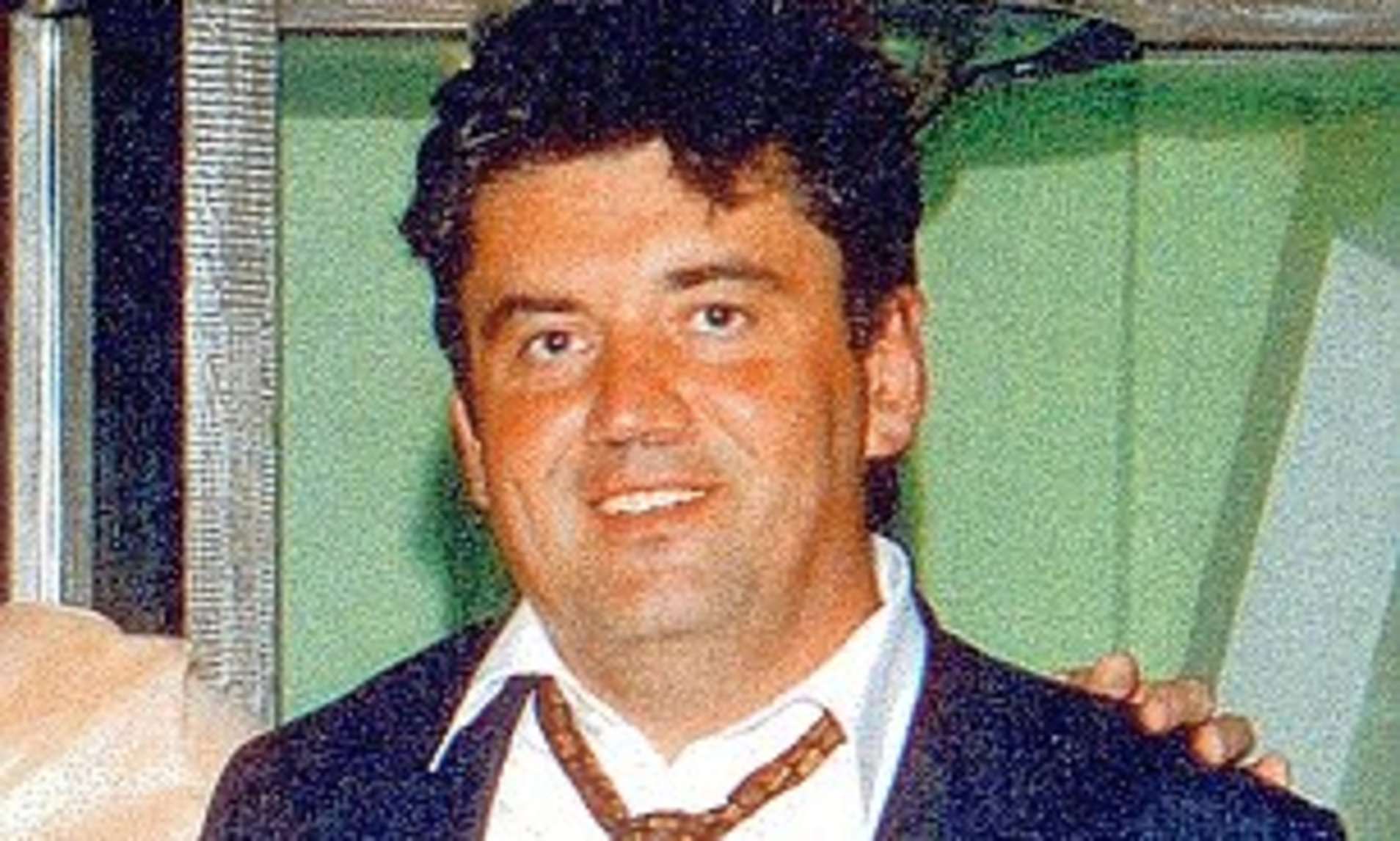
British authorities are facing renewed pressure to re-examine the death of a Russian whistleblower, Alexander Perepilichny, who collapsed and died while jogging near his Surrey home in 2012. The calls come as similarities emerge between his demise and the recent poisoning of Alexei Navalny, with fears that Perepilichny may have been killed by a similar, obscure poison.
Perepilichny, a businessman who had reportedly uncovered significant organised crime and corruption within Russia, was just 44 when he died. An inquest held six years after his death concluded he died of natural causes, though the possibility of poisoning was acknowledged due to his reported vomiting symptoms. Despite initial rulings by police that ruled out foul play, subsequent investigations discovered traces of gelsemium elegans, a highly toxic plant, in his stomach.
At the time of his death, financial firm Hermitage Capital Management asserted that Perepilichny could have been deliberately targeted for his role in exposing a multi-million-pound fraud involving Russian officials. However, the coroner at the 2018 inquest highlighted a series of procedural errors by Surrey Police that significantly hampered the investigation and led to a critical lack of evidence.
The Navalny Case: A New Light on Old Suspicions
The recent death of Alexei Navalny, the prominent Russian opposition leader, has cast a stark shadow over Perepilichny’s case. On Saturday, the United Kingdom, alongside Sweden, Germany, the Netherlands, and France, jointly accused the Russian state of being responsible for Navalny’s death. The 47-year-old died in a Siberian penal colony, having been sentenced to 19 years for what his allies and international observers widely consider to be politically motivated charges.
In a joint statement, the five nations revealed that laboratory analysis of Navalny’s body detected traces of epibatidine, a potent toxin naturally found on the skin of South American dart frogs. This discovery has ignited fresh concerns about the circumstances surrounding Perepilichny’s death.
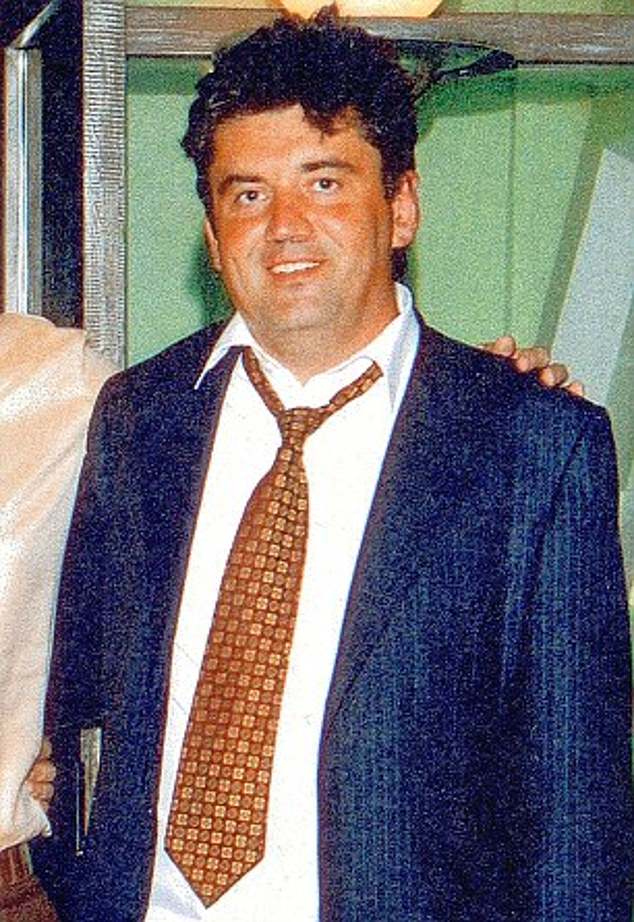
Bill Browder, a key figure who assisted Perepilichny in exposing a $230 million money-laundering scheme orchestrated in Russia, expressed his profound concern over the parallels. He told The Telegraph that the investigation into Perepilichny’s poisoning in 2012 was hampered by the authorities’ swift conclusion that his death was not suspicious, leading to a failure to properly preserve crucial evidence.
“We were trying to determine what type of poison was used on Alexander Perepilichny in 2012, and with this new information on the Navalny poisoning, it has many similarities,” Browder stated. “It’s a shame that the law enforcement authorities in Surrey were so quick to conclude that it wasn’t a suspicious death and therefore did not preserve the evidence. In light of this new evidence in the Navalny case and all the suspicious circumstances surrounding the death of Alexander… I would hope that the UK would reopen the case that they so negligently closed for ‘lack of crime’.”
Investigating the Gaps: Evidence Lost, Blame Assigned
The 2018 inquest into Perepilichny’s death revealed significant failings by Surrey Police. These included the loss or discarding of vital evidence, such as the contents of Perepilichny’s stomach, which could have potentially provided crucial answers. Furthermore, the police failed to review CCTV footage from the area where Perepilichny collapsed, a critical oversight that could have offered valuable context to the events of that day.
Epibatidine, the toxin identified in Navalny’s system, is known for its extreme potency. Naturally occurring on the skin of the Ecuadorian dart frog, it can induce a painful death characterised by paralysis and respiratory arrest if ingested. The toxin can also be synthesised in laboratories, raising questions about its potential application in targeted assassinations.
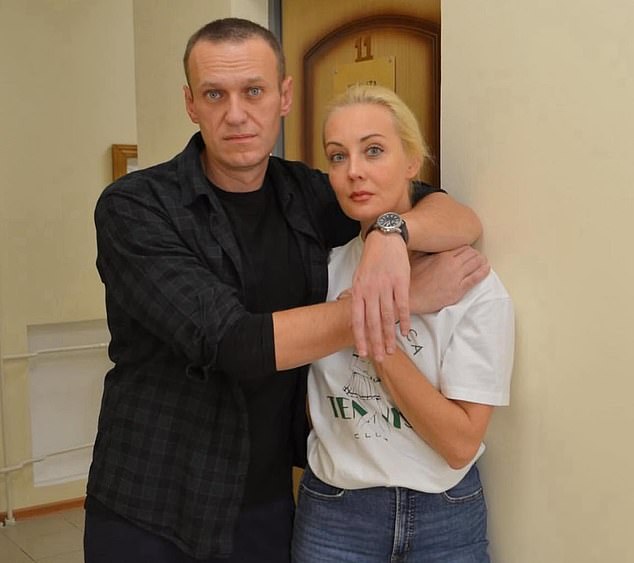
Following the confirmation of epibatidine in Navalny’s body, Yulia Navalnaya, his widow, has publicly demanded accountability, stating that Vladimir Putin “must be held accountable.” She expressed gratitude to Britain and its allies for their efforts in establishing the likely cause of her husband’s death, which occurred two years prior to the recent announcement. The resurfacing of concerns surrounding Alexander Perepilichny’s death, particularly in light of the Navalny case, suggests that the pursuit of truth for victims of suspected state-sponsored poisoning may require a renewed and more thorough investigation.