The Future King: Prince William’s Strategic Shift to Safeguard the Monarchy
For a significant portion of his life, Prince William has been meticulously crafted as the quintessential royal good egg. He’s the devoted husband, the hands-on father juggling school runs and sticky fingerprints from young Prince Louis, and the future King who seems far more at ease discussing Aston Villa’s latest performance than the intricate dance of palace politics. This carefully cultivated image has, by most accounts, served him remarkably well. However, beneath this approachable exterior, a more strategic and influential figure is steadily emerging.
As King Charles navigates a challenging chapter and the monarchy grapples with ongoing scandals, internal rifts, and increasing public scrutiny, royal observers are increasingly pointing to Prince William as the most influential force within the palace walls. Crucially, they suggest he’s demonstrating a willingness to make difficult decisions that past generations of royals may have shied away from. The Prince, once perceived as cautious and perhaps even reluctant, is quietly revealing himself to be a shrewd strategist, evidently prepared to ruffle family feathers if it means protecting the institution he is destined to lead.
Royal commentator Richard Fitzwilliams observes that William is “focused on the need for a monarchy which must adapt if it is to remain relevant, especially to younger generations.” He adds that the Prince is “acutely aware of the challenges the monarchy will face in the future and there is a steely determination behind his genial facade.” This determination has become increasingly evident in recent years.
The royal family William was born into is a vastly different entity from the one he is preparing to inherit. Scandals involving Prince Andrew, the profound breakdown of his relationship with Prince Harry, and persistent questions surrounding the monarchy’s relevance and privilege have left indelible marks on an institution once perceived as unassailable. For William, these are not merely personal or familial dramas; they represent genuine threats to the very future of the Crown.
Royal biographer Andrew Lownie believes the Prince of Wales is already wielding considerable influence as the monarchy enters what many consider a transitional period. With King Charles facing health concerns and the spotlight increasingly shifting to the next generation, William’s voice appears to be carrying unprecedented weight.

Lownie notes, “William is calling the shots more now that we’re in this transitional phase towards him taking over.” This is a striking observation, given that William is not yet King. Yet, reports consistently suggest he is the driving force behind a firmer, more decisive response when controversies threaten the monarchy’s reputation.
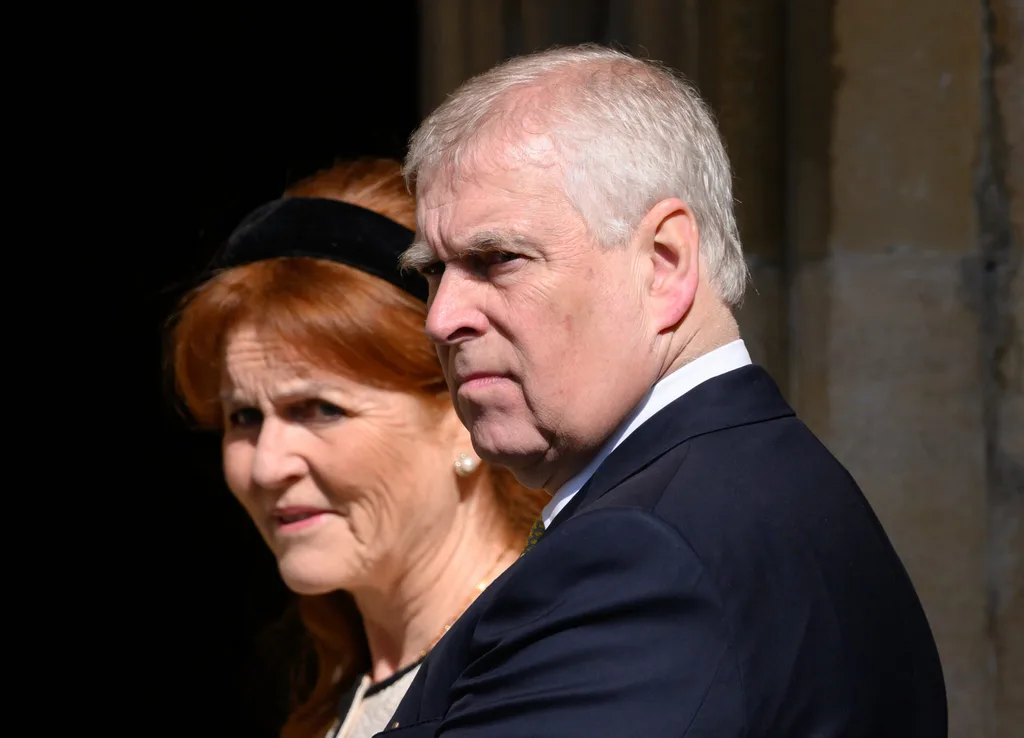
Nowhere is this more apparent than in the protracted saga surrounding Prince Andrew. While King Charles has often appeared hesitant to completely sever ties with his younger brother, William is widely understood to have little patience for allowing the scandal to persist indefinitely. According to Lownie, the future King’s stance is informed by both personal and institutional concerns.
“William has both a personal animus against Andrew. He was rude about Catherine. But he can see the reputational damage Andrew has brought the monarchy. He would like the stables to be cleaned before his own reign,” Lownie explains. This comment offers a compelling insight into William’s perspective on the crisis. It’s not simply about old family tensions or personal grievances; it’s about the specific kind of monarchy he intends to inherit.
For years, Andrew’s association with convicted sex offender Jeffrey Epstein and the subsequent scandals have cast a long shadow over the royal family. While Charles has often appeared torn between his duties as King and his loyalties as a brother, William seems to approach the situation with a markedly different mindset. The divergence between father and son appears to stem from a fundamental difference in priorities: Charles prioritises family, while William prioritises the institution. “Charles is sentimental, he’s very compassionate,” Lownie argues. “William is much tougher.”
This toughness has become a recurring theme among royal experts discussing the future King. Those familiar with the inner workings of the monarchy often describe Charles as someone guided by personal relationships, loyalty, and emotion. William, in contrast, is increasingly viewed as pragmatic, focused, and intensely attuned to public perception.
“William has grown up during a period when every royal action is scrutinised in real time,” notes Fitzwilliams. “He understands how quickly public opinion can shift and how important trust has become. Future monarchs simply cannot afford to ignore reputational damage.”
This forward-thinking approach may also shed light on why repairing his relationship with Prince Harry appears to be such a formidable challenge. For many families, time and distance can help heal old wounds. However, for William, the rupture seems to run deeper, involving more than just personal hurt. Harry’s public pronouncements, including interviews, documentaries, and his memoir, did not simply critique individual family members; they exposed the inner workings of the very institution William has dedicated his life to protecting.
To many royal observers, this distinction is critical. While King Charles has occasionally seemed open to reconciliation, William has consistently appeared more guarded and cautious. Experts suggest the reason for this is that he views Harry’s actions through the lens of duty rather than personal emotion. “The institution comes first,” Fitzwilliams states. “That has always been understood within the monarchy, but William perhaps embodies that principle more strongly than any royal of his generation.”
Ironically, one of William’s greatest strengths may well be the influence of the woman standing by his side. For years, Catherine has been portrayed as the monarchy’s peacemaker, the warm and approachable outsider who brought stability and balance to William’s life. However, several royal experts believe her influence extends far beyond this. Lownie has described Catherine as someone who instinctively grasps the importance of protecting the monarchy’s reputation and assisting William in navigating the complexities of modern public life.
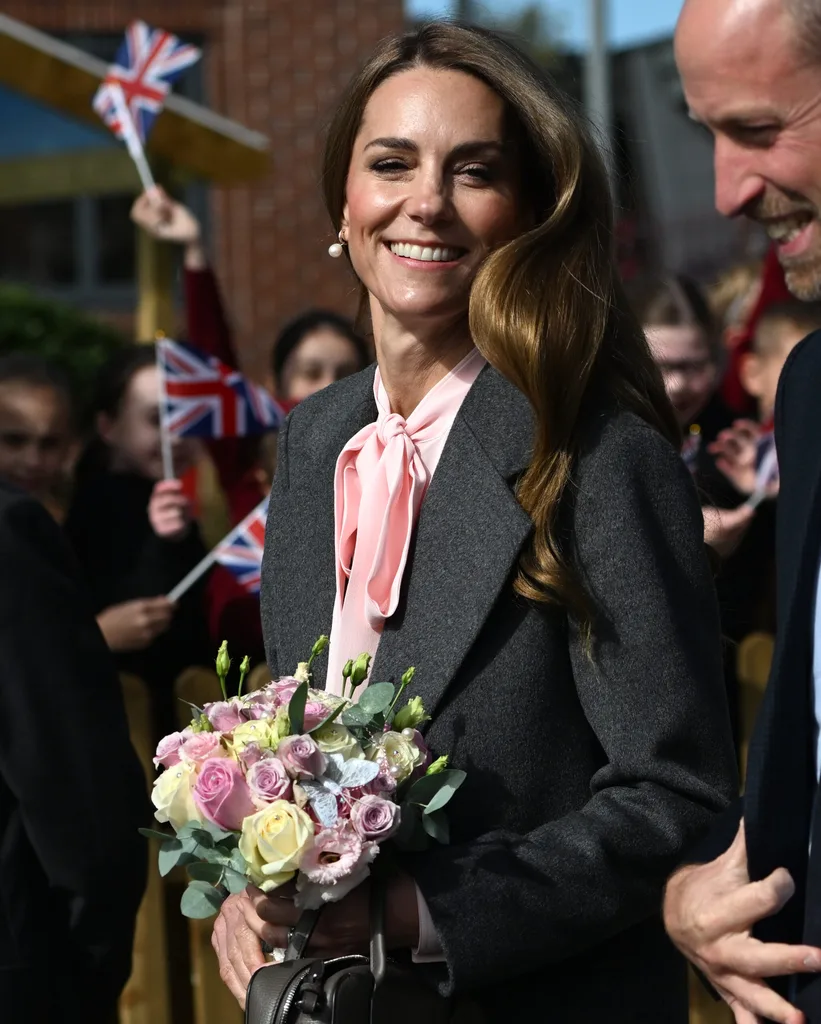
Together, they have forged what many insiders consider to be the most formidable partnership within the royal family. “The Prince and Princess of Wales operate as a remarkably effective team,” Fitzwilliams observes. “They understand the importance of remaining relevant to modern audiences while preserving the traditions that make the monarchy unique.”
While King Charles currently bears the weight of the Crown, it is William and Catherine who increasingly represent its future. And that future is likely to look significantly different from the monarchy of previous generations. The very quality some critics might label as ruthless – William’s strategic pragmatism – may ultimately prove to be his greatest asset. For decades, the royal family has often been criticised for its slow responses to crises, its tendency to protect its own, and its hope that scandals would simply fade away.
Prince William appears to have reached a different conclusion. In a world where public trust can evaporate overnight, preserving the monarchy may necessitate difficult decisions, uncomfortable conversations, and, at times, placing the Crown above personal family ties. Prince William harbours no intention of inheriting problems he believes should have been resolved long ago. This resolute approach may well position him as the most formidable future monarch Britain has seen in decades.