Alfa Romeo’s Compact Future: New Hatchback and SUV Evolution Revealed
Alfa Romeo is gearing up for a significant shake-up in its compact car offerings, with key details emerging about its next-generation models. Emanuele Cappellano, the Chief Operating Officer for Stellantis’ Enlarged Europe region, has officially confirmed the development of a new compact hatchback and provided insights into the future of the Tonale SUV. These strategic moves aim to bolster Alfa Romeo’s presence in its crucial European market, where sales have seen a dip.
A New Compact Hatchback: STLA One Platform Promises Versatility
The cornerstone of Alfa Romeo’s compact strategy is a brand-new hatchback set to enter the competitive segment. This model will be built upon Stellantis’ innovative STLA One modular platform, a versatile architecture designed to accommodate a range of powertrain options. This means buyers can expect hybrid, plug-in hybrid, and fully electric variants, offering flexibility to suit diverse consumer needs and environmental preferences.
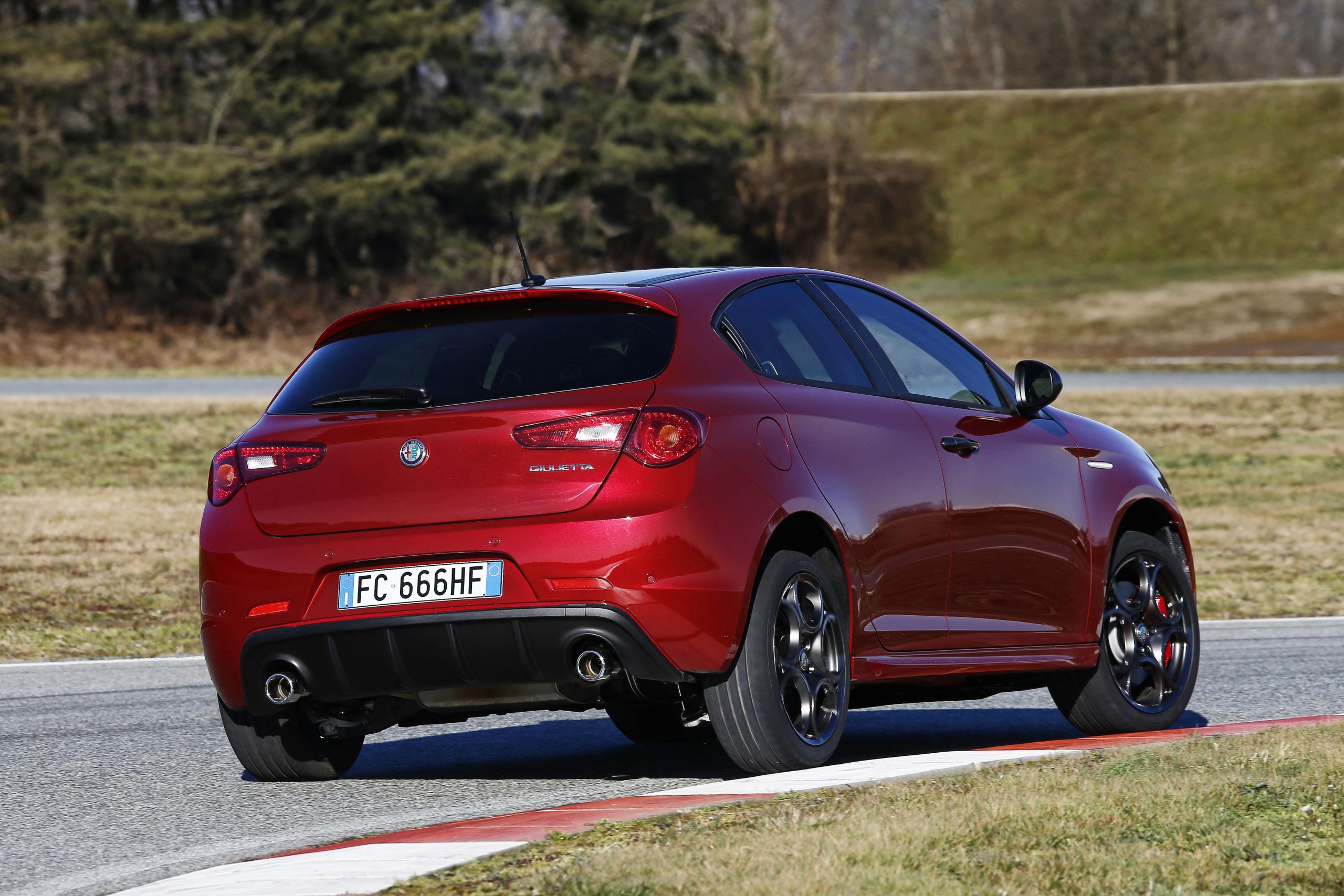
While specific launch dates and model names remain under wraps, Cappellano indicated that models developed on the STLA One platform will benefit from a significant cost reduction, estimated at 20% less to develop compared to current Stellantis models of similar size. This efficiency is a key objective for Stellantis as it seeks to revitalise Alfa Romeo’s market position in Europe. The new hatchback will mark Alfa Romeo’s return to the compact segment, a space it vacated in 2020 with the discontinuation of the Giulietta. Previous indications suggest this new model is slated for a debut sometime after 2027. The Giulietta, produced from 2010 to 2020, was a long-standing contender in this class, succeeding the 147.
Tonale Successor: STLA Medium Platform and Electrification
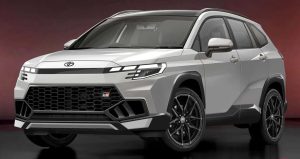
The popular Alfa Romeo Tonale compact SUV is also set for a significant evolution. Its successor will be based on the STLA Medium platform, a move that will see it manufactured in Melfi, Italy. This Italian facility will also be home to other Stellantis models, including the DS No.7 and No.8, along with the Lancia Gamma and Jeep Compass, all sharing the same platform.
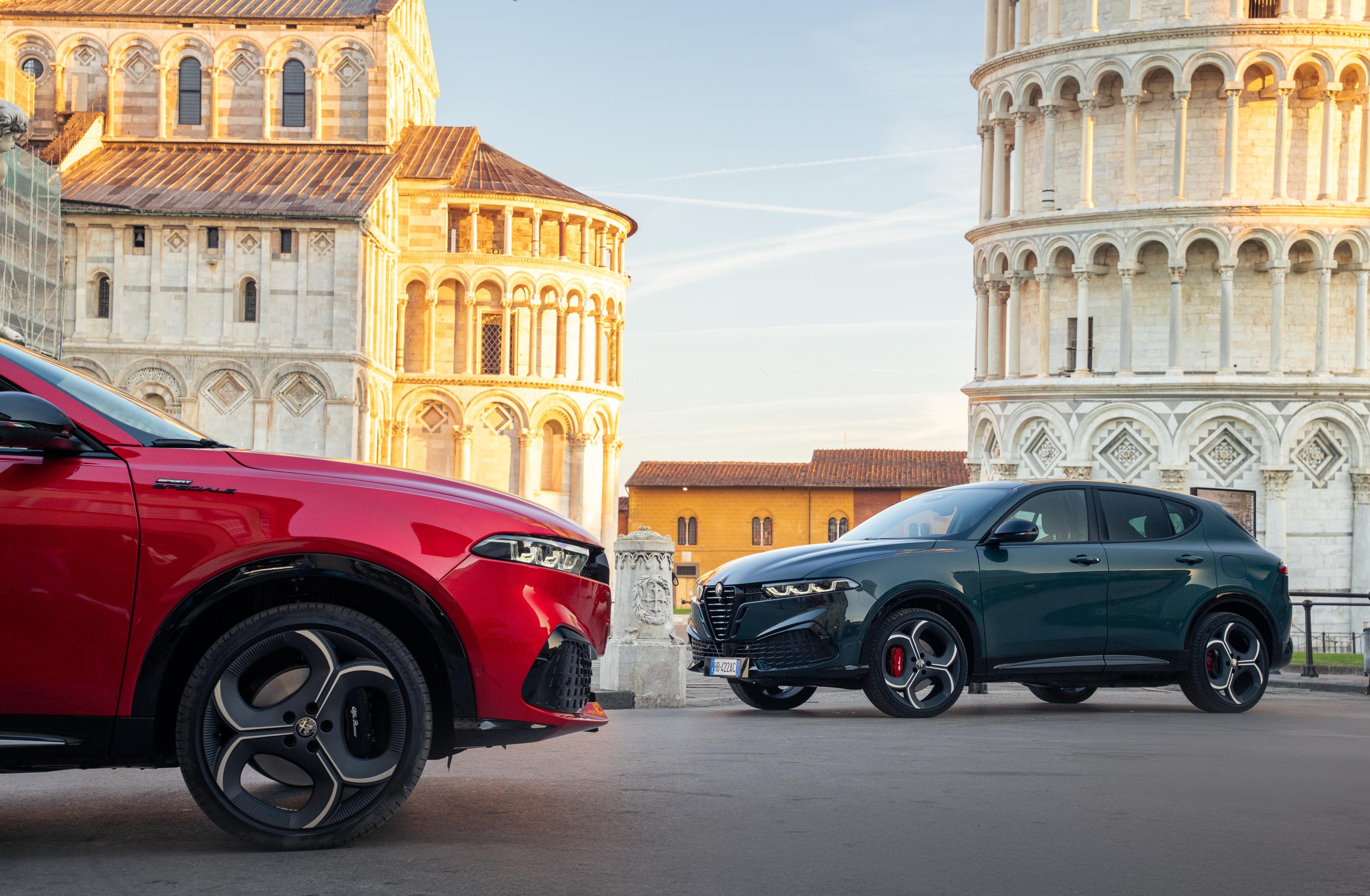
A key development for the Tonale replacement is its ability to offer a fully electric variant. While the current Tonale is available with 48-volt ‘Hybrid’ and Plug-in Hybrid (PHEV) powertrains, a pure electric option has been a notable absence. The STLA Medium platform’s capabilities will address this gap, aligning Alfa Romeo with the broader electrification push across the automotive industry. It remains to be seen if this confirmed Tonale successor is distinct from a “new C-segment SUV” previously mentioned in Stellantis’ FaSTLAne 2030 plan, or if the latter will be positioned above the new Tonale.
Seeking Partners for D-Segment Electrification
In a surprising revelation, Alfa Romeo is actively exploring strategic partnerships to develop electrified successors for its D-segment models, the Giulia sedan and Stelvio SUV. Cappellano confirmed that the brand is evaluating “two to three solutions,” some originating from Stellantis’ internal engineering departments and others from external collaborators.
These partnerships are seen as a crucial element in accelerating the launch of new models and optimising the scale of production for core components. This collaborative approach is also being considered for Maserati, indicating a broader Stellantis strategy for its premium brands.
While the STLA One platform can accommodate vehicles up to the D-segment, Cappellano clarified that its application for Alfa Romeo will be limited to “entry mid-size models.” This suggests that the STLA One platform is primarily a front-wheel-drive architecture, with all-wheel-drive as an option, akin to Volkswagen Group’s MQB platform. Consequently, for the Giulia and Stelvio replacements, Alfa Romeo will likely depend on partnerships to retain their desirable rear-wheel-drive or all-wheel-drive configurations with electrified powertrains.
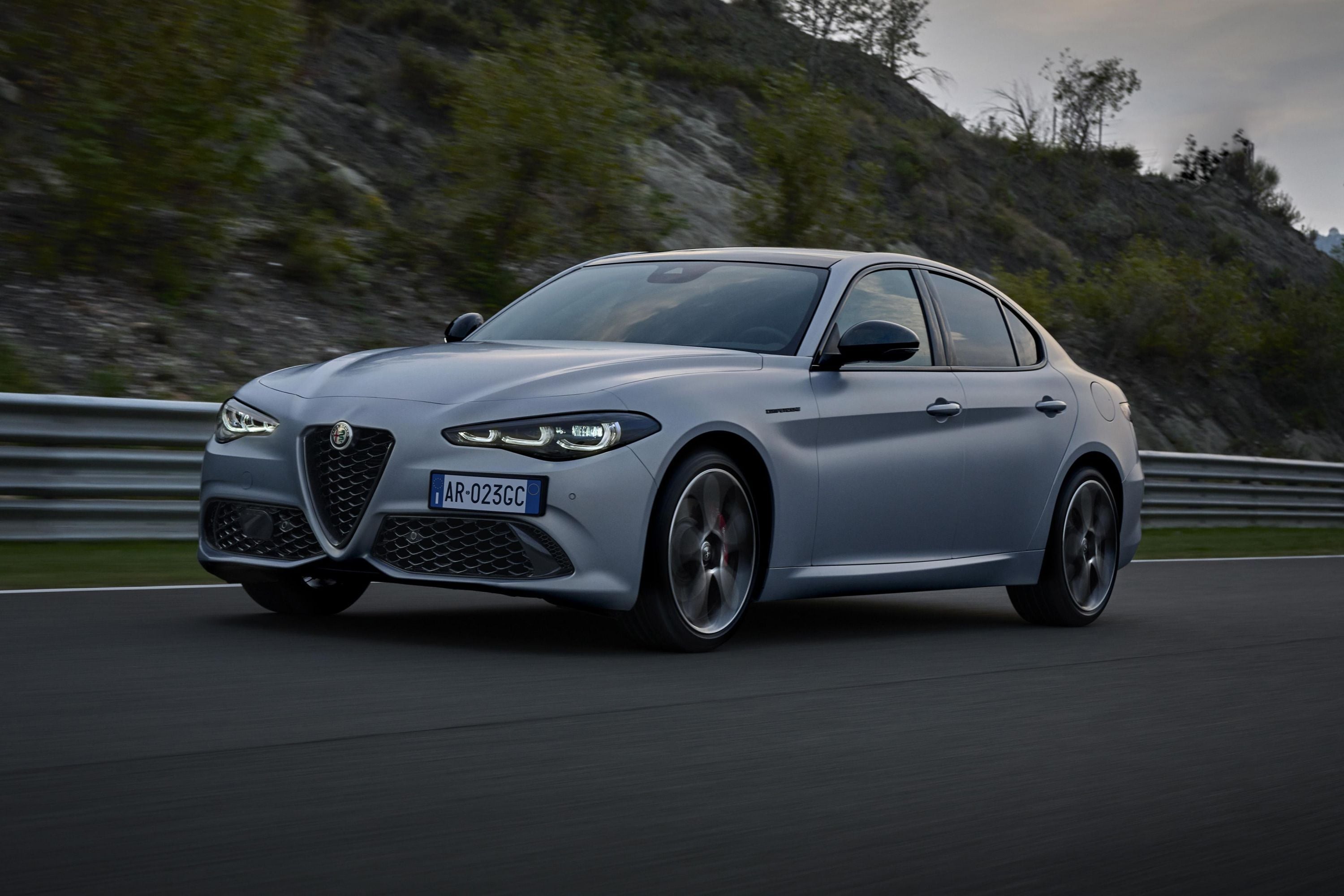
Previously, the current Giulia and Stelvio, built on the Giorgio platform, were slated for electric-only successors based on the STLA Large platform in 2025 for the Stelvio and 2026 for the Giulia. However, patent images of a next-generation Stelvio surfaced in April 2025, and in October 2025, Alfa Romeo confirmed that the current models would continue production until 2027. This shift away from a purely EV-focused lineup by 2027 has led to the consideration of combustion powertrains. Recent reports suggest the new models might arrive in 2028, offering a mix of electric, mild-hybrid, and plug-in hybrid powertrains. The existing models, including the potent Quadrifoglio variants, will continue to be produced until next year.
Future Model Pipeline and Brand Positioning
A notable absence from the recent announcements is any mention of a flagship ‘E-SUV’. This appears to be the latest in a series of large Alfa Romeo models that have been cancelled before production, echoing the fate of proposed BMW 5 Series and X5 rivals that were scrapped in 2018 when the brand was part of Fiat Chrysler Automobiles.
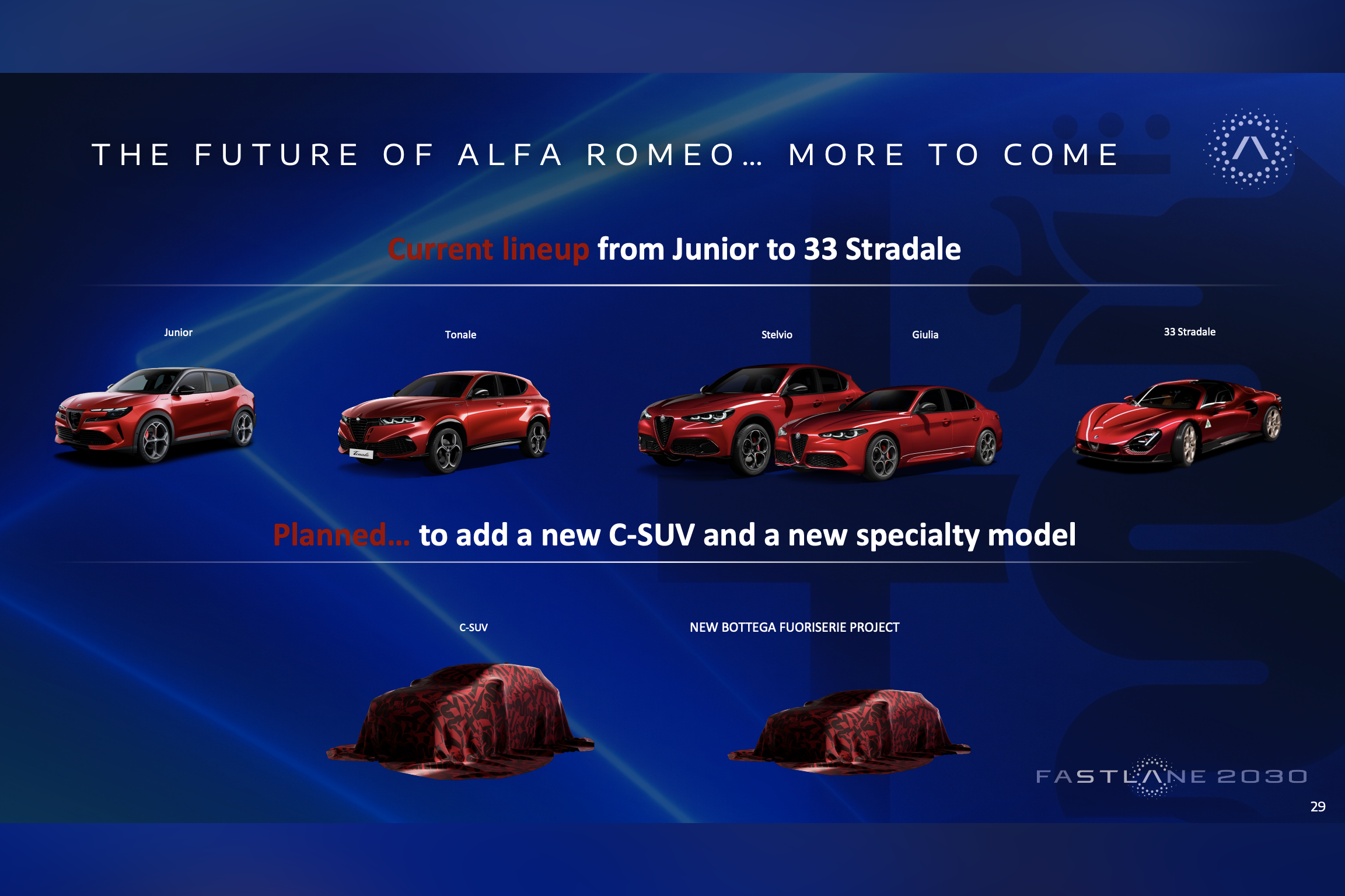
As part of Stellantis CEO Antonio Filosa’s FaSTLAne plan, Alfa Romeo is committed to updating its electrified Junior light SUV by 2030. Additionally, the brand will introduce the aforementioned new C-segment SUV and an exclusive ‘New Bottega Fuoriserie Project’. The Bottega Fuoriserie is a joint creative hub between Alfa Romeo and Maserati, focusing on classic vehicle restoration, performance technology development, and the creation of unique, limited-edition vehicles. This suggests the new project could result in a bespoke, coach-built special model.
In terms of brand hierarchy, Alfa Romeo will continue to be positioned below Maserati. The latter is set to launch two new E-segment models, comprising a passenger car and an SUV.