
Honda Super-One Electric Hatch Lands in Japan, Hints at Australian Arrival
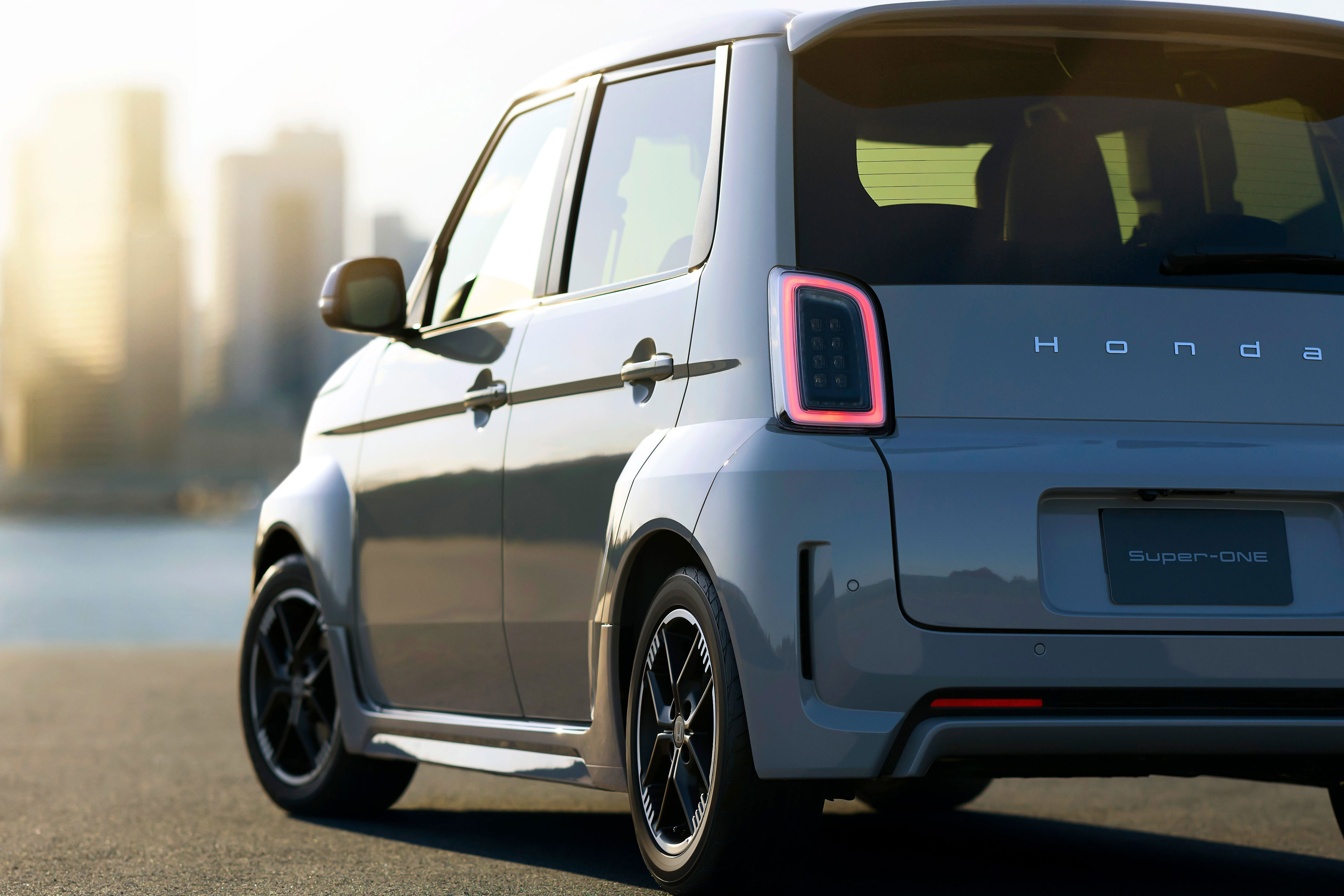
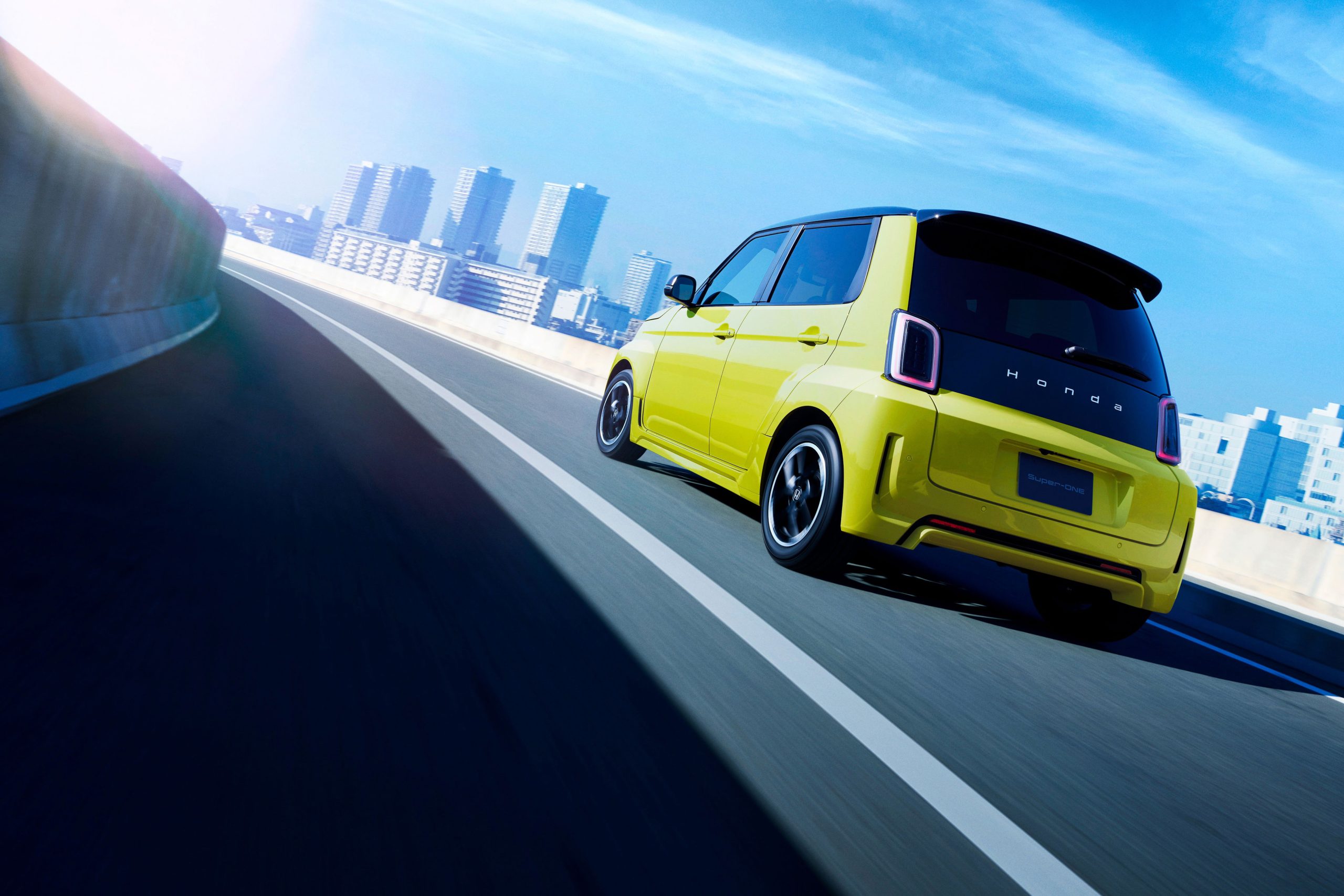
The much-anticipated 2026 Honda Super-One electric hatchback has officially gone on sale in its native Japan, with its starting price causing a stir. Priced at 3,390,200 yen, which translates to approximately A$29,600 based on current exchange rates, the Super-One enters the market in a single, well-appointed specification. Honda has also provided a wealth of detail regarding the domestic market version, offering a clear preview of what Australian buyers can anticipate when this compact EV lands Down Under later this year.
This distinctive, boxy electric hatch is powered by a modest electric motor situated on the front axle. This motor draws its energy from a 29.6kWh battery pack. In its standard configuration, the Super-One delivers a modest 47kW of power. However, an engaging ‘Boost mode’ elevates this output to a more spirited 70kW, accompanied by 162Nm of torque. While these figures might appear conservative on paper, the Japan-market model’s kerb weight of just 1090kg makes it remarkably light, a significant advantage in the modern automotive landscape, whether electric or otherwise.
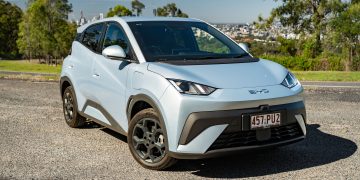
This lightweight construction contributes to an impressive official WLTC range of 274km on a single charge. For context, the BYD Atto 1 offers a WLTP range of 220km in its base Essential trim (with a 30kWh battery), extending to 310km in the Premium variant featuring a larger 43kWh battery.
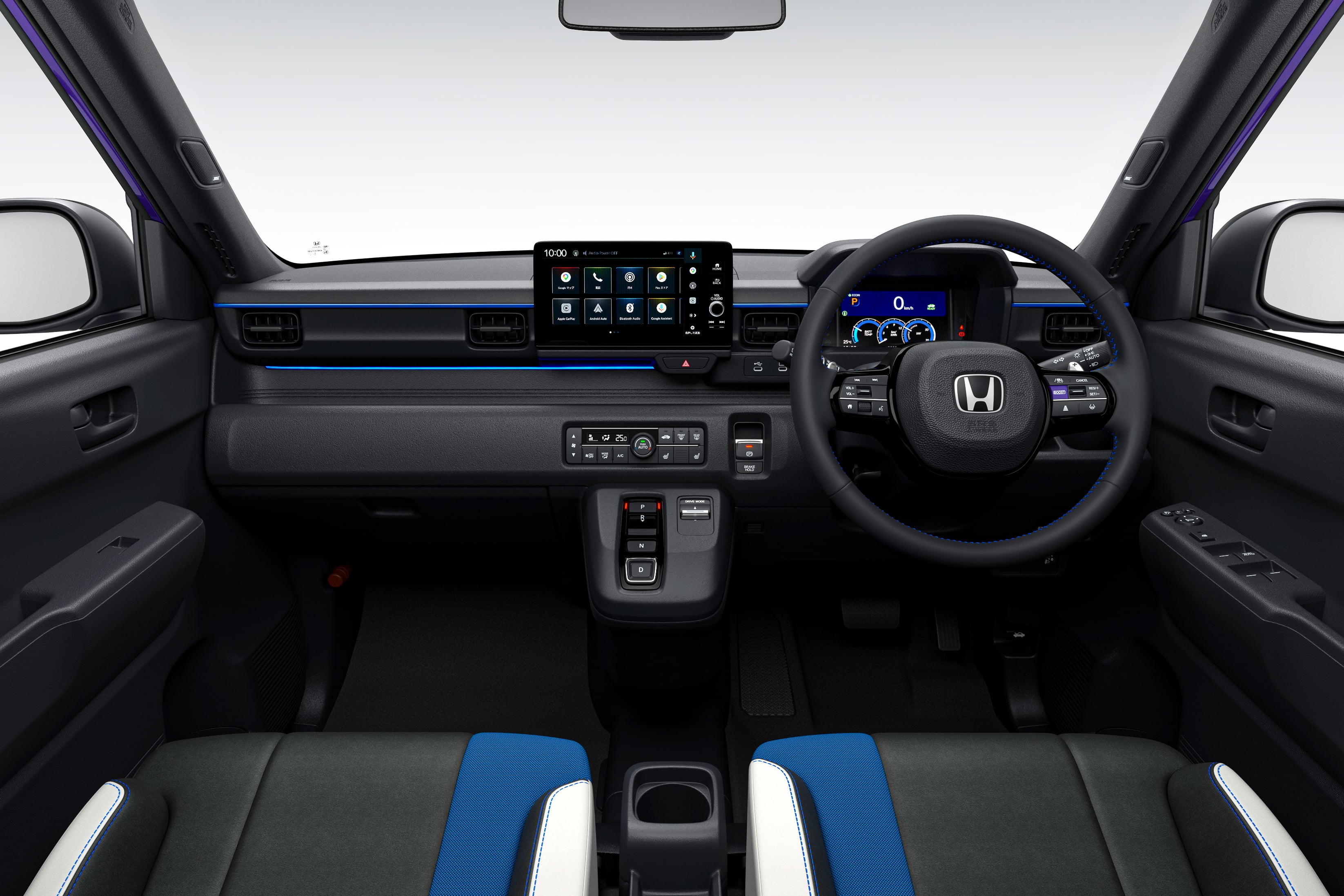
Honda has equipped the Super-One with a generous standard specification. Key highlights include:
- Premium Audio: An eight-speaker Bose premium sound system.
- Infotainment: A 9.0-inch Honda Connect touchscreen with integrated Google functionality.
- Driver Assistance: A comprehensive suite of Honda Sensing advanced driver assistance features comes as standard.
With dimensions measuring 3580mm in length, 1575mm in width, and 1615mm in height, the Honda Super-One boasts a smaller physical footprint than even a Kia Picanto. This all-electric micro-car is designed to accommodate four occupants, a configuration shared with other compact EVs like the Hyundai Inster and the BYD Atto 1, as well as enthusiast vehicles such as the Civic Type R. The focus here is squarely on maximising driving enjoyment and achieving exceptional packaging efficiency within its compact form.
A particularly noteworthy feature highlighted in Honda’s communications is the ‘Boost mode’. Beyond optimising the drivetrain for its peak 70kW output, this mode also simulates a seven-speed ‘multi-gear transmission’ and incorporates an Active Sound Control system, designed to deliver a “virtual engine sound.”
For its Japanese market release, the Super-One also features a ‘Honda Power Supply Connector’. This is Honda’s terminology for vehicle-to-load (V2L) functionality. This capability allows the Super-One to act as a portable power source, capable of outputting up to 1500W of power via an adapter, effectively serving as a generator or emergency backup power supply.
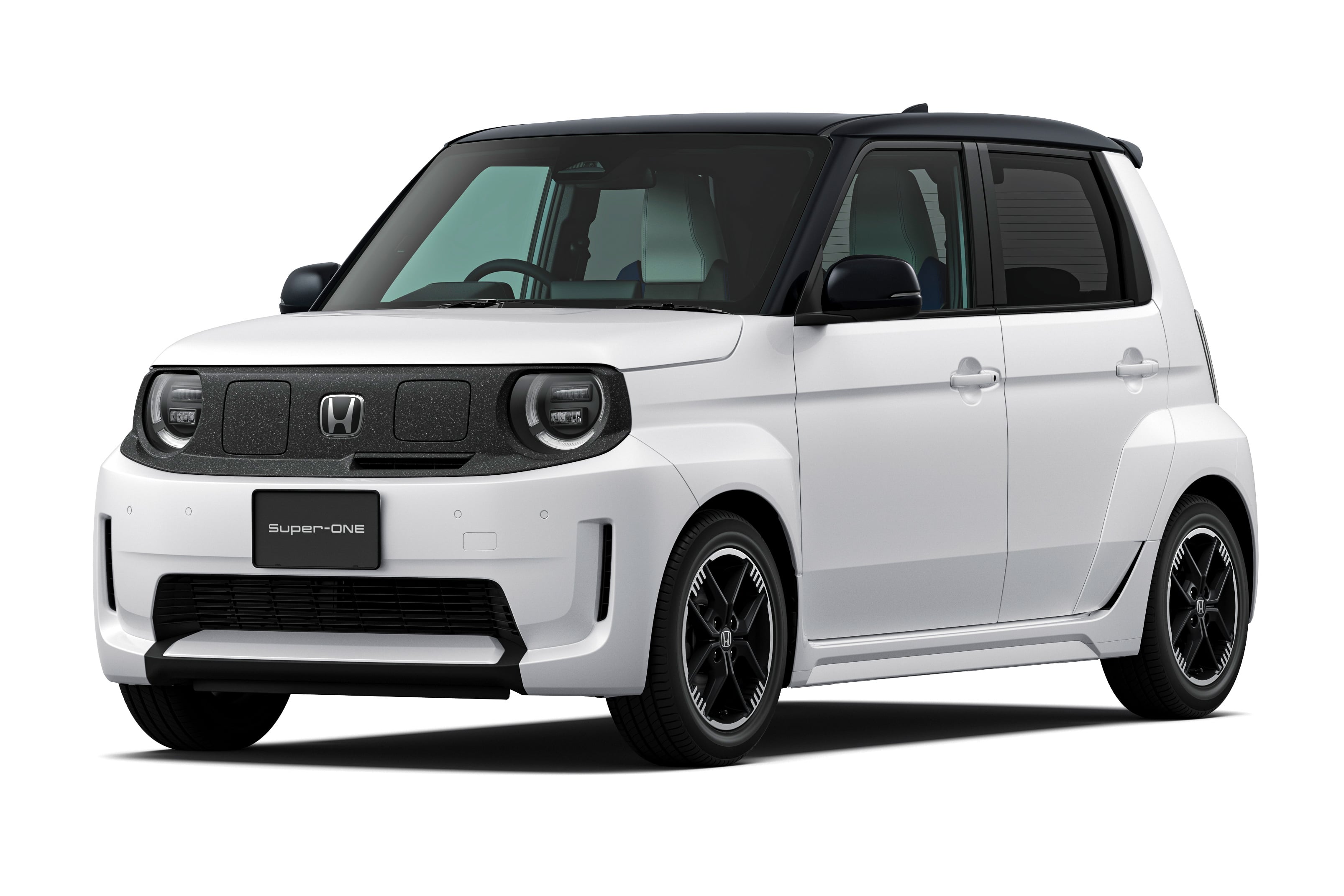
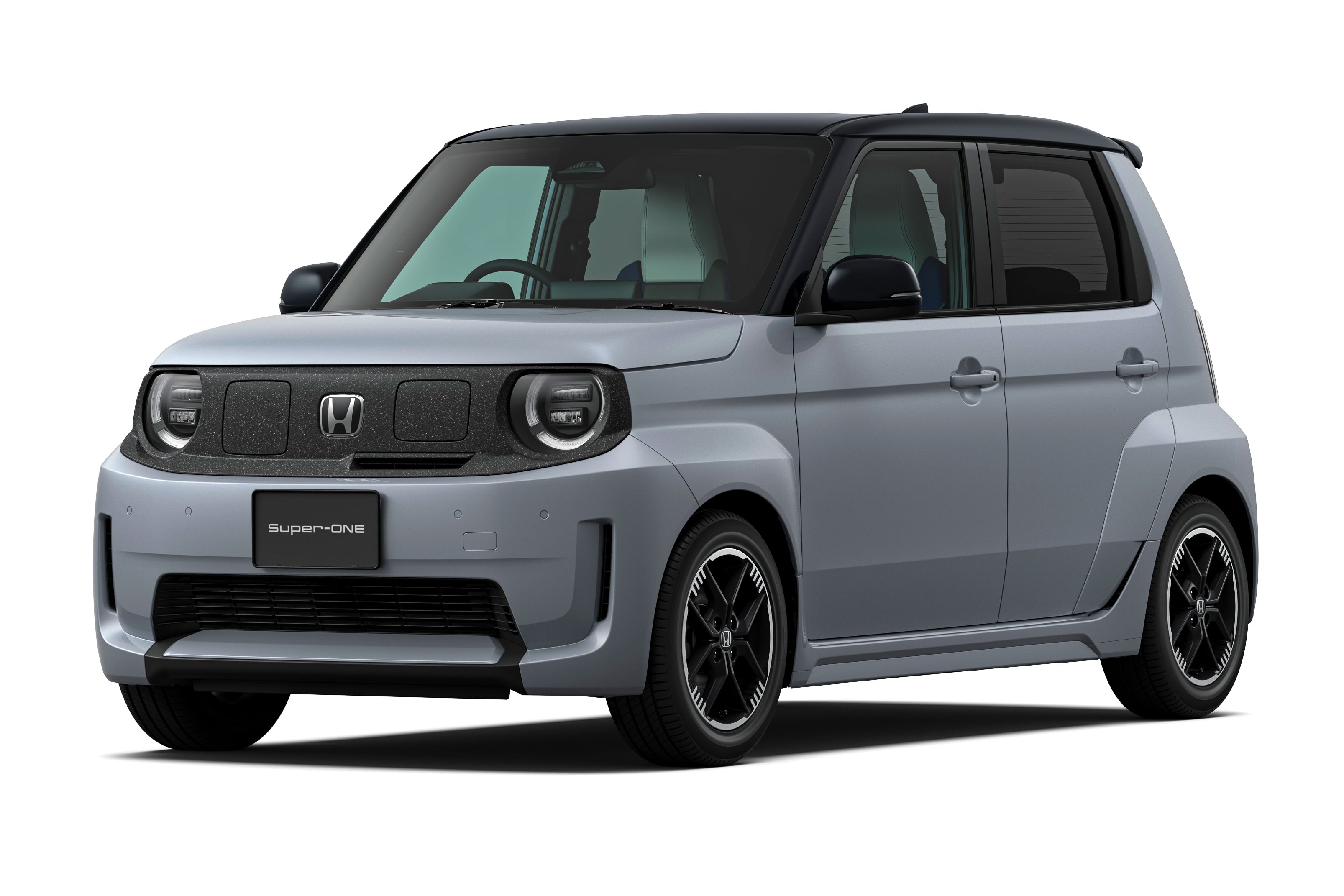
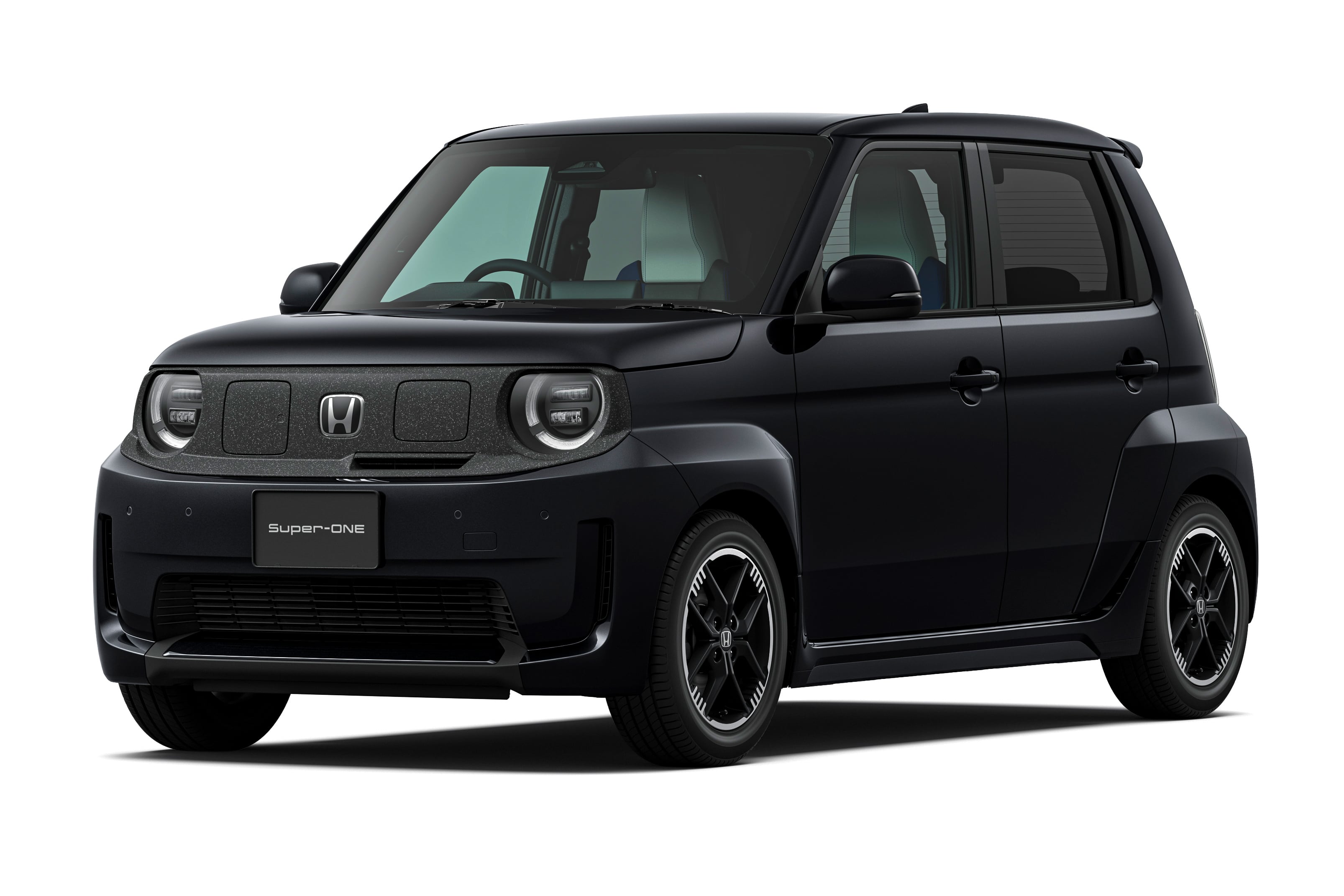
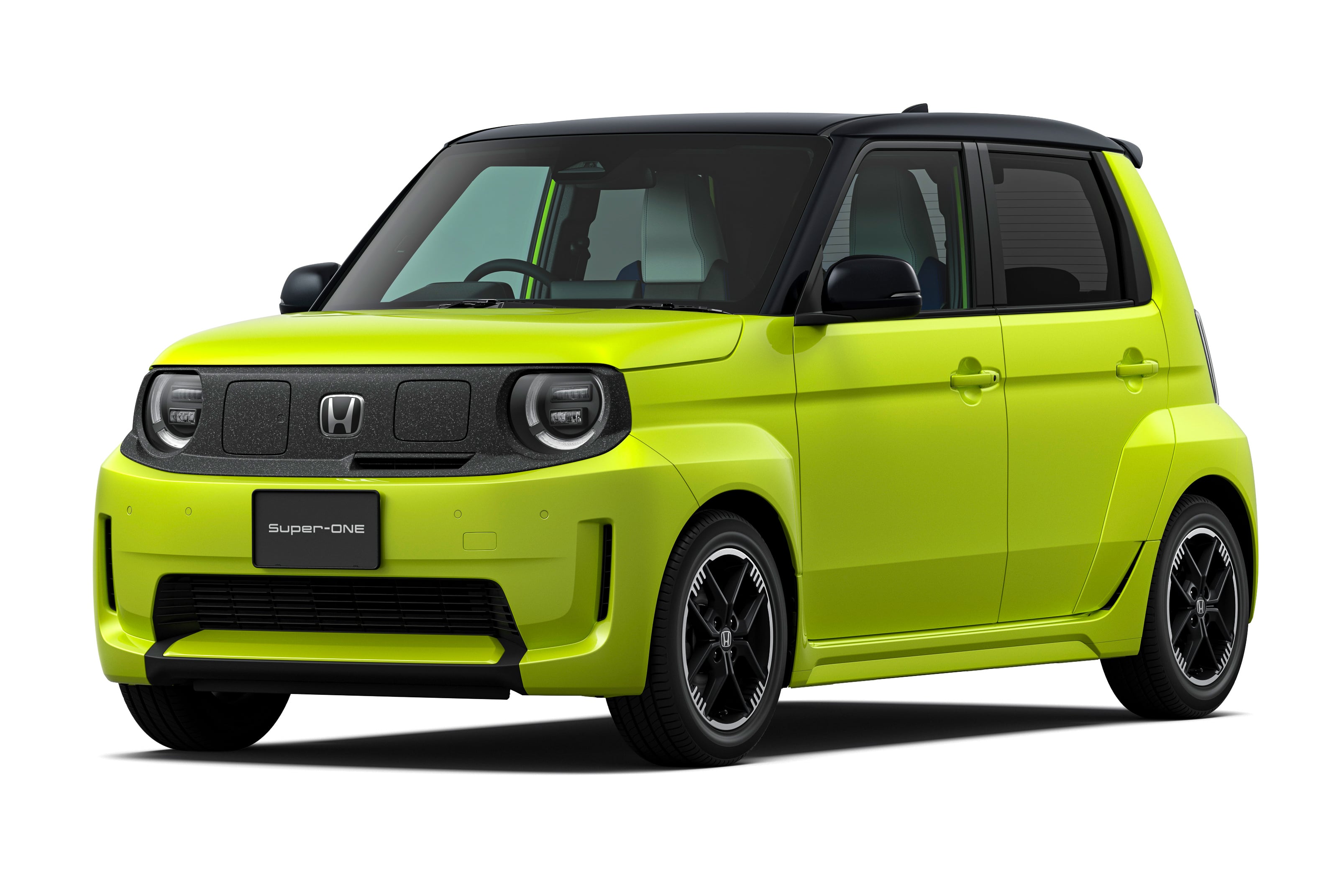
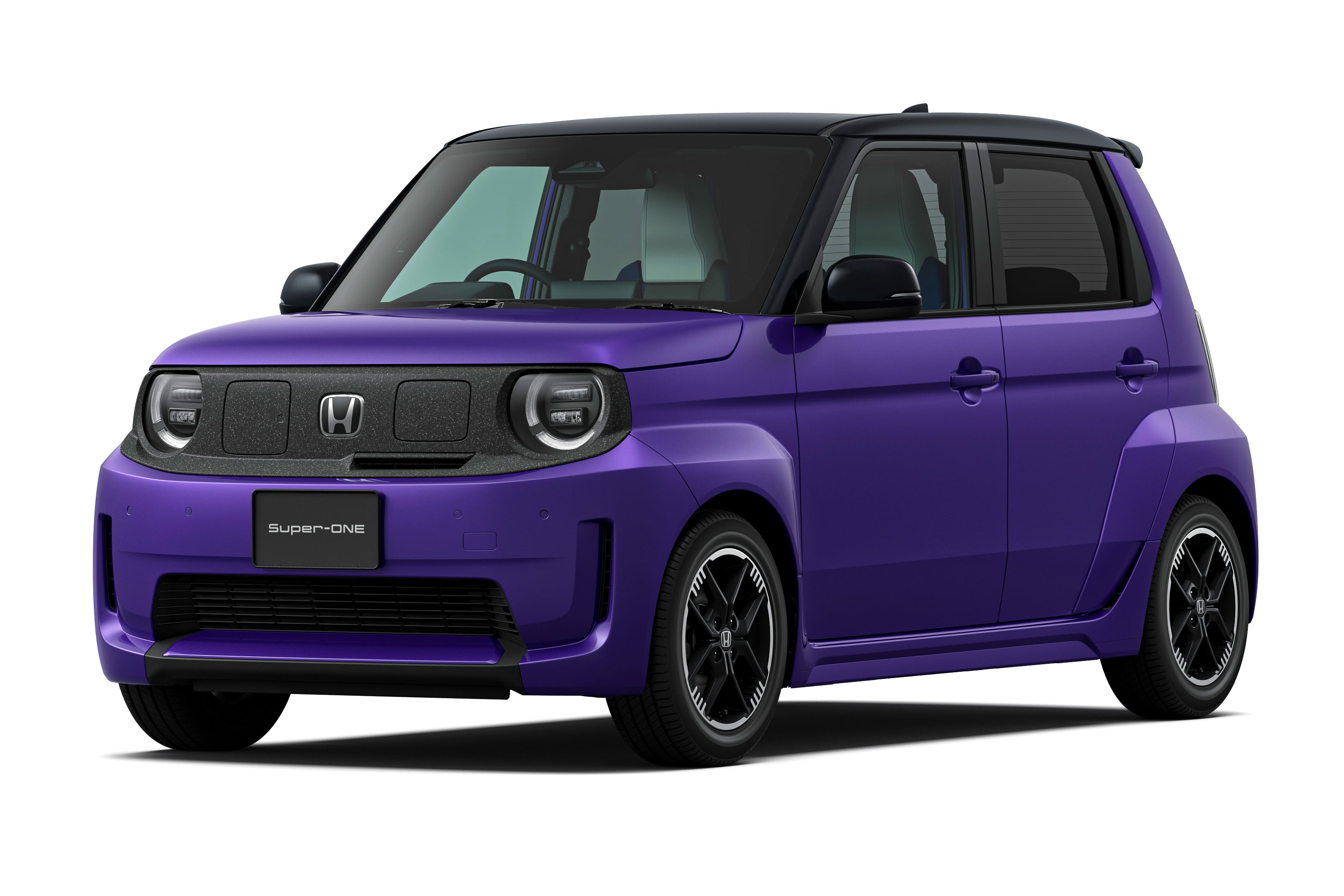
The Super-One will be available in five primary body colours in Japan, with four of these offering the option of a contrasting black roof for a sportier aesthetic. Leading the colour palette is ‘Boost Violet Pearl’, a hue that complements the interior’s display and ambient lighting system, which glows purple when Boost mode is engaged.
Australian Debut and Honda’s Shifting Electrification Strategy
Honda Australia has confirmed the Super-One for a late 2026 release. This will mark a significant milestone as the Japanese marque’s inaugural fully electric model to be offered Down Under. The Super-One is also slated for sale in other key markets, including the UK (where it will be known as the Super-N) and various other Asia-Pacific regions.
This launch comes amidst a period of strategic recalibration for Honda’s global electrification plans. In a recent development, the company announced a significant revision to its electrification rollout strategy, which included the cancellation of the all-electric 0 Series Saloon and SUV models, as well as the Acura RSX, which was anticipated to enter production in the near future.
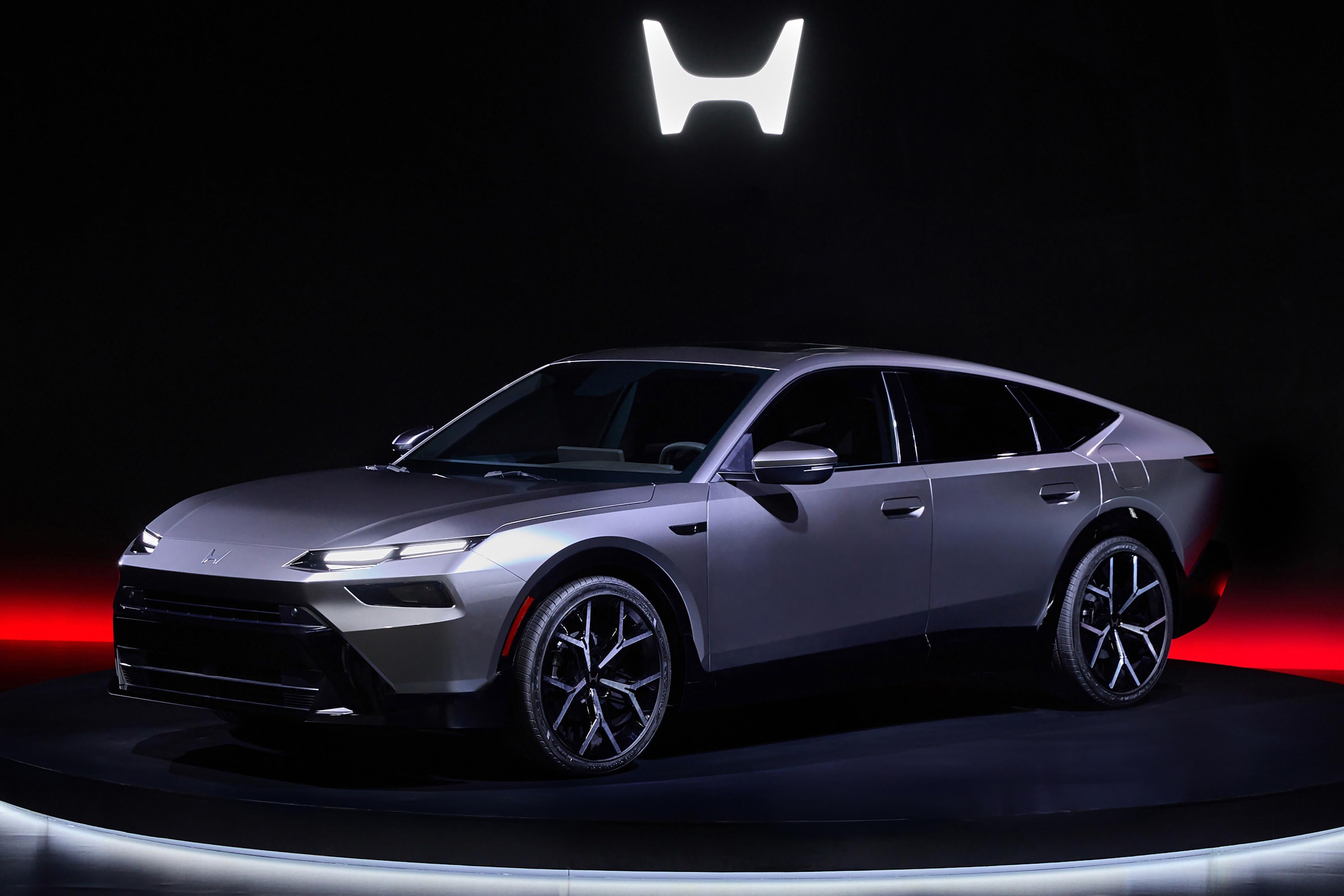
Instead, Honda now intends to introduce 15 new hybrid models by 2030, with a primary focus on the North American market. Some of these larger vehicles are expected to be powered by a new V6 hybrid powertrain. Supporting this announcement, Honda revealed a pair of hybrid prototypes, both confirmed for production by 2028. To facilitate the production of battery packs for these new hybrid vehicles, Honda will repurpose its joint-venture factory with LG Energy Solution.
While its dedicated EV ambitions have been considerably scaled back, Honda maintains plans to launch new EVs, particularly within the “mini-vehicle [kei car] category,” in Japan. Furthermore, the company will introduce plug-in hybrids and EVs in China, built on platforms provided by local manufacturing partners.
Honda reiterates its commitment to achieving carbon neutrality by 2050. However, its previous target of ceasing production of internal combustion engine (ICE) vehicles by 2040 has been abandoned. The company now aims to reach its 2050 goal through a “multi-faceted approach,” encompassing a blend of EVs, hybrid vehicles, carbon-neutral fuels, and carbon-offset technologies.
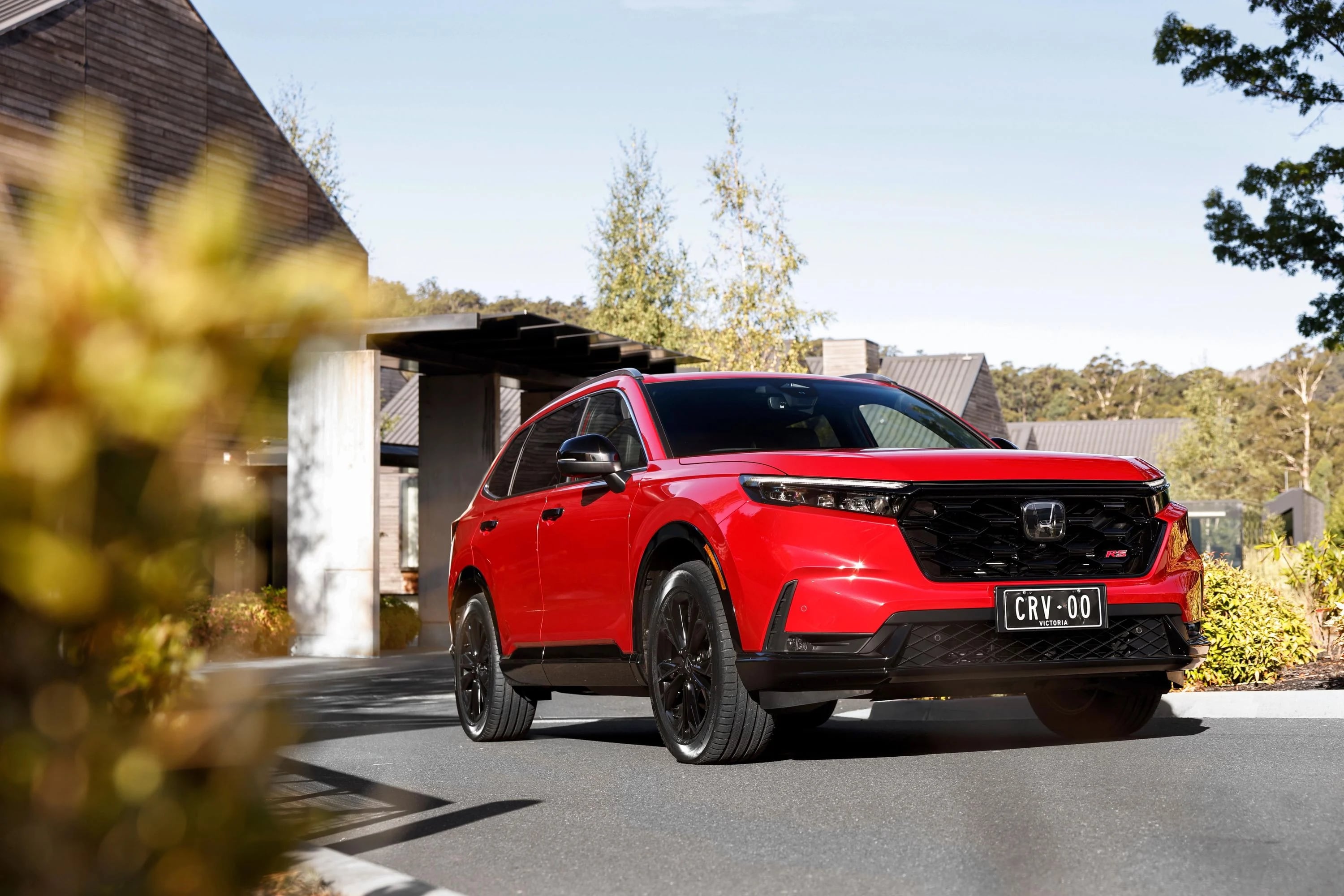
Honda Australia has historically adopted a more conservative approach to EV adoption compared to its global parent, with a strong emphasis on hybrid technology. The brand recently expanded its hybrid offerings within its best-selling CR-V and ZR-V mid-size SUVs. The smaller HR-V also welcomed a third e:HEV hybrid variant just this past week. Additionally, Honda Australia launched the striking Prelude e:HEV hybrid sports coupe last month. The company projects that over 80 per cent of its sales in 2026 will comprise hybrid models.