
When Power Outweighed Prudence: History’s Most Dangerous Australian Cars
Throughout automotive history, certain vehicles have etched their names into legend not just for their blistering performance, but also for their notorious safety shortcomings. These iconic machines, often boasting immense power and raw, untamed character, pushed the boundaries of what was possible on the road. However, this very prowess frequently came at the cost of stability, control, and ultimately, driver safety. In Australia, as elsewhere, a number of these powerful beasts have captured the imagination while simultaneously demanding the utmost respect – and caution – from those behind the wheel.
From the thunderous engines of muscle cars to the imposing presence of luxury sedans, the allure of sheer power has always been a potent force. Yet, the absence of modern electronic aids like traction control and stability control, coupled with chassis and braking systems that struggled to keep pace with burgeoning engine outputs, meant that many of these automotive titans were, quite frankly, dangerous.
Unleashing the Beasts: Cars That Challenged Their Drivers
Several Australian-relevant models, or those with strong ties to the Australian market, stand out for their formidable power and the inherent risks they presented. These weren’t just cars; they were statements, often built with a philosophy that prioritised exhilarating performance above all else.
-
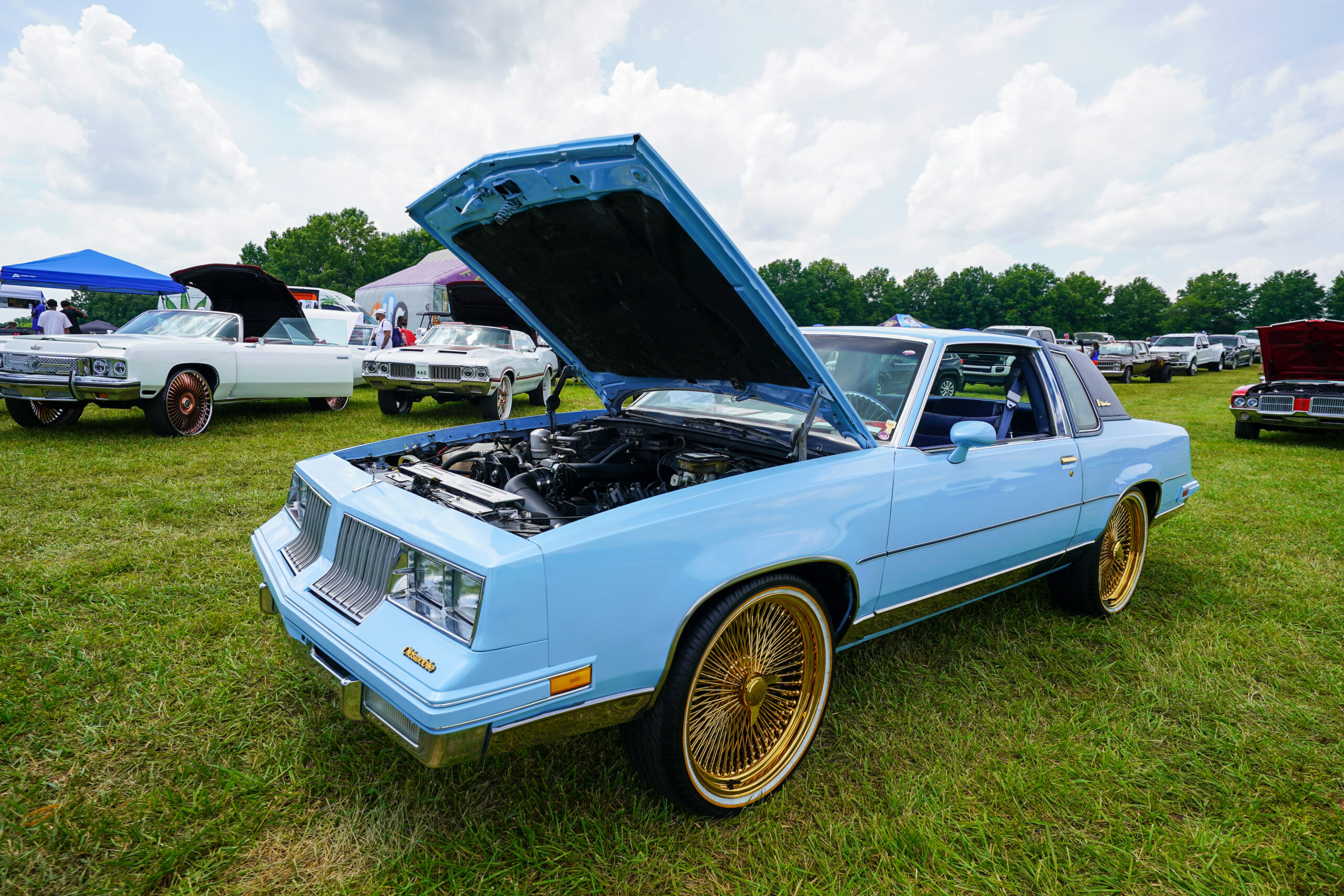
The Oldsmobile Cutlass Supreme: While a popular choice for its comfort and style, certain Cutlass Supreme models, particularly those equipped with potent V8 engines and rear-wheel drive, presented a challenge. The considerable torque, especially on wet or snowy roads, combined with braking and suspension systems not always up to the task, could lead to unpredictable handling. The lack of modern electronic stability systems amplified the risk of losing control. Despite these concerns, the Cutlass Supreme remains a cherished classic, admired for its unmistakable American flair and muscular character.
-
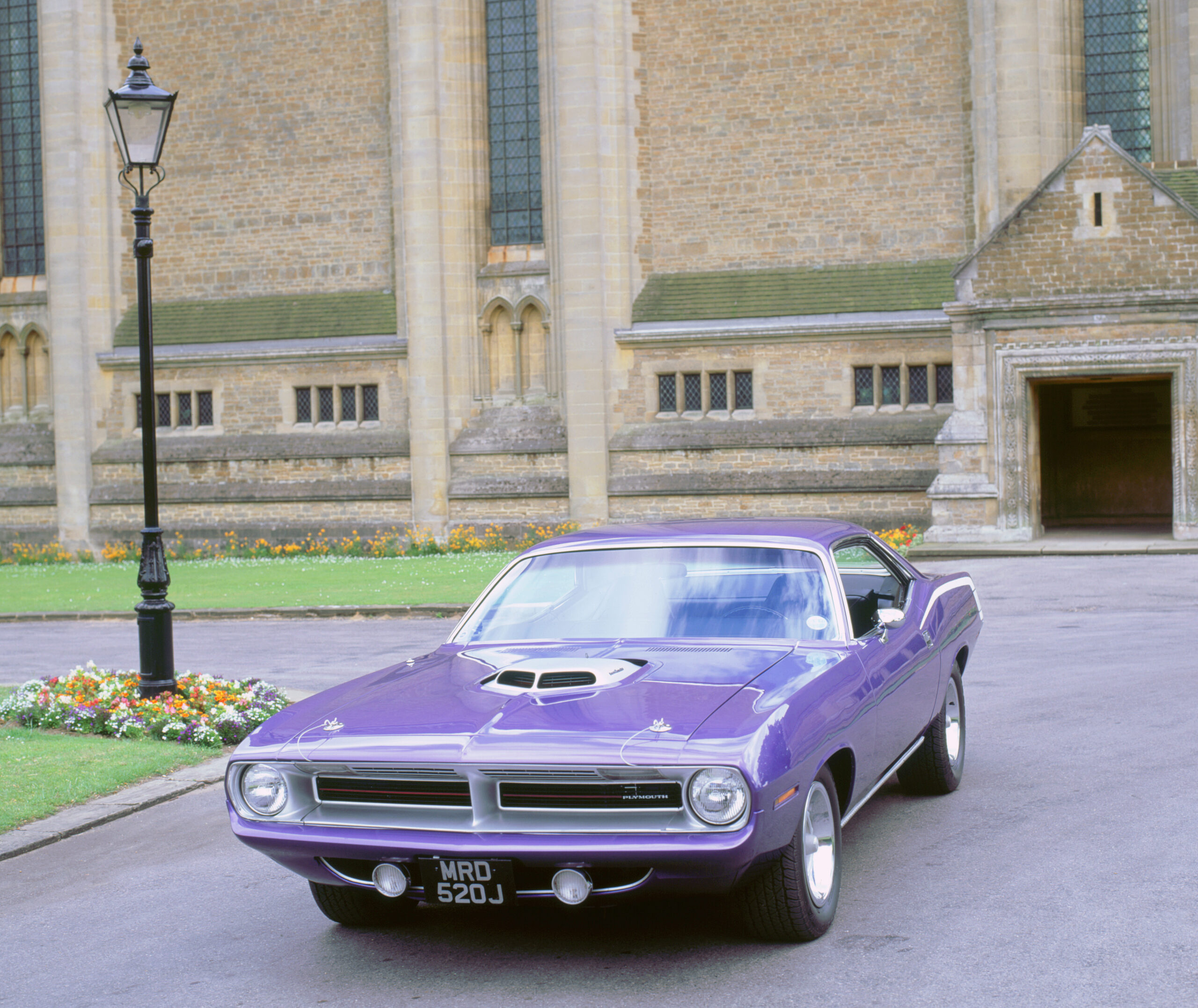
The Plymouth Hemi Cuda: A true icon of the American muscle car era, the Hemi Cuda’s legendary HEMI engine delivered acceleration that few could match in the 1970s. This sheer force, however, was a significant hazard for the uninitiated. Narrow tyres of the time and the complete absence of electronic aids meant that aggressive launches often resulted in a loss of traction. Even today, mastering the Hemi Cuda is considered a feat, cementing its reputation as a sought-after collector’s item, revered for its aggressive looks, potent engine, and wild temperament.
-
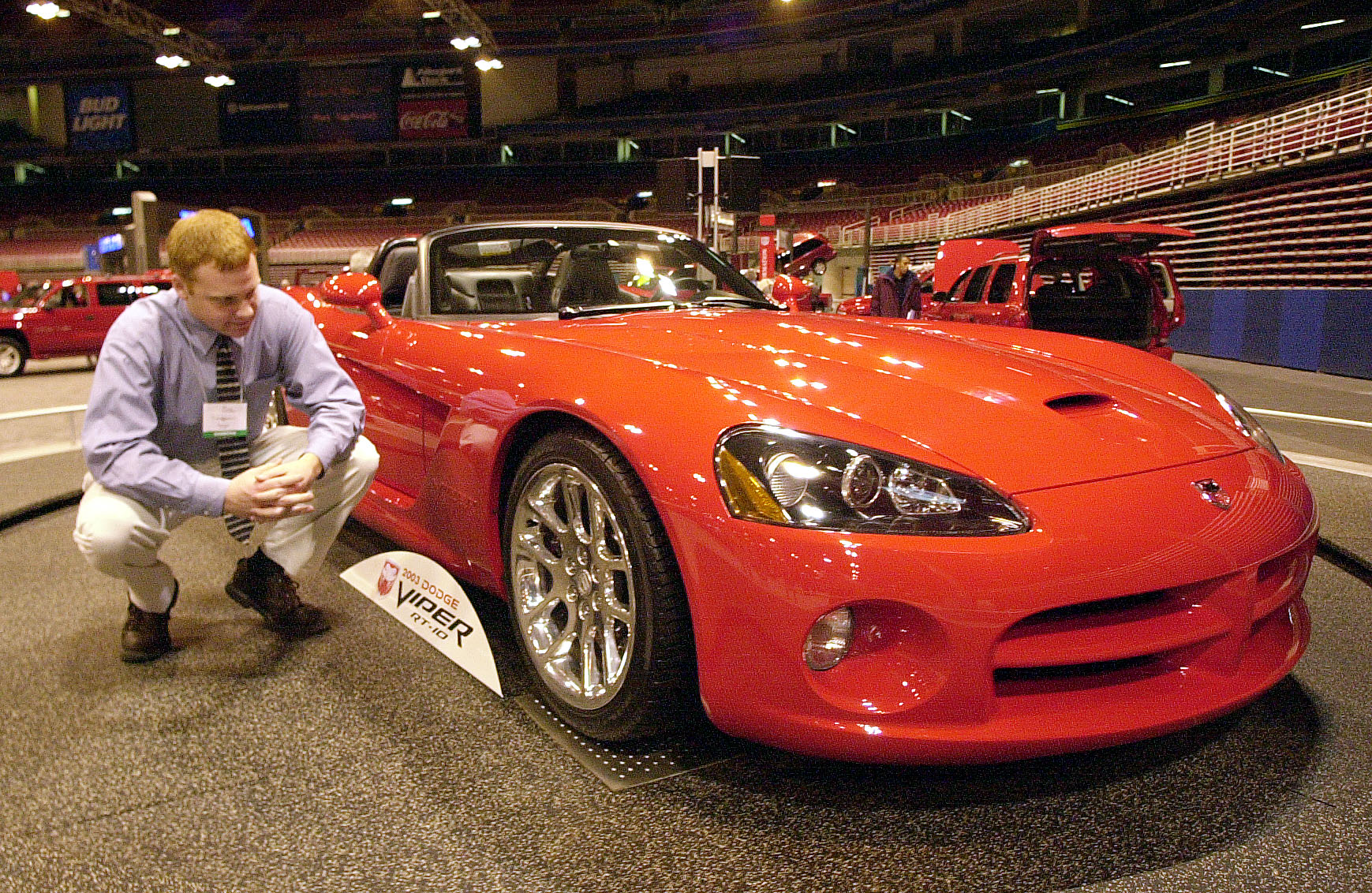
The Dodge Viper RT/10: Introduced in the 1990s, the Dodge Viper RT/10 was a raw, uncompromising machine. Its massive V10 engine produced astonishing performance, but early generations were notoriously devoid of crucial safety nets like traction control and electronic stability control. This absence made the Viper incredibly difficult to handle, with its prodigious torque capable of instantly breaking traction. Numerous dramatic incidents only served to solidify its dangerous reputation. Nevertheless, the Viper endures as a legend, celebrated for its mechanical purity and exhilarating, albeit challenging, handling.
-
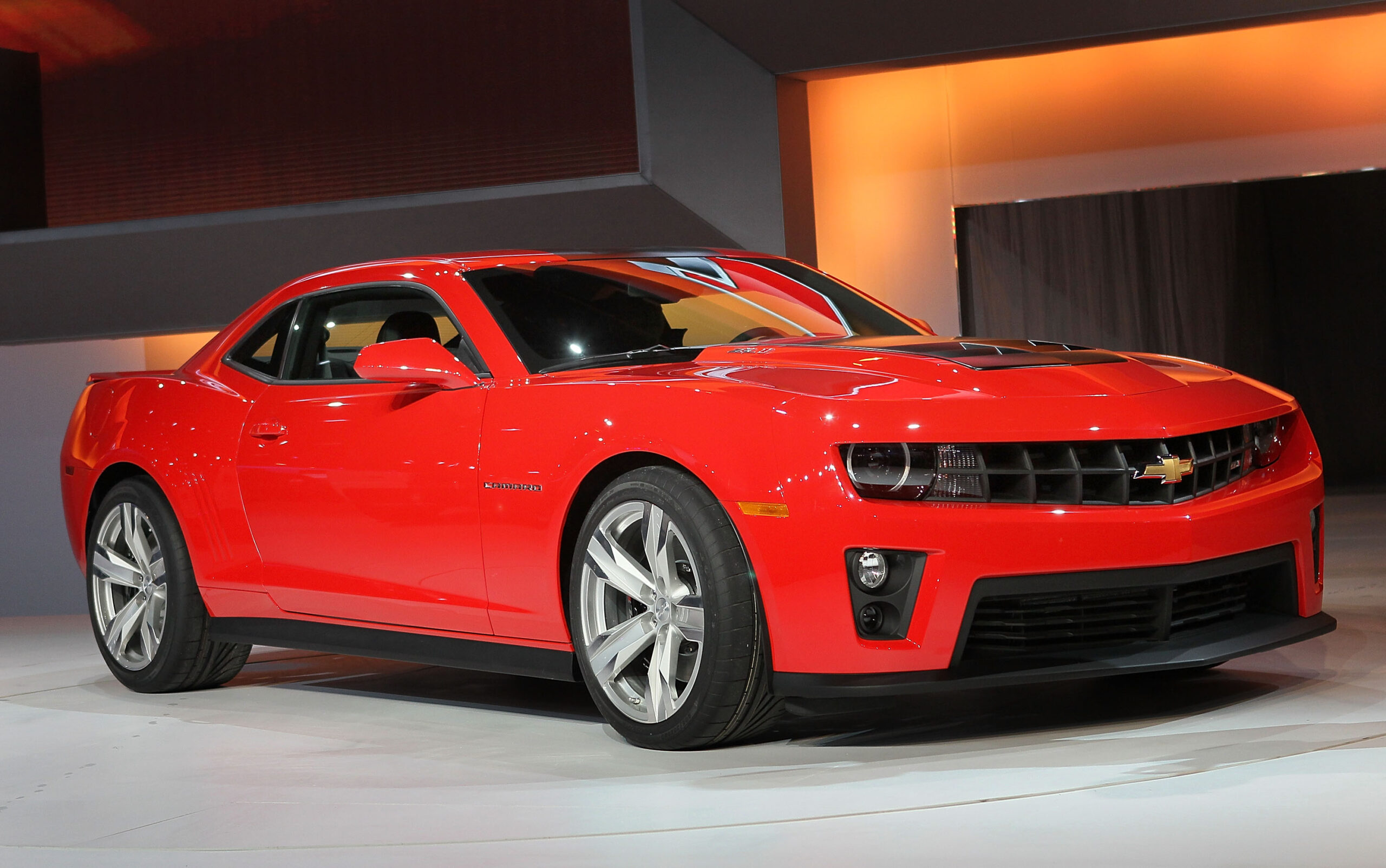
The Chevrolet Camaro ZL1: As one of the most powerful American muscle cars ever built, the supercharged engine of the Camaro ZL1 transforms even mild acceleration into an extreme event. This immense mechanical power, particularly with its rear-wheel drive configuration, demands exceptional driver skill, especially in adverse conditions. Young drivers, drawn to its performance, have unfortunately been involved in serious accidents. Even with modern electronic systems, many owners underestimate the ZL1’s raw capabilities, its aggressive styling and intimidating soundtrack only reinforcing its image as a formidable and potentially dangerous machine.
-
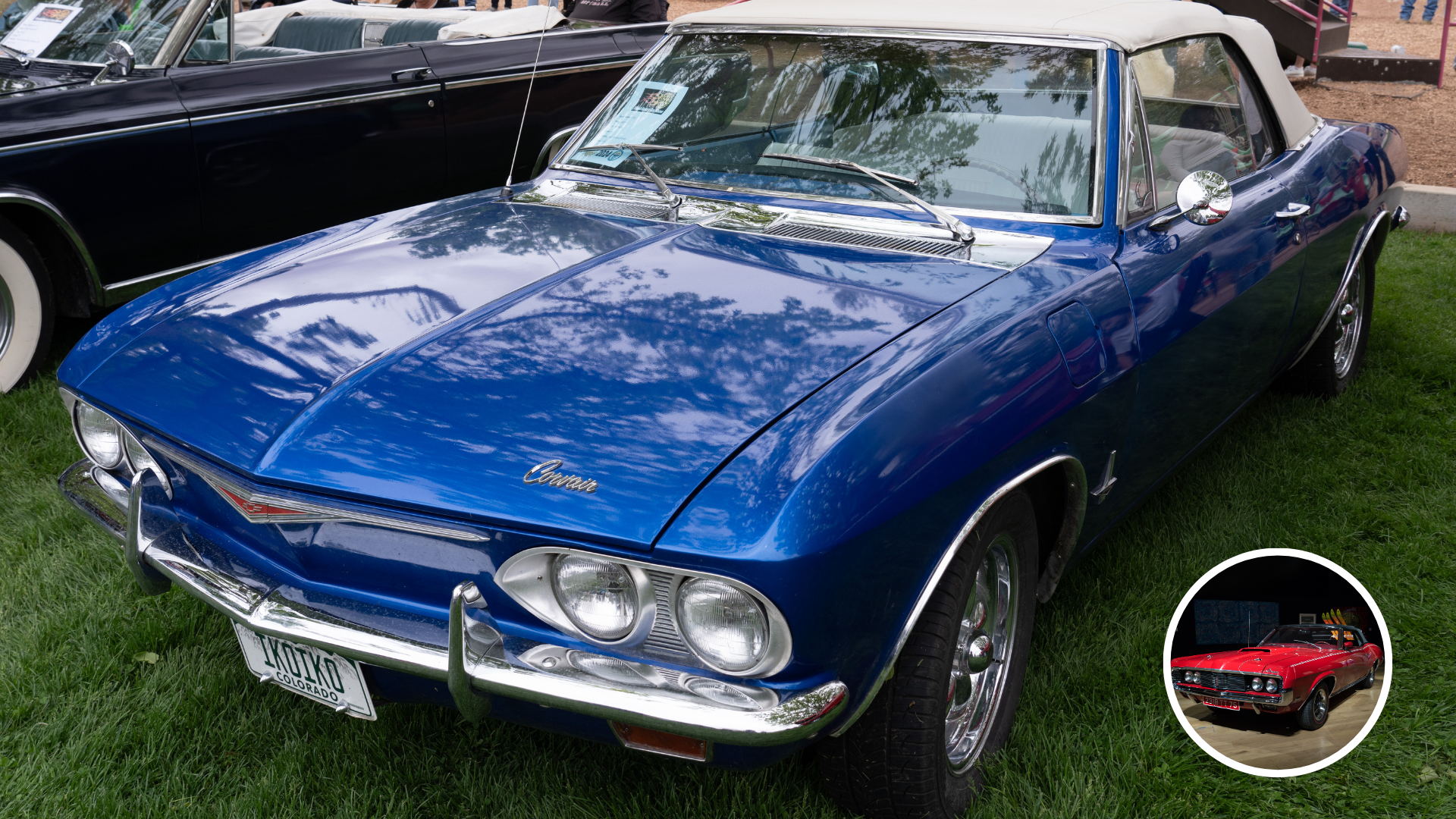
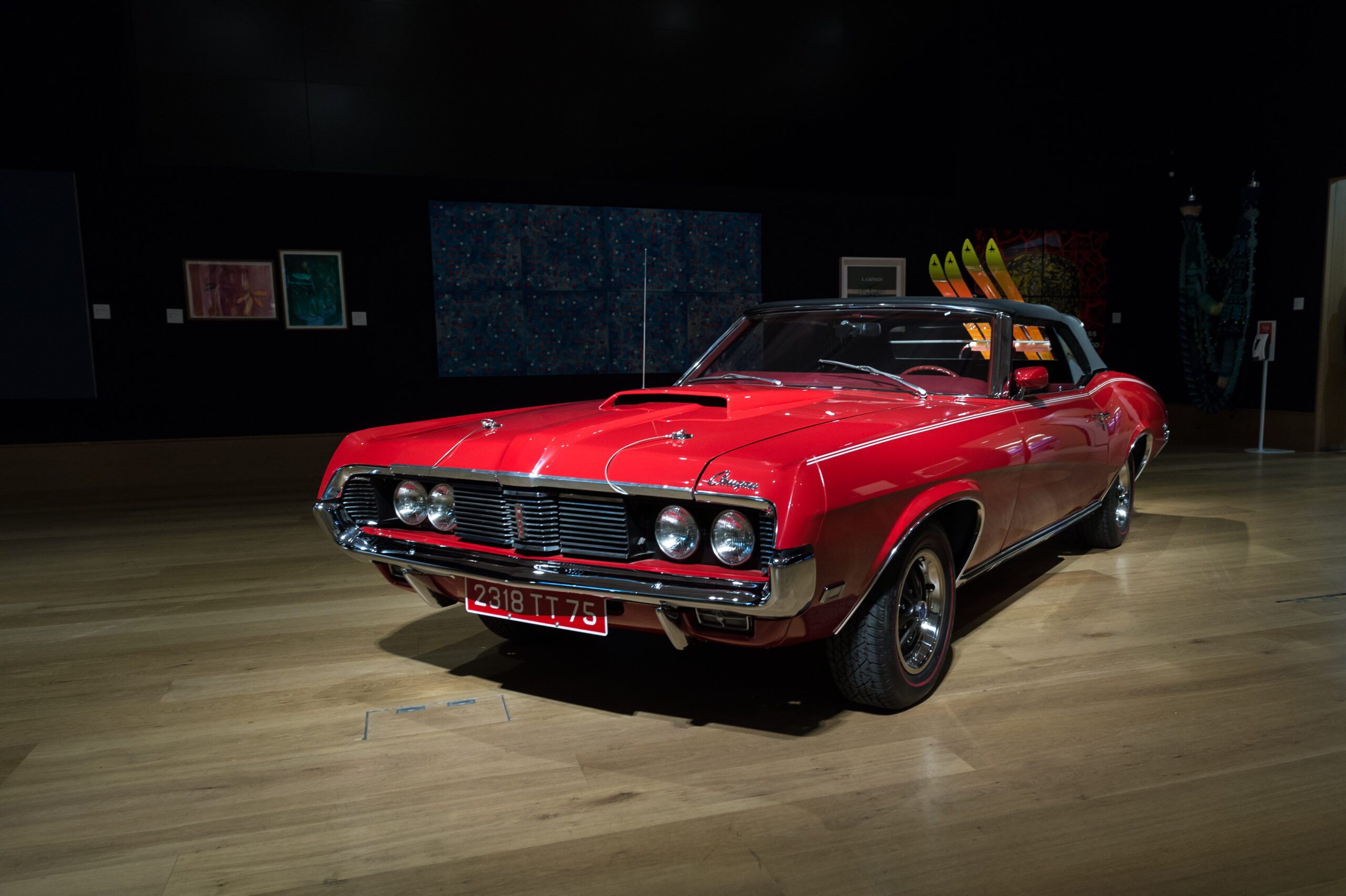
The Mercury Cougar XR-7: A more luxurious and potent iteration of the Cougar, the XR-7, especially in its V8-equipped forms from the 1960s and 70s, offered impressive acceleration for its era. However, this power frequently overwhelmed the available tyres, suspension, and brakes, leading to easily initiated loss of traction during rapid acceleration or in fast corners. Like many classic muscle cars, it lacked modern electronic driver aids, and its rear-wheel drive and substantial weight made wet weather driving particularly precarious. The Cougar XR-7 remains a beloved classic, a testament to its enduring appeal.
-
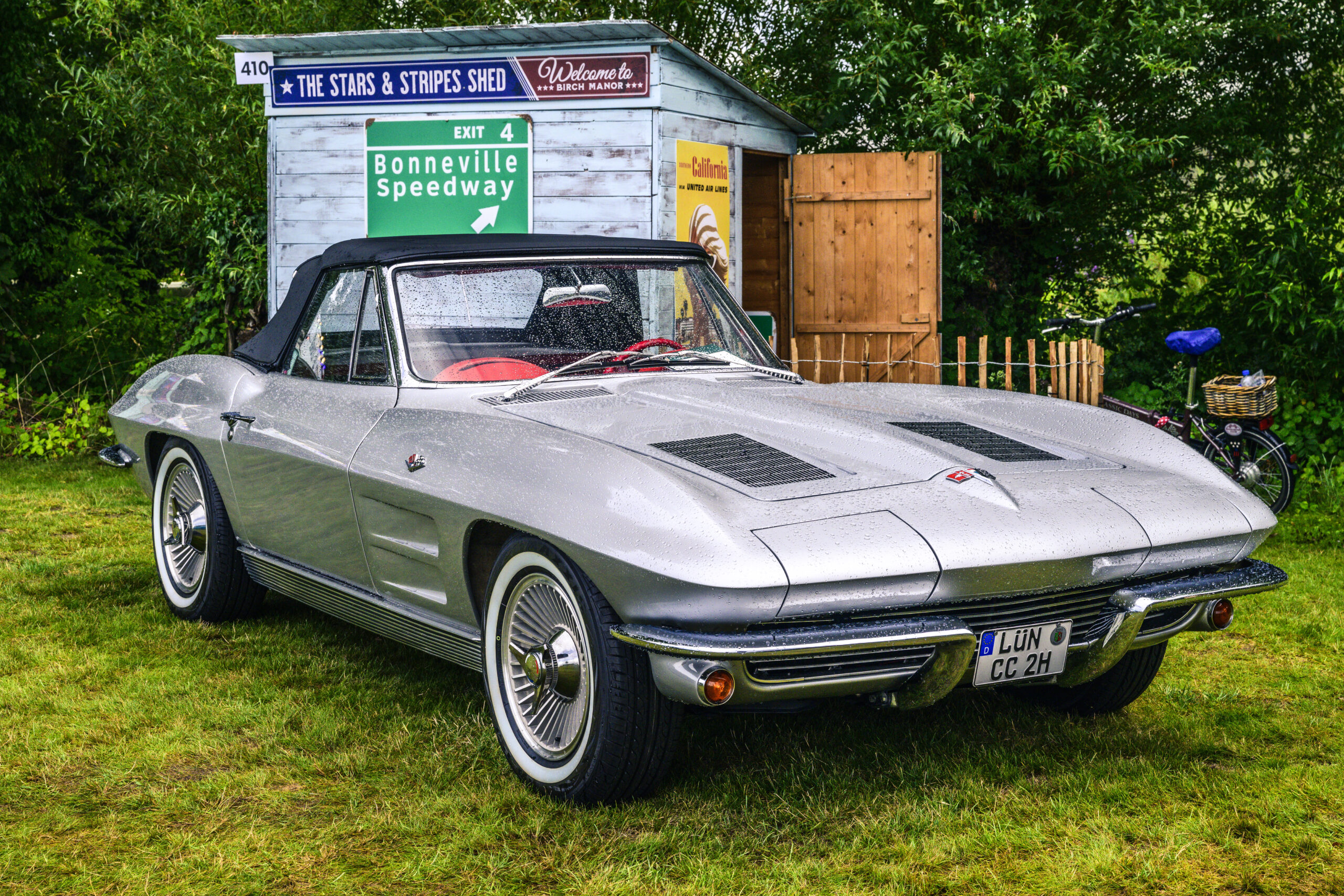
The Chevrolet Corvette C2: Emerging in the 1960s, the Corvette C2 was a significant leap forward for American sports cars, boasting striking design and powerful V8 engines. However, the technology of the time – its suspension, brakes, and tyres – often struggled to cope with this potent combination. High-speed loss of control, particularly on wet surfaces, was a recognised risk. Despite these inherent dangers, the Corvette C2 achieved iconic status, celebrated for its aggressive aesthetics and visceral driving experience, embodying an era where raw power often took precedence over advanced safety.
-
The Shelby Cobra 427: Arguably one of the most intimidating American cars ever conceived, the Shelby Cobra 427, a lightweight British chassis paired with a thumping American V8, possessed a terrifying power-to-weight ratio. Its explosive acceleration was unparalleled in the 1960s. However, its compact design and narrow tyres made it incredibly challenging to control at speed, with drivers frequently losing traction, especially in wet conditions or during spirited acceleration. The Cobra 427’s inherent danger only added to its allure, solidifying its status as an icon of American performance with a timeless, wild character that continues to captivate enthusiasts.

Design Flaws and Unforeseen Dangers
Beyond sheer power, some cars became infamous for design flaws that posed significant safety risks, even if their performance was not their primary selling point.
-
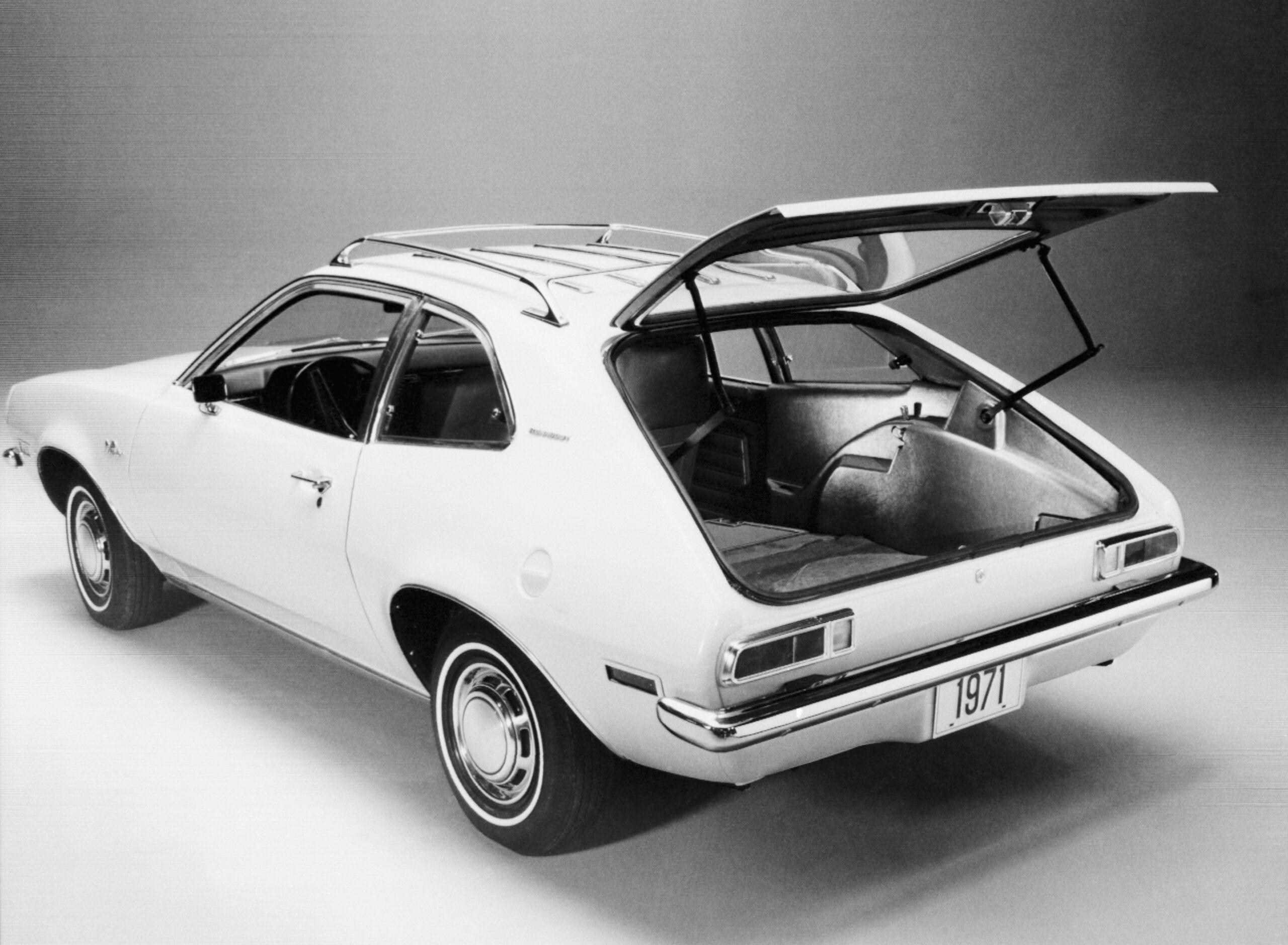
The Ford Pinto: The Ford Pinto is a stark reminder of the critical importance of automotive safety design. Introduced in the 1970s as an economical compact car, its poorly positioned fuel tank proved disastrous in rear-end collisions, leading to fatal fires and a massive public outcry. Internal company knowledge of the defect, coupled with a cost-benefit analysis that reportedly deemed a recall too expensive, resulted in a scandal that tarnished the Pinto’s reputation and significantly influenced the evolution of automotive safety standards in America and beyond.
-
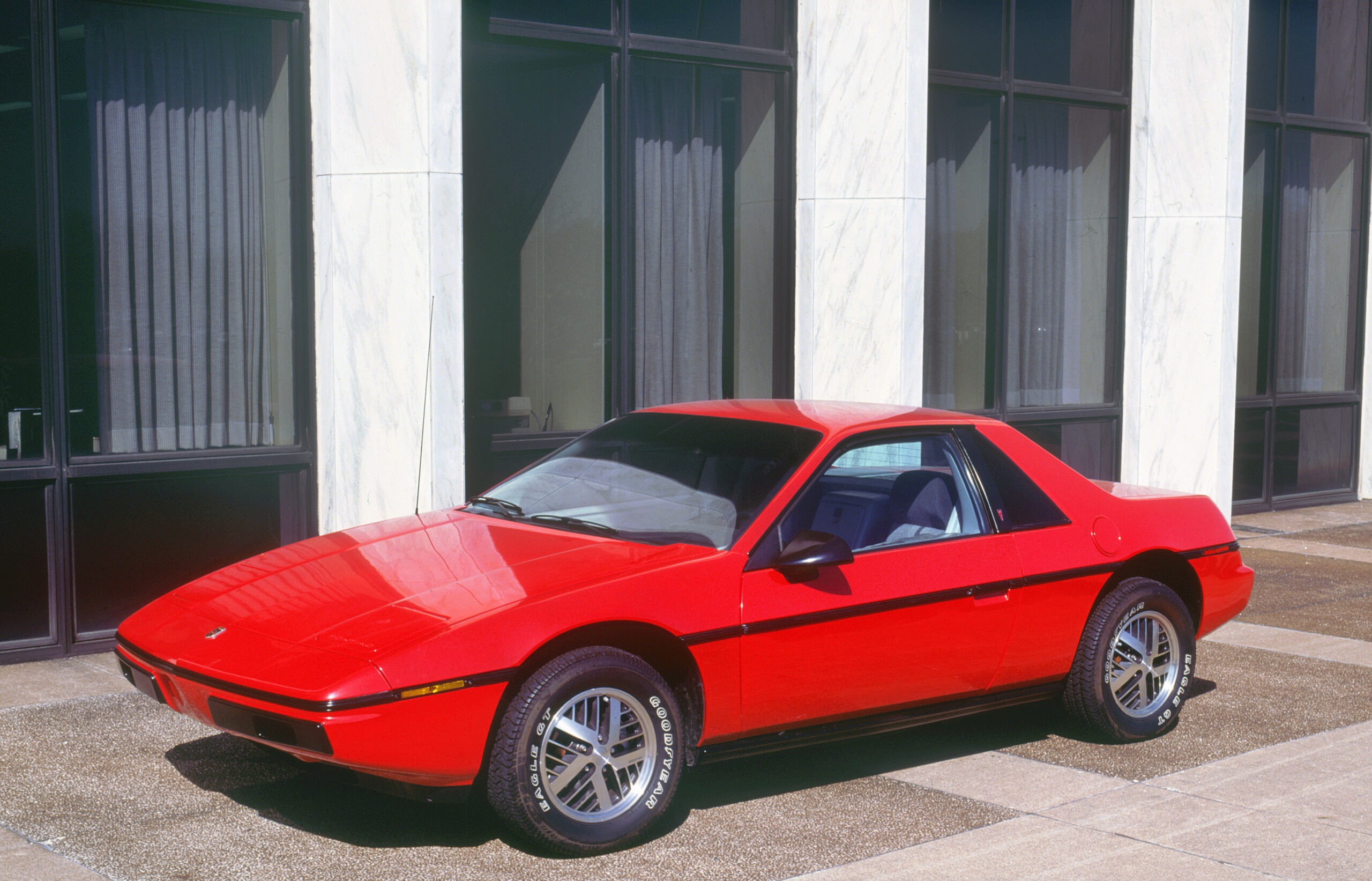
The Pontiac Fiero: Conceived as a small, mid-engined sports car, the Pontiac Fiero’s early iterations were plagued by serious mechanical issues, most notably an engine tendency to overheat, which in some cases led to fires. Despite extensive recalls and improvements in later models, the Fiero’s reputation was irrevocably damaged. Furthermore, drivers unfamiliar with mid-engined dynamics could find its handling unpredictable. Nevertheless, the Fiero retains a cult following, remembered for its futuristic design and unique character, though often associated with its mechanical risks and what could have been.
-
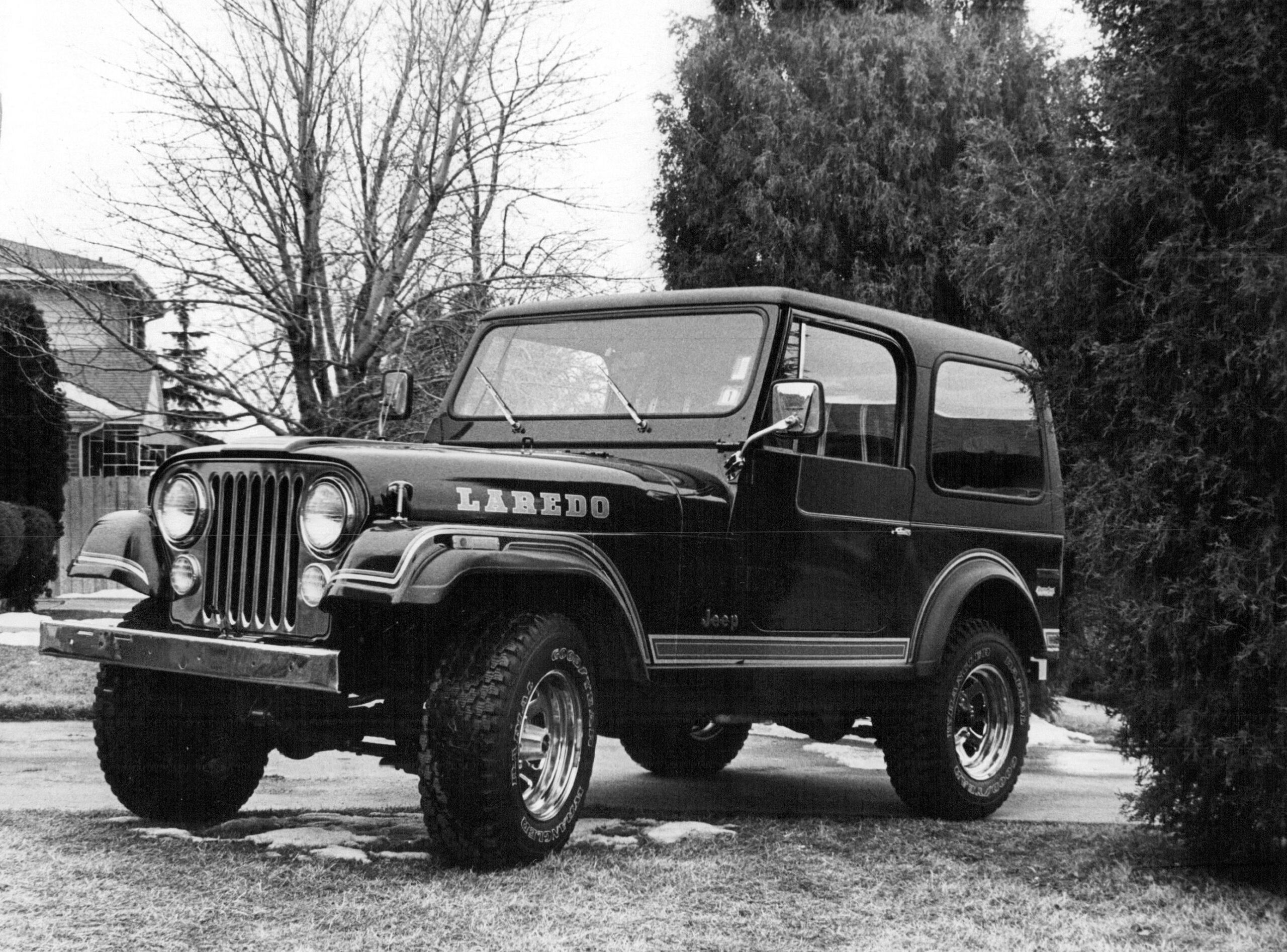
The Jeep CJ: A legendary off-road vehicle, the Jeep CJ’s high centre of gravity made it prone to rollovers, a risk amplified by its limited stability during sudden manoeuvres or at higher speeds. Numerous accidents brought this issue to the forefront, drawing criticism from safety advocates. Despite its inherent instability, the CJ’s ruggedness and exceptional off-road prowess ensured its enduring popularity, standing as a symbol of adventure, albeit one that underscores the critical need for stability in utility vehicle design.
-
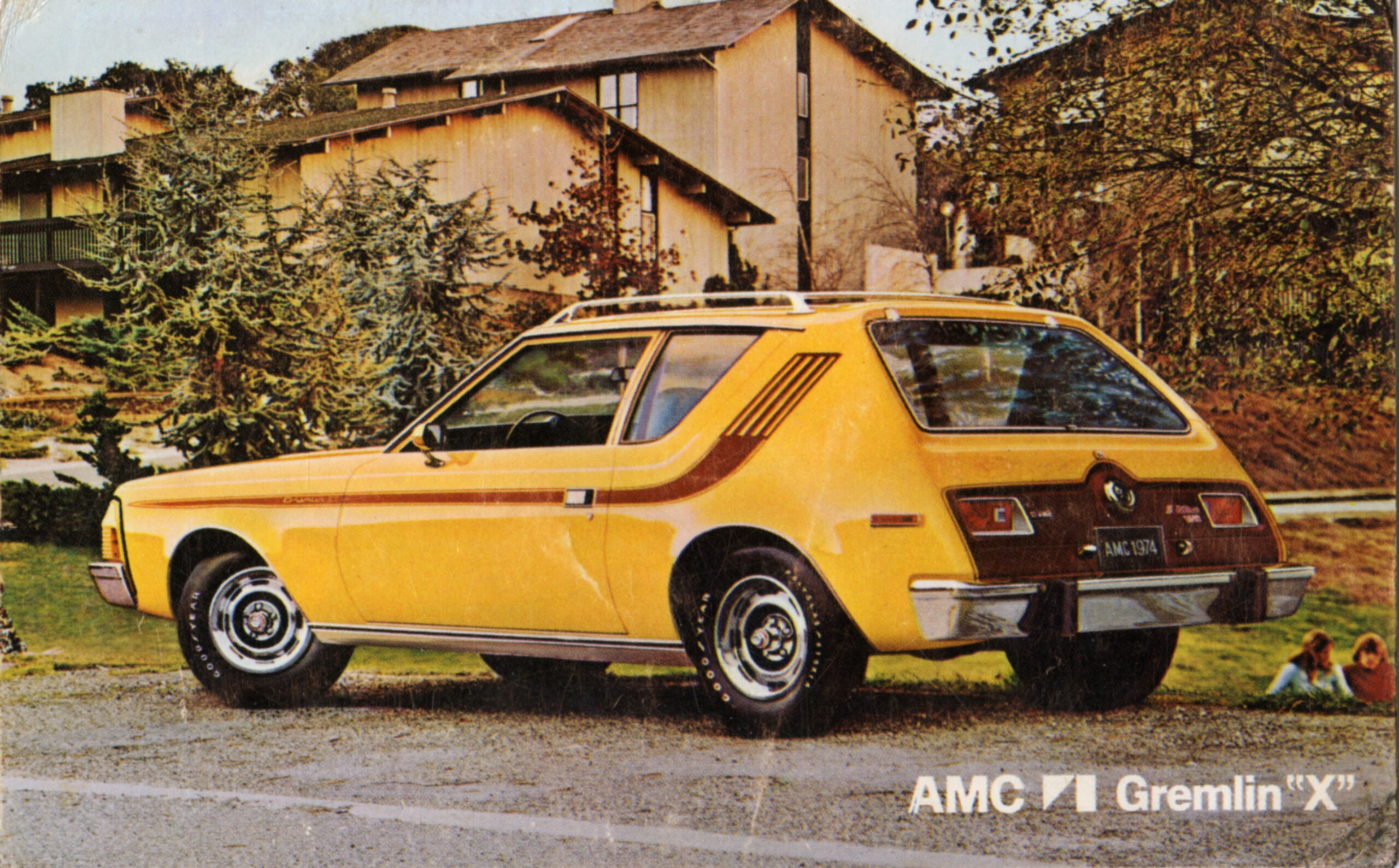
The AMC Gremlin: This compact car, designed to compete with affordable imports during the 1970s energy crisis, faced considerable criticism regarding its safety, stability, and overall build quality. Its compact structure offered limited protection in severe collisions, and its handling could be unpredictable at higher speeds. While now a retro cultural icon, the Gremlin’s legacy is intertwined with the compromises made by some manufacturers during a challenging economic period, often prioritising affordability over robust safety.
-
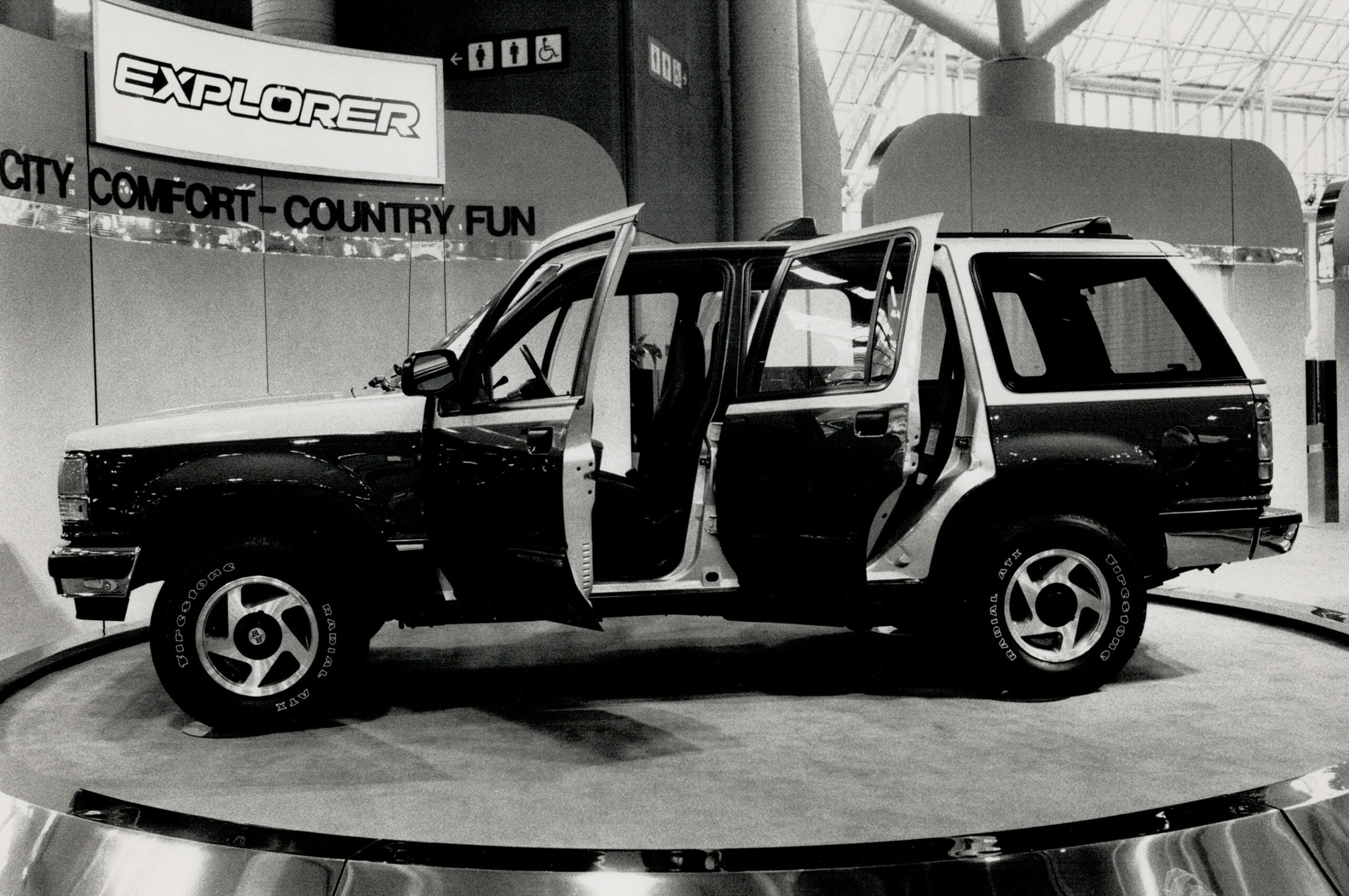
The Ford Bronco II: This compact SUV gained notoriety for its high rate of rollover accidents. Its short wheelbase and elevated centre of gravity severely compromised its stability. Investigations linked the Bronco II to a significant number of fatal rollovers, leading to accusations that Ford had prioritised cost and design over safety. Despite the controversies, its off-road appeal kept it popular, but the Bronco II scandal heightened public awareness of the potential dangers associated with poorly balanced SUVs.
Luxury and Legacy: When Size Met Danger
Even vehicles focused on luxury and comfort could present significant safety challenges due to their sheer scale and engineering of the era.
-
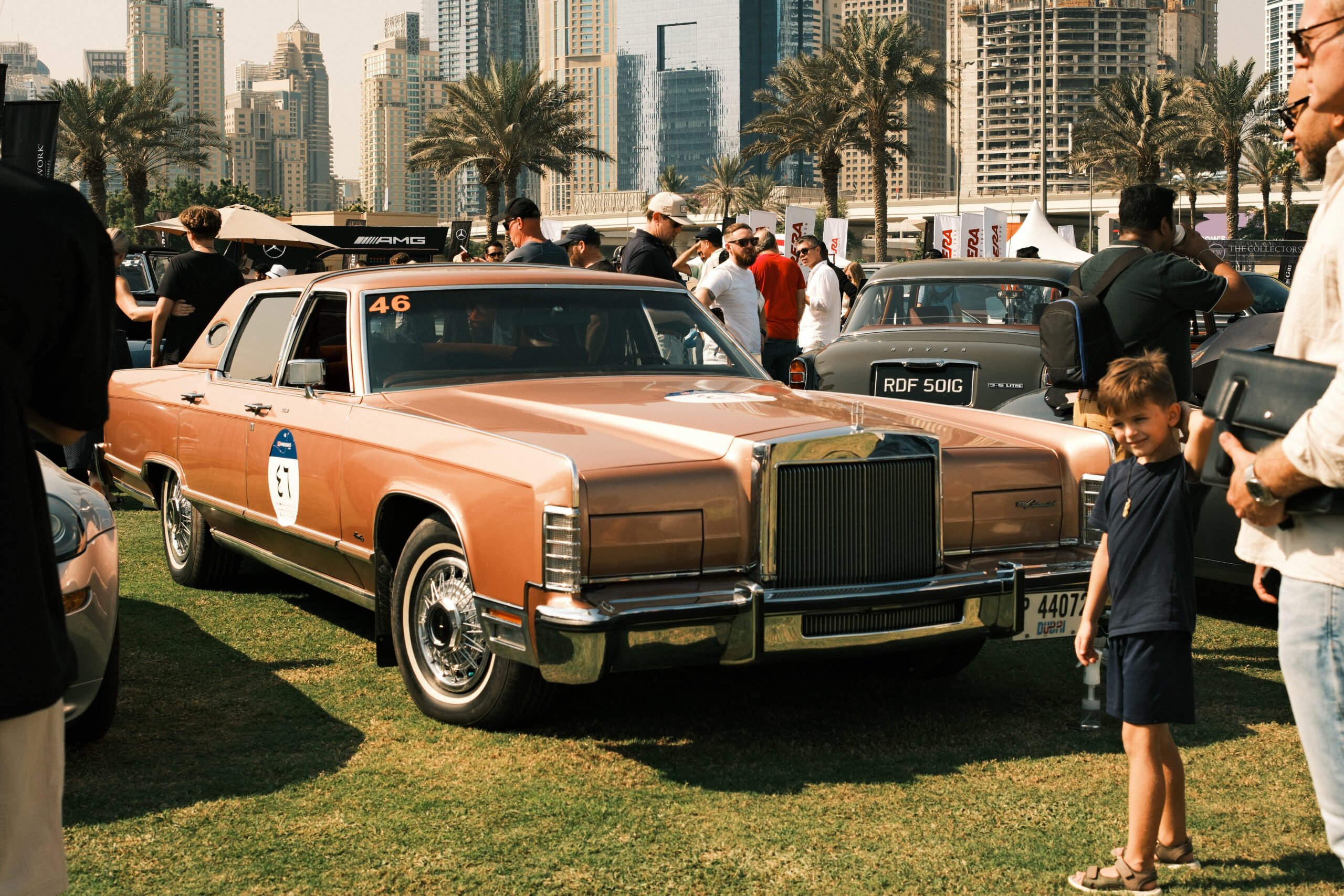
The Lincoln Continental: The Lincoln Continental epitomised American luxury, but older models also harboured considerable safety risks. Its immense weight meant increased braking distances, particularly at speed, and its soft suspension, while prioritising comfort, could compromise stability during sharp turns. The absence of electronic stability control and advanced crash protection, coupled with limited visibility due to its large body, meant that accidents could be more severe. Today, the Continental is a prestigious icon, representing a bygone era of powerful, luxurious automobiles built before the widespread adoption of modern safety technologies.
-
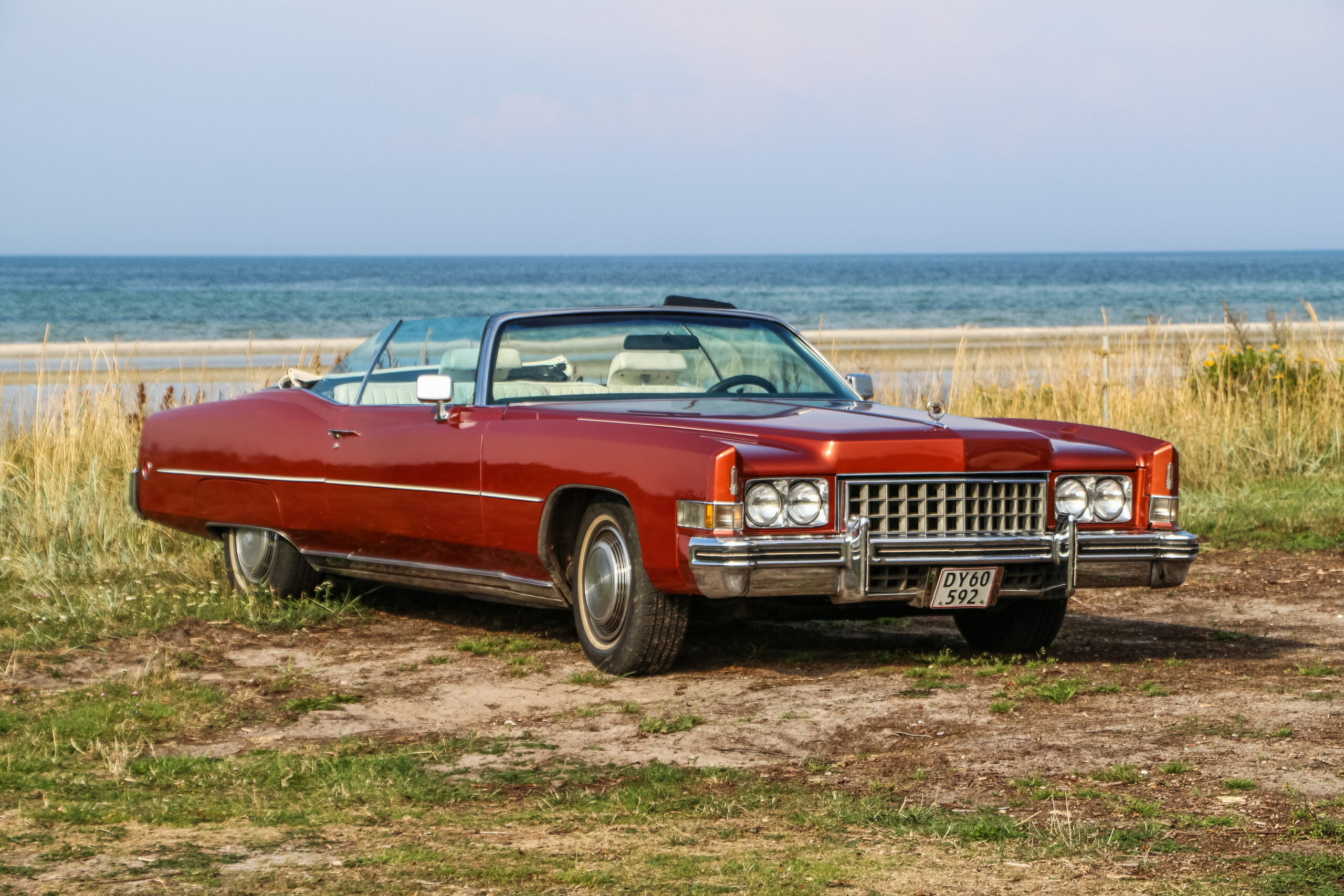
The Cadillac Eldorado: Known for its imposing size, substantial weight, and powerful V8 engines, the Cadillac Eldorado offered impressive performance but could be a handful on the road. Prioritising comfort and power over agility, some models featured light steering and soft suspension, which contributed to reduced stability during sudden manoeuvres. Its sheer bulk made emergency braking a challenge, extending stopping distances. In the 1960s and 70s, limited safety standards meant accidents were often more serious. The Eldorado remains an American icon, a symbol of grand automobiles from an era preceding comprehensive safety advancements.
These vehicles, while celebrated for their performance and iconic status, serve as potent reminders of the constant evolution of automotive safety. Their stories highlight the critical balance between exhilarating power and the paramount importance of keeping drivers and passengers safe, a balance that has dramatically shifted with the advent of modern engineering and electronic driver aids.