
Mitsubishi Reinvigorates Iconic Pajero Lineup with Ambitious Expansion Plans
Mitsubishi is making a bold statement of intent, signalling a significant resurgence for its legendary Pajero nameplate. Hot on the heels of confirming the return of the formidable four-wheel-drive icon this year, the Japanese automaker has unveiled further details of an expansive strategy that promises to excite both seasoned off-roaders and everyday drivers alike. Mitsubishi’s recently presented mid-to-long-term strategy has revealed not just one, but a series of new Pajero models set to roll out in the coming years.
The official transcript from the presentation clearly outlines this ambitious vision: “In addition to the ‘Pajero’ to be launched this year as a model that embodies the DNA of Mitsubishi Motors-ness, we will introduce additional new models going forward as part of the ‘Pajero’ series.” This suggests a comprehensive revival, aiming to leverage the heritage and capability associated with the Pajero badge across a range of vehicles.
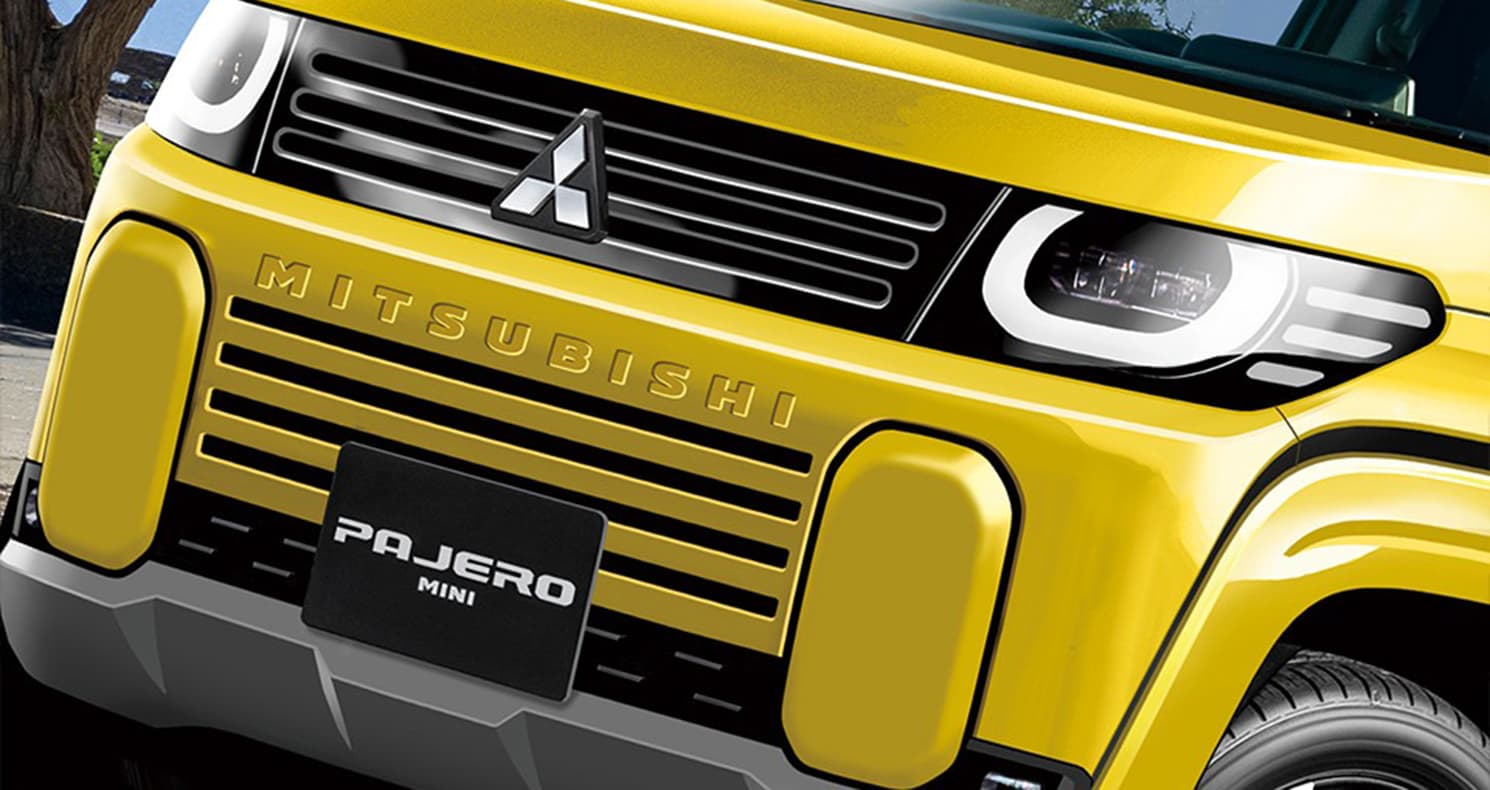
The Return of the Mini Pajero: A Compact Contender
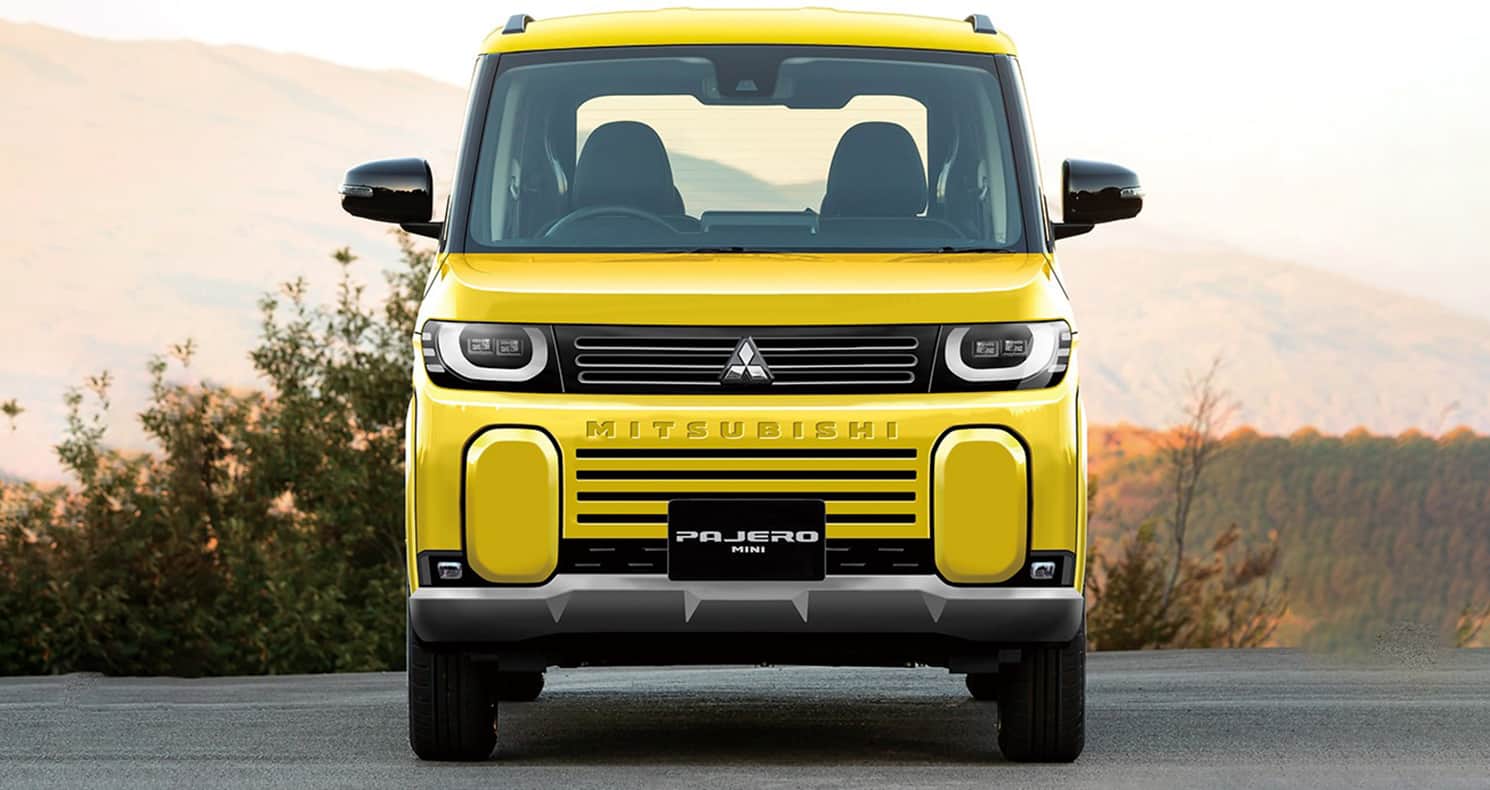
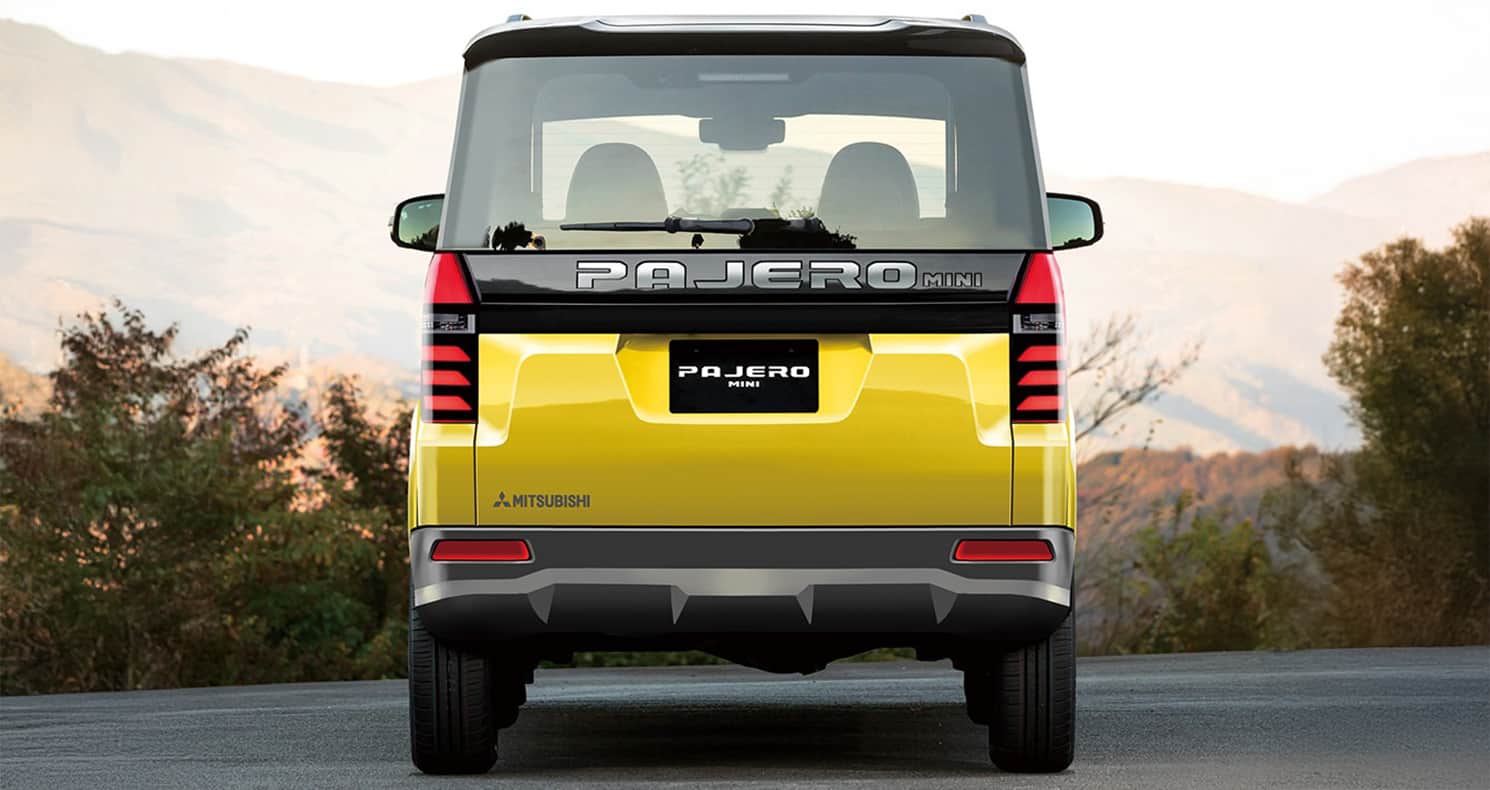
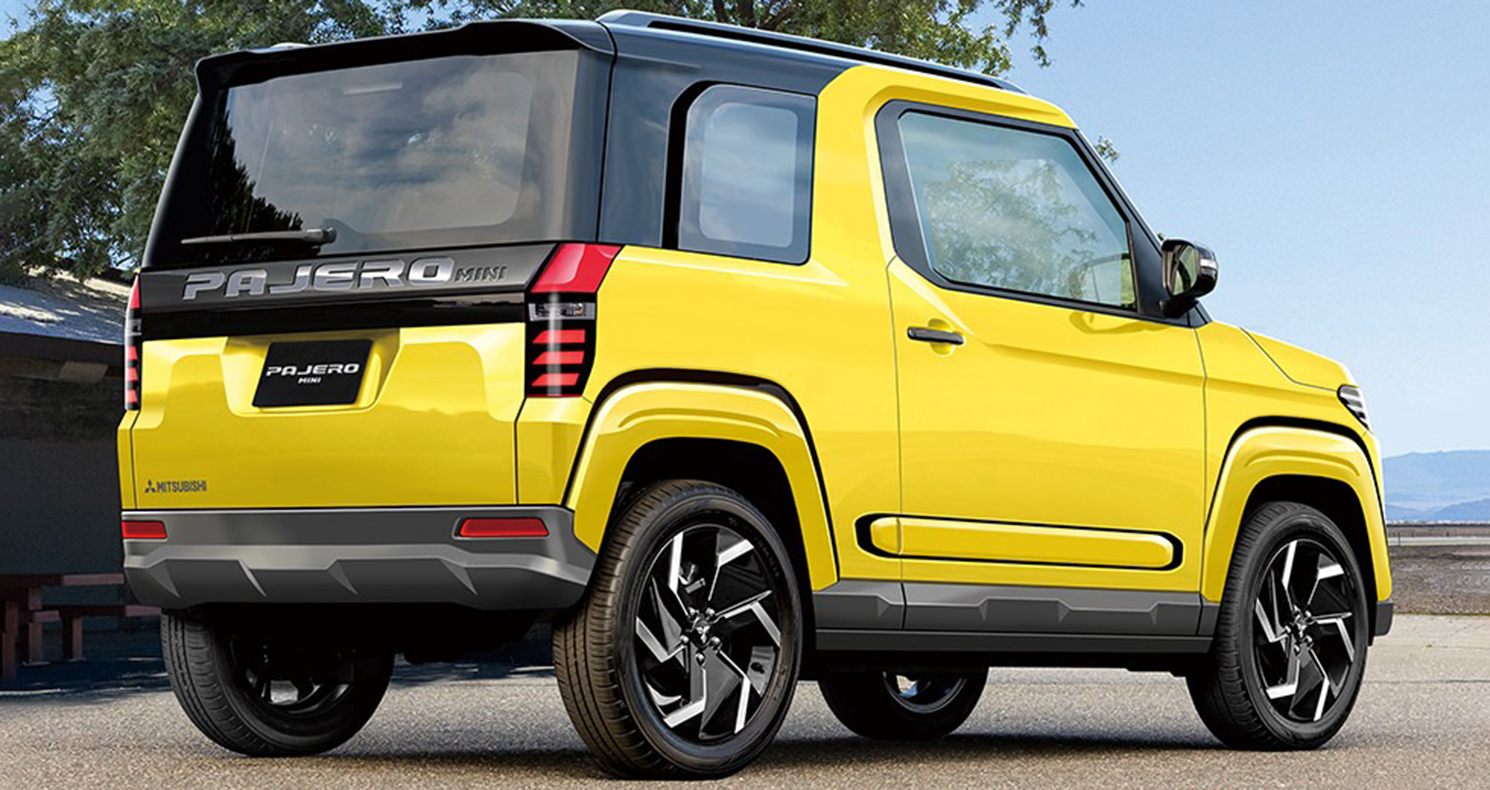
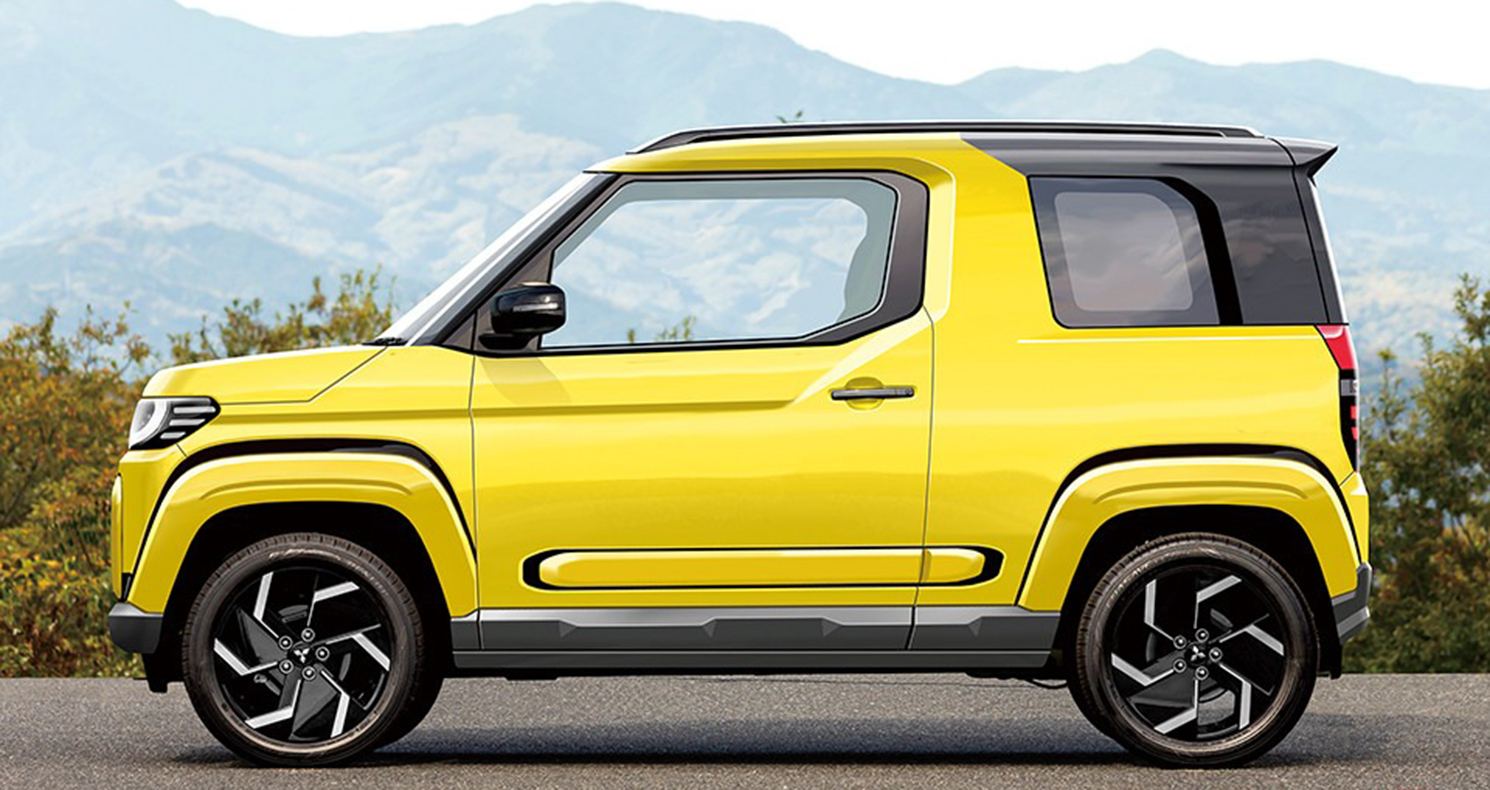
Perhaps the most anticipated addition to the Pajero family is the potential comeback of the “mini” Pajero. While details remain scarce regarding its exact construction – whether it will adopt a robust ladder-frame chassis like its larger sibling or utilise an existing SUV platform for a more road-oriented experience – the prospect is generating significant buzz.
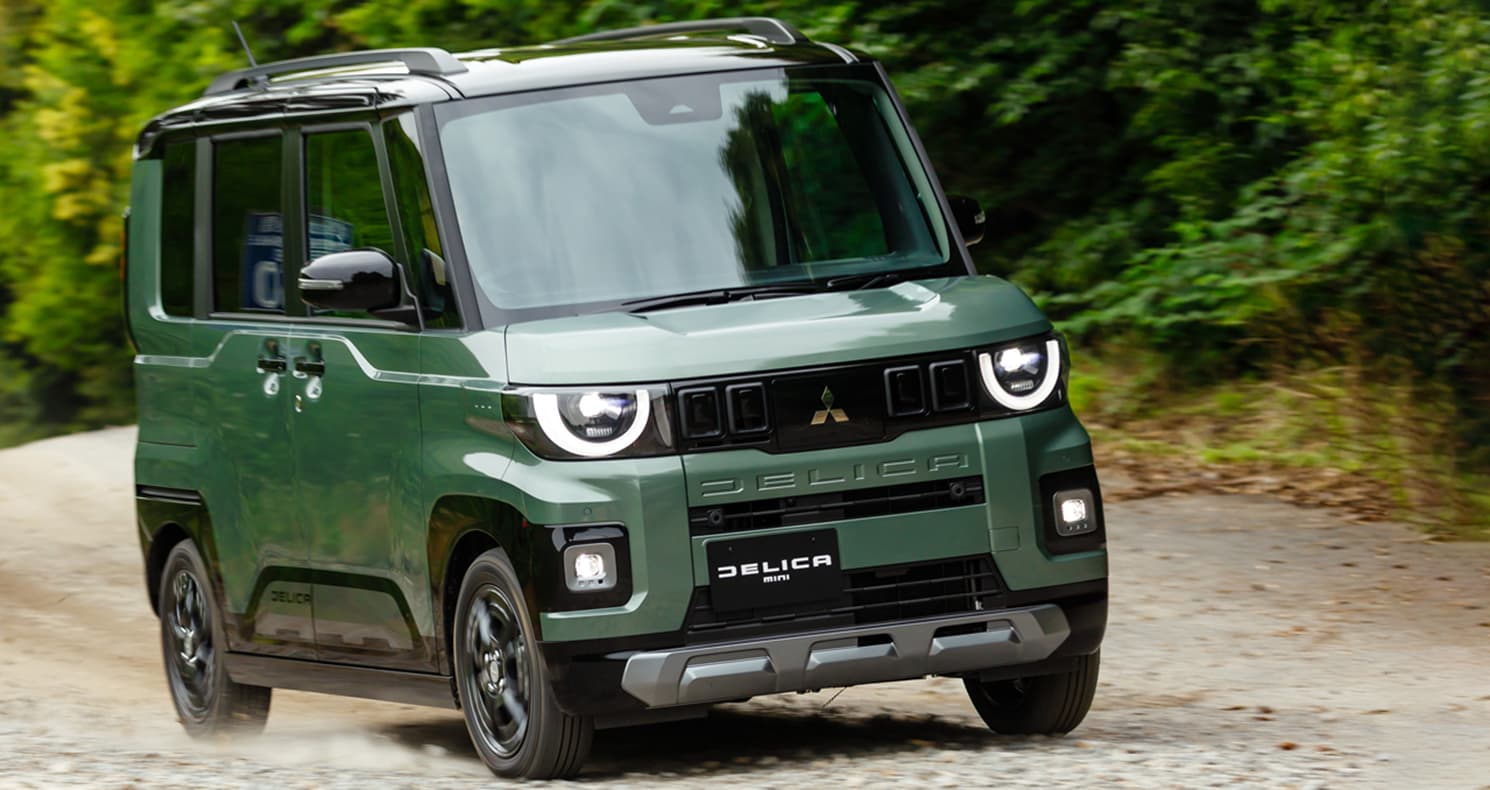
Last year, Japanese automotive publication Best Car, known for its reliable industry sources, first hinted at a mini Pajero project being in development. Although initially believed to be shelved, the remarkable success of the Delica Mini van has reportedly inspired Mitsubishi to revisit this beloved moniker. This strategic shift suggests a desire to replicate the Delica Mini’s appeal in a more adventure-focused package.
The prevailing theory is that this compact Pajero would be built upon the shared Nissan and Mitsubishi kei car platform, which currently underpins vehicles such as the Nissan Roox, Mitsubishi eK, and the aforementioned Delica Mini. This platform typically dictates compact dimensions, likely measuring less than 3400mm in length and 1480mm in width. Powertrain options are also expected to be modest, possibly featuring a hybrid setup with an output no greater than 47kW, fitting within the kei car regulations.
Expanding the Pajero Horizon: Beyond the Core Model
Mitsubishi’s vision for the Pajero series extends beyond the return of the full-size model and the potential mini variant. The strategic roadmap, as depicted in the company’s presentation, outlines a total of three distinct Pajero models.
One intriguing possibility for the third model is a three-door, shorter-wheelbase version of the full-size Pajero. Such a variant would offer a distinct proposition in the market, setting it apart from established rivals like the Toyota Prado, Nissan Patrol, and Ford Everest. This move could cater to a niche segment seeking enhanced maneuverability and a more classic off-road aesthetic.
While specific details for these future models are not yet available, and their arrival is anticipated for the 2030s, the strategic direction is clear. This long-term planning indicates a commitment to rebuilding and diversifying the Pajero brand for the decades ahead.
The Full-Size Pajero: Ready to Tackle Australian Terrain
The immediate focus, however, remains on the full-size Pajero, which is slated for a debut before the end of 2026. Although a full reveal is still some months away, prototypes have already been spotted undergoing testing on Australian roads, providing early glimpses of its design and capabilities.
Visually, the new Pajero appears to adopt a robust and boxy aesthetic, drawing comparisons to the imposing stance of the incoming Nissan Patrol. Its underpinnings are derived from the latest Triton ute, meaning it will feature a rugged ladder-frame chassis – a crucial element for serious off-road performance. This robust construction is also expected to enable a substantial towing capacity of up to 3500kg, making it a capable workhorse.
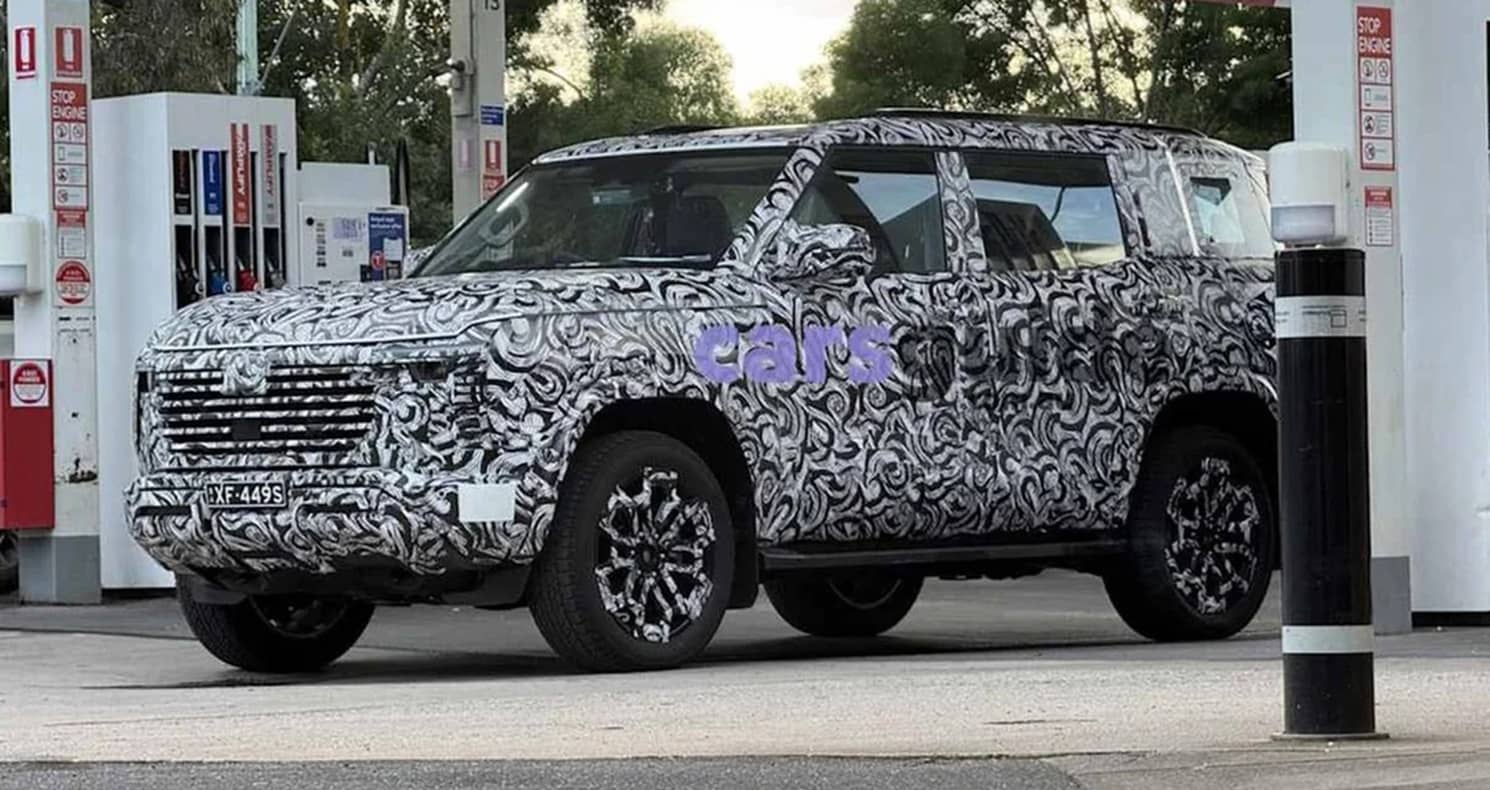

Under the bonnet, it is highly probable that the new Pajero will share the same powertrain as the Triton: a 2.4-litre bi-turbo four-cylinder diesel engine. This unit currently produces a healthy 150kW of power and 470Nm of torque, providing ample grunt for both on-road cruising and challenging off-road excursions. This combination of proven engineering and iconic heritage positions the new Pajero as a compelling contender ready to reclaim its status in the Australian market.