Aldi’s Mega Distribution Hub Set to Transform Sydney’s Aerotropolis
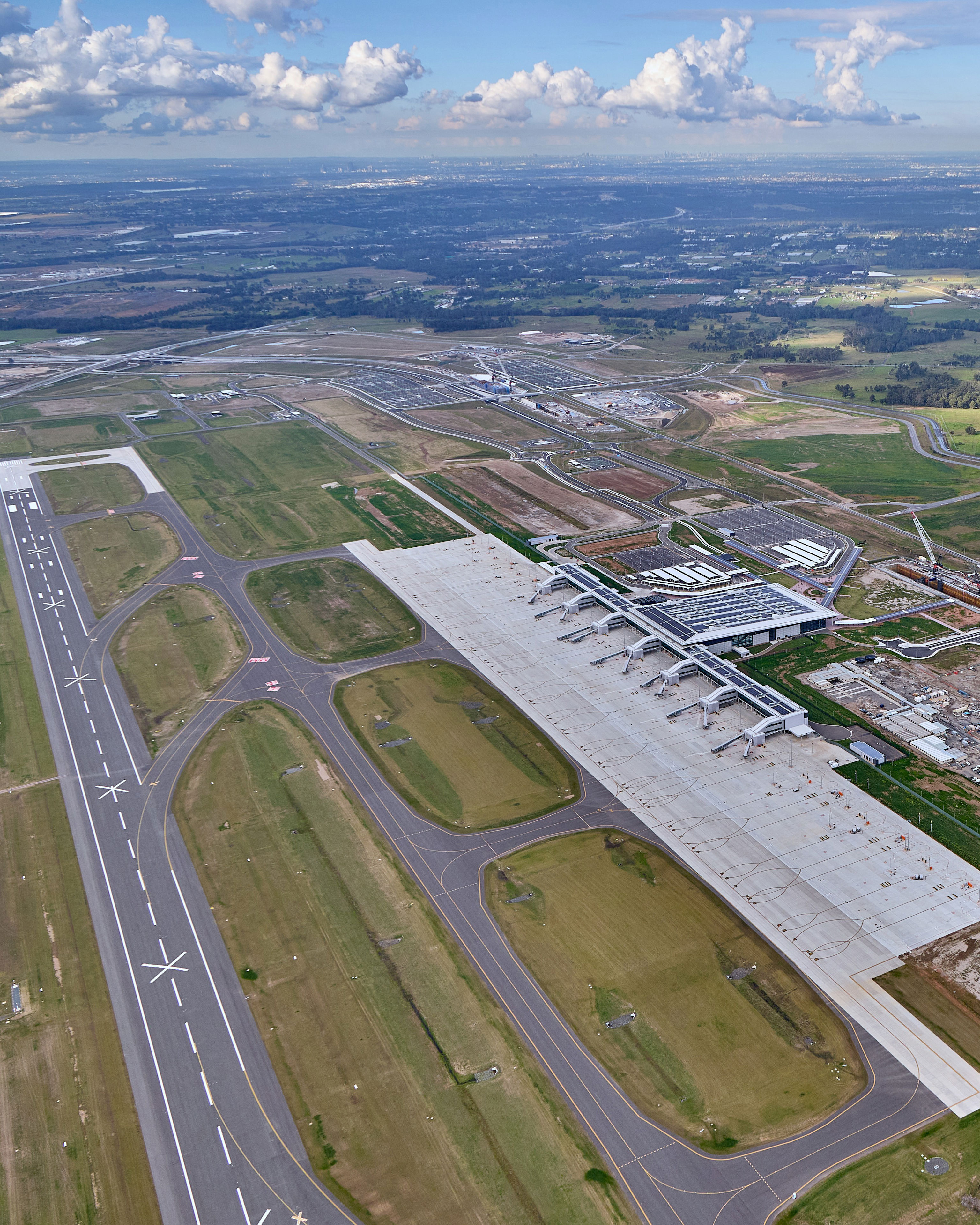
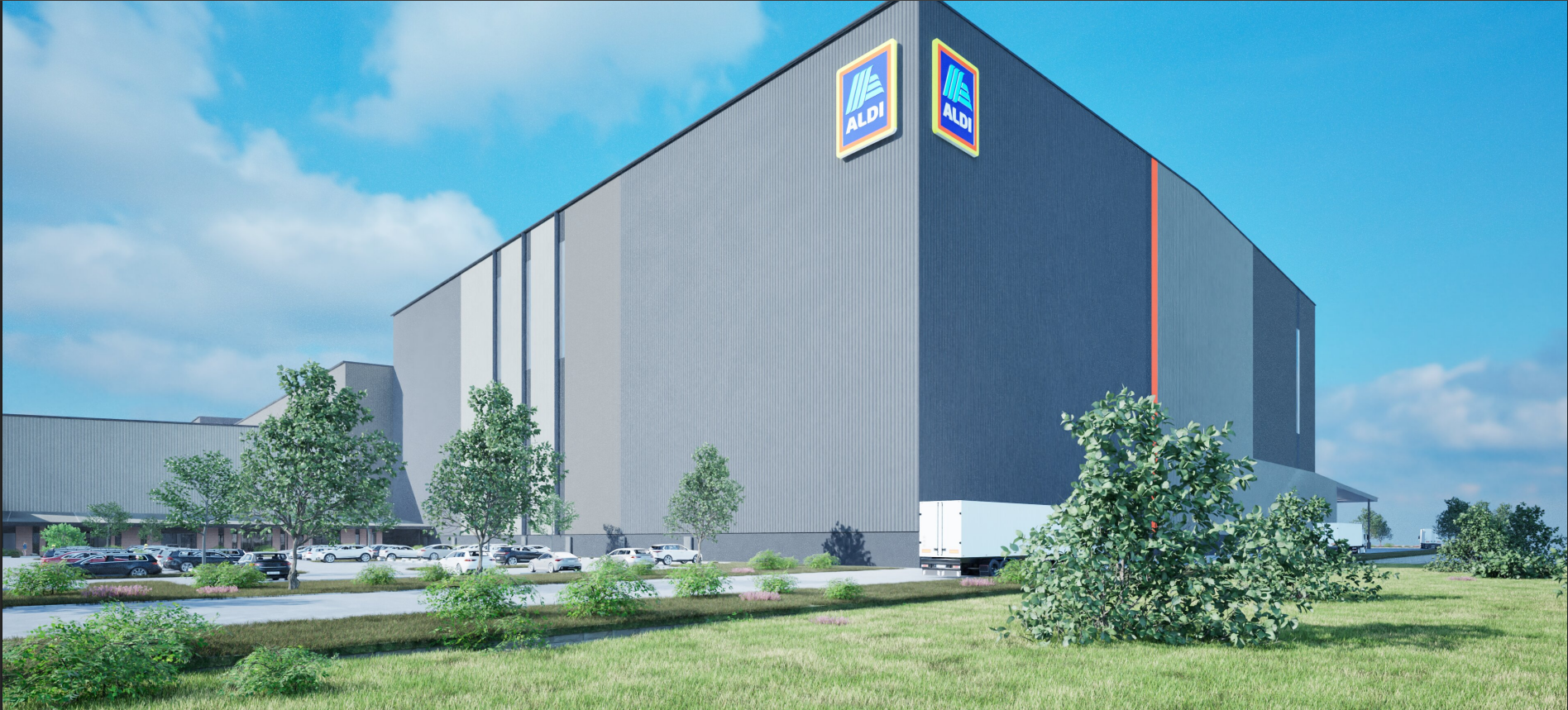
A monumental, billion-dollar development spearheaded by German supermarket giant Aldi has received the green light from the NSW government, paving the way for a colossal distribution centre adjacent to Sydney’s burgeoning international airport. This ambitious project, set to be the size of 15 football fields, promises to be a significant boon for the Western Sydney region, fostering job creation and cementing its status as a hub for industry and innovation.
The sheer scale of the facility is staggering, designed to handle the vast logistical demands of a major supermarket chain. Aldi will be footing the bill for its construction and will also be responsible for its ongoing operation. The government has highlighted the substantial economic benefits anticipated from this development, projecting the creation of thousands of jobs during the construction phase. Once operational, the centre is expected to provide 585 permanent roles, contributing to the long-term economic vitality of the area.
However, the operational model of this state-of-the-art facility is a key talking point. It is slated to be 80 per cent automated, a figure that immediately raises questions about the impact on human employment. Despite the high degree of automation, the Minister for Planning and Public Places, Paul Scully, has been quick to reassure the public that this is not a strategy to displace workers. He emphasised the overarching vision for the Aerotropolis, stating, “The Aerotropolis was designed to spark new industries and future-focused jobs.” Mr. Scully added that Aldi’s decision to invest in this location is a testament to that vision beginning to materialise.
This distribution centre represents the most significant project to date to be approved within the Aerotropolis precinct. This expansive area is being meticulously developed to become Sydney’s third city, with Bradfield City at its core. The Deputy Premier and Minister for Western Sydney, Prue Car, underscored the strategic importance of this development, asserting, “This project will further solidify Western Sydney as a critical hub of employment, industry, and innovation.” Her statement reflects the government’s commitment to transforming the region into a powerhouse of economic activity.
Economic Investment and Future Prospects
The Minns government has demonstrated a strong commitment to the development of Western Sydney since its election. The administration has pledged nearly $2 billion in investment for the region, with further projects valued at close to $6 billion reportedly in the pipeline for approval. This significant financial backing underscores the strategic importance placed on the Aerotropolis and its potential to drive substantial economic growth.
The Aldi distribution centre’s approval is more than just the greenlighting of a single facility; it is a powerful signal of confidence in the Aerotropolis as a future economic epicentre. The combination of advanced infrastructure, including the new international airport, and a commitment to attracting major businesses like Aldi, is poised to create a dynamic ecosystem of employment and industrial activity.
Key Aspects of the Development:
- Massive Scale: The distribution centre will cover an area equivalent to 15 football fields.
- Significant Investment: Funded and operated by Aldi, the project represents a substantial private sector investment.
- Job Creation: Thousands of jobs are expected during construction, with 585 permanent roles upon completion.
- High Automation: The facility will operate with 80 per cent automation, allowing for 24/7 operations.
- Strategic Location: Situated beside Sydney’s new international airport within the Aerotropolis precinct.
- Government Support: Part of the Minns government’s broader commitment to investing in Western Sydney’s future.
The emphasis on automation, while a point of discussion, is framed by the government as a means to enhance efficiency and enable round-the-clock operations, thereby supporting rather than replacing the human workforce. The success of this project is seen as a crucial step in realising the full potential of the Aerotropolis, attracting further investment and establishing it as a globally competitive centre for business and employment. The integration of cutting-edge technology with job creation goals highlights a forward-thinking approach to urban and economic development in one of Australia’s most significant growth corridors.