
Calls for Restraint Emerge After Israeli Refinery Strikes Spark Toxic Fallout
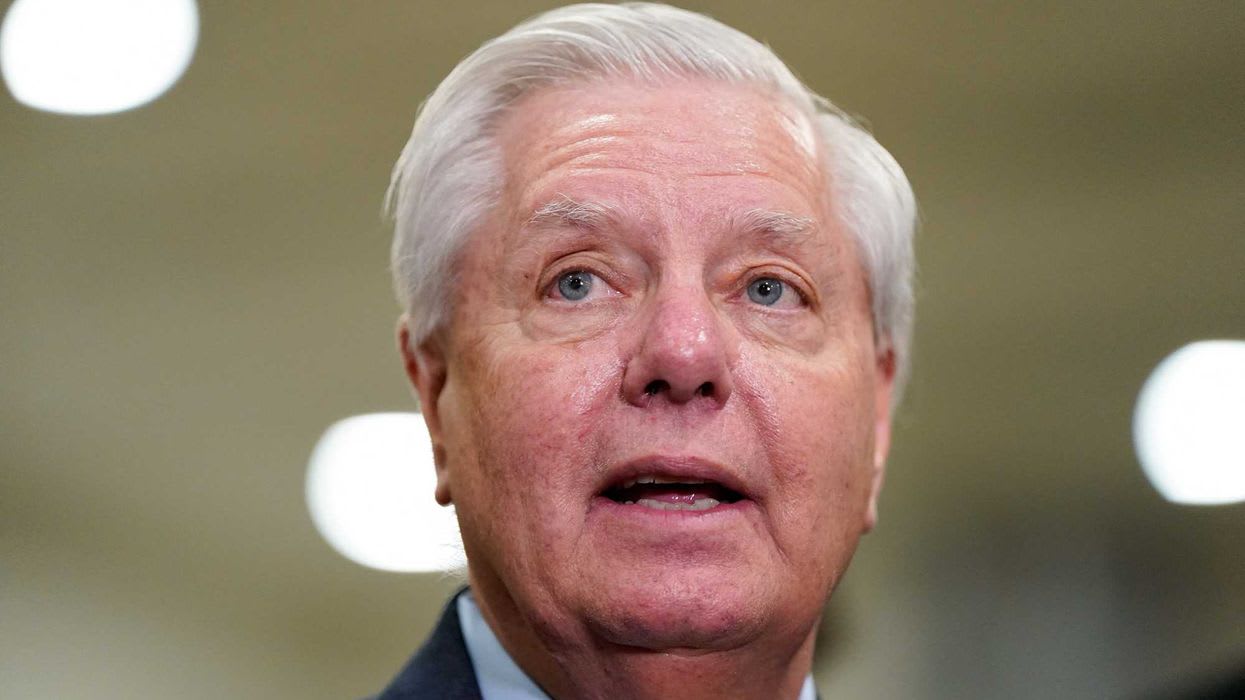
In a notable shift from his usual staunch pro-Israel stance, Senator Lindsey Graham of South Carolina has issued a rare appeal for caution following an Israeli attack on Iranian oil refineries. The strikes, which reportedly triggered a phenomenon described as “toxic rain,” have raised concerns among officials about potential chemical burns and severe lung damage for residents.
Senator Graham, a prominent voice in Congress advocating for Israel, took to social media platform X to express his views. He stated, “There will be a day soon that the Iranian people will be in charge of their own fate, not the murderous ayatollah’s regime.” However, he followed this with a plea for strategic consideration, urging, “In that regard, please be cautious about what targets you select. Our goal is to liberate the Iranian people in a fashion that does not cripple their chance to start a new and better life when this regime collapses. The oil economy of Iran will be essential to that endeavor.”
The scope of the Israeli attack on Iranian oil refineries reportedly caught U.S. officials off guard. According to reports, one senior U.S. official, speaking anonymously, expressed dismay, stating they “didn’t think it was a good idea.” The sentiment was reportedly echoed in private communications, with an Israeli official, also speaking on condition of anonymity, describing the U.S. response to the attack as a blunt “WTF.”
The targeted refineries are located in Tehran, a sprawling metropolis with a population exceeding nine million. In the wake of the strikes, Iran’s Red Crescent Society issued urgent advisories, urging residents to remain indoors as a precautionary measure against the potential environmental and health hazards.
Graham’s past actions and statements reveal a history of strong support for military engagement. He was a vocal proponent of U.S. military action against Iran prior to the Trump administration’s strikes earlier this month. His career has seen him back military interventions in numerous countries, including Iran, Iraq, Libya, Mexico, North Korea, Syria, and Venezuela.
Indeed, just hours after President Donald Trump authorised initial strikes on Iran, Senator Graham publicly acknowledged the potential sacrifices of U.S. service members who might be involved in the ensuing conflict. As of Sunday, reports indicated that seven U.S. service members had lost their lives as part of the Trump administration’s military operations in Iran.
The recent Israeli strikes and the subsequent concerns highlight the complex geopolitical landscape and the delicate balance of international relations. The economic infrastructure of any nation plays a crucial role in its stability and its people’s future, and the targeting of such assets can have far-reaching consequences, both immediate and long-term.
Key Considerations and Potential Ramifications:
- Environmental and Health Impacts: The reported “toxic rain” is a significant concern, raising questions about the immediate and long-term health risks to the civilian population in and around Tehran. This includes the potential for chemical burns and respiratory issues, necessitating robust public health responses.
- Economic Destabilisation: Iran’s oil economy is a critical component of its national revenue. Attacks on refineries can disrupt production, impact global energy markets, and potentially hinder the country’s economic recovery and future development, as Senator Graham alluded to in his statement.
- Diplomatic Fallout: The reported “WTF” reaction from U.S. officials suggests a potential disconnect or disagreement between allies regarding the strategy and execution of military actions. Such divergences can strain diplomatic ties and complicate future coordinated efforts.
- Humanitarian Concerns: The call for residents to shelter indoors underscores the humanitarian implications of such attacks. Protecting civilian populations and minimising collateral damage should remain a paramount consideration in any military engagement.
- Long-Term Strategy: Senator Graham’s emphasis on the future of the Iranian people and the importance of their economic capacity post-regime change brings to the forefront the debate around the ultimate objectives of military interventions. Ensuring that actions do not undermine the potential for a stable and prosperous future for the affected population is a complex strategic challenge.
The situation underscores the often-unforeseen consequences of military actions and the critical need for careful consideration of all potential outcomes, particularly when civilian populations and vital economic infrastructure are involved. The call for restraint from a seasoned lawmaker like Senator Graham signals a growing awareness of these complexities and the search for more nuanced approaches to international conflict.